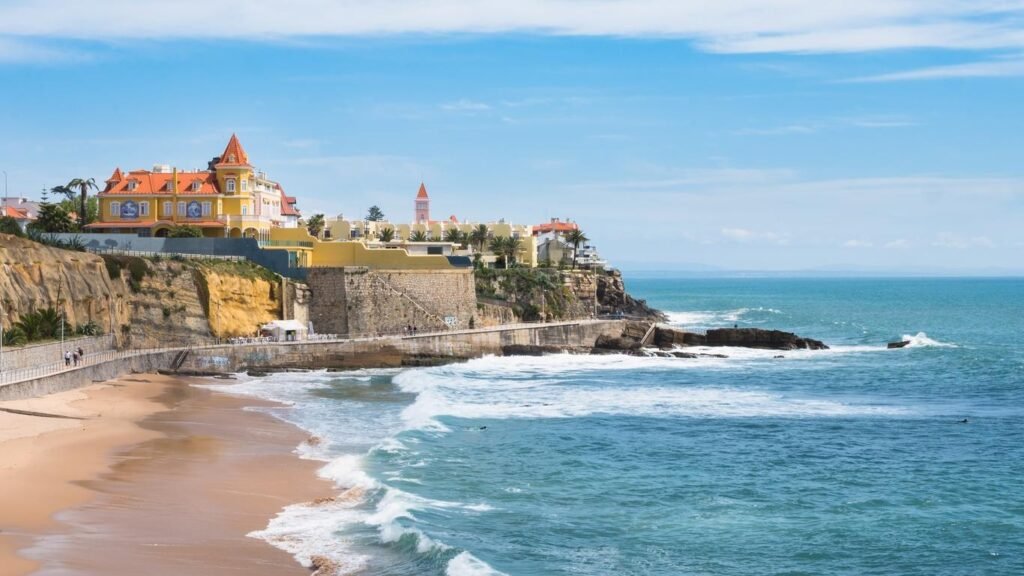
Estoril is a town and resort in the Portuguese municipality of Cascais, west of Lisbon. It is part of the Extremadura region. Estoril has an area of 8.79 km² and a population of 23,399 in 2011. Until the early 20th century, the town was primarily a fishing port, only later gaining tourist importance. Estoril is home to the famous Estoril Casino. In the late 20th century, it was the residence of John of Bourbon, the fourth son of King Alfonso XIII of Spain. In 1972, the Miss Europe pageant was held here, won by Monika Sarp from Germany.
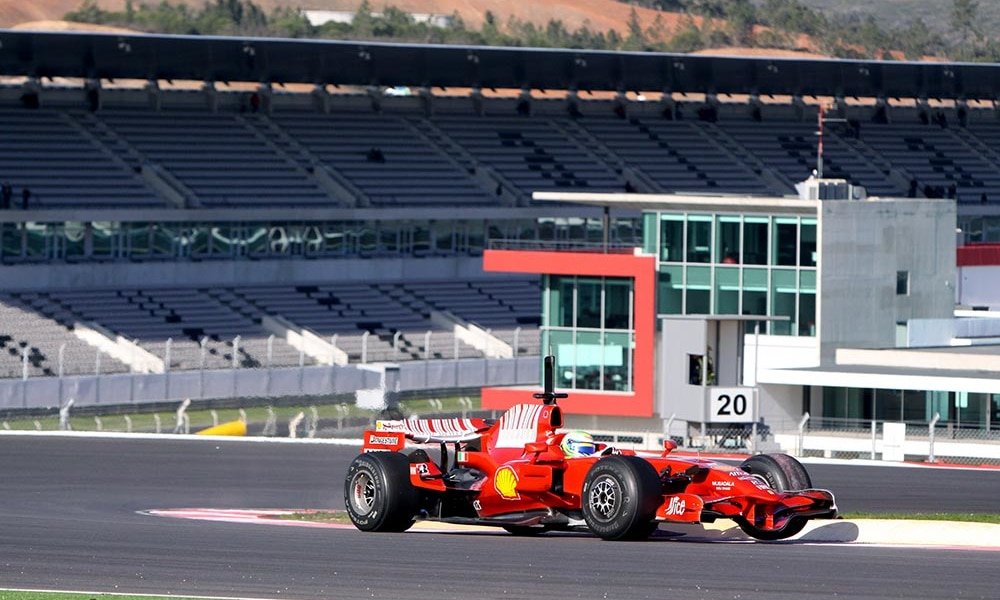
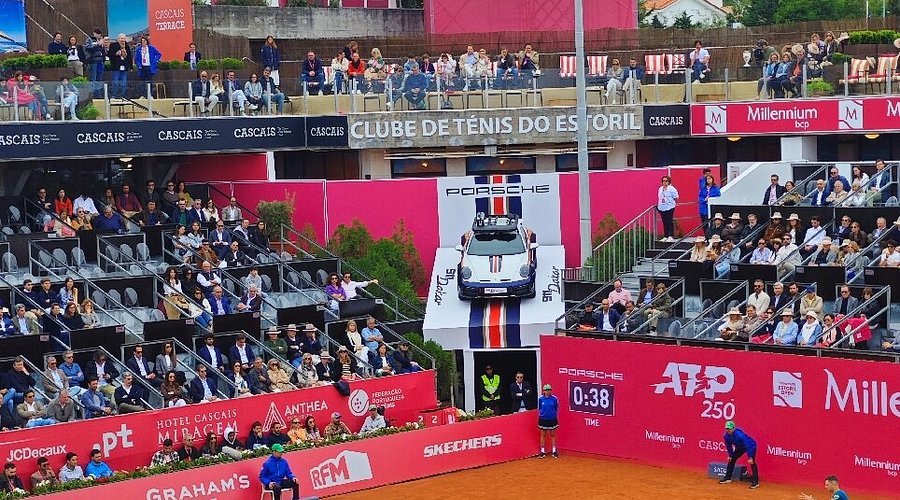
*Estoril is best known for hosting high-profile sporting events, including Formula 1 racing (1984–1996) and the Estoril Open tennis tournament. It is also home to the G.D. Estoril-Praia football club, which plays in the Primeira Liga.

*Estoril Casino is one of the largest casinos in Europe. Its elegant architecture and extensive gaming offerings attract many visitors. It’s also worth noting that the casino hosts a variety of cultural events, such as concerts and exhibitions.
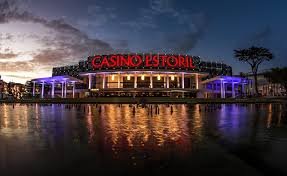
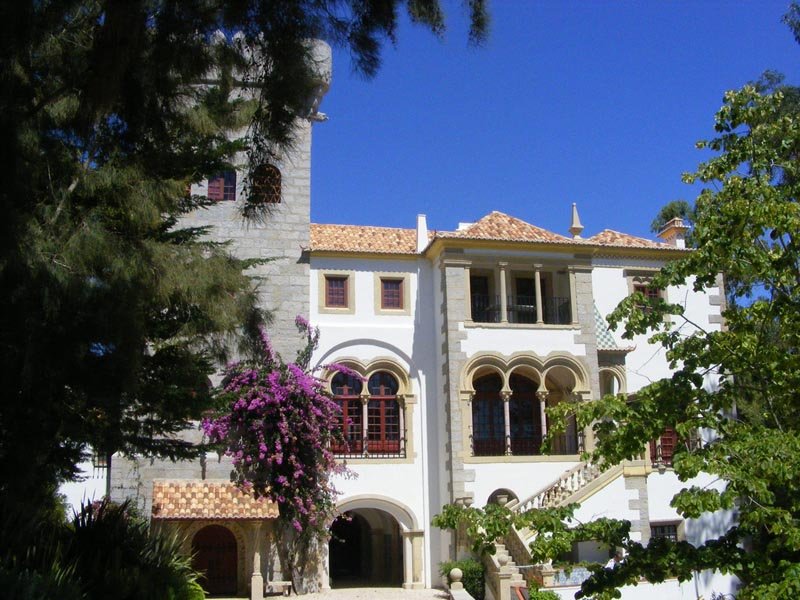
*The Estoril Gardens are beautiful green spaces that delight those seeking peace and relaxation. They offer numerous walking paths and rest areas. The Estoril Museum is also nearby, where you can see local art and learn about the region’s history.
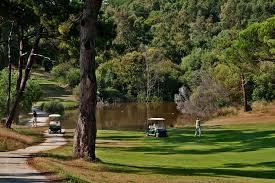
*Sports activities, golf, there are several renowned golf courses in the area,including Estoril Golf Club.
*The Christmas market is the perfect place for Christmas shopping and sampling local delicacies.
*History of Estoril
- Beginnings and Development Estoril, a picturesque town located on the Lisbon coast, has a long and interesting history dating back to Roman times. Initially known as “Estorilum,” the settlement held significance even during the imperial era. In the Middle Ages, Estoril became a popular destination for local fishermen and farmers who took advantage of the region’s natural resources. Rapid development began in the 19th century, when the first summer residences and bathing areas were built, attracting wealthy residents from Lisbon.
- The Golden Age of Tourism At the beginning of the 20th century, Estoril gained a reputation as a summer resort. Thanks to its seaside location and mild climate, it became a vacation destination for elite Portuguese and international residents. It was during this period that numerous luxury hotels, such as the renowned Hotel Palácio, were built. During World War II, Estoril became a refuge for many refugees, including aristocrats and politicians from across Europe. The town also gained fame as an intelligence center, and wartime mysteries continue to fascinate historians to this day.
- Estoril After the War After the war, Estoril continued to develop as a popular tourist destination. In the 1960s and 1970s, numerous new resorts and attractions were built, including the famous promenade and casino, which attracted visitors from around the world. The town became not only a tourist hotspot but also a center of culture and art, hosting a variety of artistic events, festivals, and concerts.
- Contemporary Estoril Today, Estoril maintains its position as one of the most desirable holiday destinations in Portugal. It continues to attract tourists with numerous attractions, such as beaches, golf courses, spas, and vibrant dining options. The town is also known for hosting various sporting events, including Formula 1 races and international tennis tournaments.
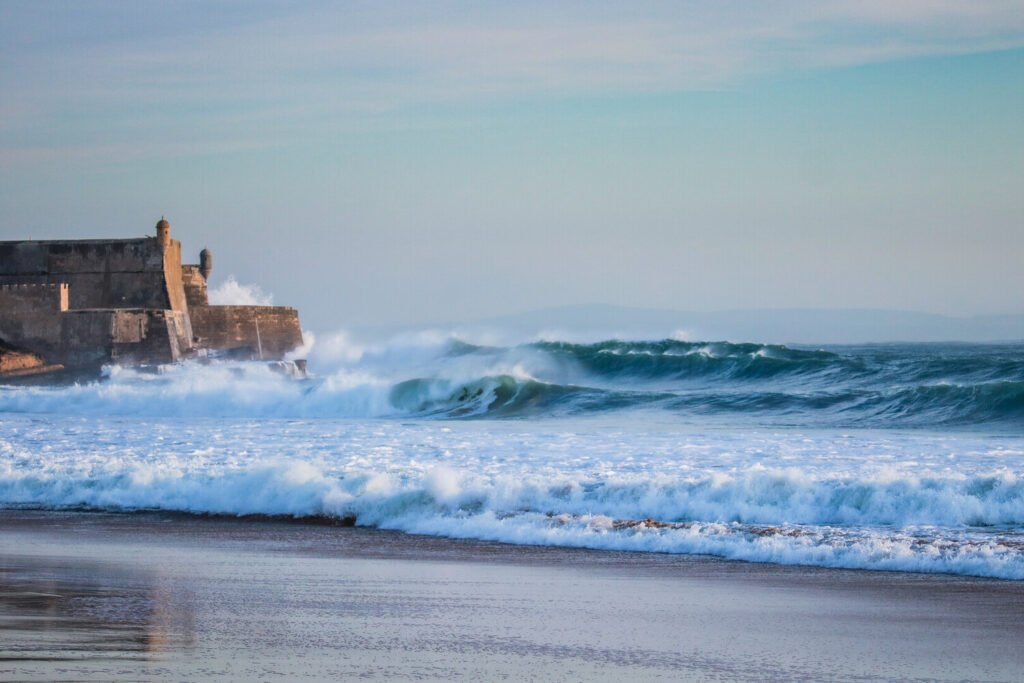
*Traditions and Customs Traditions in Estoril are deeply rooted in local culture, with many passed down through generations.
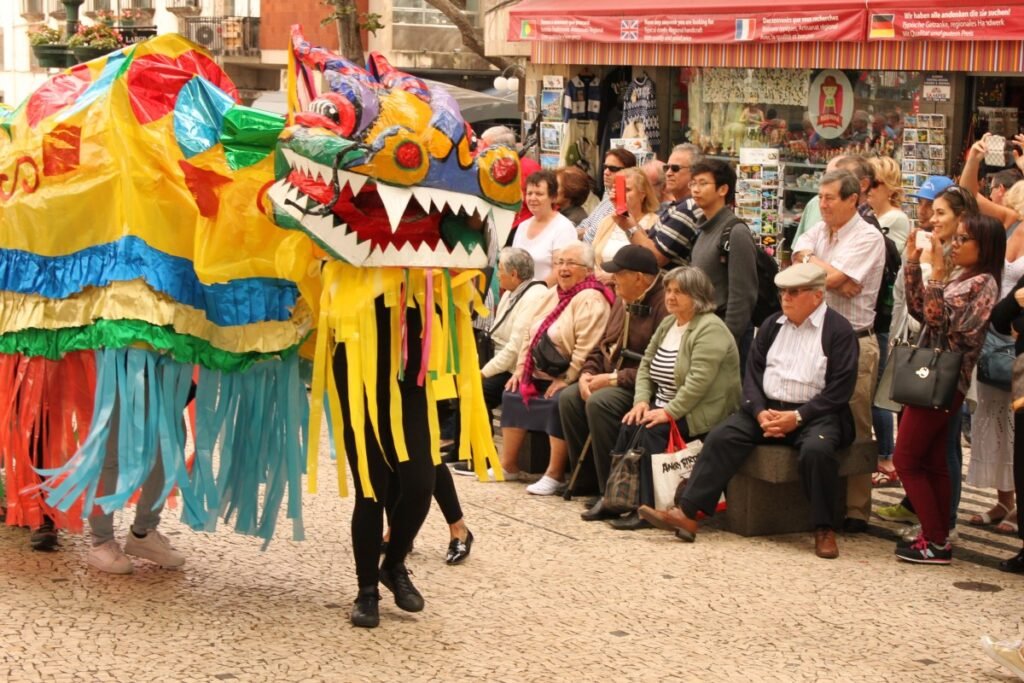
St. Anthony’s Festival: Held annually in June, this festival combines colorful parades and traditional dances.
Estoril Carnival: During the carnival season, the city comes alive with colorful costumes, processions, and music (photo)
Easter Traditions: During Easter, Estoril residents celebrate traditions associated with processions and special foods, such as foga.