
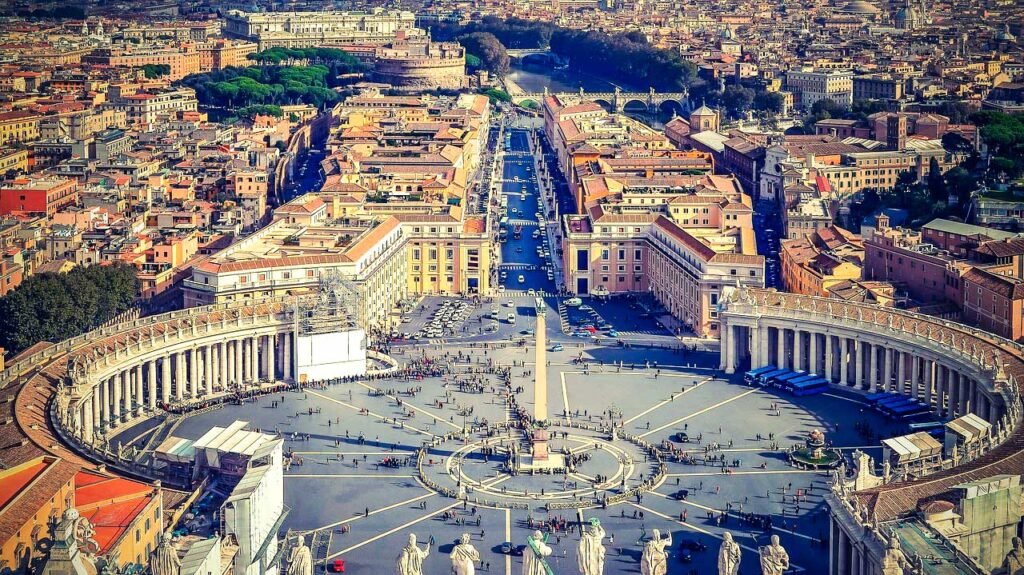
Vatican City, the Vatican City State, is a city-state in Southern Europe, on the Apennine Peninsula, an enclave within Rome, Italy. It is the world’s smallest recognized state in terms of area and the smallest independent state in terms of population. Vatican City is the seat of the highest authorities of the Catholic Church, where the Pope resides. Vatican citizens are primarily church dignitaries, priests, nuns, and Swiss Guards with their families. In addition, approximately 3,000 people work outside the Vatican walls (postal, radio, newspaper, shop, train station, and medical workers). Vatican citizenship is lost upon ceasing to reside there.
Union of the Holy See with the Vatican. The Holy See is joined to the Vatican by a personal and functional union. The Holy See exercises exclusive authority, sovereign power, and jurisdiction over the Vatican. Both entities possess international legal personality. However, according to another theory, the Holy See and the Vatican constitute a single entity, appearing at will under one of two names.
Political system: An elective and theocratic monarchy, with the Pope as the sole authority. Legislative functions are performed by the Pontifical Commission for Vatican City State, while the Governorate of Vatican City State handles day-to-day administration of the Vatican. In foreign relations, the Vatican (most often referred to as the Holy See) is represented by the Secretary of State, commonly referred to as the Prime Minister of the Vatican.
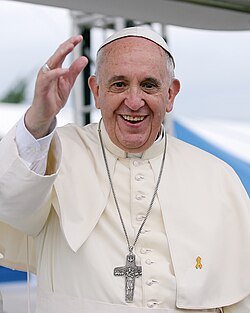
Economy. Until 2014, the Vatican’s leading financial institution was the Institute for Religious Works, also known as the Vatican Bank. This bank was responsible for the Holy See’s finances and operations on global financial markets. Currently, it retains a supporting role. However, its role has been significantly reduced. Since 2014, by papal decree, the Administration of the Patrimony of the Holy See has become the Vatican’s central bank. In 2014, Pope Francis established the Economic Council and its executive branch, the Secretariat for Economic Affairs, as bodies responsible for the economic affairs of the Vatican City State and the Holy See. The Vatican City State maintains a separate financial balance sheet from the Holy See. In 2012, it closed with a positive balance of €23 million, while the Holy See’s budget accounted for €2 million. The Vatican economy is based, among other things, on the following: The Vatican’s revenue comes from pilgrimages and museum visits, handicrafts, and the issuance of postage stamps, as well as from investments in financial markets. The Vatican has the right to mint its own coins, which are often numismatic rarities. It also has its own newspaper (L’Osservatore Romano), a television station (Vatican Television Center), and a radio station (Vatican Radio). Within the Vatican, there is a small train station and a Vatican Post Office. Since 2008, photovoltaic panels have been installed on the roof of the Paul VI Audience Hall, generating electricity. According to calculations, this saves 80 tons of oil annually. From 2020, 20% of the electricity is to be generated by photovoltaic panels. The Vatican also exchanges used cars, for example, those used by the Vatican Post Office, for electric cars. Only one trade union operates within the Vatican, the Association of Lay Employees of the Vatican.
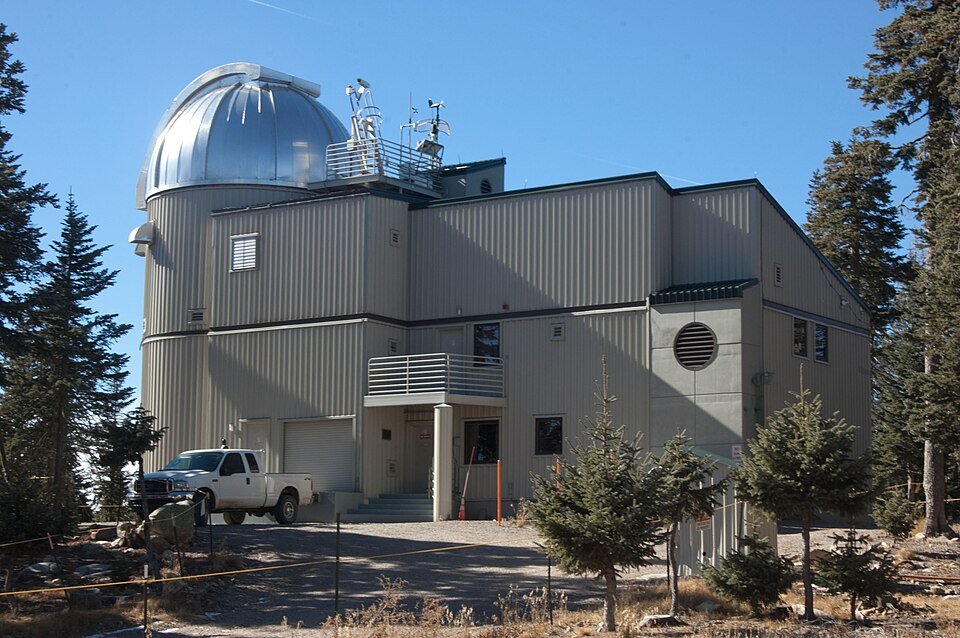
Science. The most important scientific institution in the Vatican is the Pontifical Academy of Sciences. It has 80 members appointed by the Pope from among eminent scholars from around the world. The Academy does not conduct its own scientific research; it serves as the Pope’s advisory body on scientific matters. Among the non-theological scientific institutions of the Vatican, the most renowned are the Vatican Observatory, the Vatican Research Group, the library, the Pinacoteca Vaticana (founded in 1932, the Vatican Museums), and the Vatican Historical Museum. Five universities operate under the aegis of the Vatican: the Pontifical Gregorian University, the Pontifical Lateran University, the Pontifical University of St. Thomas Aquinas, the Pontifical Urbaniana University, the Salesian Pontifical University, seven theological colleges, five institutes of study and research, including the largest center of biblical studies, the Pontifical Biblical Institute.
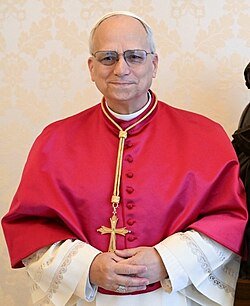
The current Pope is Leo XIV (Robert Francis Prevost), elected on May 8, 2025. He is the 267th pope of the Catholic Church, an Augustinian friar from the United States who took the name Leo XIV. He previously served as Prefect of the Dicastery for Bishops. About Pope Leo XIV:
Origin: Born in Chicago in 1955, he is of French, Italian, and Spanish descent.
Experience: Long-time missionary in Peru, monk, and doctor of canon law.
Election: He was elected in the 2025 conclave following the death of Pope Francis.
Style: His election is interpreted as an opportunity for dialogue and a return to the social teaching of the Church.
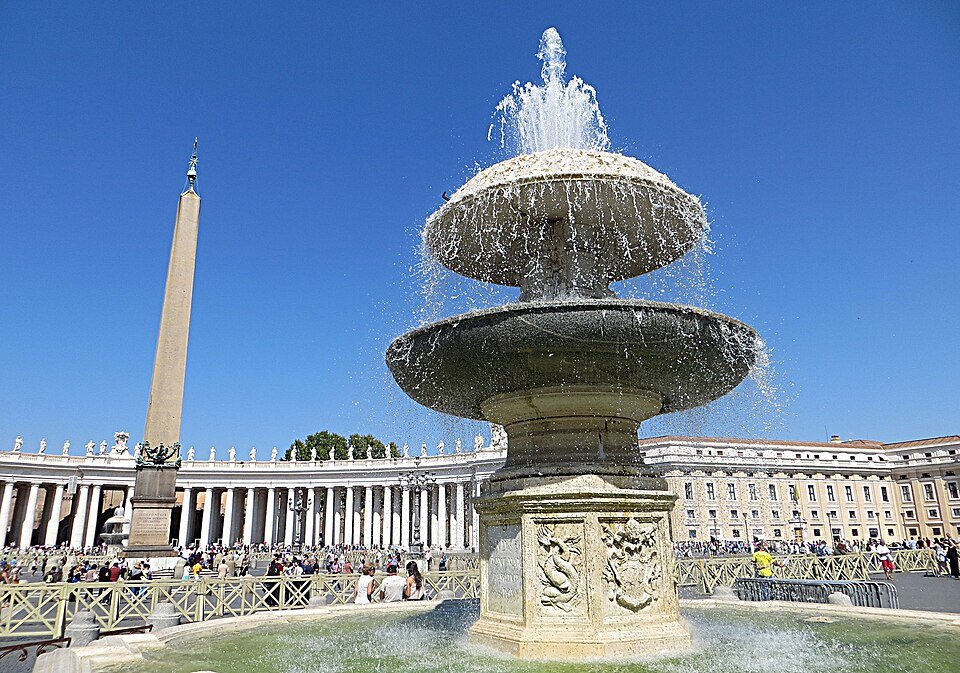
St. Peter’s Square. The famous Via Conciliazione, commemorating the Lateran Treaty of 1929, leads to St. Peter’s Square, surrounded by Bernini’s enormous four-row colonnade. In the center of the square, a 25.5-meter-tall Egyptian obelisk was placed in the 16th century, which, legend has it, witnessed the martyrdom of St. Peter.
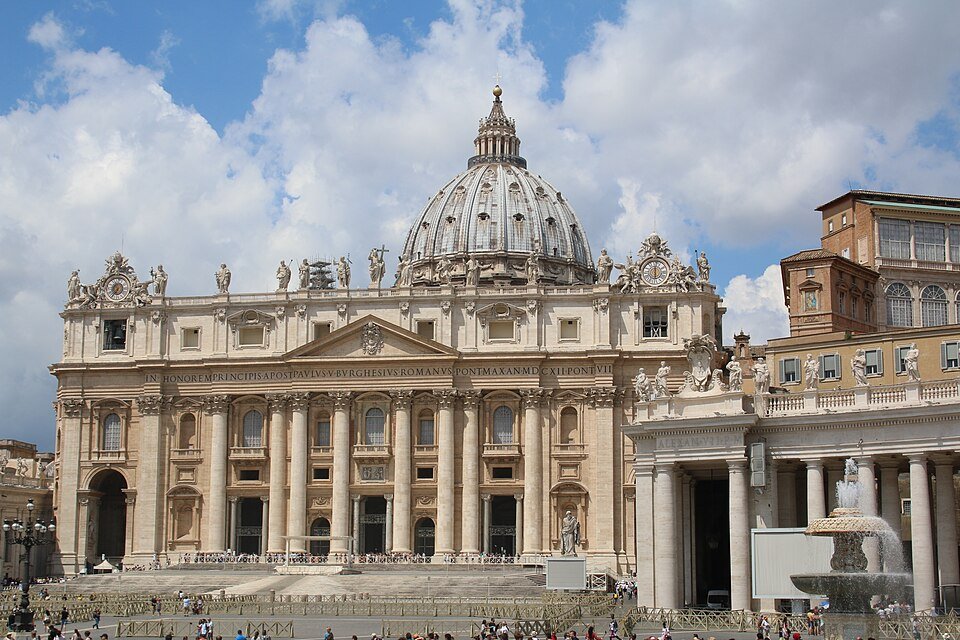
St. Peter’s Basilica
The first basilica was built in the early 4th century AD at the behest of Emperor Constantine the Great. However, the foundation on which it was built – an artificial shelf formed from the buried necropolis and partially carved into the slope of Vatican Hill – was not sufficiently stable throughout its entire surface. This was the main reason why the church required frequent renovations over the centuries. By the end of the 15th century, the condition of its foundations and supporting elements was already critical.
The second St. Peter’s Basilica – it was necessary to wait until the early 16th century to witness the courage of Pope Julius II della Rovere, who, defying superstition and religious fear, decided to radically change the situation of this venerable structure. In 1506, he ordered half of the old basilica to be demolished and the construction of a new church, worthy of the position of Prince of the Apostles, to begin. The construction work lasted a total of 120 years and consumed an enormous amount of material resources, even the Catholic Church of the time could muster. The result was a gigantic Christian church, for centuries the largest on Earth, dazzling with its rich decorations, the quantity and quality of its works of art, and the multitude of relics of the Church’s saints. Michelangelo Buonarroti’s “Pietà” and Bernini’s works: the bronze canopy over the confession, the Altar of St. Peter’s Chair, the Gloria, and Alexander VII’s epitaph delight all lovers of Baroque art. Pilgrims, on the other hand, are drawn to the 44 altars containing the relics of hundreds of saints, including the remains of the Apostle to whom Jesus is said to have said, “You are the rock”.
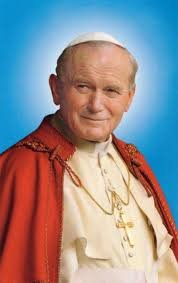
The tomb of St. John Paul II. Shortly before his beatification, the body of Pope John Paul II was transferred from the New Grottoes to the Chapel of St. Sebastian. There it rests to this day, surrounded by the constant presence of many faithful.
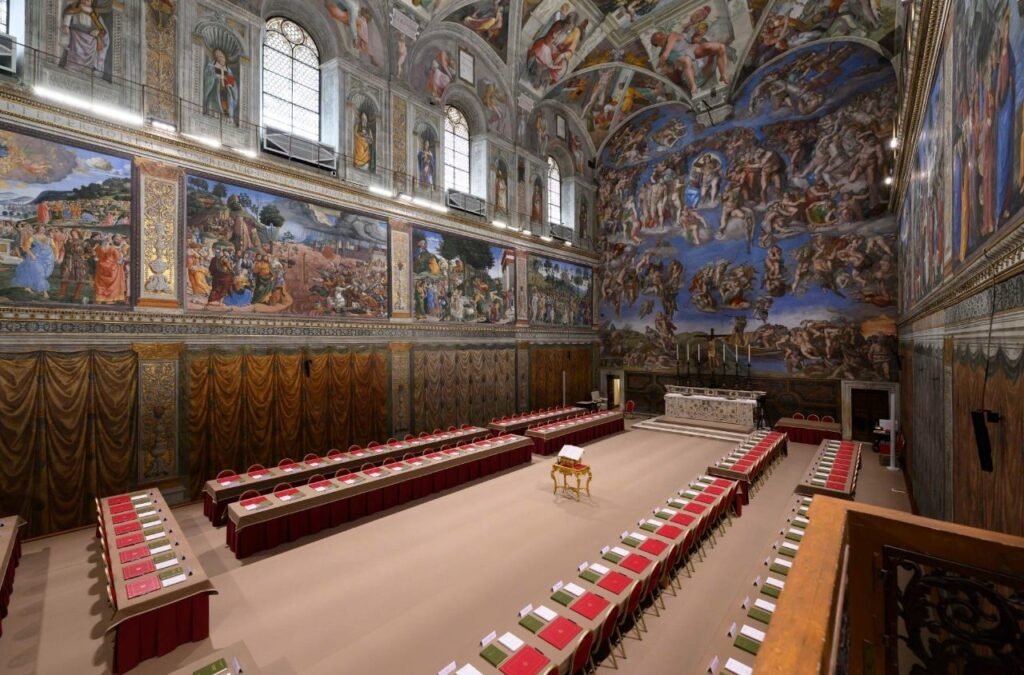
Sistine Chapel. One of the most important sites in the Vatican is the Sistine Chapel, adjacent to the Apostolic Palace, built in the 15th century by order of Pope Sixtus IV. Covered with magnificent frescoes and decorations by Michelangelo, Pinturicchio, Signorelli, Botticelli, Ghirlandaio, and Rosselli, it attracts tourists visiting Rome like a powerful magnet. Few places in the world can offer such a wealth of history, art, and religion enclosed in a single space. It is here that the conclave, the election of the new pope, takes place. The chapel is an integral part of the Vatican Museums, so entry is reserved exclusively for Museum ticket holders.
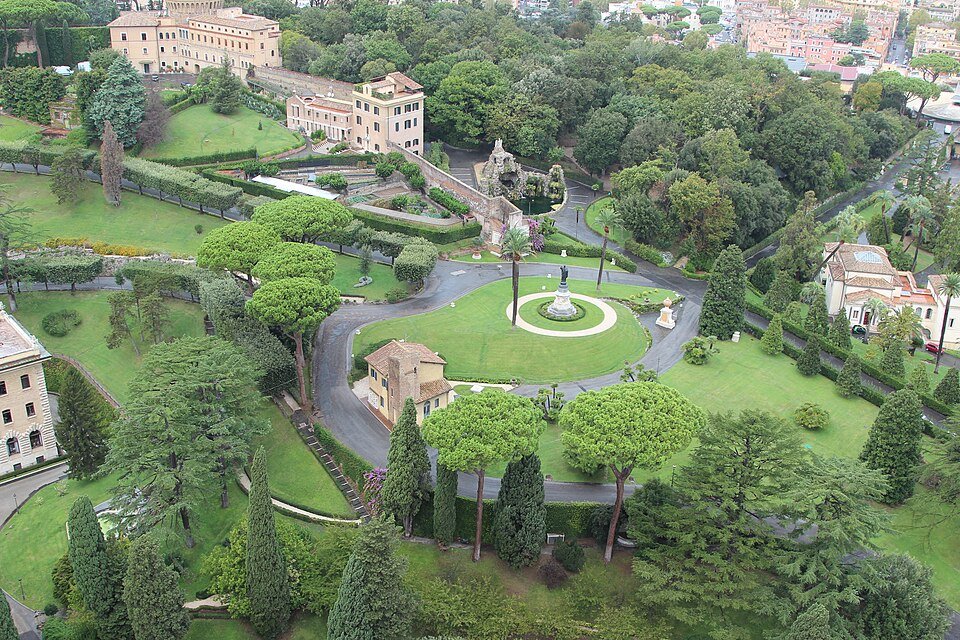
The Vatican Gardens, a garden and park complex covering approximately 23 hectares in Vatican City. The Vatican Gardens comprise gardens and parks created during various periods in the history of the papal residence. The gardens surround the city-state’s public and residential buildings. Since 2012, the gardens have housed 100 fountains, supplied by an aqueduct built under Pope Paul V. The last fountain, dedicated to St. Joseph, was funded by the Patrons of Arts in the Vatican Museums, which they donated to Pope Benedict XVI. The Vatican Gardens were not open to tourists visiting the Vatican until the reign of Pius XII (pontificate 1939–1958).
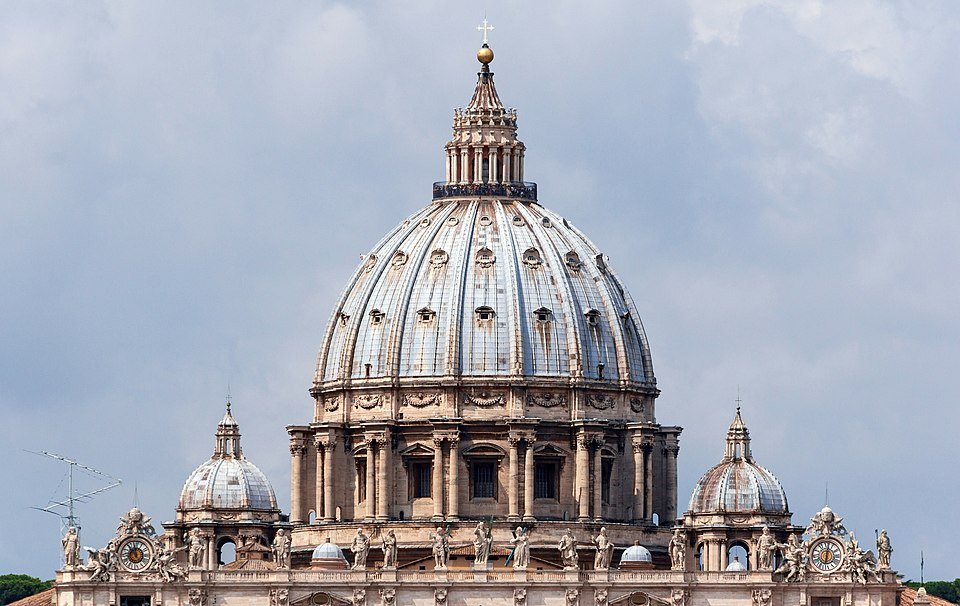
The dome of St. Peter’s Basilica in the Vatican is one of the most iconic buildings in the world, designed primarily by Michelangelo Buonarroti. It is the tallest dome in the world, rising to a height of over 136 meters (including the cross).
About the dome: History and Architecture.
Designer: Michelangelo designed the main structure but died before its completion. The work was completed by Giacomo della Porta and Domenico Fontana between 1588 and 1590.
Construction: The dome has two skins (a double skin with a hollow center) and a more slender (pointed) shape than originally planned.
Dimensions: The total height from the floor to the top of the cross is 136.57 meters. The internal diameter is 41.47 meters.
Interior: The interior of the dome is richly decorated with mosaics depicting, among other things, St. Peter. figures of saints, including 96 figures on six levels.
Visiting the Dome (Entrance).
Admission to the dome is subject to a fee and is one of the main attractions, offering panoramic views of St. Peter’s Square and Rome.
