
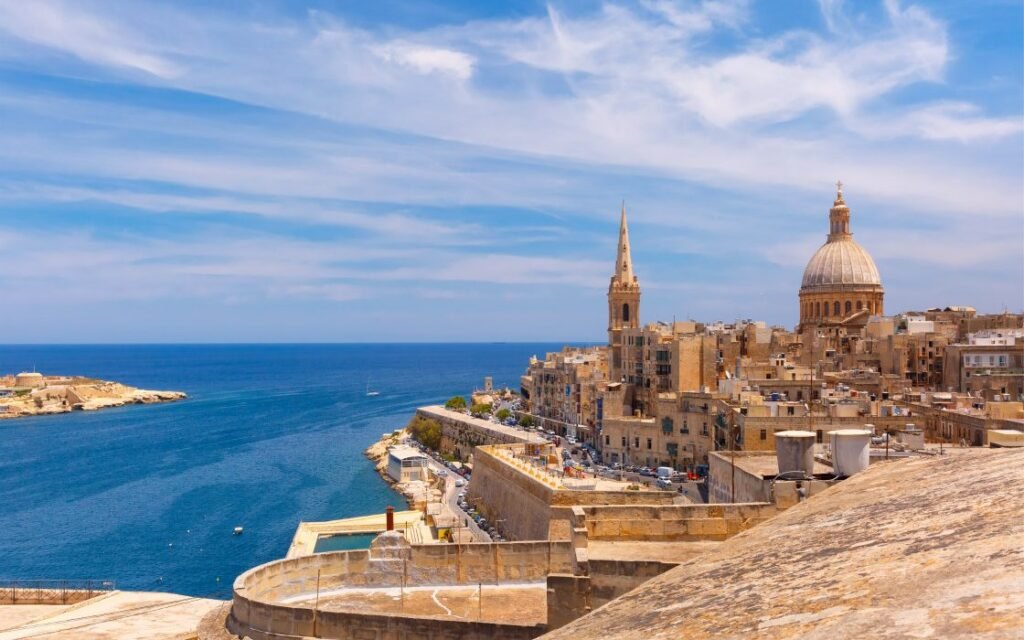
Malta is a sunny and small country in the southern Mediterranean. For centuries, it has been considered a crossroads of different worlds and cultures, which influences its cuisine, architecture, language, and more. Malta – what to see and how to plan a visit.
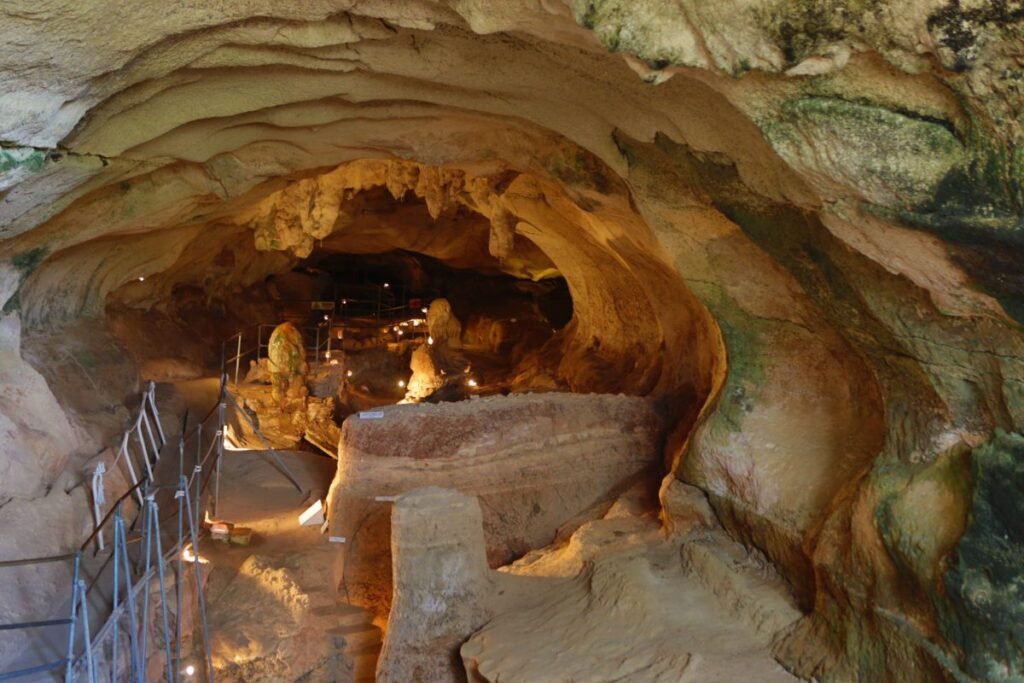
Ghar Dalam Cave. Traces of human habitation dating back over 7,000 years have been found here, making it the oldest site of its kind in Malta. Besides the cave itself (it’s not very large), there’s a museum displaying, among other things, the bones of animals found here. There are plenty of them. Exploring the entire area will probably take less than half an hour, so it’s worth a quick visit.
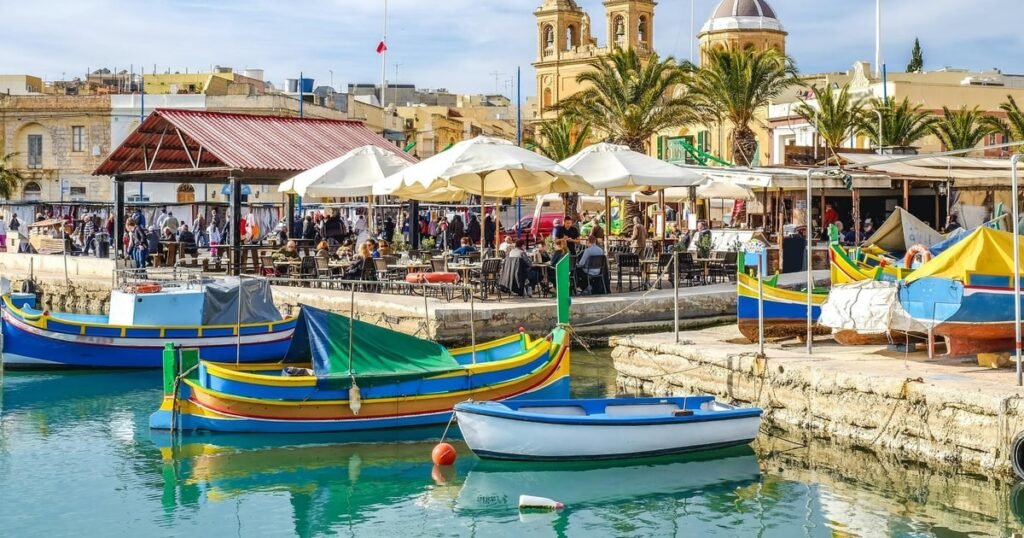
Marsaxlokk. If you want to see a colorful fishing town in Malta, you absolutely must visit this place. Located in the east of the country, it’s famous for its distinctive wooden boats, which often appear on the front pages of Malta guidebooks. A market is set up along the harbor, though it’s worth noting that the busiest days are Sundays. It’s especially popular for souvenirs and local products: Maltese halva, honey, olive oil, cheese, and more. This is also when the busiest days are, so if you’re looking for a more relaxed atmosphere, visit on other days or early in the morning.
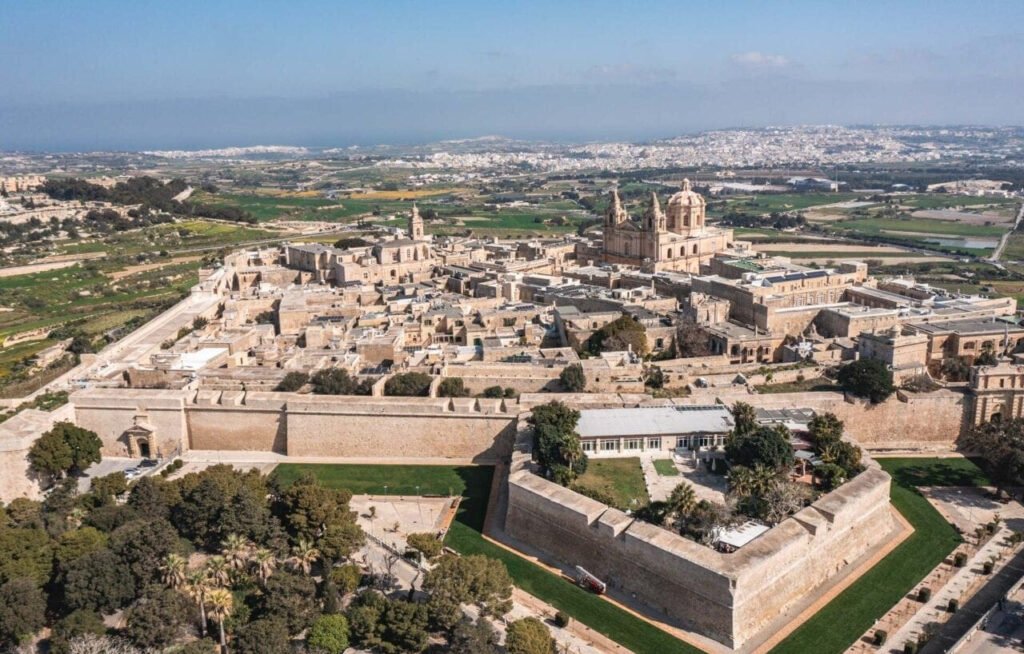
Mdina. Malta’s former capital, also known as the “Quiet City.” Today, only a few hundred people live here, and its narrow streets create a unique atmosphere. Perhaps this is why many films and TV series, such as Game of Thrones, have been filmed here. It’s a must-see destination, even if you’re only spending a few days in Malta. Especially since exploring Mdina isn’t time-consuming, as it’s a small town.
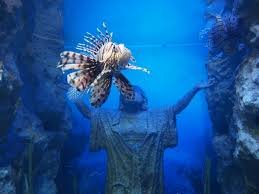
Malta National Aquarium. Located in the town of Bugibba, commonly known as St. Paul’s Bay, a reference to the shipwreck of the saint’s shipwreck in 60 AD. The aquarium has over 50 tanks, including an underwater tunnel. The interesting themes are striking, for example, with shipwrecks, which allude to Malta’s underwater history.
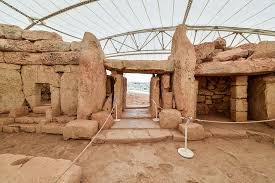
Prehistoric temples. There are many on the island, as the area was inhabited thousands of years ago. Four sites are worth highlighting. Beneath Valletta lies Tarxien and the mysterious, underground Hypogeum. This is a special place, but visiting it isn’t cheap and requires booking well in advance. Two more sites are located in the south of the island – the megalithic Ħaġar Qim and Mnajdra, which are covered with a single ticket. We visited these. They represent ancient temples, some of the oldest in the world, built 5,000 years ago. Today, they are a UNESCO World Heritage Site.
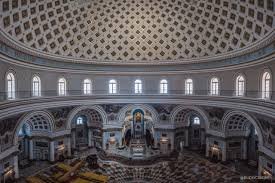
The Rotunda in Most. A massive church with one of the largest domes in Europe. In 1942, three German bombs were dropped on it. One even penetrated the dome, landing on the praying faithful. None of these bombs exploded, a fact that continues to fascinate the numerous tourists who visit this place. The place is truly impressive.
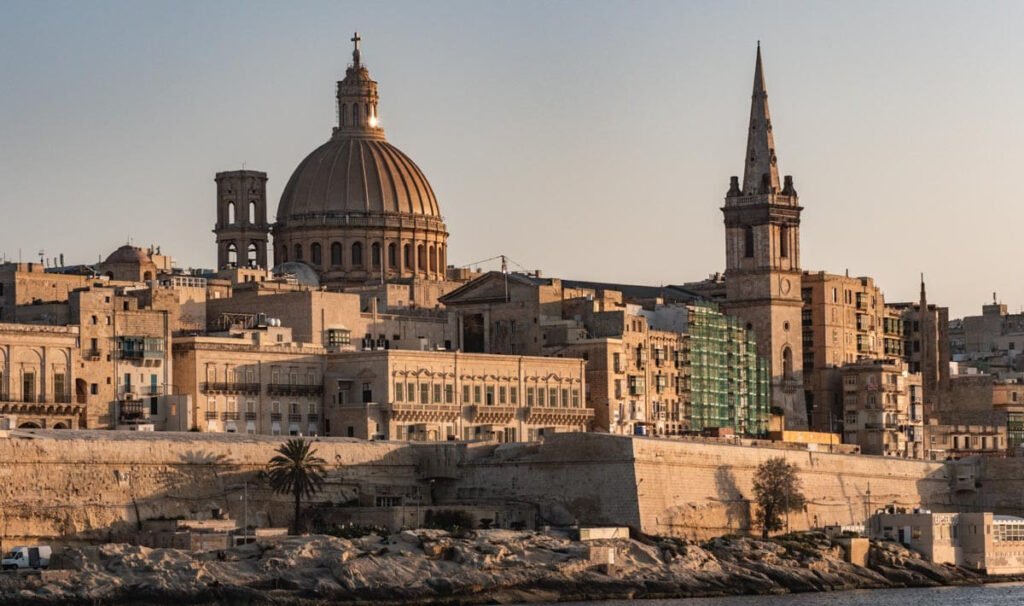
Valletta and the Maltese Tricity. Malta has one of the smallest capitals in the world – its official area is less than 1 km². That’s why it’s said to have one of the largest concentrations of monuments per square kilometer. And it’s no surprise, since it was founded as a defensive fort, so historical references are visible literally everywhere. It’s important to remember that although Valletta is formally a small city, in practice it forms a large and dynamic agglomeration of many interconnected towns. Therefore, the official size of the Maltese capital should be taken with a grain of salt and considered merely a curiosity. One of the most important tourist areas surrounding Valletta is the Maltese Tricity (Victoriosa, Conspicua, and Sanglea), which lies across the bay and is easiest to reach by gondola. As in the capital, you’ll find a wealth of fortifications, museums, and restaurants here.
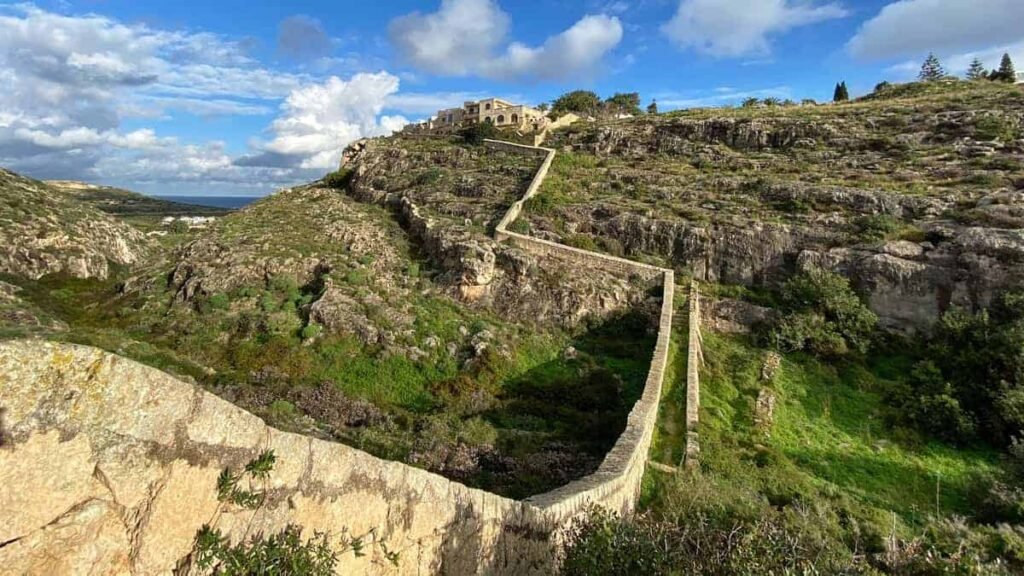
Victoria Lines. These 12-kilometer defensive fortifications, also known colloquially as the Great Wall of Malta, were built by the British in the last decades of the 19th century to protect the ports and towns of central and southeastern Malta from potential attack from the north, where the coastline was more conducive to invasion than the cliff-strewn south. Today, in many places, you can walk through them, which is impressive.
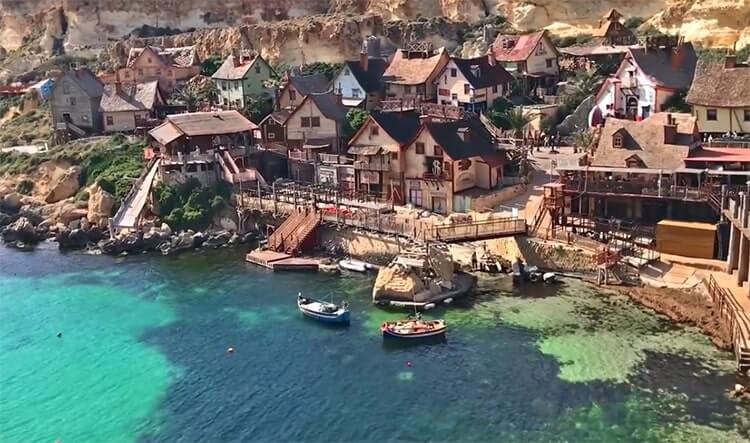
Popeye Village. A village created for the Robin Williams film. Today, it’s a theme park with a fee to visit, transporting you to a completely different world. If you just want to catch a glimpse of the village from afar, you can do so by heading to the viewpoint on the opposite side of the bay.
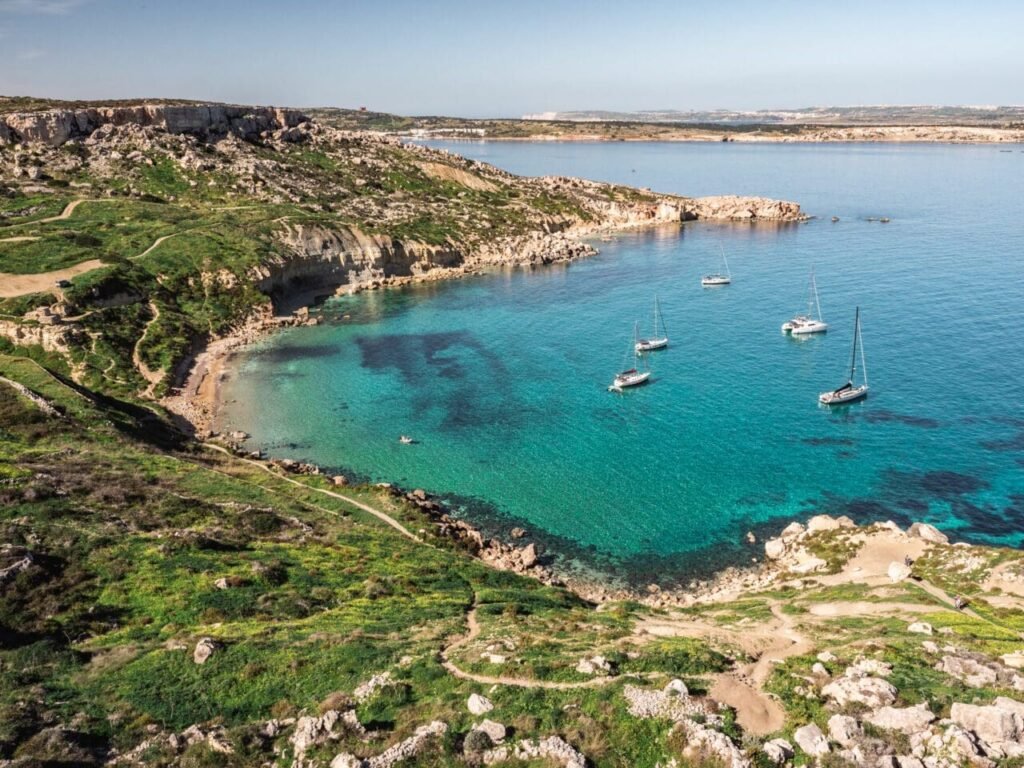
The coast in Malta. Of all the Maltese attractions, it impressed us the most. It’s famous for its gigantic cliffs and numerous grottos. They’re everywhere, but the largest ones are located in the south of the island. There are probably dozens of specific places worth seeing, although if we had to single out the most popular, it would be the Blue Grotto, a large cave accessible by boat. If you want to walk atop the gigantic cliffs, which we highly recommend, head to Miġra l-Ferħa. There’s a huge parking lot there, from which wonderful viewing trails depart. An unforgettable adventure. And sandy beaches? Unfortunately, there aren’t many in Malta. The most famous are Golden Bay and Għadira Bay, and they’re definitely worth a visit.
