Bizerte is a city in northern Tunisia, the administrative center of the Bizerte Governorate, and a port on the Mediterranean Sea, at the mouth of the canal connecting Lake Bizerte with the sea. In 2014, it had approximately 137,000 inhabitants. The city boasts a developed petrochemical, metal, food, cement, and shipbuilding industries.
About the city of Bizerte. Founded by the Phoenicians around 1000 BC, it is the oldest city in what is now Tunisia. It was under Roman rule from the Punic Wars until the 7th century, under the name Hippo Diarrhytus or Hippo Zarrytus. It then fell under Arab rule. In the 16th century, it became part of the empire of Charles V of Habsburg, and later of the Ottoman Empire (1574–1880). It was under French control from 1881 to 1963 (as the last city in Tunisia, which had been independent since 1956). After the Allied landings in North Africa in November 1942 as part of Operation Torch, Tunisia became the main target of the Axis counteroffensive. Facing no resistance from the French, the Germans soon occupied the city. Its port later served as a port of entry for General Walther Nehring’s troops, and later for the newly formed 5th Panzer Army under General Hans Jürgen von Arnim. Bizerte was captured by the Allies on May 7, 1943. Bizerte – under the Roman name Hippo Diarrhytus – is a titular bishopric of the Catholic Church. The title of Bishop of Hippo Diarrhytus was used by Tadeusz Kondrusiewicz (1989–2002), Jose Paala Salazar (2002–2004), and Manfred Grothe (since 2004).
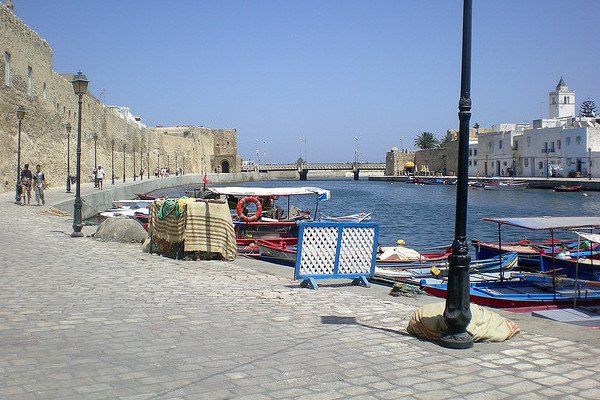
Bouchoucha Square and the Great Mosque. The old port boasts a charming atmosphere, enhanced by cafés and colorful fishing boats. Bouchoucha Square—elongated on both ends, bounded by the port to the east and the medina to the west—divides the old and new districts. Bustling markets take place here: spice vendors gather around the mosque, offering items such as dried chameleons on sticks and, for those more fortunate, live specimens. The 1652 Great Mosque (north of the square) is worth a visit, with its impressive octagonal minaret clad in tiled tiles. Despite damage to the medina during World War II, it remains a sight to behold—the blue latticework, the studded keyhole doors, the irregular arches, and the shadows they cast are all worth exploring. The tiny rue de Forgerons, which branches off from the quiet square adjacent to the kasbah, lined with a few cafés, is still lined with cluttered forges. The enormous kasbah, with its massive, crenellated walls towering over the northern entrance to the harbor, is the most impressive structure in the old part of the city.
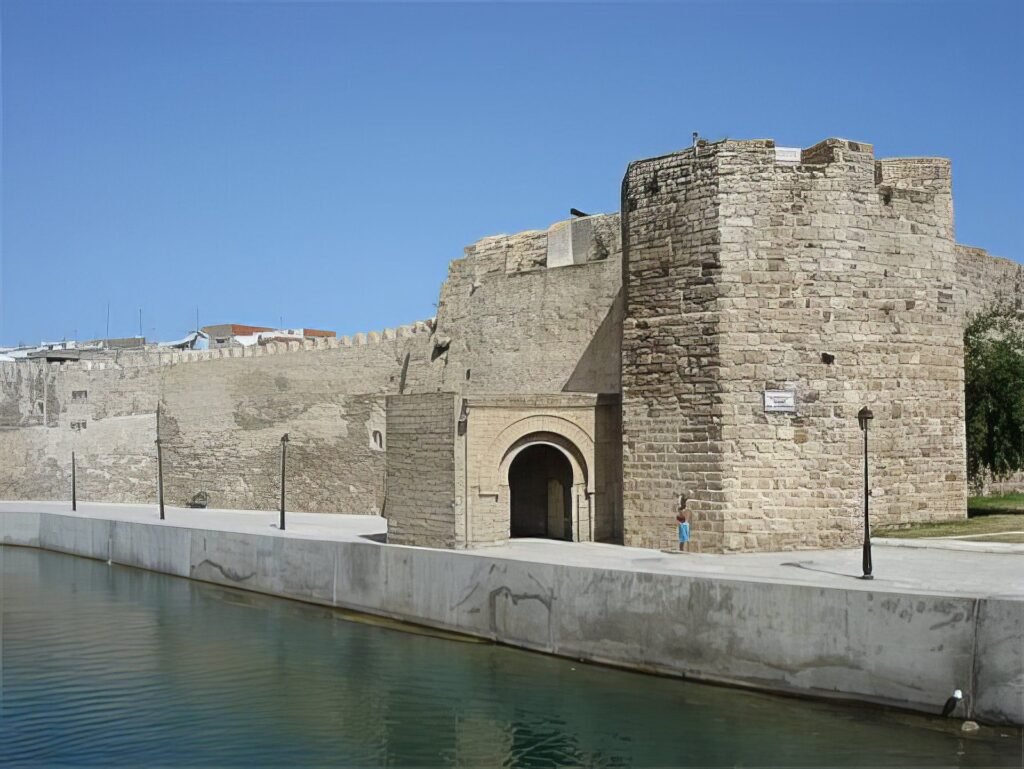
Sidi el Hani Fort (often spelled Sidi Henni) is a picturesque 17th-century fortress located in the historic city of Bizerte in northern Tunisia. It sits on the southern side of the Old Port, directly opposite the massive defensive walls of the Kasbah. Smaller than the neighboring fortress, it is one of the most striking landmarks on the city’s skyline. Key Attractions and Features of the Fort: Oceanographic Museum: Inside the restored fort interior, there is a small but interesting museum dedicated to local marine flora and fauna. Observation Deck: The fort’s top offers one of the most stunning views of the Old Port, traditional, colorful fishing boats, and the neighboring medina and Kasbah. Andalusian Quarter: Just behind the fort lies the charming historic district (Quartier des Andalous), built between the 15th and 17th centuries by Muslim refugees from Andalusia.
Language, accommodation in the region, and seasonal events. The official language is Arabic, but French is also widely spoken in Bizerte. English is widely spoken in tourist areas. The most popular areas for accommodation are La Corniche (close to the beach, luxury hotels) and the Old Town (more budget-friendly options, close to attractions). Accommodation prices start at 50 TND per night for a hostel, 120 TND for a 3-star hotel, and 300 TND for a 5-star hotel. Advance booking is recommended during high season. Seasonal events: Bizerte hosts the Summer Festival, which attracts tourists with concerts, theater, and dance performances. It’s worth checking the event dates before traveling.
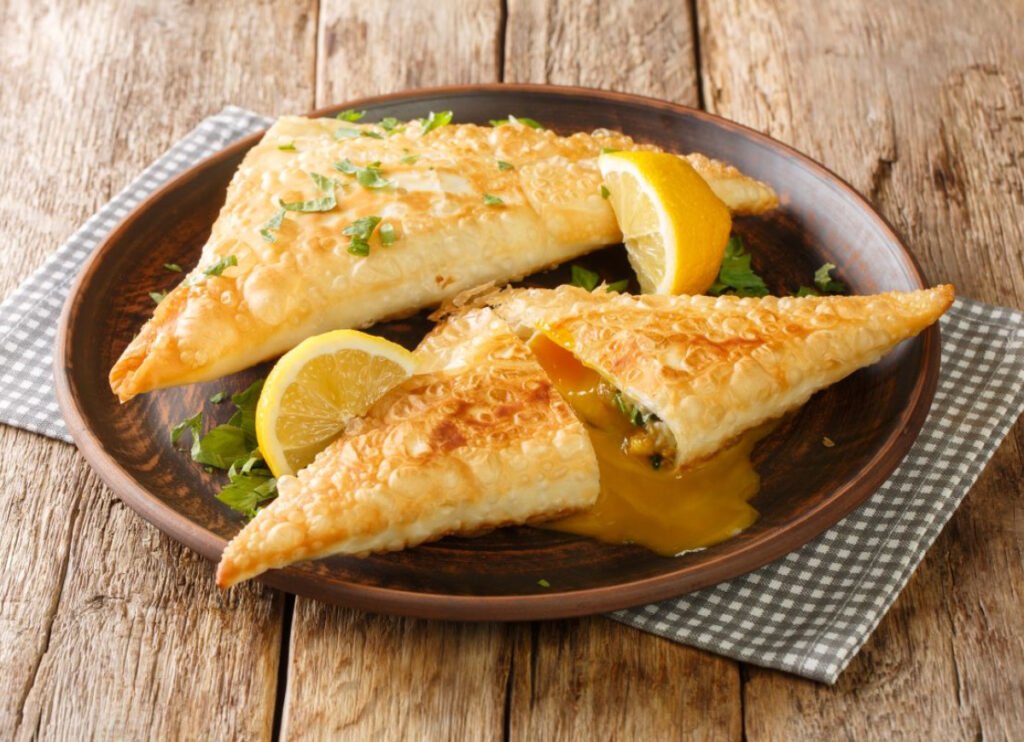
The city’s cuisine. Bizerte offers unique dishes such as:
Brik – a thin pastry stuffed with tuna, egg, and spices.
Ojja – a spicy dish made with eggs, peppers, and Merguez sausages.
Chorba – an aromatic lamb and vegetable soup.
Kafteji – fried vegetables served with egg and spices.
Makroudh – a local dessert made with semolina and dates.
The best place to sample local cuisine is at the Medina market or in the restaurants along the Port of Bizerte. Typical spices include harissa, cumin, and coriander.
The weather in Bizerte is one of the greatest advantages of this Tunisian city, which attracts tourists year-round. During the summer months, from June to August, daytime temperatures can reach 32-33°C, while nights are pleasantly warm, with temperatures around 20-21°C. This is the perfect time to relax on the Mediterranean beaches and enjoy the hotel pools. In spring and autumn, when daytime temperatures range from 20 to 29°C and the number of sunny days reaches 22-24 per month, Bizerte is a great place to explore local attractions, such as the historic medina and fishing port. In winter, although average daytime temperatures drop to 15-16°C and rainfall is more frequent, you can still enjoy the mild climate and a more relaxed pace of life. This is the perfect time to explore the local culture and cuisine.
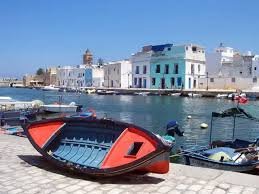
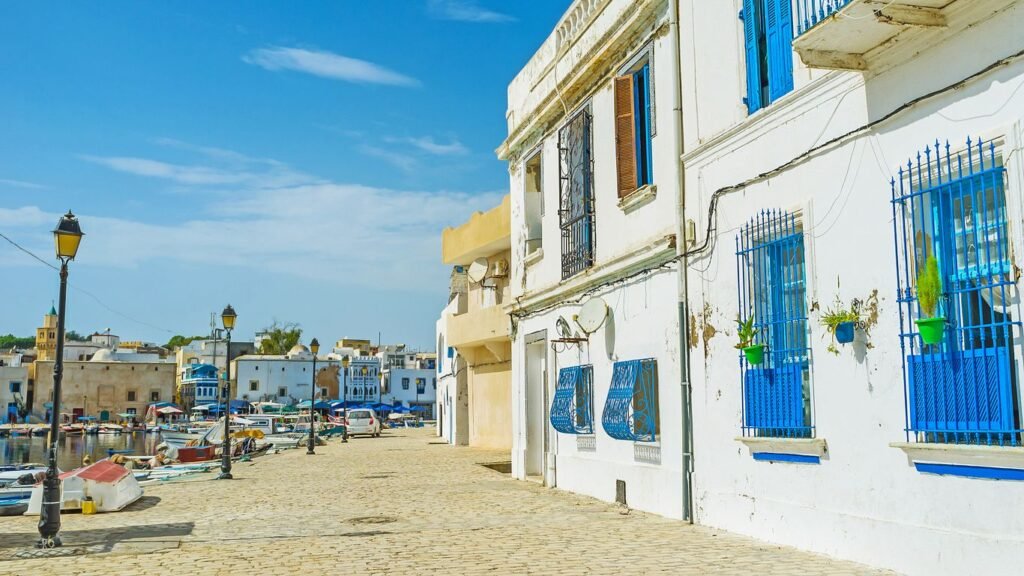
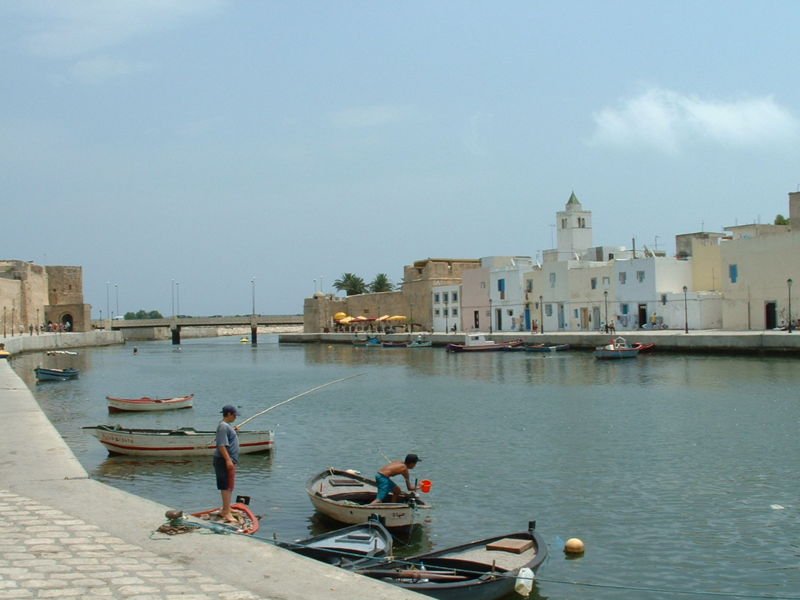
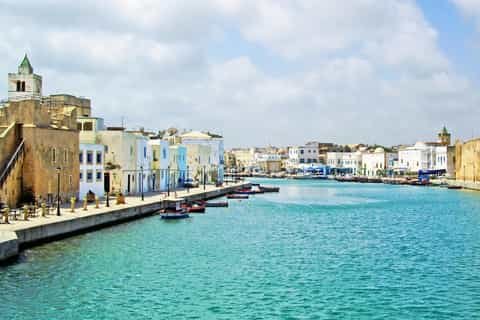
The Old Port of Bizerte is the heart of the historic city and is considered one of the most atmospheric and authentic fishing ports in all of Tunisia. Unlike typical, modern tourist resorts, it has retained its traditional character, where life revolves around the daily work of the fishermen. Key features and attractions of the port: Colorful fishing boats: The inner harbor basin is filled with traditional wooden boats (often painted in vibrant shades of blue, green, and red). Here, you can watch fishermen unravel their nets and unload their daily catch. Architecture with a Southern European flair: The port area, characterized by white and pastel-colored houses with blue shutters, is reminiscent of small Sicilian, Provençal, or Andalusian towns. Massive fortifications: Ancient defensive walls tower over the harbor. The impressive Kasbah (fortress) rises to the north of the harbor entrance, while the smaller Fort Sidi el Hani stands to the south. Cafes and Restaurants: The waterfront is densely dotted with traditional cafes where locals sip mint tea and smoke water pipes. The place comes alive especially in the afternoons and at sunset. What to do there? Visit the fish market: Right next to the port, the local Fish Market sells the freshest seafood. Eat fresh fish: Around the port, there are many modest but excellent fish restaurants serving grilled fish caught that same morning. Visit the Oceanographic Museum: Located within the Sidi el Hani fort, in addition to its modest maritime collection, it offers a terrace with excellent panoramic views of the entire port and canal.
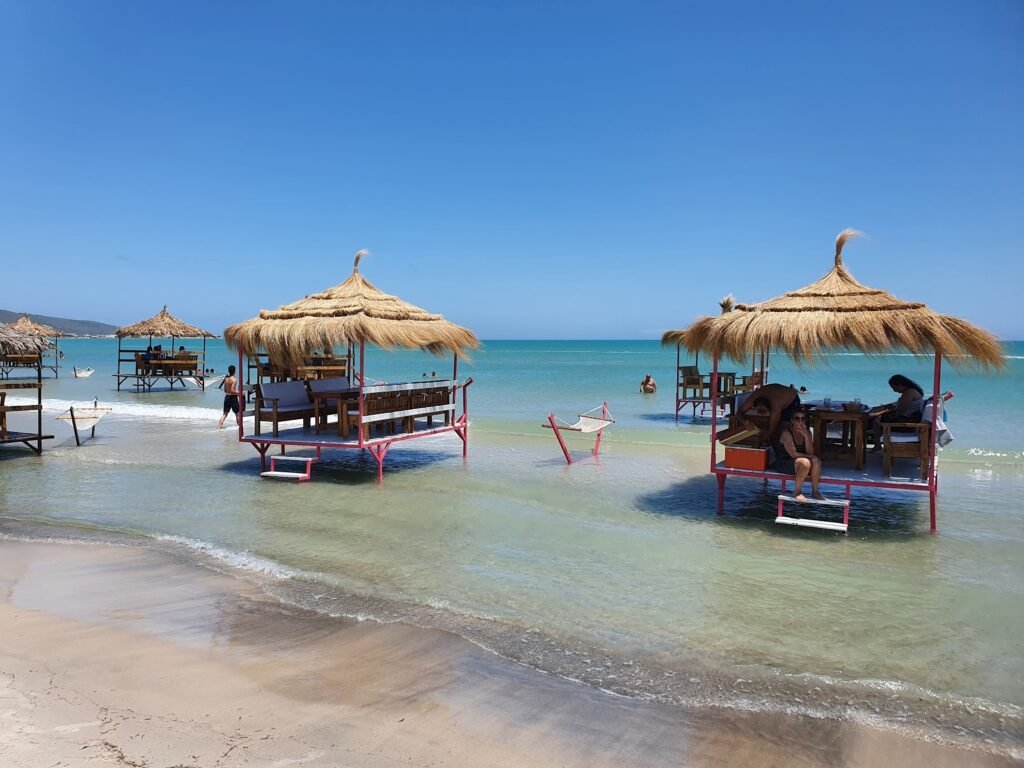
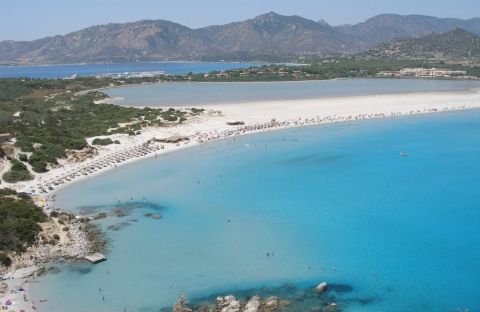
The beaches in the Bizerte region on Tunisia’s northern coast are considered some of the cleanest, wildest, and most picturesque in the country. Unlike the mass resorts in the south, this coast is characterized by fewer crowds, crystal-clear waters, and a unique combination of sandy shores, green hills, and cliffs. Here’s a list of the most popular and beautiful beaches in Bizerte and its immediate surroundings: Municipal beaches and the closest center of Bizerte: Sidi Salem: The largest and most popular municipal beach. It offers a wide stretch of sand and a gentle slope into the sea, making it a popular family destination. La Corniche: This beach stretches along the seafront promenade (corniche). It is close to tourist amenities, hotels, and cafes. Les Grottes (Grottoes Beach): Located a little further north, at the foot of the spectacular white cliffs of Cap Blanc. It is famous for its crystal clear water, rock formations and caves perfect for snorkeling.
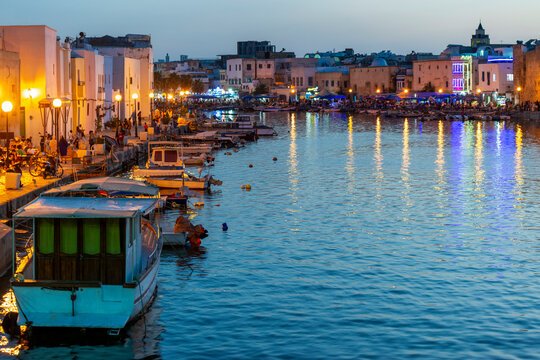
Interesting facts about the city: Bizerte is one of the oldest cities in Tunisia, founded by the Phoenicians. It is renowned for its unique architecture, a blend of Arabic, French, and Spanish influences. The city is also known for being home to Africa’s northernmost point, Cape Blanc.