Papua New Guinea, the independent state of Papua New Guinea after Australia, is the second-largest country in Oceania. It lies in Melanesia, mostly in the eastern part of the island of New Guinea. Papua New Guinea borders Indonesia (820 km), specifically its three provinces: Papua, Papua Mountains, and South Papua. The country has an area of 462,840 km². As of July 2015, Papua New Guinea had a population of 6,672,429. In 2024, the country’s population reached 10,185,363. The official languages are Tok Pisin, English, and Hiri Motu. The capital is Port Moresby. The currency is the kina. Papua New Guinea gained independence on September 16, 1975.
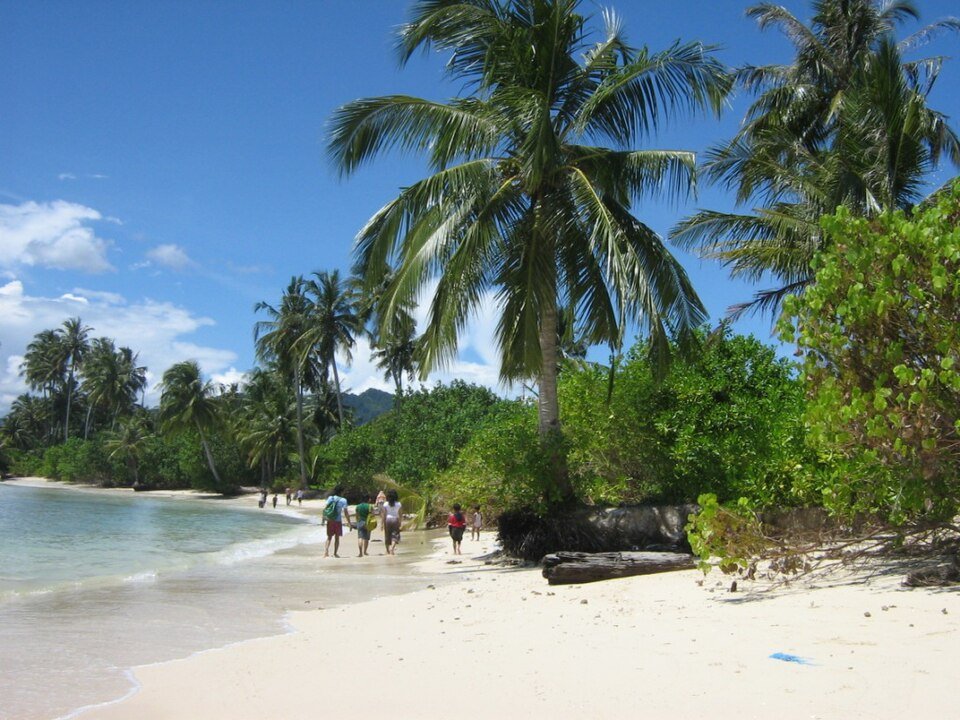
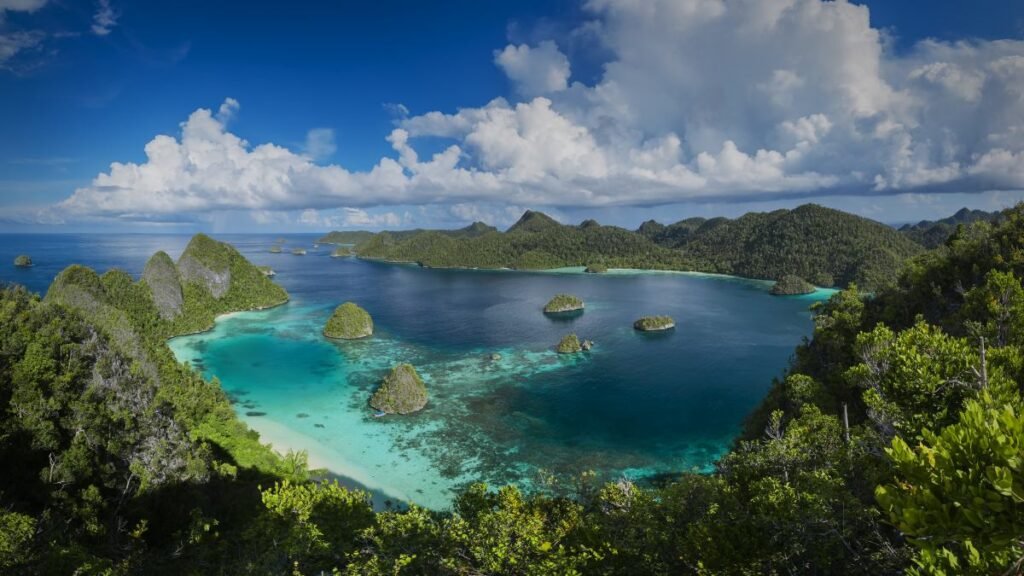
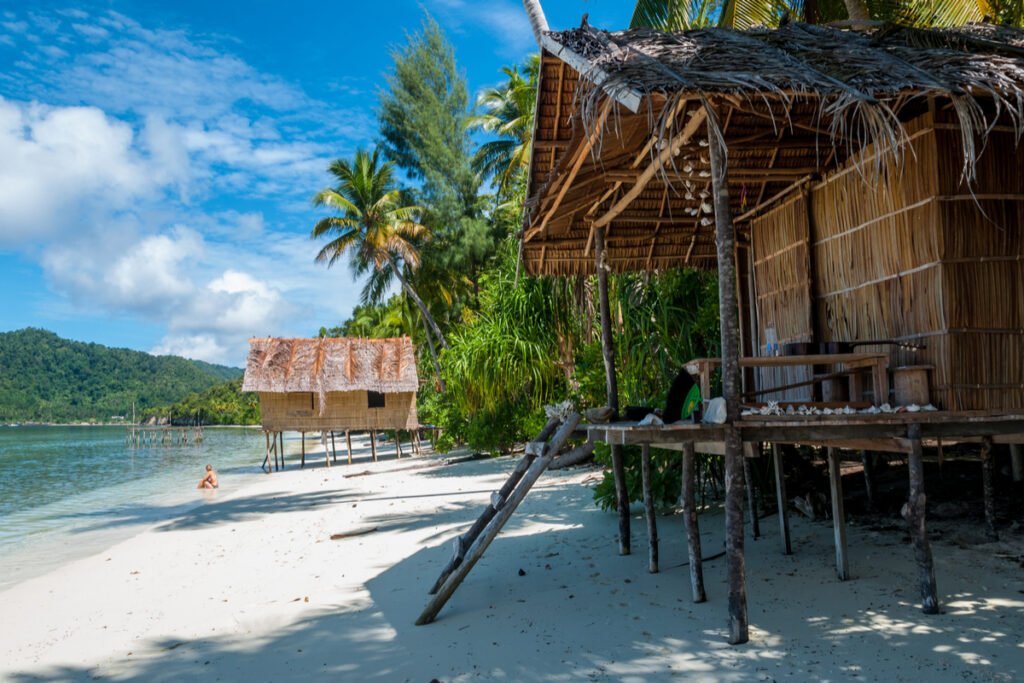
Geography. Papua New Guinea is located in the eastern part of New Guinea and on neighboring archipelagos (primarily the Bismarck Archipelago and the Solomon Islands). The islands’ geography is highly fragmented. The central part of New Guinea, where Papua New Guinea is located, is occupied by the Central Mountains – a mountain range stretching across the entire island. The highest peak is Mount Wilhelm (4,509 m), located in the Bismarck Mountains, one of the Central Mountains ranges. Adjacent to the southwest are a flat, extensive, and in places heavily marshy lowland. The marshes in the lowlands are among the largest in the world. The islands off the northern coast of New Guinea and New Britain lie in a seismic zone. Papua New Guinea has 18 active volcanoes (including those on Long Island, Karkar Island, and Manam Island). Earthquakes are common in Papua New Guinea. The river network in Papua New Guinea is well-developed. The longest rivers are the Sepik, Ramu, Fly, and Purari. Papua New Guinea has a tropical rainforest climate (humid, subtropical in the mountains). The average daily temperature in the lowlands is around 26°C, and in the mountainous areas (2,500–3,000 m) it is less than 10°C. Annual rainfall ranges from 1,500 to 7,500 mm. From December to March, a wetter season occurs, associated with the northwest monsoon. A less humid season occurs from May to October. At an altitude of 2,500–3,000 m, continuous light rain (sometimes with hail) occurs. Papua New Guinea has tropical rainforests, while at an altitude of 1,500–3,000 m, montane rainforests occur. High-altitude scrub and grasslands lie below the upper treeline in New Guinea. Mangroves occur on low seashores and at river mouths. The Fly River basin is a savannah with acacias and eucalyptus. Forest cover is 63%. Coral reefs occur along the coast.
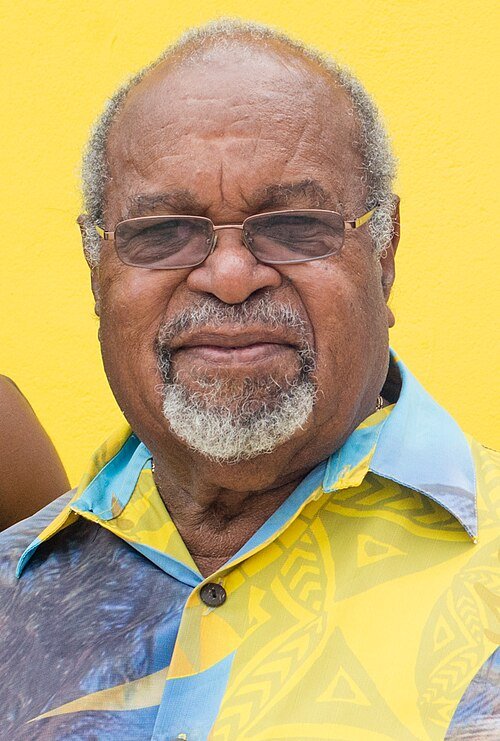
History. Europeans arrived in what is now Papua New Guinea in the 16th century. In 1884, the islands were declared protectorates of Germany (the northern part – German New Guinea) and Great Britain (the southern part – British New Guinea). In 1906, Australia assumed administration of the British part (called the Territory of Papua), and in 1914, after the outbreak of World War I, also of the German part. In 1942, Japan occupied the islands. In September 1945, the Allies expelled the last Japanese troops from the islands. In 1946, the Territory of New Guinea was declared a United Nations Trust Territory, administered by Australia. In 1949, Australia merged both parts into a single federal overseas territory called Papua New Guinea. In 1951, the transfer of internal affairs to local authorities began. A Legislative Council was established, which was replaced in 1964 by a House of Assembly elected by the islanders. In December 1973, Papua New Guinea gained full internal autonomy, and on September 16, 1975, it declared independence, adopted a constitution, and became a member of the United Nations and the British Commonwealth of Nations. Michael Somare, who was also a key instigator of independence, became the first Prime Minister of Papua New Guinea. In 1980, Julius Chan took office as Prime Minister. In the 1980s, conflict with neighboring Indonesia arose due to the massive influx of Papuans from Indonesian New Guinea. In the late 1980s, separatist tendencies emerged on Bougainville Island. Following the imposition of a state of emergency in 1989, civil war broke out on the island. The war resulted in the deaths of approximately 20,000 people, and Papua New Guinea’s economy suffered significant damage (including the closure of the Panguna copper mine). In 1997, Silas Atopare assumed the position of Governor-General. Following a ceasefire in 1998, a transitional administrative body, the Bougainville People’s Congress, was established. In 2001, the Bougainville People’s Congress negotiated with the government to gradually increase the island’s autonomy and hold an independence referendum by 2020. In 2002, Michael Somare was re-elected Prime Minister, and in 2004, Paulias Matane assumed the position of Governor-General.
Political system. Under the 1975 Constitution (amended in 1998), Papua New Guinea is a constitutional parliamentary monarchy. The head of state is the British monarch (currently Charles III), represented by the Governor-General. The Governor is appointed upon the recommendation of Parliament, but the monarch may reject the nomination. Legislative power is vested in the unicameral National Parliament, which is elected for a five-year term. Eighty-nine members are elected by universal suffrage, and 20 by regional elections. Executive power is exercised by the Governor and an Executive Council consisting of the Prime Minister and Cabinet. The Governor appoints a person designated by the National Parliament.
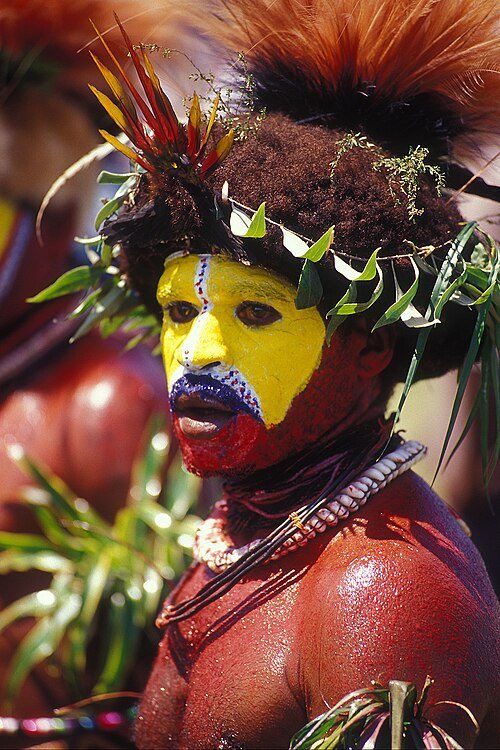
Demographics. Papuans constitute 84% of the total population, and Melanesians 15%. Papua New Guinea is a country characterized by enormous linguistic diversity. Among its nearly seven million inhabitants, 851 languages are recognized. The country’s indigenous languages are divided into two groups: Austronesian and Papuan (non-Austronesian). The highly diversified Papuan languages constitute the majority of languages spoken in the country, while Austronesian languages are concentrated in coastal areas. The population growth rate in 2017 was 2.37%. The population is unevenly distributed. The most densely populated areas are the valleys at an altitude of 1,200–2,000 m in New Guinea and the Gazelle Peninsula. The zones between 700 m and 1,200 m and areas above 2,500 m are uninhabited. In 2017, the average life expectancy was 67.3 years (65.1 for men, 69.7 for women). 64.2% of the population is literate. The main cities are Port Moresby, Lae, Madang, Wewak, Goroka, and Mount Hagen in New Guinea; Rabaul in New Britain; and Arawa on Bougainville Island.
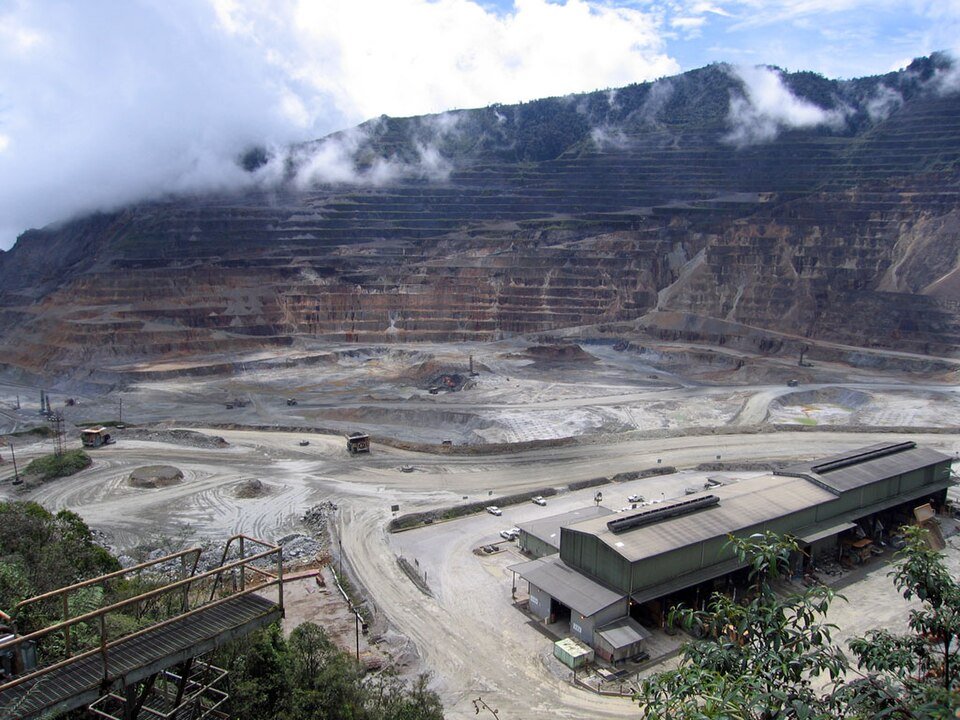
Economy. Papua New Guinea is an agricultural and resource-based country. Economic barriers include low levels of education, a lack of skilled labor and capital, and underdeveloped infrastructure. Economic programs, which include the development of mining, forestry, and hydropower, are financed by foreign aid (primarily from Australia). Gross domestic product per capita in 2016 was $3,700. Industry accounts for 42.8% of GDP, services for 35.7%, and agriculture for 21.5%. Papua New Guinea mines gold (from the Ok Tedi deposit) in the Star Mountains, silver, and copper ore. In 1992, small amounts of crude oil and natural gas were extracted. Oil, sugar, meat, timber, clothing, and paper industries have developed. 85% of the working population works in agriculture. Taro, yams, sweet potatoes, and cassava are cultivated in primitive conditions. Papua New Guinea also boasts coffee, coconut, and oil palm plantations, sugarcane, rubber, tea, and Dalmatian chrysanthemum. Rice cultivation was introduced in 1990. Cattle, pigs, and poultry are raised. Fish (primarily tuna) and shrimp are also caught.
Greenhouse gas emissions. Papua New Guinea’s carbon dioxide equivalent emissions in 1990 were 3.858 Mt, of which 2.307 Mt were carbon dioxide. Per capita emissions were 0.535 t of carbon dioxide, or 225 kg per 1000 USD of GDP. Emissions then increased irregularly, reaching a peak in 2013. The increase in emissions was mainly due to increased emissions from transport, while methane emissions peaked in 2008. In 2018, fossil carbon dioxide emissions were 3.920 Mt, or 0.466 t per capita, or 119 kg per 1000 USD of GDP. The share of methane and carbon dioxide emissions remained similar for most of the period. Nitrous oxide ranks third.
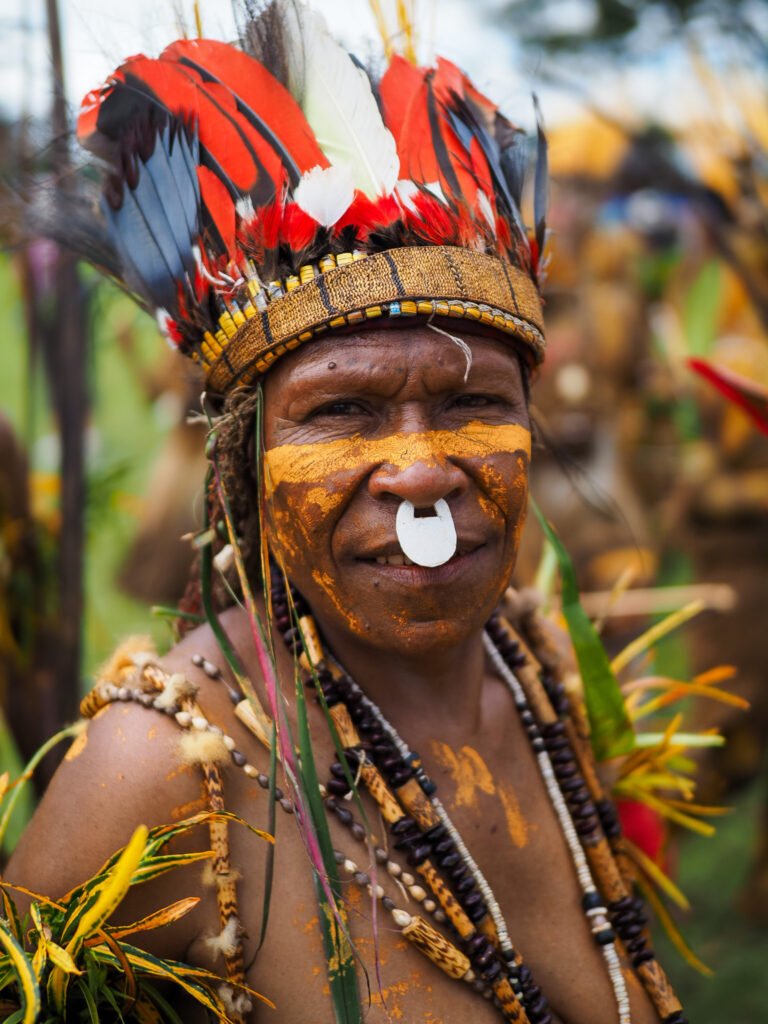
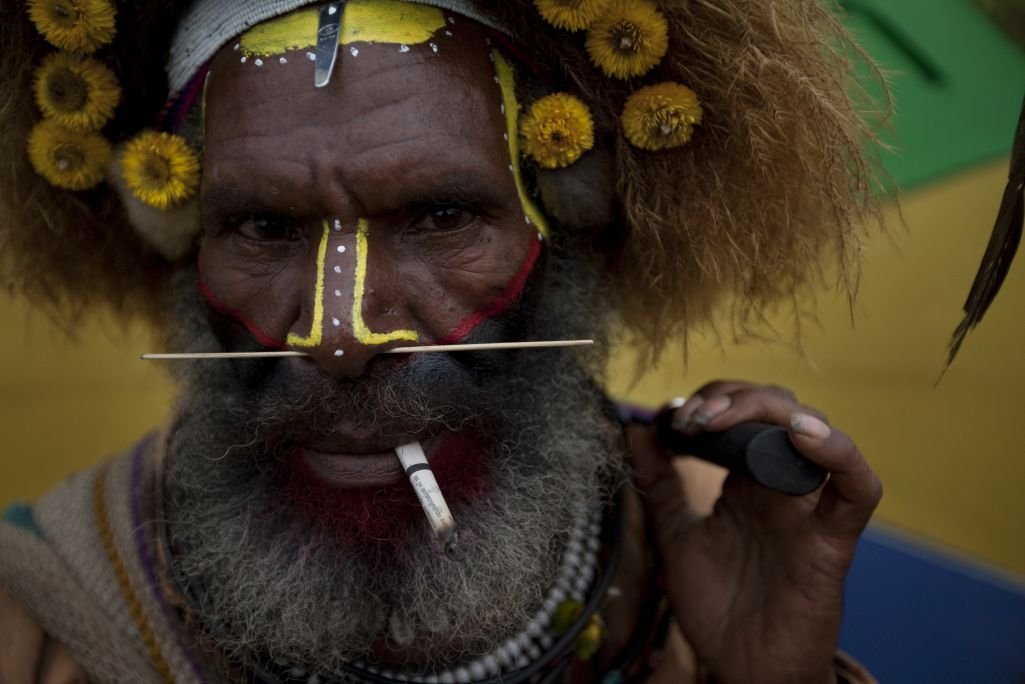
Tribal Culture. Papua New Guinea is one of the most culturally and linguistically diverse places on Earth, home to over 700 ethnic and tribal groups speaking over 850 distinct languages. Due to its rugged terrain—impassable jungles, towering mountain ranges, and scattered islands—many communities have developed for centuries in near-complete isolation, allowing them to preserve unique and fascinating traditions.
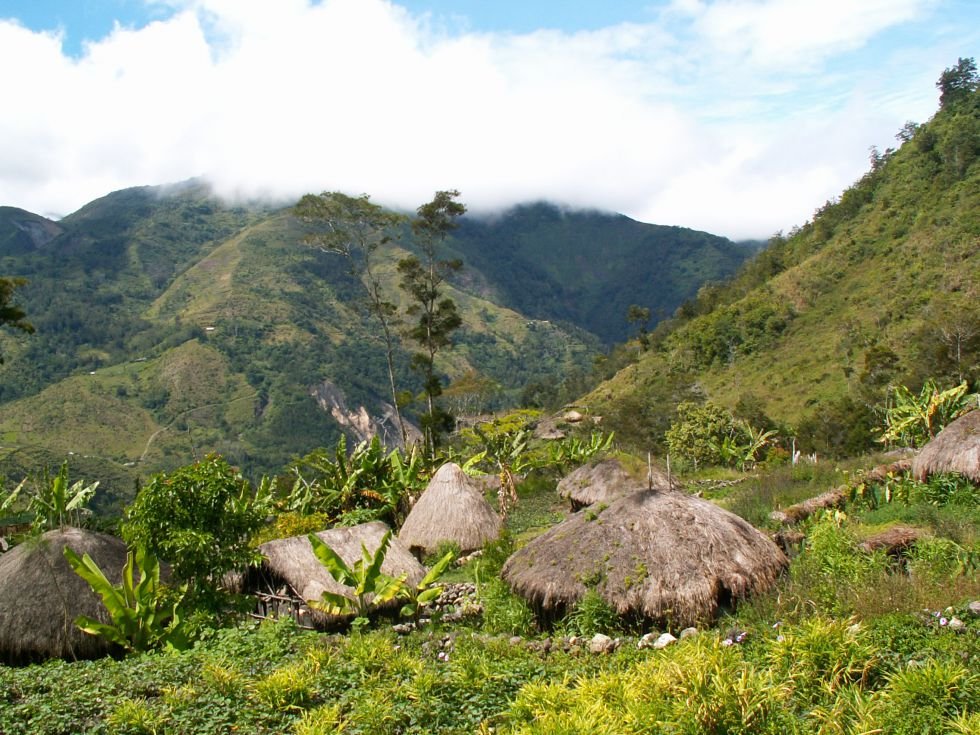
Extraordinary nature. Papua New Guinea is one of the wildest and most biologically fascinating places on Earth, where pristine nature has survived almost untouched. Occupying the eastern part of the world’s second-largest island and neighboring archipelagos, the country is characterized by extreme terrain, dense equatorial forests, and gigantic river systems.
Challenges and safety. Papua New Guinea is considered one of the most dangerous countries in the world, with crime rates second only to Venezuela. Traveling there is extremely risky, and standard precautions often prove insufficient.