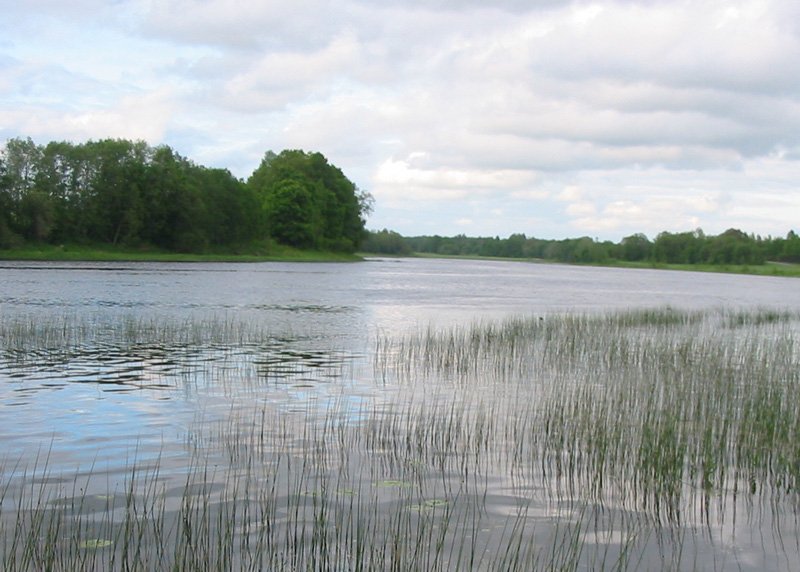
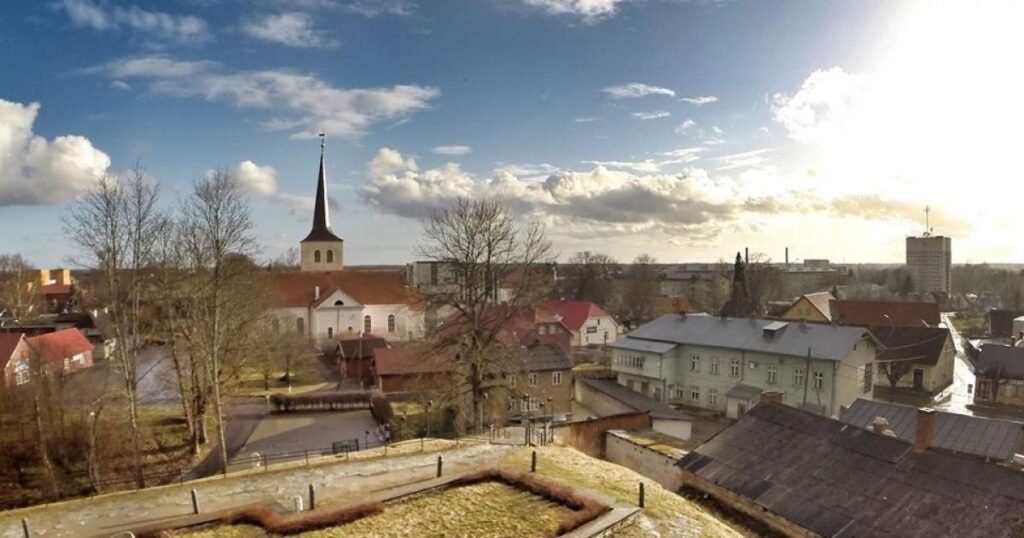
Paide is a city in Estonia, known as the heart of Estonia due to its central location in the country. It is the capital of the Järva region. It has a population (2025) of 10,471. The Pärnu River flows through the city, and the Esna River flows into it within the city limits.
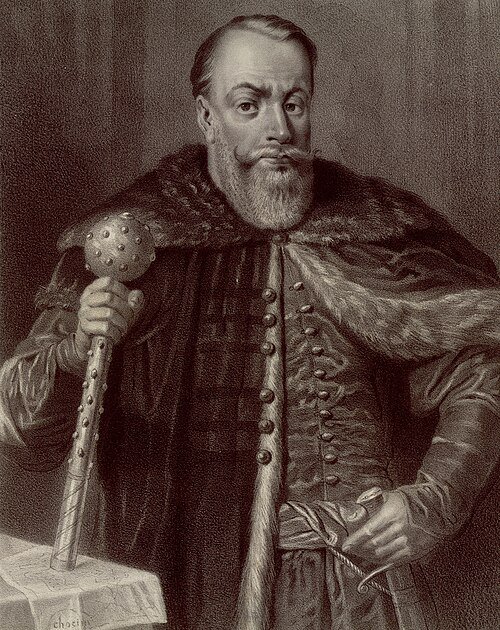
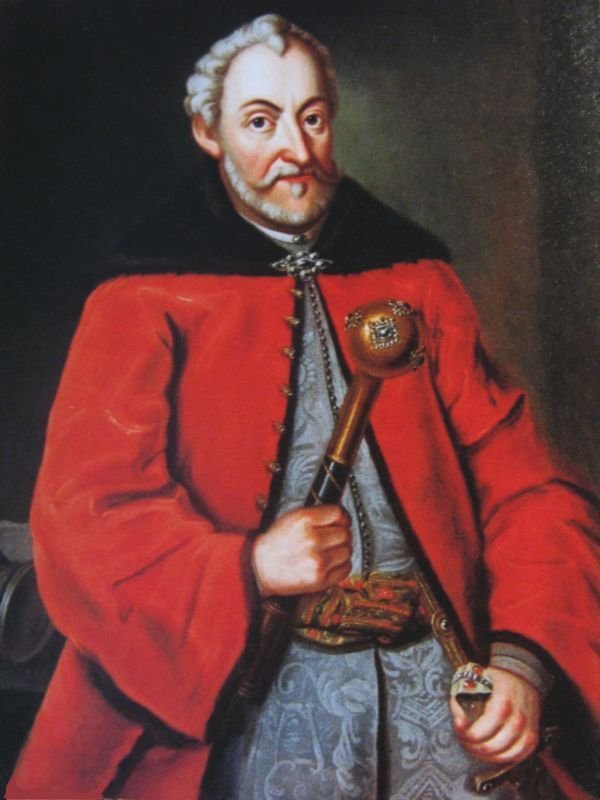
*A bit of history. During the Livonian Wars, Biały Kamień Castle was captured after a siege by Ivan the Terrible in 1573 and recaptured by the Swedes four years later. During the Polish-Swedish War (1600–1611), on September 30, 1602, Biały Kamień Castle was captured by Polish forces under the command of Hetman Jan Zamoyski, who had previously won a decisive victory over the numerically superior Swedish forces on the castle’s outskirts. On September 25, 1604, Polish forces under Jan Karol Chodkiewicz defeated Swedish forces led by Arvid Stålarm and the Spanish mercenary Alonzo Cacho de Canuta at Biały Kamień. The Poles held the castle for six years, until 1608.
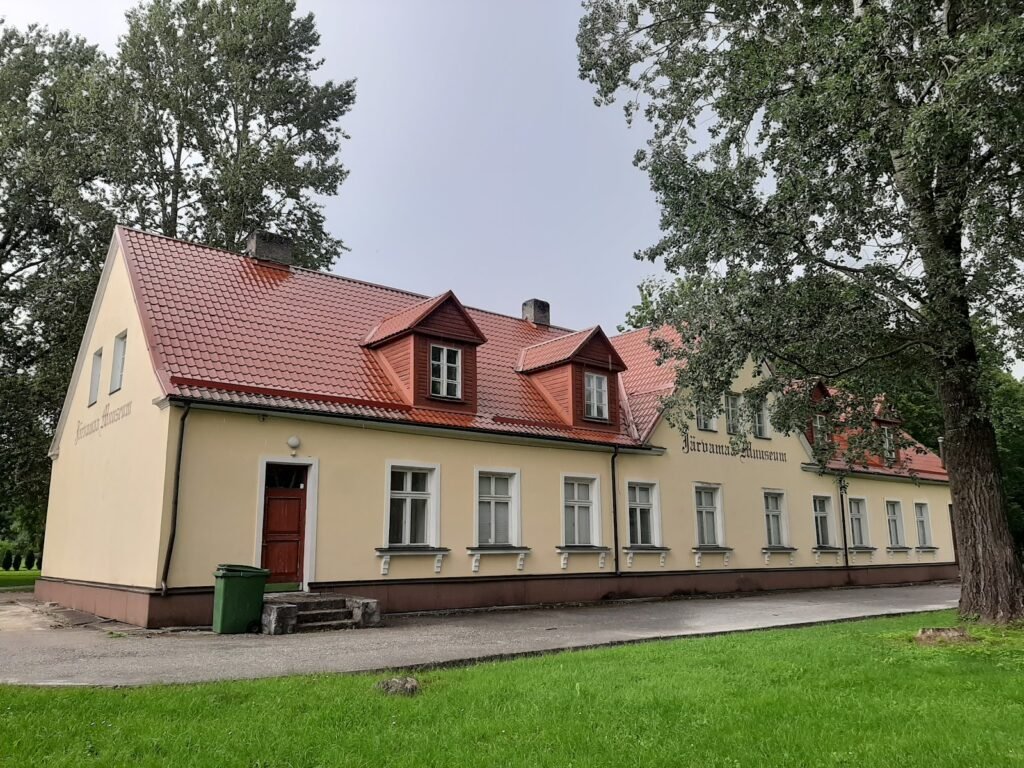
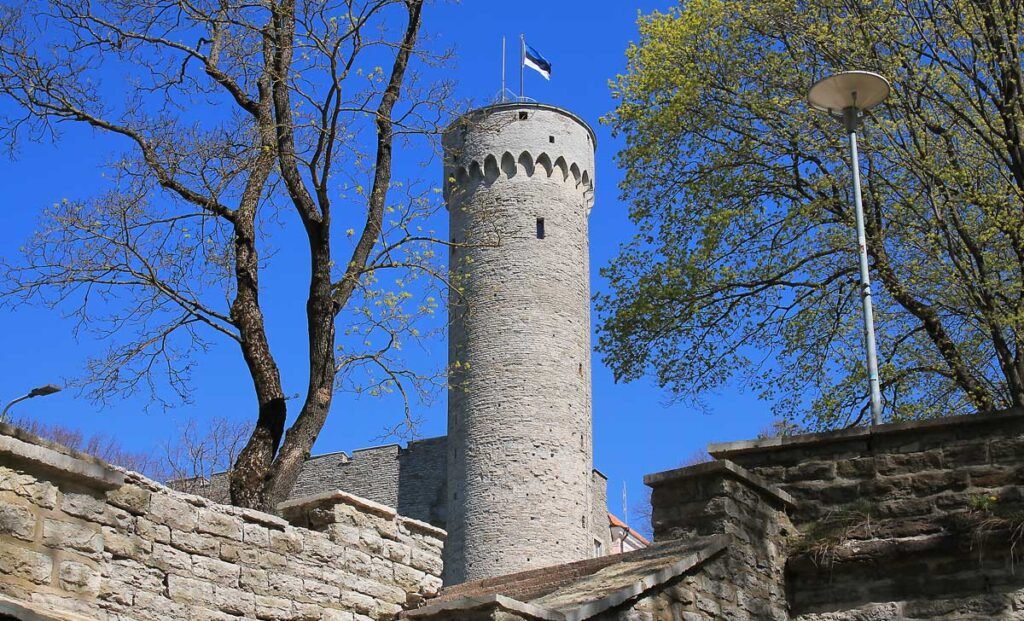
*Paide is a city on the upper reaches of the Pärnu River. Capital of historic Jerva. Seat of the administrative authorities of the Järva region. Population: 8,000. Area: 10.12 km². Due to its central location, both within its region and the country as a whole, the city is called the Heart of Estonia (Eestimaa süda). Important national roads intersect in its immediate vicinity; the Rakvere-Pärnu road runs through Paide from the northeast to the southwest, and is intersected by the Tallinn-Tartu road just below the city (in Mäo). The history of Paide begins at Vallimägi (Wallberg), where, amidst hills, above the Pärnu River and its tributaries, and marshes and peat bogs (Mündi soo, Prääma raba), covered with moss, alder, and dwarf birch trees—a naturally defensible location—an old Estonian stronghold stood. After conquering Estonia, German knights and monks began erecting a brick castle there in 1265. Limestone was used as the building material, hence the fortress’s German name, Weißenstein (White Stone). The settlement that grew around the castle was granted Riga town rights in 1291. During the St. George’s Day Uprising, four Estonian leaders came to Paide for peace negotiations, whereupon they and three of their companions were treacherously murdered (May 4, 1343). The city was the subject of fierce fighting during the Livonian Wars and the armed Polish-Swedish conflict of 1600–1611 (the siege of Biały Kamień, May 31–September 30, 1602; Jan Karol Chodkiewicz’s victory near the city, September 25, 1604). As a result, it suffered such severe damage that in 1636 it was removed from the city register and incorporated into the Mäo estate (Mexhof im Kirchspiel Weißenstein). Restoration of city rights in 1783. Since then, it has been the capital of the Tallinn County and the Estonian County (Jerwen County, Weissenstein County; Järva County, Paide County; Йервенский уезд, Эрвенский уезд, Вейсенштейнский уезд). During the ESSR period, a Soviet military aerodrome (Koigi lennuväli) was located near Paide, 10 km to the east, from 1939. In 1989, the city had 10,800 inhabitants. Today, in addition to its administrative functions, it serves as a cultural and economic center for the surrounding, predominantly agricultural maakond. The main reminder of the past is, of course, the remains of the medieval castle. Expanded and modernized according to the needs of subsequent eras until the mid-16th century, it was repeatedly besieged by Russian, Swedish, and Polish forces in the 16th and 17th centuries. It frequently changed hands (it was under Polish rule from 1602 to 1608). After the turmoil of war, it fell into ruin. Conservation work was carried out in 1895–1897. The core of the castle complex is a 30-meter-high octagonal keep known as Vallitorn or Pikk Hermann (Long Hermann). During World War II, the tower was blown up by retreating Soviet troops in 1941. Restored from 1990–1993, it now serves, among other purposes, as a museum; It is also a symbol of the city and appears on its coat of arms. The white-stone Old Town, spread out at the foot of Castle Hill, around Keskväljak and along the Tallinna tänav, Pärnu tänav, and Pikk tänav streets, contains several noteworthy Classicist buildings. The Church of the Holy Cross (EELK Paide Püha Risti kogudus), originally from the 16th century, existed in its current form from 1847–1858. One of the exhibitions at the Järvamaa Museum, open since 1905, depicts the interior of an 18th-century pharmacy. Lembitu Park, where the museum building stands, was established in 1936–1937 and has had its present appearance since the 1980s. The southern border of the city is marked by Pärnu jõgi.
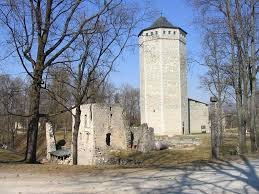
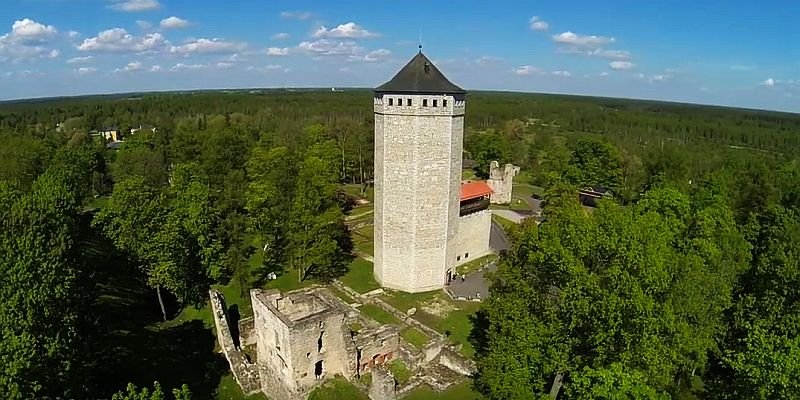
*One of its most interesting monuments is the picturesque ruins of a medieval castle located in the heart of the city. This stronghold was likely built in the mid-13th century, founded by Master Konrad von Mandern, a member of the Livonian branch of the Teutonic Order. Some time later, a small settlement formed around the fortress, which was granted town rights in 1291 by Master Holt I von Hahenbach. In 1602, during the Polish-Swedish War, the castle and town were captured by Polish forces under the command of Hetman Jan Zamoyski. The Poles occupied the fortress for nearly six years (until 1608). During World War II, in 1941, the stronghold was blown up by retreating Soviet troops. After the war, in 1993 (on the 650th anniversary of the outbreak of the Estonian Uprising), the distinctive octagonal tower (Pikk Hermann) was reconstructed and opened to the public. At its peak, there is an observation deck offering a beautiful panorama of the entire city. The tower is surrounded by the remains of a medieval castle, which serve as a setting for an outdoor sculpture gallery.
*Pärnu (Est. Pärnu jõgi) is a river in Estonia that flows into the Bay of Pärnu (part of the Gulf of Riga). It is one of Estonia’s longest rivers (144.5 km long). Its tributaries include the Reiu, Reopalu, Lintsi, Mädara, Käru, Vändra, Sauga, Esna, Prandi, Aruküla, Navesti, and Kurina. The city of the same name lies on the river. The river’s mouth, along with the surrounding unique coastal meadows, was incorporated into the Pärnu rannaniidu Nature Reserve, established in 1958.