
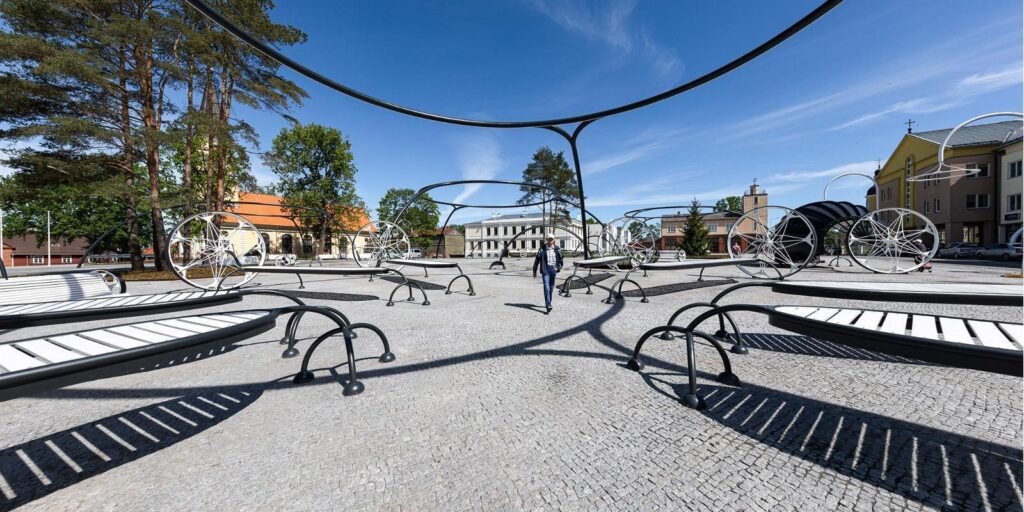
Võru is a city in southeastern Estonia and the capital of Võru Province. The Võro people speak the Võro language. Located in southeastern Estonia, the Võru region offers numerous cultural and natural attractions, the language, traditions, and flavors of the borderland, and a landscape of lakes, picturesque hills, and forests.
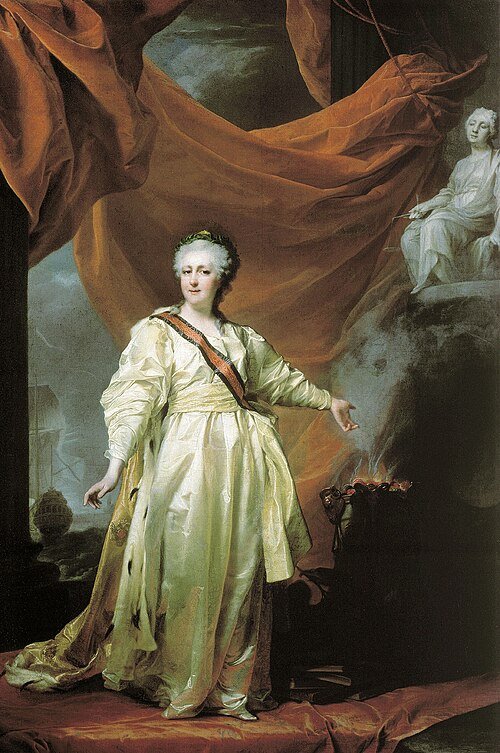
*A bit of history. The first mention of the settlement of Kirumpia, which was built to protect the eastern border of the Dorpat bishopric, dates back to 1322. A large settlement of Kirumpia merchants and craftsmen was located around the stone settlement. The modern town of Võru is located one kilometer south of the ruins of the Kirumpia settlement, which was ultimately destroyed during the Muscovite-Swedish War of 1656. The founding date of Võru is considered to be August 21, 1784, when the Governor-General of Riga signed a decree establishing the new city and establishing its name. On March 19, 1785, Governor-General George Browne approved the first plan of Võru. On October 4, 1788, Catherine II approved the coat of arms of Võru.[2] The first mayor was Friedrich Ambrosius Schroeder. In 1796, Võru temporarily lost its status as a district town, but in 1797, the old administrative system was restored. In the 19th century and the first decades of the 20th, the town’s economic life flourished. By 1926, the town had 31 industrial enterprises, 79 art workshops, 5 banks, 4 guesthouses and restaurants, 3 saunas, and 148 commercial enterprises. During the Soviet period, several large companies were established: a furniture factory, a dairy, a shoe factory, and a gas analyzer factory. The population reached 17,500 people (1989). Large housing estates were built in the southern and eastern parts of the town, resulting in the expansion of the urban area.
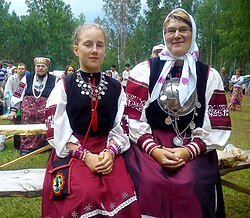
*The cultural diversity of the Võru region is most easily heard – not only Estonian is spoken here, but also Võro Kiil. This language, spoken by approximately 70,000 inhabitants of the region, is cultivated by the Võro Institute, taught in 26 schools, and has the status of a regional language. Closely related to Võro Kiil is Seto Kiil, the language of the Setu ethnic group, who inhabit municipalities along the border with Russia. Both languages are found on place-name signs, in public places, and in the hearing of local residents speaking these languages. The Setu people, who inhabit the Setu region (Setumaa), which borders the Võru region, are Finno-Ugric peoples and closely related to Estonians. What can be seen in this minority’s language – the interweaving of Russian influences – is also reflected in their culture. The Setu belong to the Orthodox Church, which is one of the few exceptions among the Estonian population. To learn more about Setu culture, visit the museum in Obinitsa, which will present the history, daily life, holidays, and traditions of the local population. Estonian and regional languages are not the only ones spoken by the region’s inhabitants. From the 17th century, Old Believers settled on the western shores of Lakes Peipsi, Teplice, and Pskov, but were persecuted after the reform of the faith in Russia. Along the shores of these lakes, they settled, built houses, farmed, and—most importantly for them at the time—were able to preserve their traditional faith. To this day, they form a close-knit and hermetic community. Old Believers speak Russian, pray at molennas, and are known for growing onions. Because of this latter activity, they are sometimes referred to as “onion Russians.” At the restaurant in Kolkja, you can try local specialties—all with onions, many with local fish. In the same town and in the town of Mustvee, located further north, you can visit museums dedicated to this minority.
*A trip to the Estonian mountains. Another attraction of the Võru region worth exploring is its natural beauty. Estonia boasts a nearly four-thousand-kilometer-long coastline and nearly fifteen hundred islands and islets. The southeastern part of the country is the furthest from the Baltic Sea, so the range of attractions awaiting tourists is completely different than in western or northern Estonia. The region somewhat resembles the Polish Suwałki Region, with its equally undulating landscape. The highest peak in Estonia and all three Baltic countries is located here – Suur Munamägi (“Great Egg Mountain”), reaching 318 meters above sea level. A 29-meter observation tower is located on its summit, offering a view with a radius of 50 kilometers, encompassing Latvia and Russia. Suur Munamägi is one of the hills of the Haanja Highlands, which, along with the Otepää Highlands located several dozen kilometers to the north, is the most important winter resort in the country. Although the hills are 200-300 meters high, winter offers skiing and snowboarding. Otepää even boasts a ski jump. The entire region is ideal for cross-country skiing, a favorite among Estonians. In summer, the region becomes a paradise for those who enjoy relaxing in nature, away from crowds, loud music, and the roar of engines. In Võrumaa, you can lazily spend time by the lake or kayak down one of the picturesque rivers. One of the greatest attractions in Estonia is the Ahja River Valley, which forms the Taevaskoja region, which translates to “heavenly home.” As the river meanders and cuts through the hills, it creates high cliffs that create picturesque landscapes painted with colorful layers of earth. Not far from here flows the Piusa River, which, from its source in the Haanja Upland, flows 109 kilometers and descends 214 meters before flowing into Lake Pskov in Russia. Like Ahja, the Piusa River forms high, picturesque slopes. Near the river are also caves that were created during the interwar period as quartz sand mines. Today, they are a labyrinth of passages and home to a colony of bats.

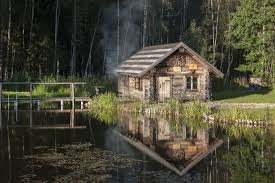
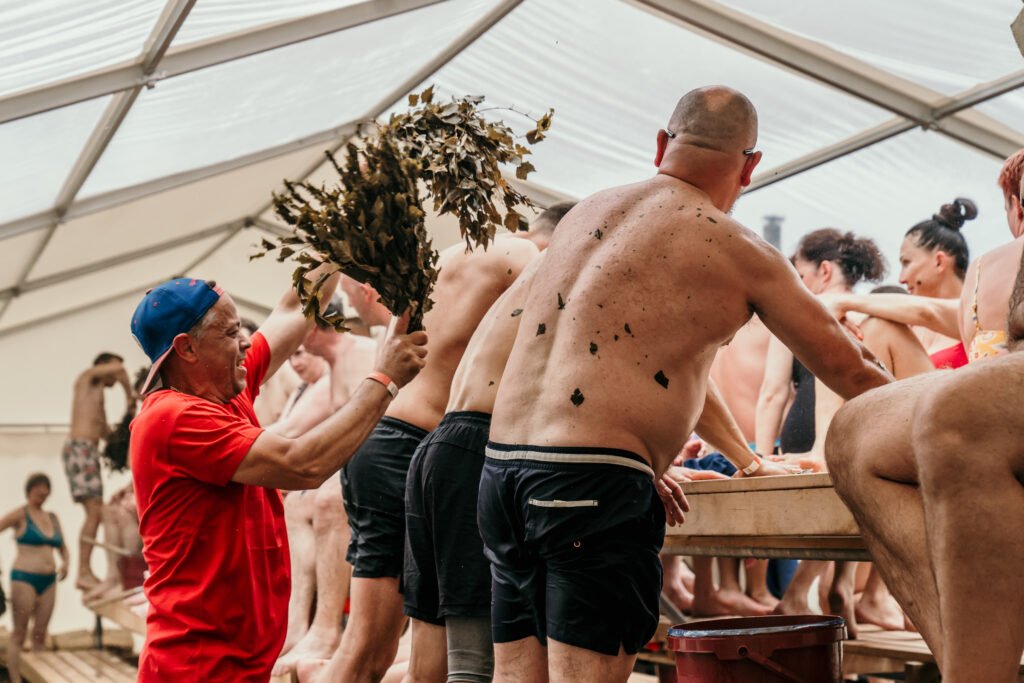
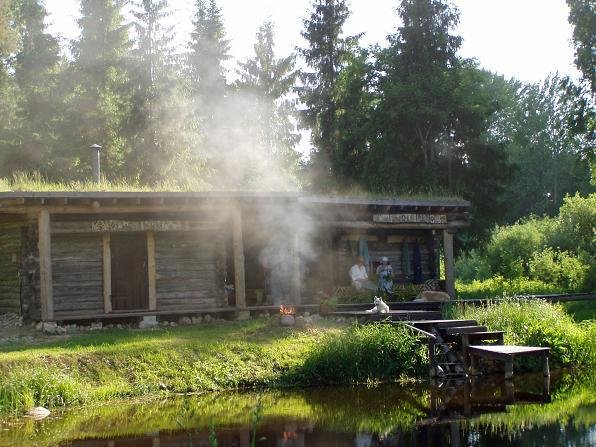
*Smoke sauna. After a day of exploring nature and experiencing the local culture, it’s worth relaxing. A great idea is to stay in a cottage or agritourism accommodation. These usually have access to a sauna, often a traditional smoke sauna, which originates from the Võru region. Although at first glance, sitting in a room heated to up to 100 degrees Celsius and getting a “massage” with birch twigs might not seem pleasant, it’s worth trying to change your mind. Sauna bathing combines pleasure with business. On the one hand, it’s a perfect place for an evening with friends, and on the other, such a treatment has positive health benefits. After spending a few minutes in the sauna, cool down by jumping into a nearby stream or lake, or if you’re using a sauna in winter, into an ice hole or in the snow.
*Võro (Võro Kiil), also known as Võru or Võro-Seto, is a Finno-Ugric language of the Baltic-Finnic subgroup (Uralic family), spoken by the Võro people living in southeastern Estonia and in the border regions of Latvia and Russia (around Lake Peipsi). According to 2013 data, it is spoken by 87,000 people. It is clearly endangered due to pressure from the majority languages. Three dialects are distinguished: Eastern, Western, and Seto. The Seto dialect is close to Eastern Võro, but many of its speakers have a distinct linguistic identity. Long considered a dialect of Estonian, after the collapse of the USSR it was recognized by local authorities as a separate language. It has the status of a regional language in Tartu Province (Polish: Dorpat) and is taught in 26 schools. The newspaper “Uma Leht” is published there twice a month. Despite this, it is gradually disappearing. A translation of the Bible into Võro was made in 1686.

