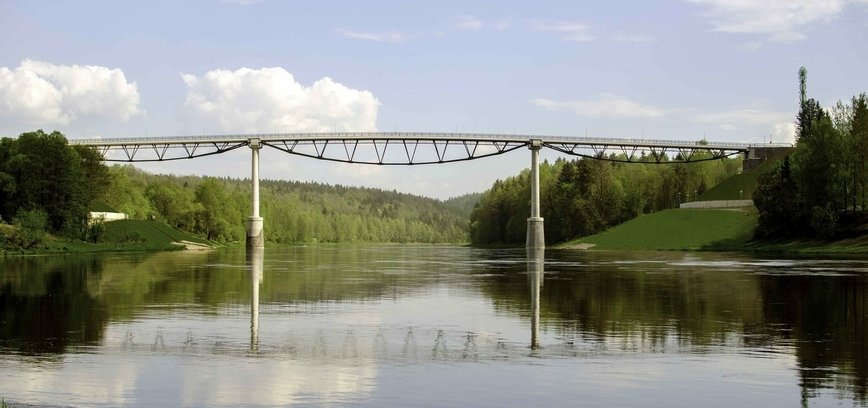
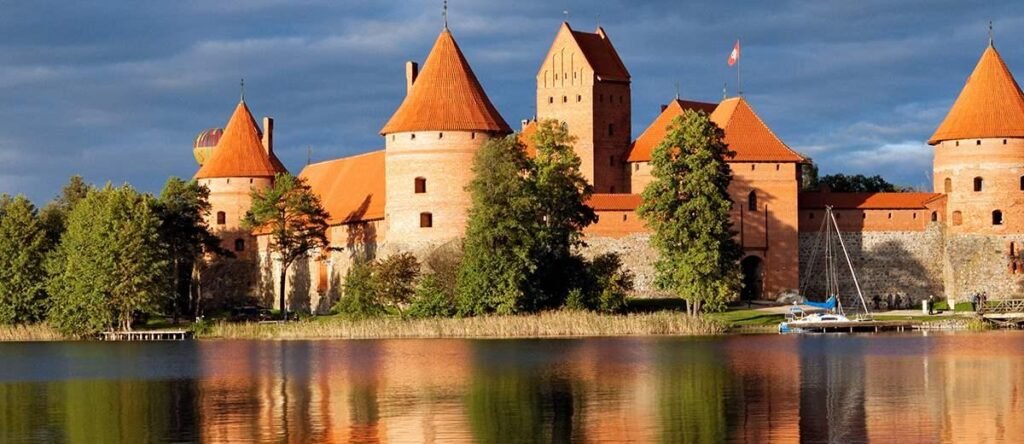
Alytus is the sixth-largest city in Lithuania (70,000 inhabitants in 2005), located on the Neman River, and the seat of Alytus County. The seat of the Alytus Municipal District.
*A bit of history. The city’s origins date back to the 14th century, when a fortified castle belonging to the Teutonic Knights was built in the area of present-day Alytus. According to the Treaty of Mielno, the city itself also sided with the Teutonic Order, bearing the name Aliten in Teutonic chronicles. It received city rights based on Magdeburg Law from Stephen Báthory in June 1581. In the following centuries, Alytus was divided into two parts between Prussia and Russia. The entire city passed to the latter after the defeat of Napoleon’s forces, although this was only a formal takeover, as the administration was unified many years later. In 1870, Alytus lost its city rights, regaining them some time later. The 19th century saw the city transformed into a fortress, with numerous fortifications, barracks, military roads, and a garrison church constructed. For several years, the city was administered by the Germans, then again by the Lithuanians. During the war, a camp for Polish soldiers was located there.
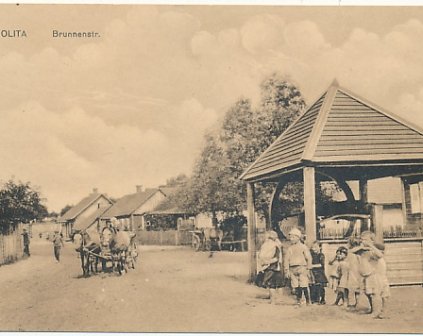
*Sports. Alytus Arena. The city is home to the Alytus Sportas Arena. Bodybuilder Robert Burneika and WWE diva Živilė Raudonienė (Aksana) were born here.

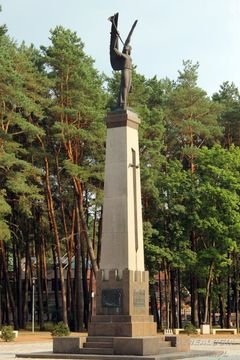
*Historical monuments in the city are primarily related to the events of World War II. In the surrounding forest, an obelisk commemorates the grim events, erected on the site of mass graves of war victims. As many as 60,000 Jews lie buried here, as a monument of pain in the form of a broken Star of David commemorates. Besides this sad and nostalgic place, Alytus delights with its green spaces. Of particular note is the meticulously maintained Old Town Park with its monumental Freedom Monument. Alytus also boasts a vast forest park with swimming areas and walking paths along the banks of the Neman River. In the city itself, you can also visit several interesting religious buildings and the Museum of Local History dating back to the early 20th century.
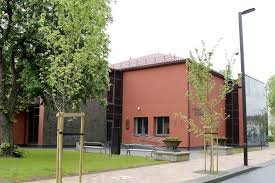
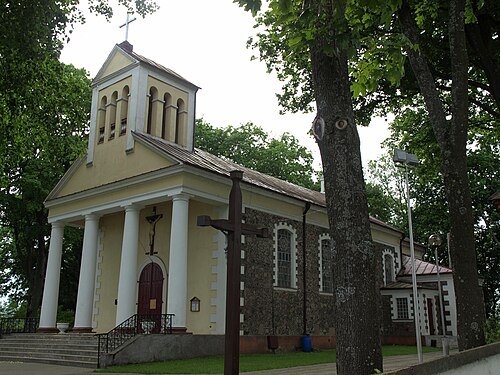
*Churches. Alytus was a city that was subject to divisions and various cultural and religious influences, hence the large number and variety of churches in this small town. The most interesting building in Alytus is the Church of the Holy Guardian Angel, a small, wooden church painted yellow, with a beautiful interior wall painting and Baroque furnishings. The church is enriched by a bell tower. Around the church stretches an old cemetery with graves of Polish uhlans dating back to before World War I. The most valuable building in Alytus is the Church of St. Louis. Situated on a high escarpment above the Neman River, it dates from the mid-16th century. Inside the church, you can see paintings, sculptures, and furnishings from the 18th and 19th centuries, and the bell tower houses a bell from 1669. A simple, unplastered brick building also stands on the Neman River: the city’s neo-Gothic synagogue from the early 20th century. Alytus also has a 16th-century Jewish cemetery.
*The city’s surroundings. Alytus encompasses not only the city itself but also the entire Alytus County, exceptionally rich in pristine and beautiful nature. Within Alytus County are the Dzūkija National Park, the Metely Regional Park, and the Niemen Loops Regional Park, each boasting unique natural beauty and landscapes. The reserve in Zhuvintas is home to a diverse array of birds. Many villages in the Dzūkija National Park still practice traditional crafts. The castle hills in Mierkinia, Liszków, and Punia offer magnificent views of the surrounding area. Another distinctive feature of the area is its people, known as the Džukija people – vocalists and gifted in polyphonic songs.
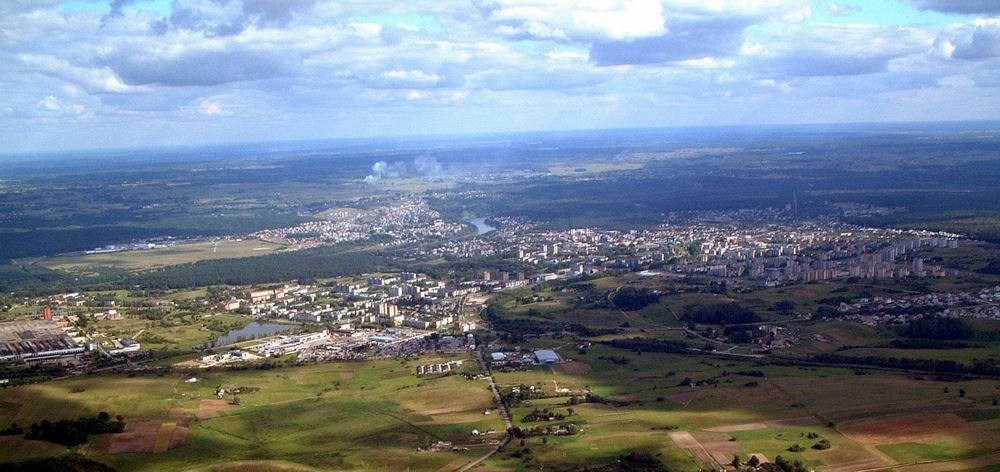
*The Rose City. Nestled among picturesque forests and charming hills, the city is encircled by a 16-kilometer loop of the Nemunas River, dividing it into two parts. It was first mentioned in 1377 in the Teutonic chronicle of Wigand of Marburg. The name Alytus is believed to derive from the name of the Alytupis River, which flowed at the foot of the castle hill. Over 200 years later, on June 15, 1581, King Stephen Báthory granted Alytus city rights and a coat of arms – a white rose on a red background. To honor this beautiful flower, the City Garden, famous for its roses, was established in the city center in 1931. A fountain symbolizing the sun was placed in the center of the garden, and all the paths leading to it are rays of sunlight. Alytus is also one of the greenest cities in Lithuania. Over 30% of its area is covered by parks, squares, and flowerbeds. The Vidzgiris botanical reserve stretches across the city – a unique corner of nature with a variety of flora and fauna.