Mažeikiai is a city in northern Lithuania, bordering Latvia, situated on the Ventspils River. It has a population of approximately 45,300 (the eighth-largest city in Lithuania). The Mažeikiai district is part of the Telšiai County.
*A bit of history. The town was first mentioned in written sources in 1335. A chronicler of the Livonian branch of the Teutonic Order described the Order’s campaign, during which the lands of Prince Mažeika were plundered. The town began to develop rapidly in 1871, when a section of the Libau-Romnia Railway connecting Vilnius with the Latvian port of Liepāja was built through it. By 1893, Mažeikiai already had 13 shops and five beer halls. In 1894, an Orthodox church was built, a Catholic church in 1902, and an Evangelical Lutheran church in 1906. During the Nazi occupation, on July 26, 1941, the Germans established a ghetto for the Jewish inhabitants. Approximately 6,000 people were held there (including Jews from Okmiany, Siady, Wieksznia, Tyrkszla, Żydyki, Pikiel, Klikola, Lacków, Łajżewo, and Wegier). On August 9, 1941, the Germans liquidated the ghetto, and the Jews were murdered in the Jewish cemetery. The perpetrators were soldiers from Einsatzkommando 2 and the Lithuanian security services.
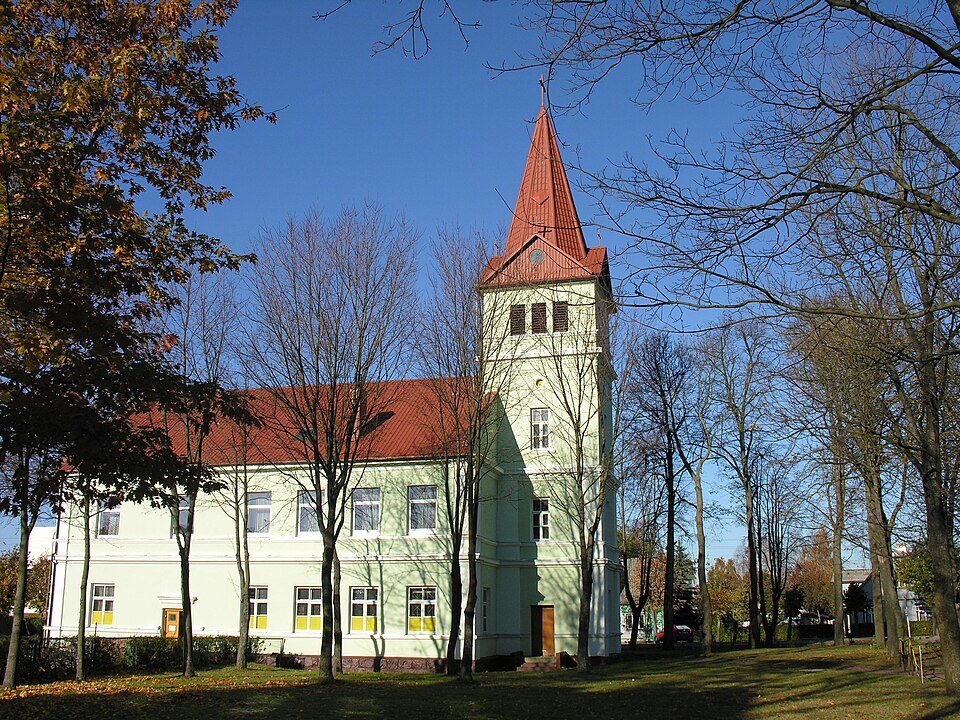
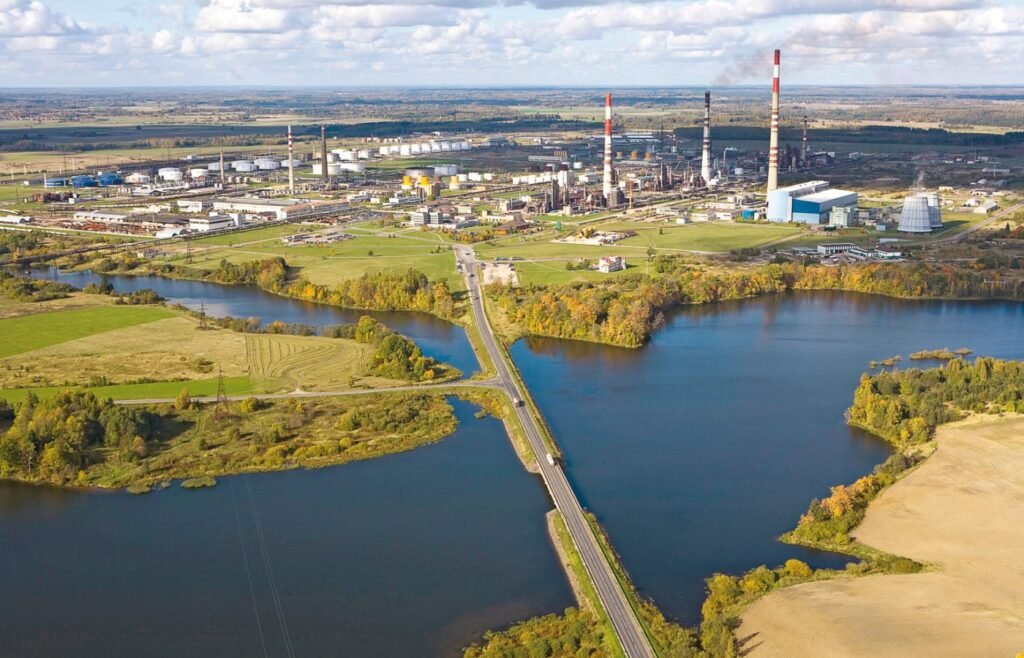
*Economy. Orlen Lietuva Refinery. In Poland, Mažeikiai is primarily known for the highly publicized purchase of the refinery by PKN Orlen between 2006 and 2008. The Mažeikiai refinery was intended to be a unique opportunity, generating enormous profits in a short time, and also serve as a way for the Polish company to expand its international operations and strengthen its brand in the region. From the beginning of 2007, PKN Orlen began recording significant financial losses, partly due to pipeline failures and the need to deliver crude oil by sea. Costs began to significantly exceed the profits the Polish company earned from the refinery. Until 2009, the refinery was called Mažeikių Nafta, but later changed its name to Orlen Lietuva. Mažeikiai rarely appears in the media in any context other than the one described above. Nevertheless, it is a town that deserves the attention of foreigners, at least as one of the stops on a Baltic itinerary.
Due to the bankruptcy of the Russian company Yukos, several potential buyers from Russia, Kazakhstan, and Poland expressed interest in purchasing the Mažeikiai oil refinery. After several months of negotiations, the offer from the Polish company PKN Orlen proved to be the most attractive and met all Lithuanian national security requirements. On June 9, 2006, Lithuanian Minister of Economy Kęstutis Daukšys and Deputy Minister of Economy Nerijus Eidukevičius signed the sale documents. The investment was finalized on December 15, 2006. PKN Orlen S.A. paid a total of USD 2.34 billion for a controlling stake of 84.36% of Mažeikių Nafta shares (30.66% of the total shares were purchased from the Lithuanian state treasury and 53.7% from the Russian company Yukos). It then purchased additional shares from minority shareholders, holding a 90.02% stake in Mažeikių Nafta. On April 29, PKN Orlen SA purchased a 9.98% stake in the refinery from the Lithuanian government. It currently owns 100% of Mažeikių Nafta’s shares.
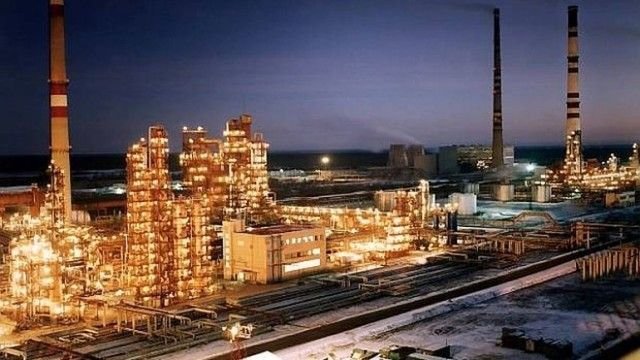
*Mažeikiai boasts several museums dedicated to the city’s history, as well as the flora and fauna of the surrounding area. It also boasts churches, Orthodox churches, and numerous beautiful parks and forests, all of which encourage active recreation in the lap of nature. Tourists can escape the hustle and bustle of large cities without feeling cut off from the world. The city is also worth admiring for its architecture. Low-rise buildings predominate, with only tall apartment blocks standing out. The streets are exceptionally well-maintained, and each neighborhood is abundantly planted. In the center of Mažeikiai, you can enjoy restaurants serving traditional Lithuanian dishes.
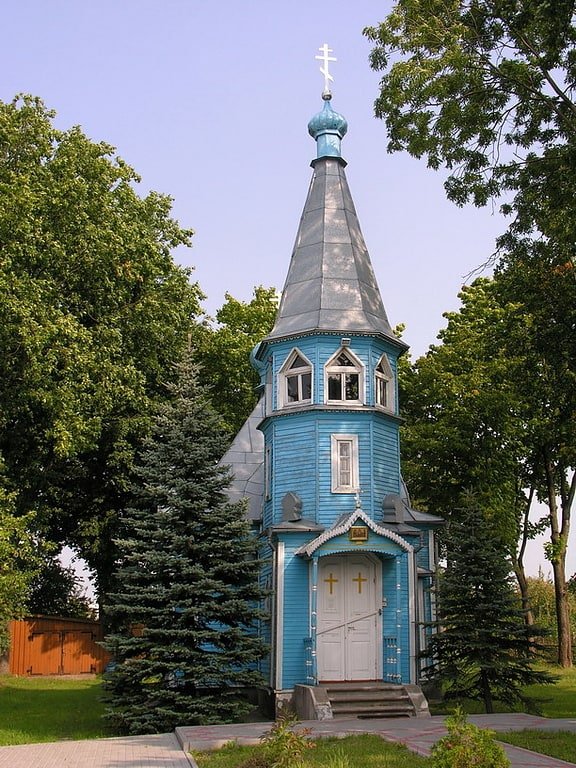
*Church of the Dormition of the Mother of God, a wooden Orthodox church in Mažeikiai, built in 1894. Parish church.
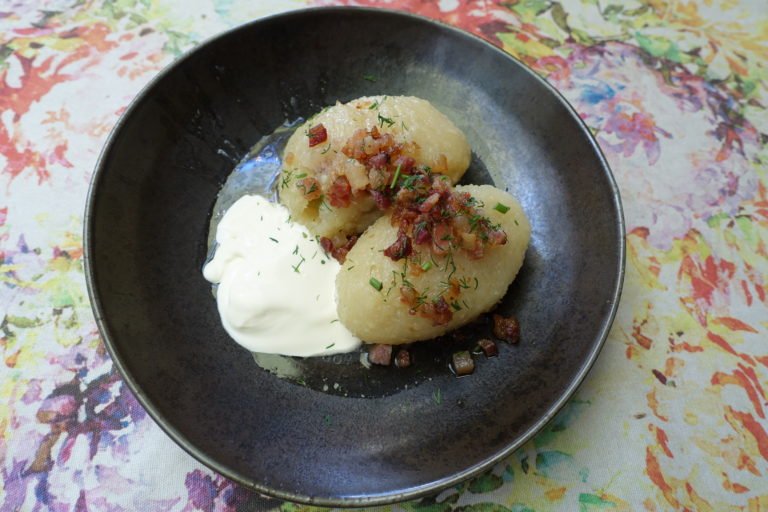
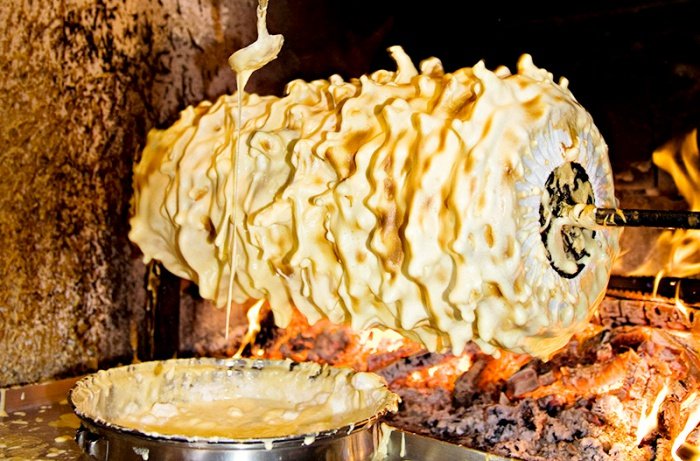
*The cuisine of Mažeikiai and throughout Lithuania is based on simple, hearty dishes made with potatoes, meat, mushrooms, and dairy products. Among the most famous are Cepelinai (potato dumplings stuffed with meat), Chłodnik (pink beetroot soup), Kibiny (Karaim lamb dumplings), Skilandis (cold cuts, Kindziuk), Kugelis (potato cake), Vėdarai (potato sausage), and delicious dark rye bread. Sękacz (a tree-shaped cake) is also a must-try.

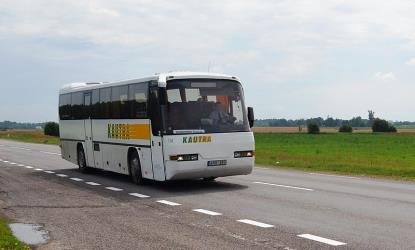
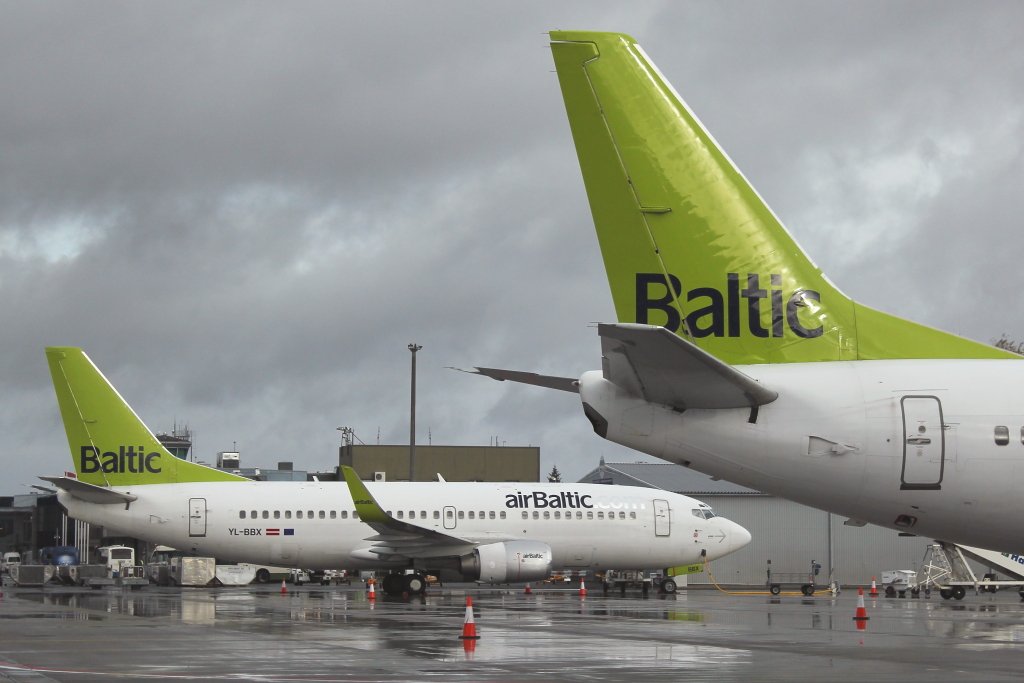
*Getting there: The city doesn’t have its own airport. The nearest airports are in Riga, Palanga, and Kaunas. Although all of them serve international flights, the best option is to travel to Mažeikiai from Riga Airport, which serves flights from most European countries. International express buses depart directly from the airport and take tourists directly to the center of Mažeikiai. Another option is to use the airport in Vilnius, the capital of Lithuania. However, the route between the cities is much longer (approximately 300 km), although there are many places within the airport area offering tourist transport. The best way to get to Mažeikiai is by intercity bus. You can also rent a car, which is especially useful for traveling throughout Lithuania. While it’s not the cheapest option, it can be the most convenient and, above all, time-saving. Mažeikiai also has a train station, which doesn’t offer international connections. When visiting Kaunas, Vilnius, Riga, or Palanga, you can choose this option for arriving in the city. Mažeikiai has public transportation (buses) that cover all districts of the city. Tourists can also use the services of taxi companies. It is also possible to rent a passenger car upon arrival in Mažeikiai.