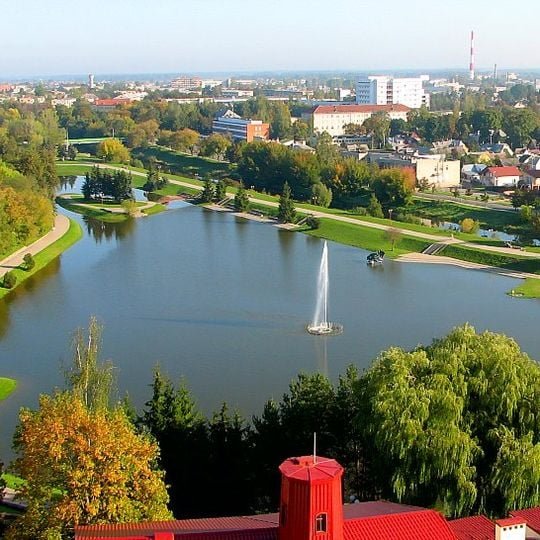
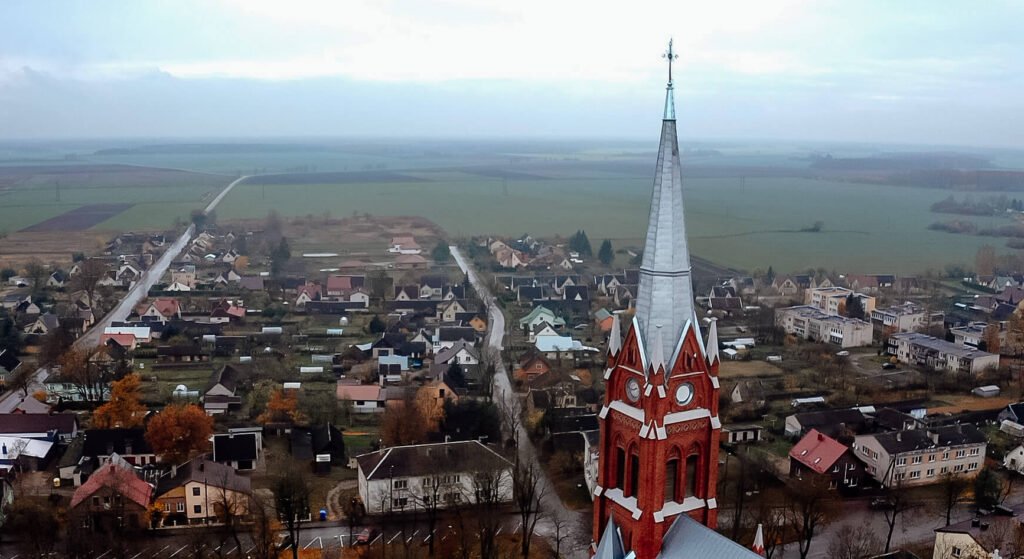
Panevėžys is a city in northern Lithuania on the Nevėžis River, the seat of Panevėžys County. The fifth-largest city in Lithuania (114,500 inhabitants in 2012), the largest town in northeastern Lithuania, and the historic capital of the Upėja Region. A major transportation hub, the city is inhabited primarily by Lithuanians. It was the meeting place of the Upėja County regional assemblies from the 16th century to the first half of the 18th century.
*A bit of history. Panevėžys is one of the youngest towns in Lithuania. Documents first mention its name in 1503. Five years later, a local parish existed there. Panevėžys is divided into Old and New. The former constituted the nucleus of the city, but it was New Panevėžys, founded in 1550 on the other bank of the river, that gained the status of capital of the Upė County. Despite fulfilling administrative functions, both settlements were of marginal importance until the end of the 19th century. This changed only with the construction of the railway. For several centuries, the city’s development was hampered by ongoing wars and widespread epidemics. The city’s flourishing began only in the relatively stable economic and political 19th century, when the estates were leveled, Lithuanian, Polish, and Jewish nationalist movements were active, the education system was developing, and literacy was increasing.
*Churches
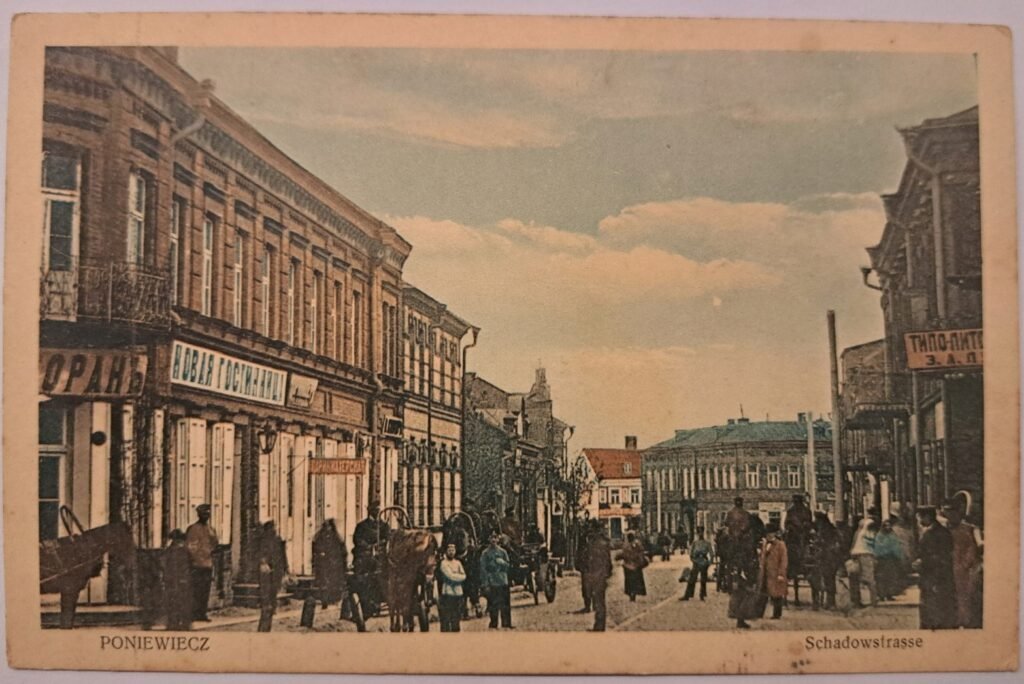
I. The Church of St. Peter and St. Paul, a neo-Baroque church built in 1884, is the most important church in the so-called Old Panevėžys. It was built on the site of an earlier church, dating back to 1785. Behind the chancel are numerous Polish graves, many older than the church itself.
II. The Church of the Holy Trinity, a post-Piarist, Classicist church, built in 1803. The church was closed in 1832 and converted into an Orthodox cathedral in 1847. It returned to the Catholics in 1918. After World War II, it functioned as an exhibition hall. In 1989, it was returned to the faithful.
III. Adjacent to the church was a Piarist monastery, founded in the second half of the 18th century by Krzysztof of Lubraniec Dąmbski, starost of Bernat. The monastery ran a school, which was later converted into a high-quality secondary school. It closed in 1863. In 1872, a teachers’ seminary was opened there. The gymnasium reopened in the interwar period. The monastery was dissolved in 1832 by the tsarist authorities and converted into barracks.
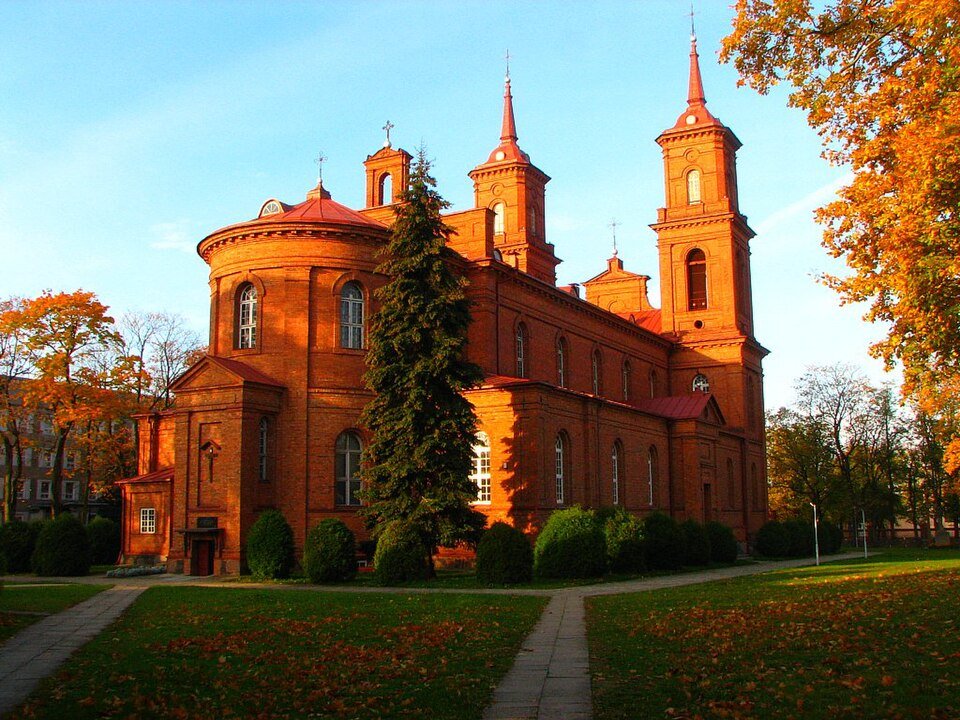
*The Cathedral of Christ the King in Panevėžys (Lithuanian: Kristaus Karaliaus Katedra) is a Roman Catholic cathedral in Panevėžys, located at Katedros Street 1. Construction began in 1904. Work was interrupted by the outbreak of World War I. After the war, construction continued until 1930. In 1926, the church was declared the cathedral of the Panevėžys diocese. The resulting structure is an eclectic, three-nave, hall-type church, with elements of neo-Baroque and neoclassicism. The furnishings date from the interwar period and are the work of sculptors Vincentas and Adomas Jakševičius (father and son). The polychromes were created by Jonas Mackevičius (including the fresco in the dome depicting the miracle of St. Casimir in Polotsk) and Povilas Puzinas.
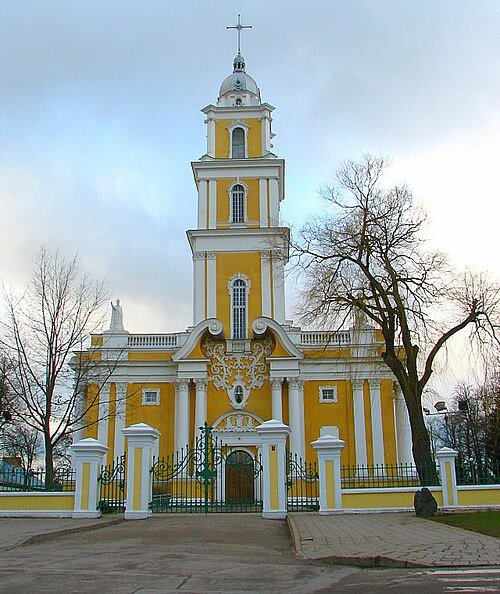
*The church in Panevėžys is a wooden, single-nave church. The entrance is through a vestibule, above which rises a bell tower topped with a bell tower and a gilded onion-shaped dome. A similar structure also stands over the chancel. The exterior of the building is painted blue, while the window frames and half-columns are white. Carved and painted Orthodox crosses are on the main door and the rear wall of the chancel. The interior features a single-row iconostasis and two neoclassical side kiots with icons (one of which contains a copy of the Surdeghaz Icon of the Mother of God). The walls of the building are decorated with more than a dozen smaller icons from the second half of the 20th century.
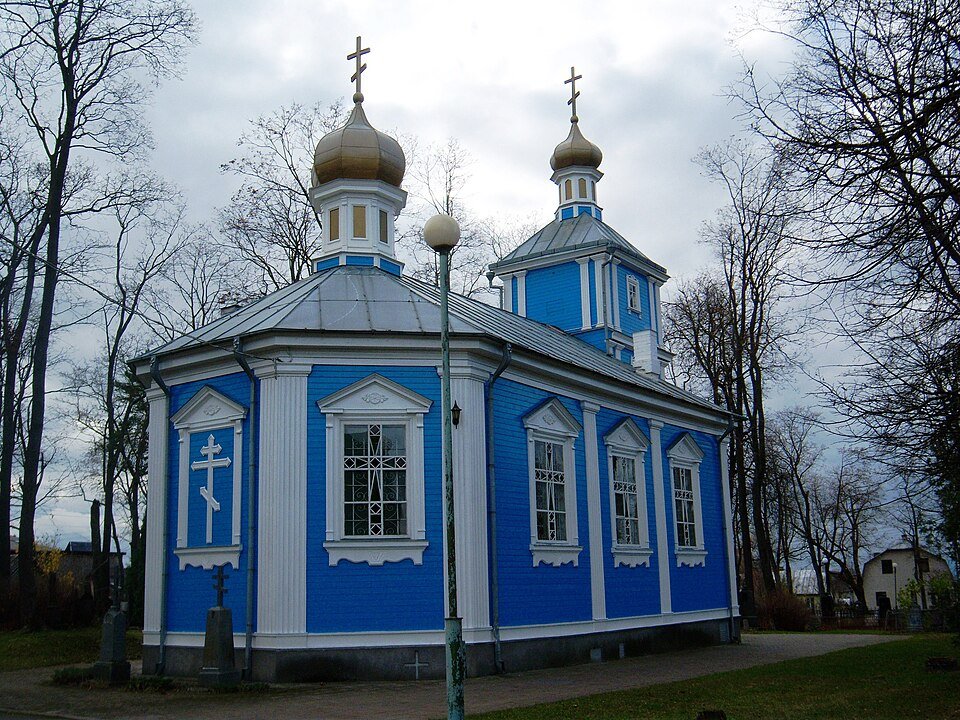
*The building of the former district court (Upice), the oldest in Panevėžys, dating back to 1614. It later housed the court archives.
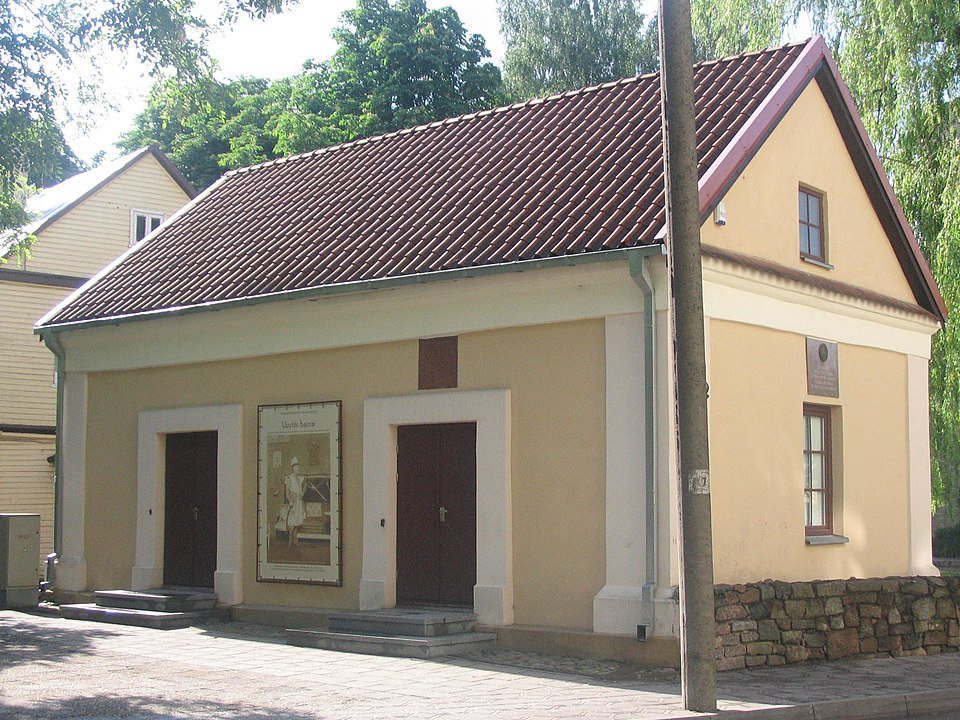
*The city is a major industrial center. Panevėžys is home to factories in the electronics, furniture, construction, food, and textile industries. Among the most important factories are “Ekranas,” which produces glass and crystal products, the “Kalnapilis” brewery, and “Linas,” which produces linen products.
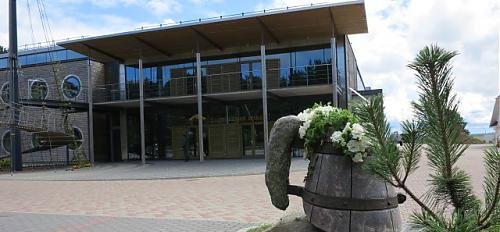
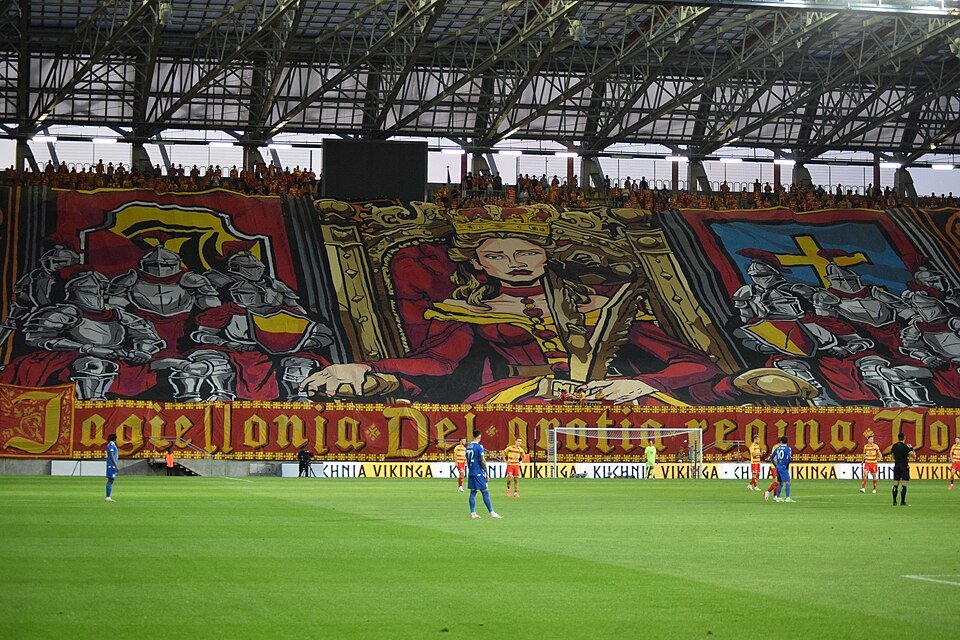
* Ekranas Panevėžys (Lithuanian: Futbolo Klubas Ekranas Panevėžys) is a Lithuanian football club based in Panevėžys.
Achievements
Lithuanian Championship: 1993, 2005, 2008, 2009, 2010, 2011, 2012
Lithuanian Cup: 1985, 1998, 2000, 2010, 2011
Lithuanian Super Cup: 1998, 2006, 2010, 2011
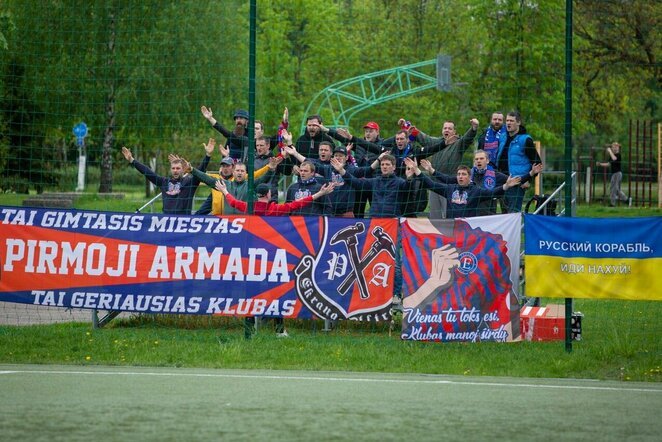
*FK Panevėžys (Lithuanian: Futbolo klubas Panevėžys) is a Lithuanian football club based in Panevėžys. ACHIEVEMENTS – Lithuanian Championship:
Champion: 2023
Runner-up:
Bronze medalist: 2022
Lithuanian Cup: 2020, 2025
Lithuanian Super Cup: 2021, 2024
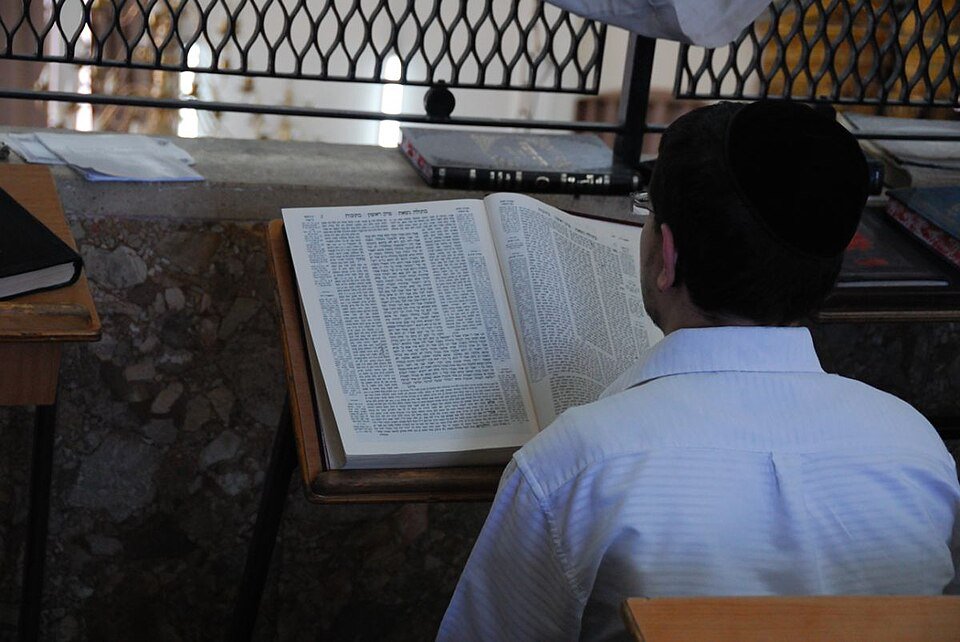
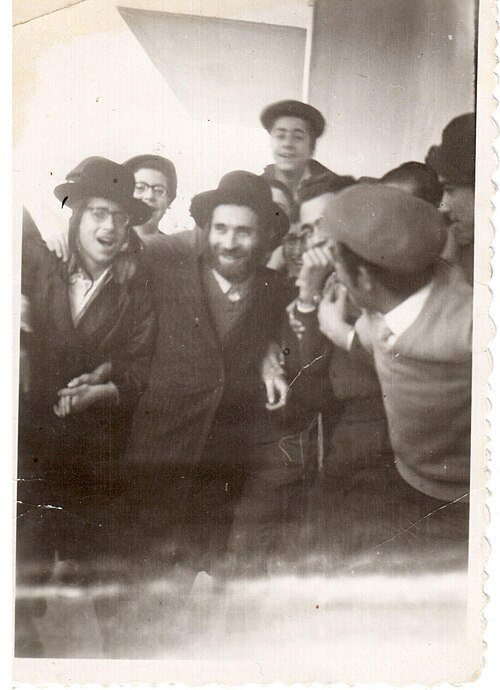
*The Yeshiva of Panevėžys, often pronounced Yeshiva of Ponevič (Hebrew: ישיבת פוניבז׳), is a Litvak yeshiva founded in 1908 in Panevėžys and since 1944 in Bnei Brak, Israel. It has approximately three thousand students (including students in its branches) and is considered one of the leading Litvak yeshivas in Israel. The establishment of the Yeshiva of Panevėžys dates back to 1908. It was founded by Rabbi Yitzhak Yakov Rabinovich [in other languages] (known as Reb Itsehle Ponevezher; 1854–1919). From the time of its founding until the Holocaust, the school was based in the Lithuanian city of Panevėžys, from which the school takes its name. The Kahaneman Yeshiva is headed by Rabbi Gershon Eidelstein and Berel Povarsky, son of Rosh Yeshiva Rabbi Dovid Povarsky, and Rabbis Chaim Shlomo Leibowicz and Chaim Peretz Berman, Steipler’s grandson and Rabbi Kahaneman’s son-in-law. The second yeshiva is headed by Rabbi Shmuel Markowitz, assisted by Asher Deutch and Rabbi Eliyahu Eliezere Dessler. The main study hall of the current Panevėžys Yeshiva houses the original 16th-century Italian wooden Aron Kodesh (Torah scroll cabinet). In the early 1980s, it was brought to the school, rebuilt, and re-gilded (with 22-karat gold leaf).
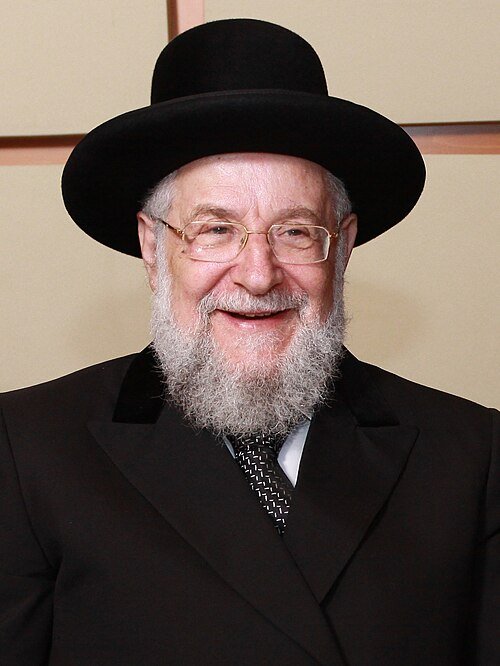
*Yisra’el Me’ir Lau (Hebrew: ישראל מאיר לאו; born June 1, 1937 in Piotrków Trybunalski) is an Israeli rabbi and head of Yad Vashem. He was the son of Rabbi Moses Chaim Lau (1892–1942), the last rabbi of Piotrków Trybunalski, who perished in the Treblinka extermination camp. He was nicknamed Lolek by his family. He spent his childhood in Piotrków (in the ghetto from 1939), and from 1943 to 1945, he and his older brother Naftali lived in the Częstochowa ghetto and the Hasag-Częstochowianka forced labor camp, from where, in January 1945, he was deported in a backpack by his brother to the Buchenwald concentration camp. From 1945, he lived in Palestine. Here he studied at the renowned Kol Torah Yeshiva and the Panevėžys Yeshiva. Israel Meir Lau, as an eight-year-old boy, in the arms of Elazar Schiff, another Buchenwald prisoner, on his arrival in Haifa on July 15, 1945. On February 21, 1993, he was elected Ashkenazi Chief Rabbi of Israel, a position he held until 2003. In 2005, he became Chief Rabbi of Tel Aviv, and in 2008, Chairman of Yad Vashem. Israel Meir Lau, of Polish origin, was the first Chief Rabbi of Israel to meet with the Pope since the founding of the Jewish state in 1948. This took place on September 21, 1993, in Castel Gandolfo, when John Paul II accepted an invitation to the Holy Land. The meeting took place again on March 23, 2000, at the seat of the Chief Rabbinate in Jerusalem. He wrote a book, Do Not Raise Your Hand Against the Boy, published in 2000. On October 20, 2009, he participated in the unveiling of the monument to the victims of the Częstochowa Ghetto. In 2005, he received the Israel Prize, Israel’s highest state award for exceptional contributions to society and the state of Israel. In 2011, he received France’s highest decoration, the Legion of Honor, awarded for his efforts to promote peace between religions.
Graduate of the Yeshiva of Panevezys Yisra’el Me’ir Lau (pictured)
*Panevėžys, an urban center in northern Lithuania.