Palanga is a city in western Lithuania, on the Baltic Sea. It is the largest and most famous Lithuanian resort. The city authorities are implementing the Amber Road project, financed by the EU. The former Tyszkiewicz Palace houses an amber museum.
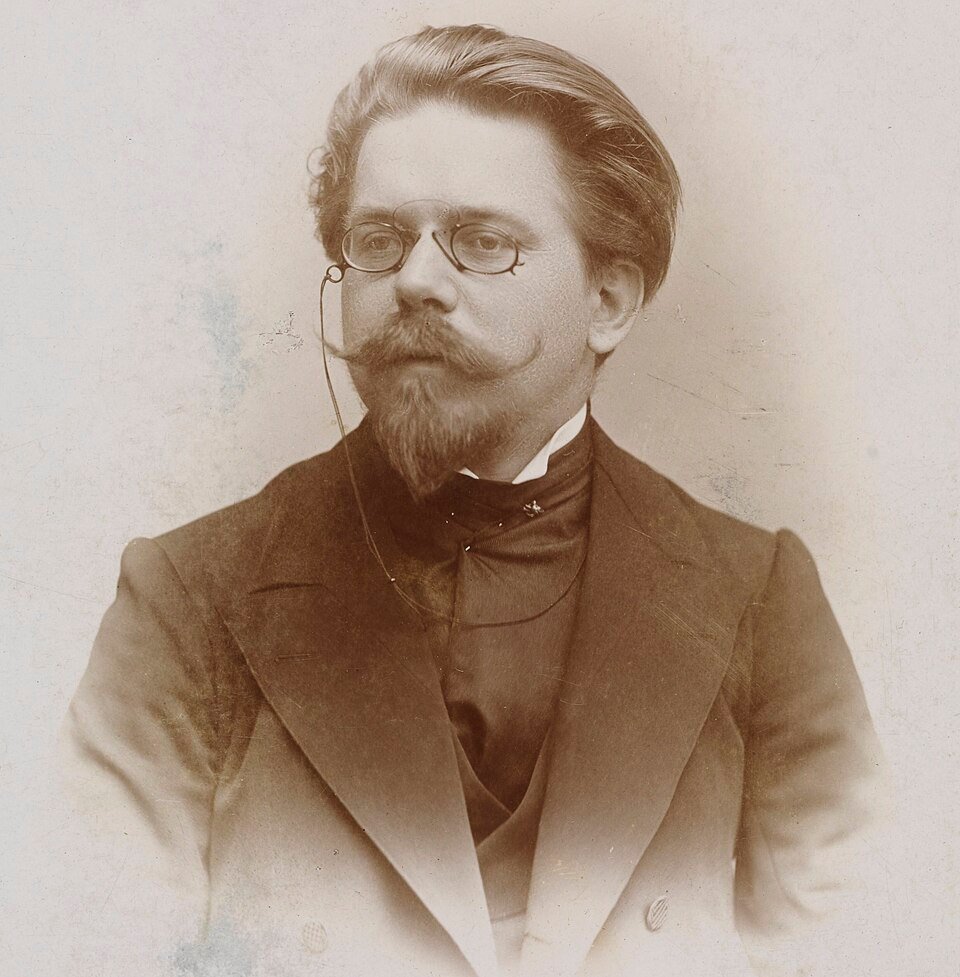
*A bit of history. The local estates belonged to the royal table economy, being the property of the king. In 1529, they became the capital of one of the tracts of the Duchy of Samogitia. Palanga ceased to be royal property during the Sejm of 1773–1775, when it was granted to Ignacy Massalski, Bishop of Vilnius. Later, through family connections, it became the property of the Potocki and Niesiołowski families. City rights were granted in 1791. As a result of the partitions, Palanga found itself within the borders of the Russian Empire after 1795, first within the Vilnius Governorate, and from 1819 within the Courland Governorate. In 1824, Palanga was purchased by Michał Tyszkiewicz, and it remained in the family’s possession until 1940. In the summer of 1905, Władysław Reymont rented rooms in the “Olga” villa, where he wrote Part III of his novel “The Peasants,” for which he later received the Nobel Prize. He also worked in Palanga on the novellas “Ave Maria,” “Longing,” “The Storm,” “On the Edge,” and “From Constitutional Days.” The complex of 19th-century wooden buildings of the seaside resort has survived to this day. At the beginning of the 20th century, Palanga became one of the world’s largest amber processing centers. After 1918, Palanga was incorporated into the newly established Republic of Lithuania and became practically inaccessible to Poles, causing most of the residences to change hands. The Amber Museum—the largest in the world—was established in the neoclassical Tyszkiewicz Palace, restored in 1963. In the park there is Biruta Mountain – according to legend, a priestess kidnapped and married by Kiejstut is buried there.
World War II
- In 1939, Palanga was home to a transit camp for Poles interned after the Soviet attack on the Polish-Lithuanian Commonwealth.
- During the Nazi occupation, in July 1941, the Germans established a ghetto for Jewish residents. It housed approximately 300 people. In September 1941, the Germans liquidated the ghetto, and the Jews were murdered in the Kunigiškiai forest. The perpetrators of the crime were the Gestapo from Kretinga and Klaipėda, as well as the Lithuanian security services.
- On October 10, 1944, troops of the 1st Baltic Front cut off the German Army Group North from East Prussia in the Palanga region.
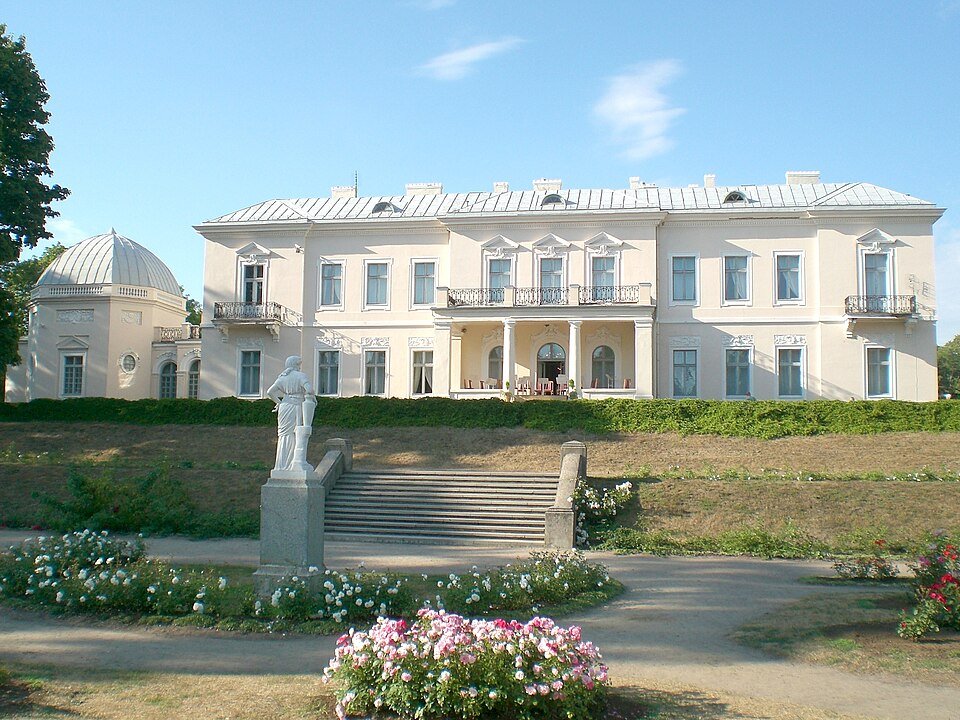
*The Tyszkiewicz Palace, built in the late 19th century in the Neo-Renaissance style for the Tyszkiewicz family, has housed the Palanga Amber Museum since 1963. The residence was built in the Neo-Renaissance style with elements of Classicism and Baroque between 1893 and 1897 by Franz Heinrich Schwechten at the request of Count Felix Tyszkiewicz, replacing a wooden palace situated on the banks of the Rąžė River. In 1900, a statue of Jesus Christ (some say the work of Bertel Thorvaldsen himself) was erected next to the palace. It remains a distinctive feature of the palace landscape to this day, despite being demolished during the Soviet era (it was reinstalled in 1993). At the beginning of the 20th century, a small chapel, also designed by Schwechten, was built next to the palace. In 1963, the Amber Museum was established here, with a collection of 28,000 pieces of amber. After Lithuania regained independence, the palace was reclaimed by Alfred Tyszkiewicz, who relinquished his rights to the property to the city. In 1997, he was awarded honorary citizenship of Palanga.
*The Church of the Assumption of the Blessed Virgin Mary is a Roman Catholic church located in Palanga. The church is decorated with blind windows, pinnacles, rosettes, and other elements that attest to the architect’s Gothic inspiration. Inside the church is a richly carved altar and pulpit. Immediately in front of the church is a wooden chapel and a cross. The Church of the Assumption of the Blessed Virgin Mary is a Roman Catholic church located in Palanga. The church is decorated with blind windows, pinnacles, rosettes, and other elements that attest to the architect’s Gothic inspiration. Inside the church is a richly carved altar and pulpit. Immediately in front of the church is a wooden chapel and a cross.

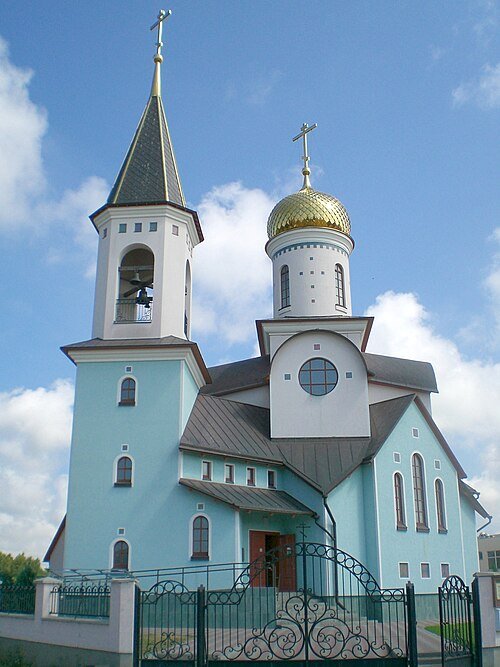
*The Church of the Iver Icon of the Mother of God is an Orthodox parish church in Palanga on Sodų Street. The Orthodox parish in Palanga was established in 1995 and initially used rented premises in a local school building. In 1999, the city authorities provided a building plot for a new church free of charge. It was built between 2000 and 2002 according to a design by D. Borunov. The parish has approximately one hundred members.
*Palanga Airport, an international airport located 7 km north of Palanga and 32 km north of Klaipėda, is the third largest airport in Lithuania (after Vilnius and Kaunas).

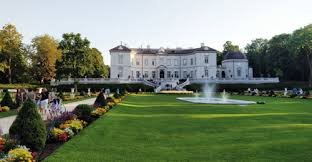
*Palanga Amber Museum and Birutė Park. Nestled amidst the beautiful botanical gardens of Birutė Park and the opulent Tiškevičius (Tyszkiewicz) manor house is the Amber Museum. It is one of the most frequently visited museums in the country, boasting one of the largest amber collections in the world, with 30,000 exhibits. One of its main attractions is the “Sun Stone,” which, weighing 3.5 kilograms, is one of the largest pieces of amber in Europe. Amber has been collected on the Baltic coast for millennia. In Roman times, it was the currency of barter in the region, and the museum houses a wealth of historical and contemporary exhibits. It is a jewel among museums (and an organic jewel at that).
(museum photo)
(Park photo)
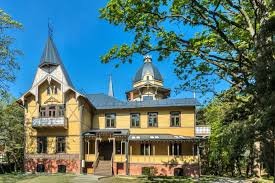
*Palanga Resort Museum. After a day or two at the beach or a few coffees (or cocktails) on Jonas Basanavičius Street, you might be tempted to delve a little deeper into the city’s fascinating history. And the best way to discover its hidden history is at the Palanga Resort Museum. What a museum it is! Anapilis, the beautiful villa that houses the exhibition, holds a secret. The villa, once owned by Countess Tiškevičienė (Tyszkiewicz), a member of a prominent noble family from the turn of the 19th and 20th centuries, is notorious for being the site of alleged spiritualistic séances. This rather eerie atmosphere is still strongly felt, enhanced by the unique sounds of the organ inside. But that’s not the only spiritualistic experience – you can also feel like a vacationer from yesteryear and take nostalgic monochrome photos.
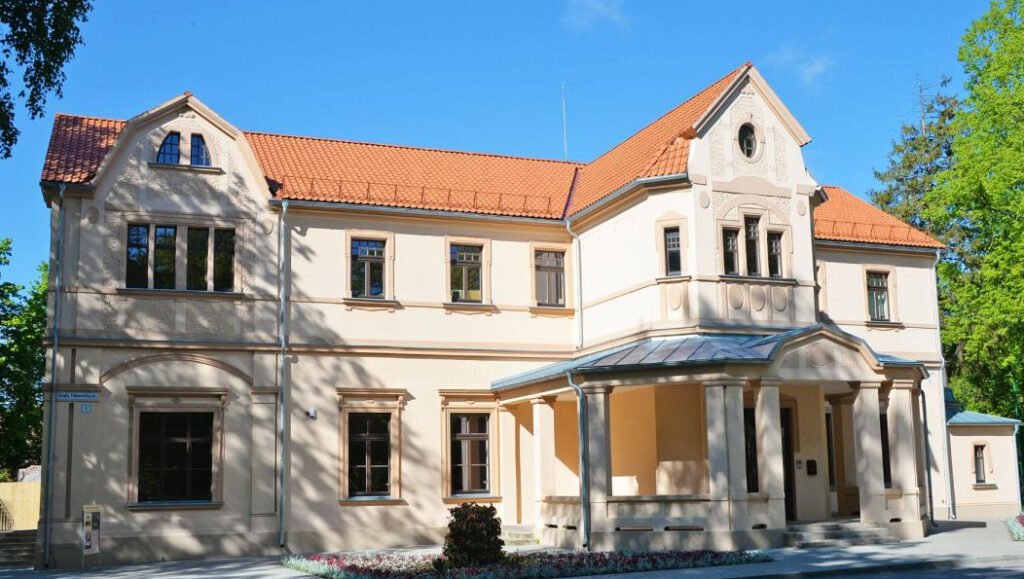
*The Kurhaus in Palanga. The hotel. You could say it all began here. The Kurhaus was the first hotel in Palanga. Founded in 1877 by Count Feliksas Tiškevičius (Tyszkiewicz), it quickly became a popular meeting place for the elite who flocked to the city during the summer months. Since then, it has become a symbol of the city. Unfortunately, the original building burned down in a fire in 2002, but it has since been rebuilt and today houses the Palanga Cultural and Youth Center.
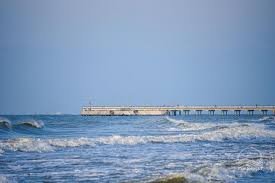
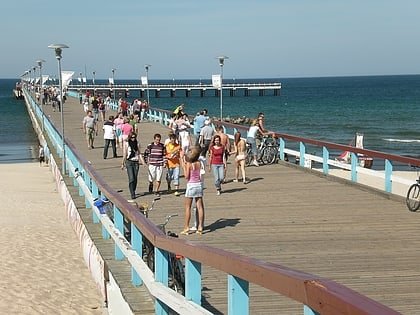
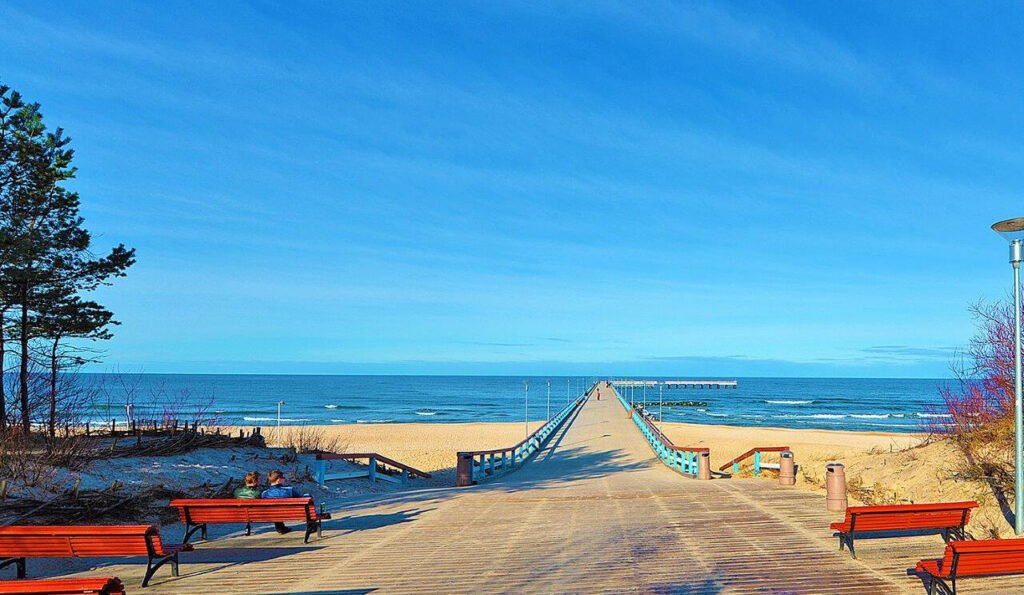
*Palanga Pier. Palanga Pier has become a popular promenade for tourists looking to enjoy a leisurely stroll. Indeed, it offers a unique view of the rolling waves of the Baltic Sea. Originally built in the 19th century as a dock for commercial exports and later used for passenger transport, the sea bridge (or pier) has now become a popular promenade for tourists looking to enjoy a leisurely stroll. Indeed, it offers a unique view of the rolling waves of the Baltic Sea. It’s the perfect place to enjoy shimmering red summer sunsets.