
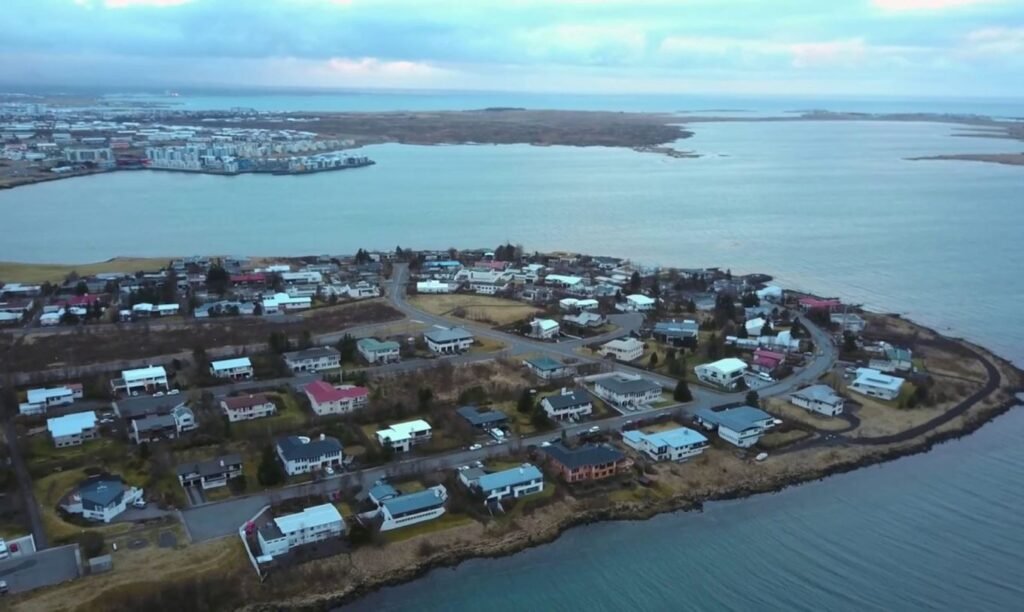
Kópavogur is a town in southwest Iceland, located on Skerjafjörður Bay. It forms the Kópavogsbær municipality, part of the Capital Region. It borders Reykjavík to the north and Garðabær to the south. It is part of the Greater Reykjavík urban area. At the beginning of 2018, it had a population of nearly 36,000 and is the second-largest town on the island. Kópavogur means “bay of baby seals” in Icelandic, hence the seal at the bottom of the coat of arms. The central district of Smárahverfi is home to the Smáratorg 3 skyscraper (Iceland’s tallest building) and Iceland’s largest shopping center, Smáralind. Singer Emilíana Torrini is from the town.
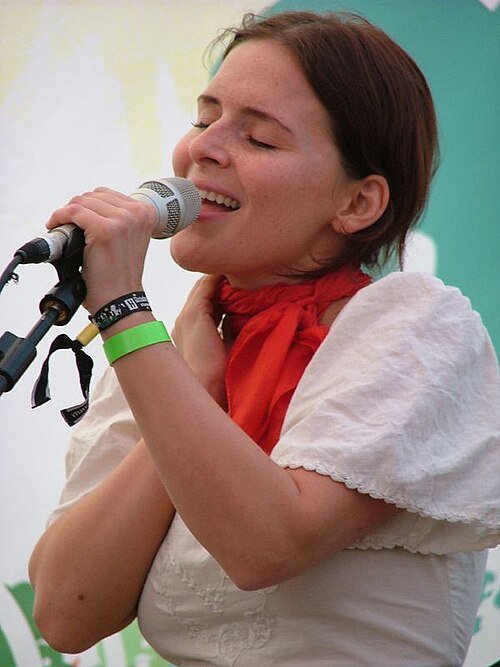
Emilíana Torrini Davíðsdóttir (born May 1977 in Reykjavík) is a singer. Her father is Italian, and her mother is Icelandic. Torrini gained popularity in Iceland in 1994 when, at the age of 17, she won a singing competition with “I Will Survive.” Her best-known album worldwide is Love in the Time of Science. She previously released the albums Spoon, Crouçie d’Où La, and Merman in Iceland. Her official website describes her music as “unclassifiable.” Emilíana Torrini sang “Gollum’s Song,” the main theme for Peter Jackson’s film The Lord of the Rings: The Two Towers. She also wrote the song “Slow” for Kylie Minogue in 2003. In 2002, she collaborated with the duo Thievery Corporation on the album The Richest Man in Babylon.
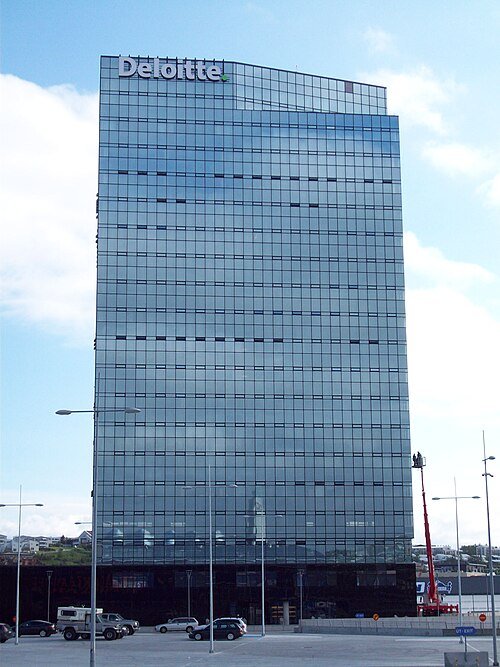
Smáratorg 3 (Smáratorg Tower) is a skyscraper in the central part of the Icelandic Capital Region town of Kópavogur, in the Smárahverfi district, opposite the Smáralind shopping center. It opened on February 11, 2008. It houses a branch of the global corporation Deloitte. With 20 floors and a height of 77.6 meters, it is the tallest building in Iceland and the third tallest in the country after the transmission masts in Eiðar and Hellissandur. The building covers 14,400 m². The building was designed by the Arkís architectural firm. The investor was SMI Real Estate Group.
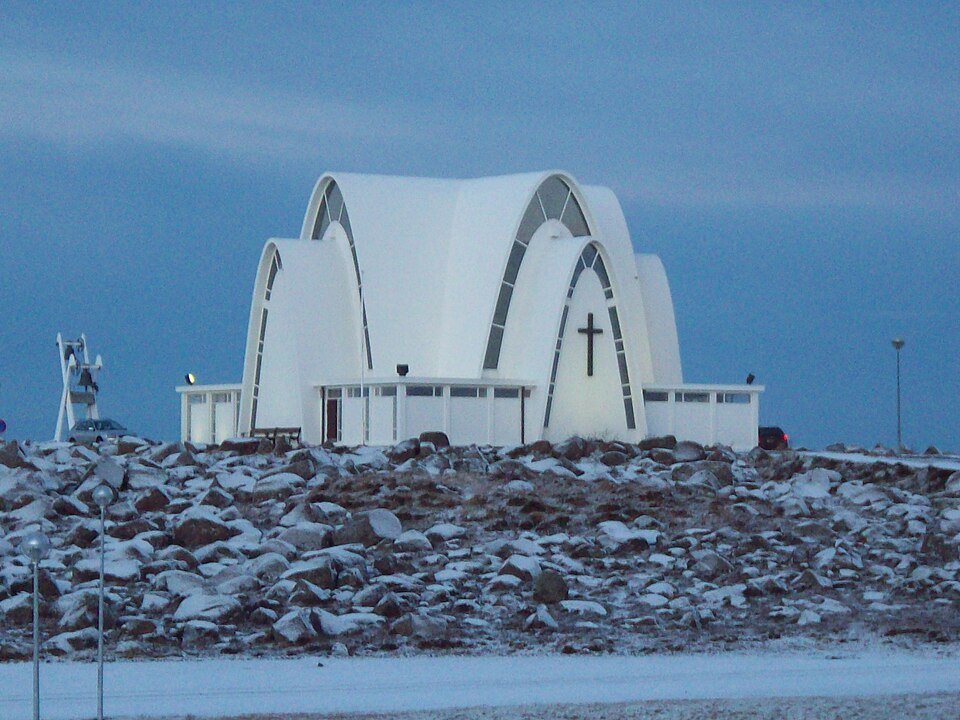
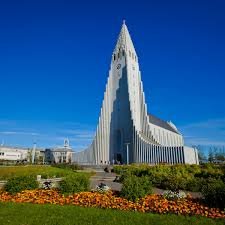
Kópavogskirkja is a church in the Icelandic town of Kópavogur. It is located on Borgarhóll hill in the western part of the town, accessed via Hamraborg Street. Construction began in 1958, and the church opened on December 16, 1963. Kópavogskirkja is a centrally planned church. Designed by Hörður Bjarnason and Ragnar Emilsson, it has a Greek cross layout, with arms in the form of overlapping arches. The stained glass windows, designed by Gerður Helgadóttir, create an interesting play of light. The building’s architecture is representative of the modernist style. The church’s dominant silhouette has become a symbol of Kópavogur, featuring its image at the top of the town’s coat of arms.
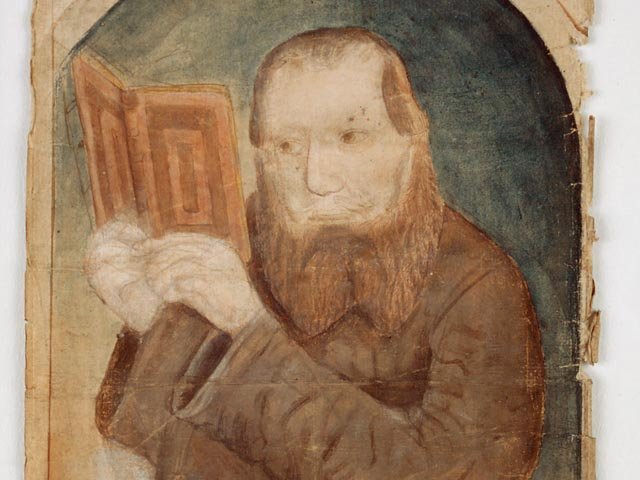
Kópavogur was the site of the signing of the Act of Independence of Iceland from Denmark and Norway in 1662 by Bishop Brynjólfur Sveinsson and the lawyer Árni Oddsson. Brynjólfur Sveinsson (born September 1605 in Önundarfjörður, died August 1675) – Lutheran Bishop of Skálholt in Iceland and a bibliophile. Brynjólfur Sveinsson was born in 1605 in Önundarfjörður. He initially studied at the school in Skálholt, and then from 1624 to 1629 at the University of Copenhagen. From 1632 to 1638, he worked at the Roskilde Gymnasium, and was then appointed Bishop of Skálholt by the king, a position he held from 1639 to 1674.[3] One of his first acts was to order a diocesan synod to be held annually, in conjunction with a session of the Althingi. Known as a bibliophile and collector of old manuscripts, he died in 1675. His image appears on the 1000 krónur banknote. The obverse features his portrait holding a book, and the reverse shows Brynjólfskirkja Church in Skálholt.
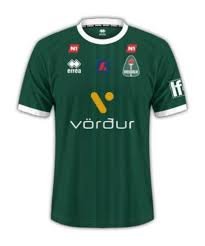
Breiðablik, also known by its acronym UBK, is the men’s football section of the Icelandic sports club Breiðablik, based in Kópavogur (Capital Region), in the southwest of the country. It was founded on February 12, 1950. The Kópavogsvöllur Stadium, home to two clubs, Breiðablik and HK Kópavogur, has a capacity of 5,501. TROPHIES: Icelandic Champions (3x): 2010, 2022, 2024. Icelandic Cup (1x): 2009.
The Kópavogs Cultural Center, which primarily houses the Natural History Museum, is the last of the must-see attractions in Kopavogur. Among the more interesting exhibits, note the real skeleton of a killer whale, a multitude of stuffed animals, and the incredibly interesting algae from the local lake, resembling large cannonballs in size and shape. This place will definitely delight both adults and children. Iceland is known for its beautiful locations, unspoiled nature, and long winters, but even in towns like Kopavogur, tourists can find plenty to do without venturing into less-frequented areas of the country. While in the Reykjavik area, it’s worth visiting the island’s second largest city; it’s hard to find another city as liveable in the immediate vicinity.
