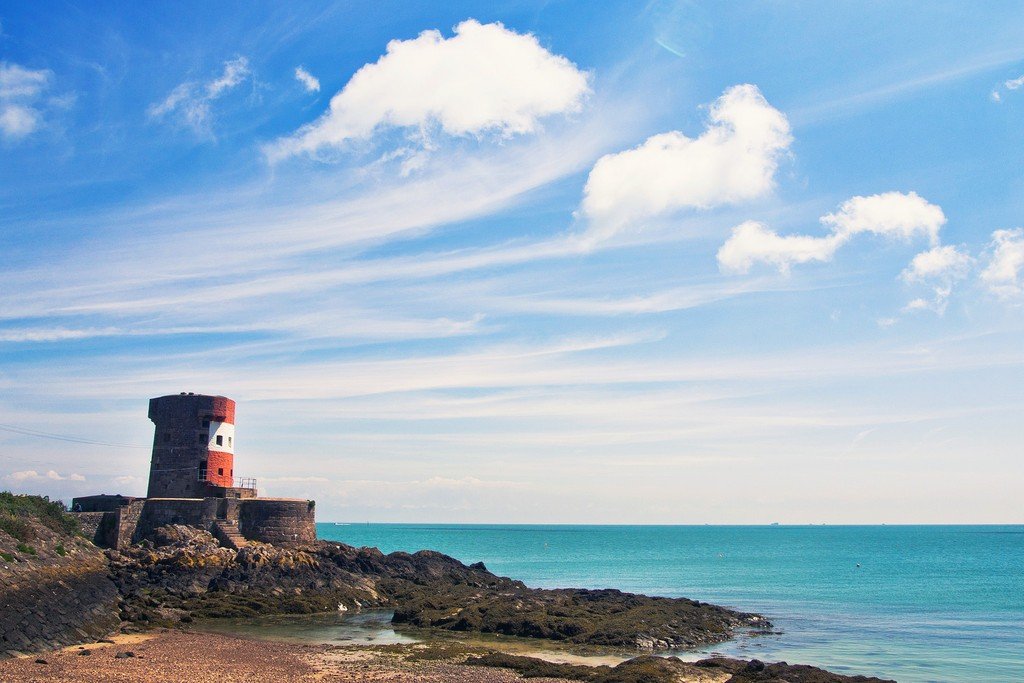
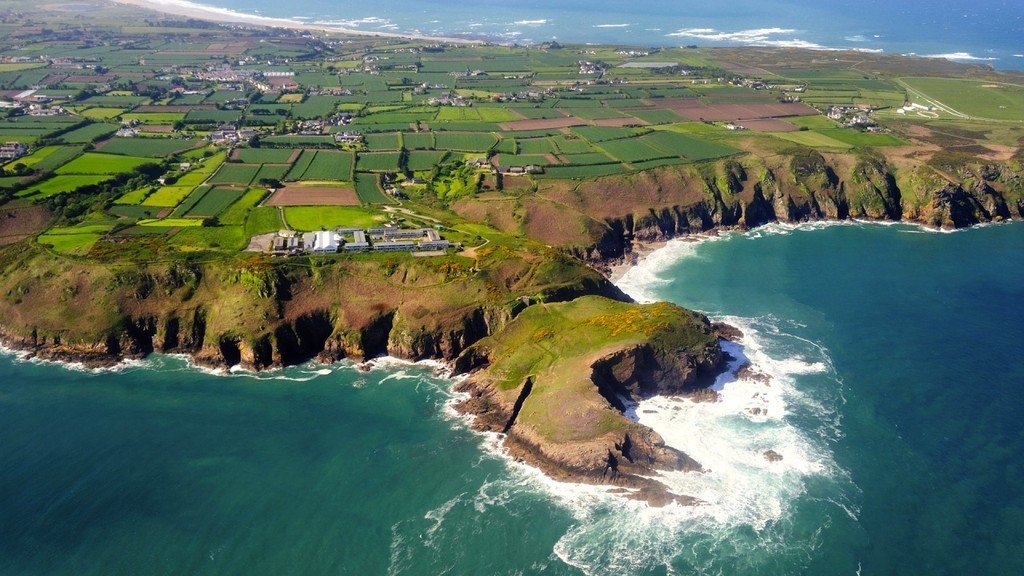
The island of Jersey is located in the Channel Islands archipelago in the English Channel, approximately 150 km off the southern coast of Great Britain and west of the French coast. It is surrounded by other islands: Guernsey, Sark, Alderney, and Herm, as well as several smaller, uninhabited islands. Jersey is roughly rectangular in shape, measuring 14.5 by 8 kilometers, and has a total area of 117 km². The north of the island is higher than the south, with a rugged coastline and numerous bays (around a dozen). This part of the island is agricultural, dominated by pastures and arable fields, while the south is more inhabited, with scattered developments.
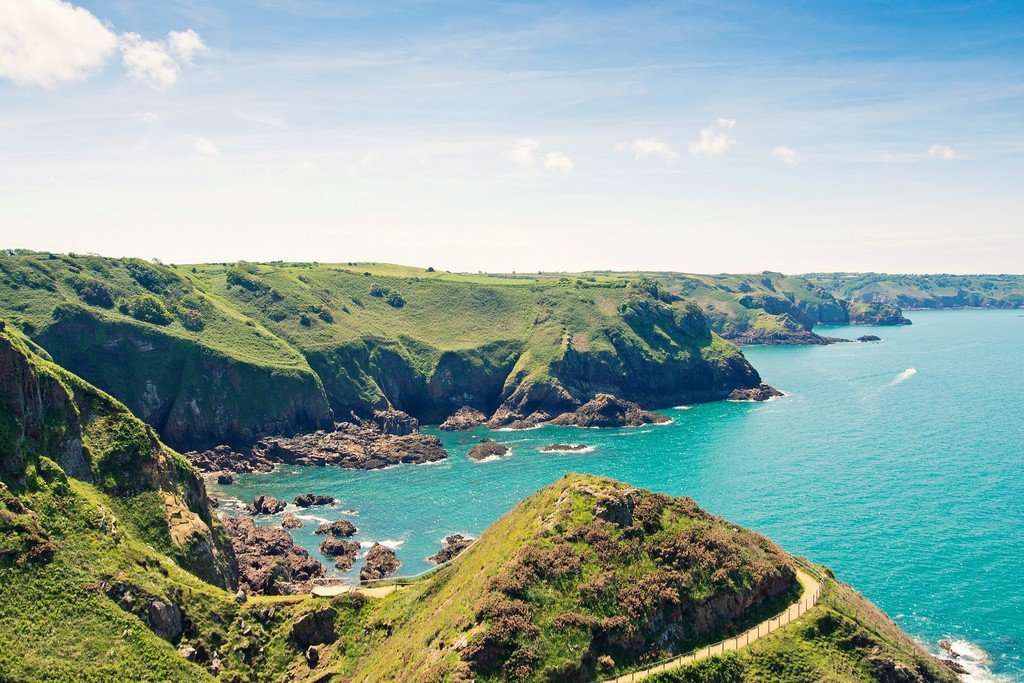
Jersey’s climate is oceanic, with warm summers and mild, snowless winters. Rain falls year-round, with more frequent rainfall during the autumn and winter months. Springs are mild, with temperatures rising from March to May. The average summer temperature is 21 degrees Celsius, and autumn 15 degrees Celsius. Rainfall is often intermittent, and the weather is changeable, so an umbrella or raincoat is recommended.
Economy. After World War II, financial services began to play a significant role in Jersey’s economy, accounting for over 60% of GDP, thanks to separate legislation and its unique political and geographic location. Jersey eventually became a tax and financial haven. Furthermore, the island is also a popular holiday destination, generating approximately 8.3% of GDP from tourism.
LANGUAGES. Jersey has two official languages: English and French. The local language, Jèrriais, is the traditional language of the island’s inhabitants. Other languages widely spoken on the island are Portuguese and Polish. Both are popular due to the large number of Poles and Portuguese from Madeira living in Jersey.
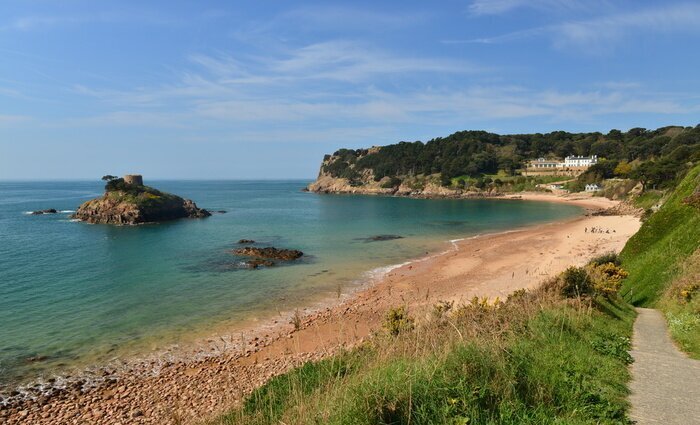
Jersey doesn’t have extremes, neither scorching heatwaves nor harsh winters. The weather is changeable, but rather predictable and mild. If you’re looking for a place where you can walk along cliffs, relax on the beach, and feel close to nature, Jersey is perfect almost any time of year. We were there in March, and it was already time for short sleeves, but it got very cold in the evenings.
Spring (March-May)
This is the perfect time for active sightseeing. Temperatures gradually rise from around 10°C in March to as high as 17-18°C in May, nature comes alive, and there are still few tourists. A great time for hiking and leisurely exploring the island.
Summer (June-August)
The warmest and sunniest period. Temperatures reach 22-24°C, and rainfall is sporadic. Beaches, coves, and restaurant patios are bustling with life. In summer, Jersey resembles southern France more than Great Britain.
Autumn (September–November)
September is still warm and sunny (up to 20°C), but later it begins to get cooler and more humid. October and November are times for more leisurely sightseeing, strolling among the colorful leaves, and visiting museums and castles.
Winter (December–February)
Although winters are mild, rarely dropping below 5°C, the weather can be unpredictable. Wind, rain, and fog are frequent guests. This isn’t the season for beach vacations, but it is ideal for atmospheric, peaceful off-season trips, when the island reveals its more rugged, authentic side.
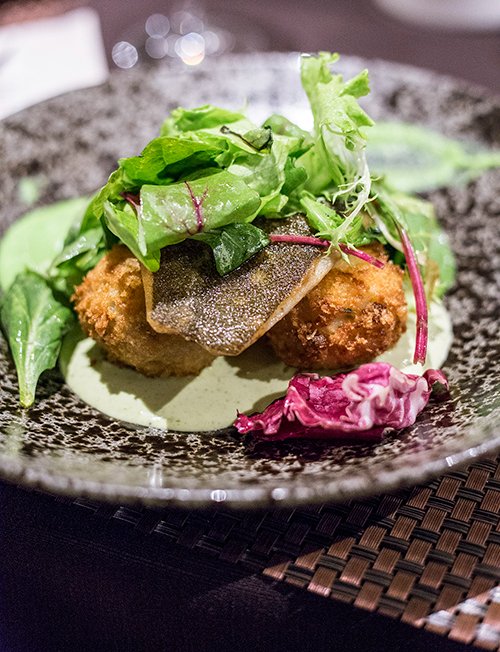
Jersey Cuisine
Jersey Royals – Potatoes
These small, delicate potatoes are the pride of the island. They grow only in Jersey and have a protected designation of origin, like Parmesan or Champagne. Their season begins in spring, and their slightly buttery and nutty flavor is absolutely unique. They are best served simply boiled and served with butter and parsley.
Sea Treasures
Jersey, as befits an island, has access to fantastically fresh seafood. You can try: oysters from the Royal Bay of Grouville, Jersey lobster, smaller than the Breton lobster but incredibly aromatic, mussels and crab, served in a variety of ways, often in white wine with garlic and herbs.
Dairy Products
It’s impossible to discuss Jersey cuisine without mentioning the cows. The Jersey breed produces milk with a very high fat content, which translates into exceptionally creamy butter, cream, cheese, and ice cream.
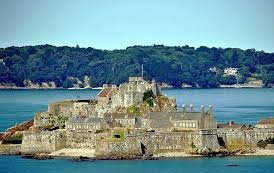
Elizabeth Castle
Located on a tidal island in western Saint Helier, on St. Aubin’s Bay, the castle is accessible on foot at low tide, but requires a ferry during high tide. Built in the 16th century on the coastal cliffs, it has been expanded several times. An underground system runs beneath the castle. Entrance fee is £12.70 or £15.60 with a ferry crossing. Discounts are available for young people.
Corbiere Lighthouse
This lighthouse is located on the southwest side of the island, on a tidal island 500 meters from the shore. Completed in 1873, it was the first concrete lighthouse in Great Britain. It stands 19 meters high and projects a beam of light up to 18 nautical miles. It was automated in 1976. Its image appears on the five-pound note and the twenty-pence coin. Nearby, there is a hotel and restaurant. Accessible by bus number 12a.
Jersey War Tunnels
A complex of underground tunnels built during World War II using Jersey slave labor. There’s an escape room on site, from which you can escape by solving puzzles and codes from the World War II era. Admission is £15, open from 9:00 a.m. to 5:00 p.m. Accessible by bus number 8.
Jersey Zoo
Founded 60 years ago by the eminent English zoologist and writer Gerrald Durrell. Entry fee £16.50, with small discounts for students. Open from 9:30 a.m. to 5:30 p.m. Accessible by buses 3, 13, and 23.
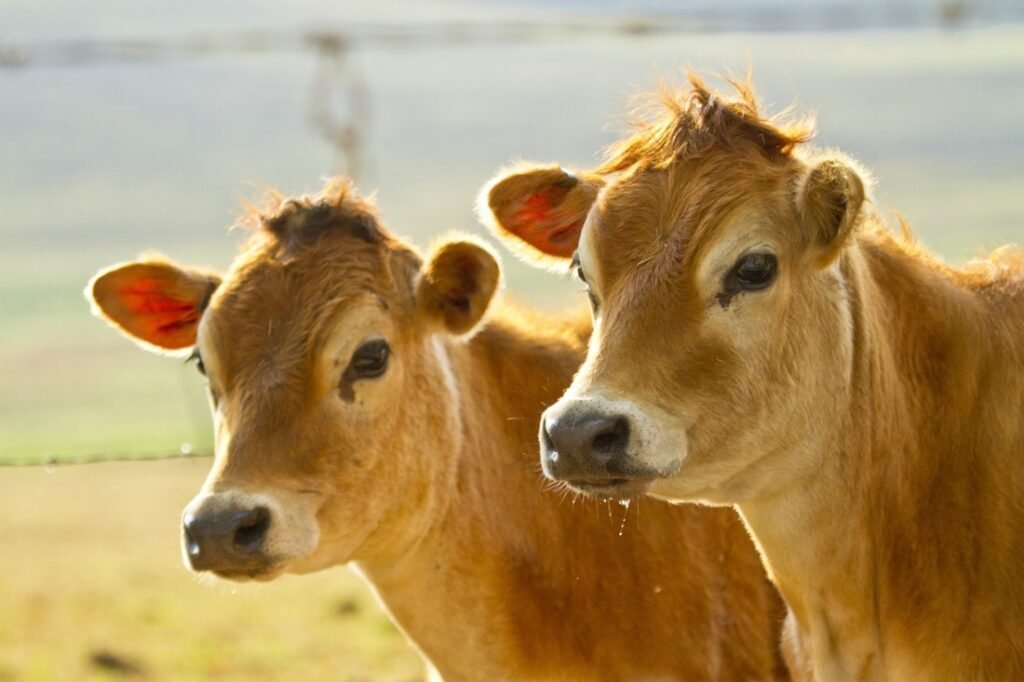
Famous Cows – The Jersey breed is one of the oldest dairy breeds in the world. Their milk has a very high fat content, making them ideal for producing cream, ice cream, and cheese. The export of Jersey cows is so restrictive that the purity of the breed is exceptionally well preserved.
Immense Sea Level Differences – The island has one of the highest tides in Europe, with the difference reaching as much as 12 meters. Some places are accessible on foot only at low tide (e.g., Elizabeth Castle or the islet of L’Islet).
Own Currency and Stamps – Although British pounds are used, the island also has its own currency: the Jersey Pound (JEP). You can’t use it in England, but it has the same value. Jersey also issues its own postage stamps, often with local motifs.
The island has its own language – Jèrriais is a local variety of Normandy, today spoken only by a small group of older residents. Example: Bouônjour! – “Good morning.” Street signs often have names in both English and Jèrriais.
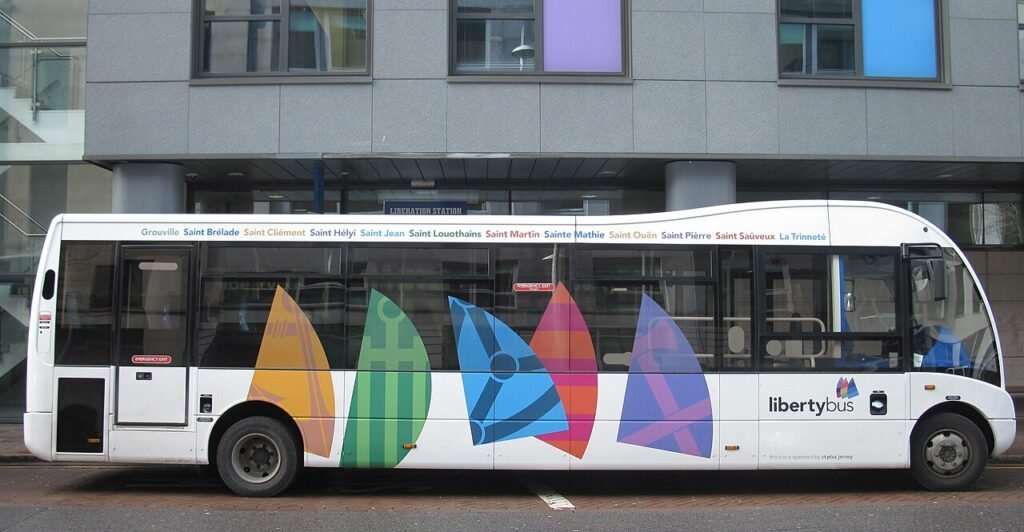
Transport. The island has a well-developed network of around 20 bus routes operated by Liberty Bus, with frequencies ranging from 15 minutes to an hour. Timetables are available online and in brochure form at the passenger information desk at St Helier station. Buses serve all tourist attractions. Tickets cost between £2 and £2.40 per journey, depending on the payment method; contactless payment is cheaper. Children pay half price. There are also private operators, primarily offering tours around the island and transfers to specific destinations.
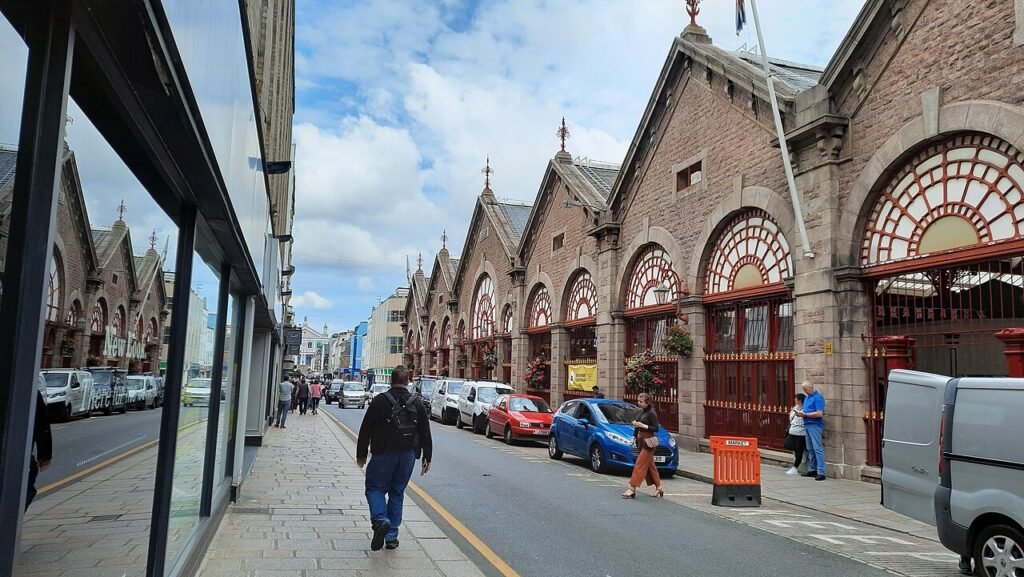
Shopping. Jersey has stores from most British retail chains, sometimes under different names (e.g., Tesco is now Alliance). There are no supermarkets in the general sense, although there are a few large grocery and general stores. The largest local department store is called De Gruchy and is located on Queen Street. The city center also boasts the Central Market and, nearby, the Fish Market. Souvenirs. Besides the ubiquitous and clichéd Chinese products (flags, key rings, etc., unfortunately, a lot of junk), Jersey offers a range of souvenirs made on and associated with the island. The main decorative motifs are the island’s insignia and the image of the local orange Jersey cow. Local products include (very expensive) products made from genuine Jersey fabric, local liqueurs and other alcoholic beverages, as well as food products, including jams and preserves made from local fruits, and a local specialty called black Jersey butter.
Tourist Information
There is a well-developed tourist information network, the main point being at St Helier bus station. Both the town and the island are well-marked, with signs leading to major tourist attractions. Monuments and other points of interest are described with appropriate signs, mostly in English. A free map of the island and a map of walking and cycling routes are available from the tourist information office, as well as a free, well-written What’s On guide. Free bus timetables are available from the station information desk.