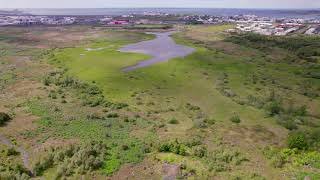
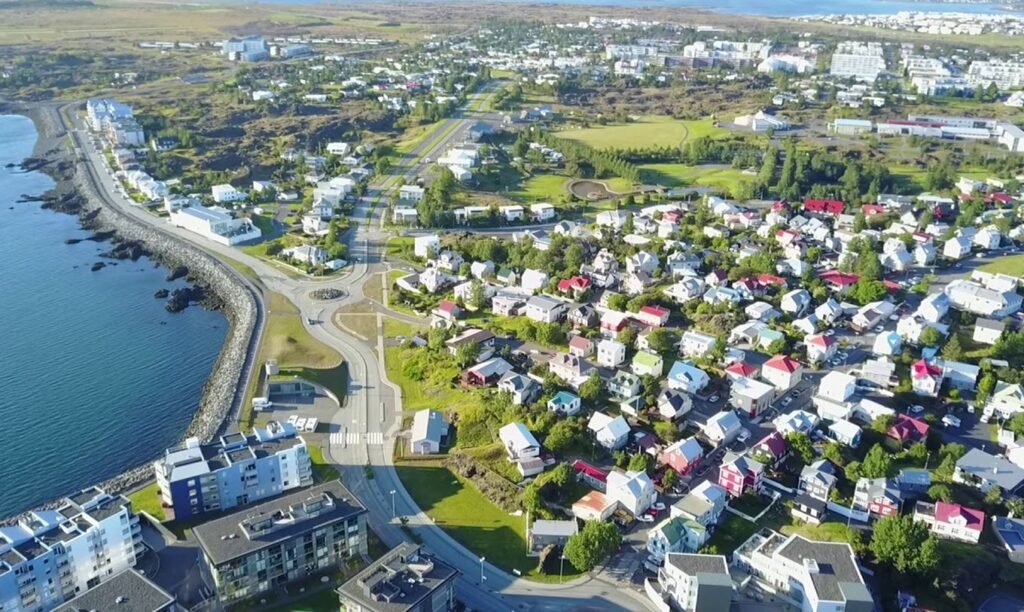
Hafnarfjörður is a town in southwestern Iceland, located at the base of the Reykjanes Peninsula, on its northern side, on Hafnarfjörður Bay. It is part of the Greater Reykjavík metropolitan area and forms the Hafnarfjarðarkaupstaður municipality, located in the capital region. It borders the town of Garðabær to the north. It is the third most populous town in Iceland after the capital Reykjavík and Kópavogur, located slightly further north. At the beginning of 2018, it had a population of 29,400. The town has developed a strong food and steel industry.
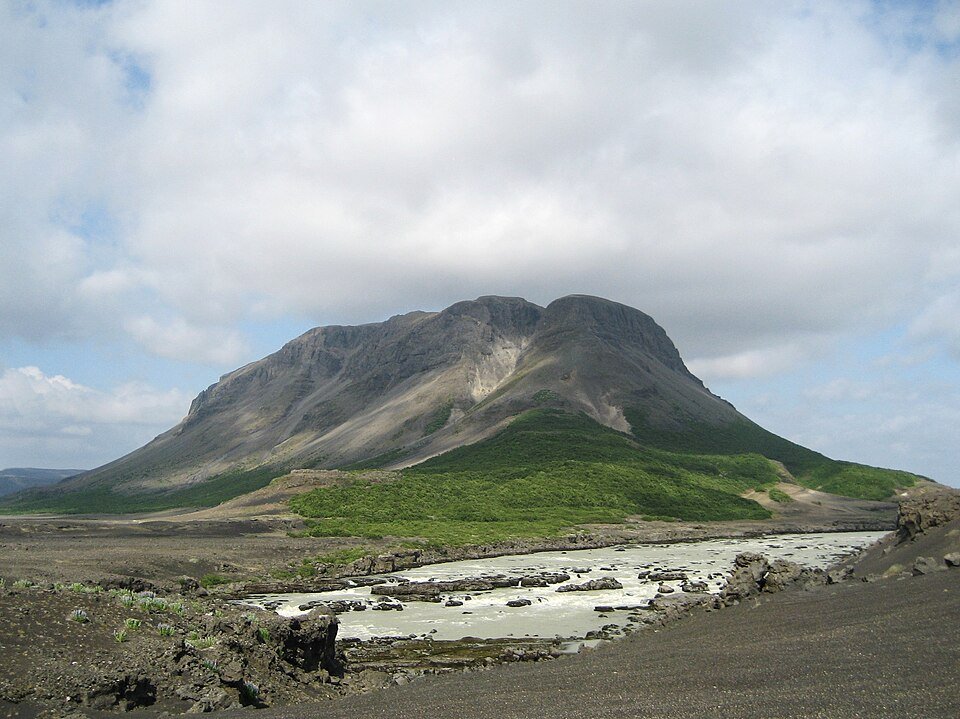
A bit of history. Settlement in the area of present-day Hafnarfjörður began in the Viking Age, and the naturally sheltered bay quickly became a convenient location for trade and fishing. In the Middle Ages, the port attracted Scandinavian and German merchants and later fell under Danish trade monopolies. The 20th century saw intensive industrialization, driven by fish processing and the expansion of the port, as well as the development of buildings on the lava fields. Today, Hafnarfjörður is a dynamic urban center, known for its culture, festivals, and the mythology of the “hidden people.”
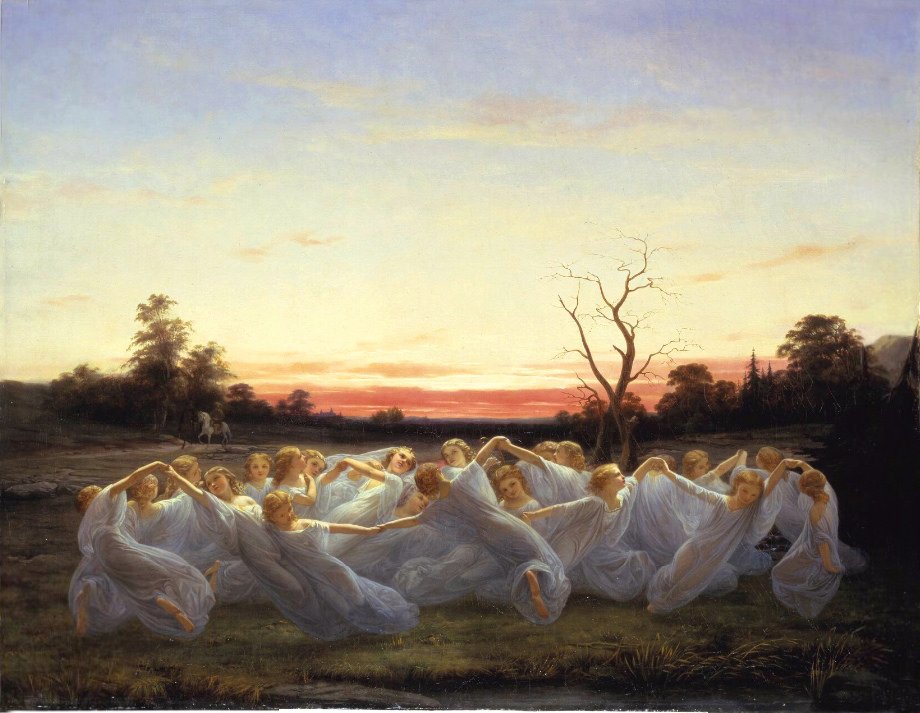
Culture. The city has a cozy, maritime atmosphere, a blend of fishing traditions, contemporary art, and legends of the “hidden people.” The narrow streets of the center, colorful houses, and parks built on lava create a peaceful atmosphere, yet with a vibrant cultural scene and a family-friendly rhythm of life.
Traditions and customs: legends of elves, strong ties to the sea, local neighborhood festivals, and midnight sun celebrations.
Art and architecture: wooden port houses, Scandinavian minimalism, art in public spaces.
Festivals and events: summer Viking festival, spring “Bright Days,” concerts and exhibitions at city cultural institutions.
Local lifestyle: family and outdoor activities, walks along lava paths, visits to geothermal pools, meetings in harborside cafes.
Nature.
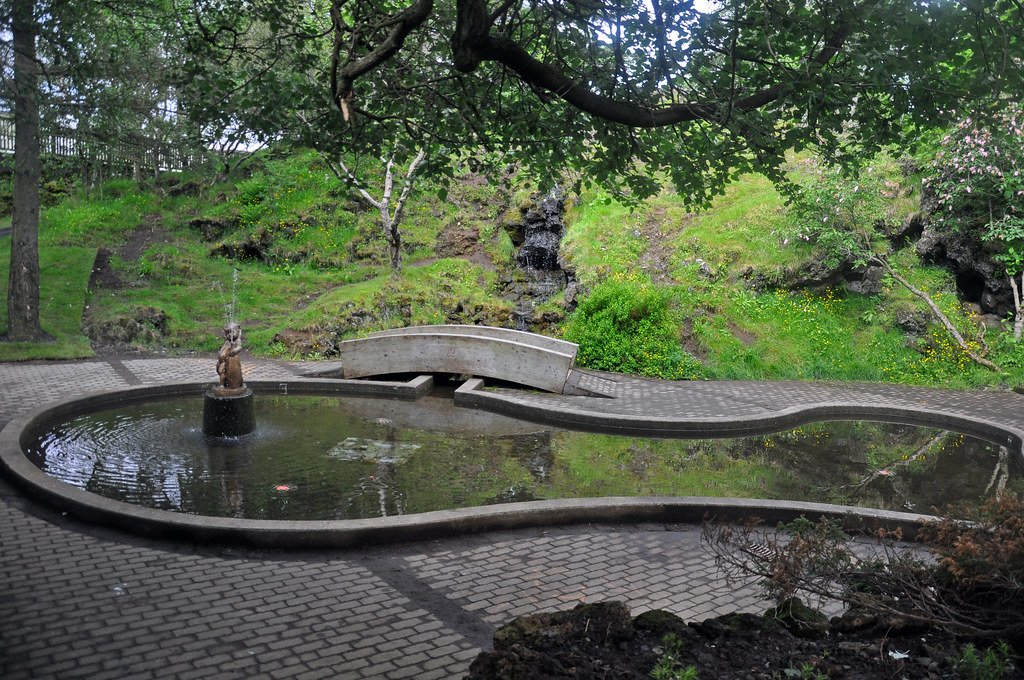
Parks and gardens: Hellisgerði, Víðistaðatún, areas around Ástjörn
Rivers/canals: No major rivers; recreation mainly in the bay (walks, birdwatching, occasional sea kayaking in good weather)
Hiking and cycling routes: Lava paths in Hellisgerði, around Ástjörn, and along the Hvaleyri coast; bicycle connections to Reykjavík
Viewpoints: Lava cliff edges at Hamarinn, harbor pier, Hvaleyri lighthouse.
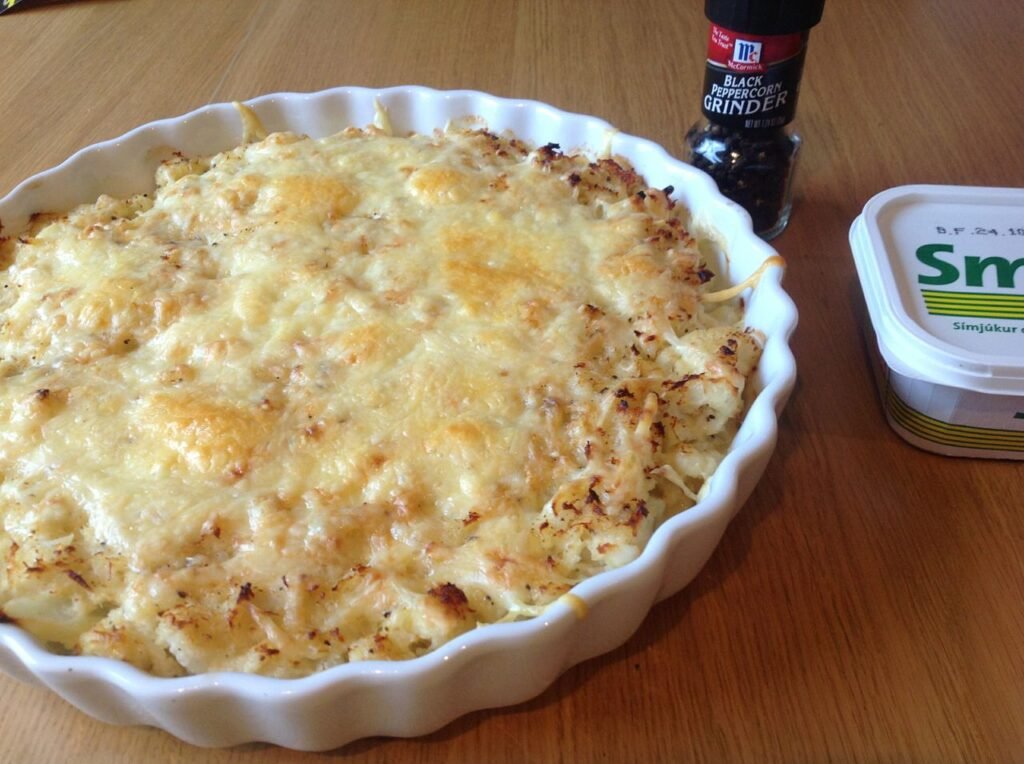
The cuisine is based on fresh fish, lamb, and dairy products, with a strong tradition of soups and stews. At the port, you’ll savor simple, fresh dishes from the daily catch, while the cafés are known for their pastries and coffee. The key here is the use of local ingredients and simple techniques that enhance the flavor of the raw materials.
Traditional dishes: fish soup, plokkfiskur (cod with potatoes), roast lamb, kjötsúpa (meat soup), smoked fish
Desserts and snacks: skyr with berries, kleinur (fried cookies), Icelandic pancakes, warm cinnamon rolls
Drink traditions: strong filter coffee, local craft beers, herbal spirits served for tasting
Where to eat: portside bistros, family-run eateries, cafes with homemade pastries, seasonal food trucks
How to get to Hafnarfjörður?
The most convenient way is to fly to the international airport on the Reykjanes Peninsula and then take the expressway to the Capital Region. From Reykjavík, it’s a short and direct drive by car or bus.
Airplane: The nearest international airport is approximately 45 km away; flights from many European cities year-round.
Train: There is no passenger rail service in Iceland.
Bus: Regular regional connections to Reykjavík and the surrounding cities; daily frequency: every 10–30 minutes.
Car: From the airport, take Route 41 towards the metropolitan area, then Route 40 to Hafnarfjörður; travel time: 35–45 minutes.
Weather: Cool maritime climate, with mild winters and cool summers; variable and windy weather year-round. The most daily light hours occur in May–July, and the shortest days in December–January.
Climate and Temperatures
Spring: 0–8°C, windy and showery; gradually increasing daylight.
Summer: 9–15°C, long days and midnight sun; possible episodes of 18–20°C in good weather.
Autumn: 1–8°C, more frequent rainfall and stronger winds; good conditions for observing the aurora from September.
Winter: -2–3°C, short days, possible snow and icy conditions; aurora with clear skies and geomagnetic activity.
Attractions and monuments.
Hellisgerði (Elves’ Garden): a garden in a lava field with picturesque rock formations; a place for walks and stories about the “hidden people.”
Hafnarborg – an art center: galleries and exhibitions of contemporary art, a concert and educational program in the heart of the city.
The Pier and Old Harbor: a walk along the waterfront, views of fishing boats and seabird colonies; a unique atmosphere at sunset.
Hafnarfjarðarkirkja: a church with characteristic, simple architecture, a landmark, and a concert venue.
Víðistaðatún and outdoor sculptures: a spacious park with art installations, ideal for picnics and activities with children.
Ástjörn Nature Reserve: a peat bog pond with birdlife; short nature trails close to developments.
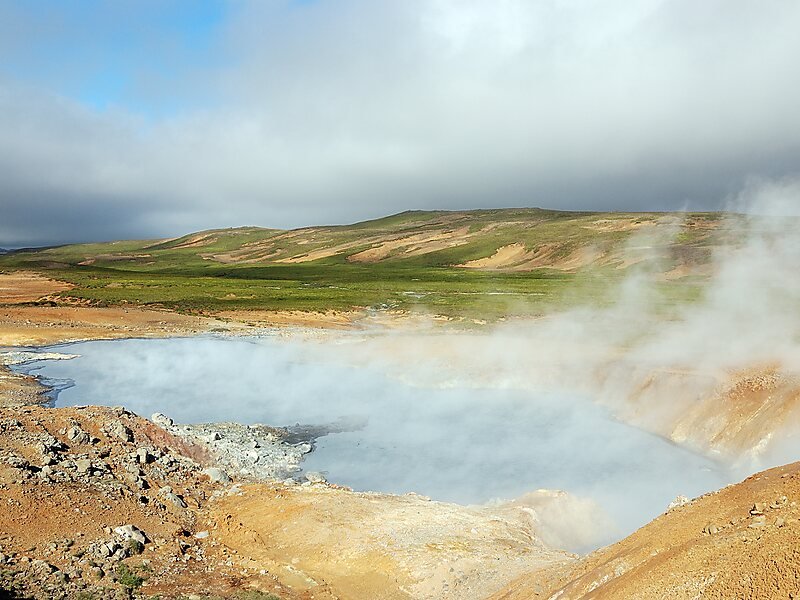
Seltún–Krýsuvík (within the municipal boundaries): colorful geothermal fields, bubbling mud, and sulfur fumes. access approx. 25–30 km to the southeast.