
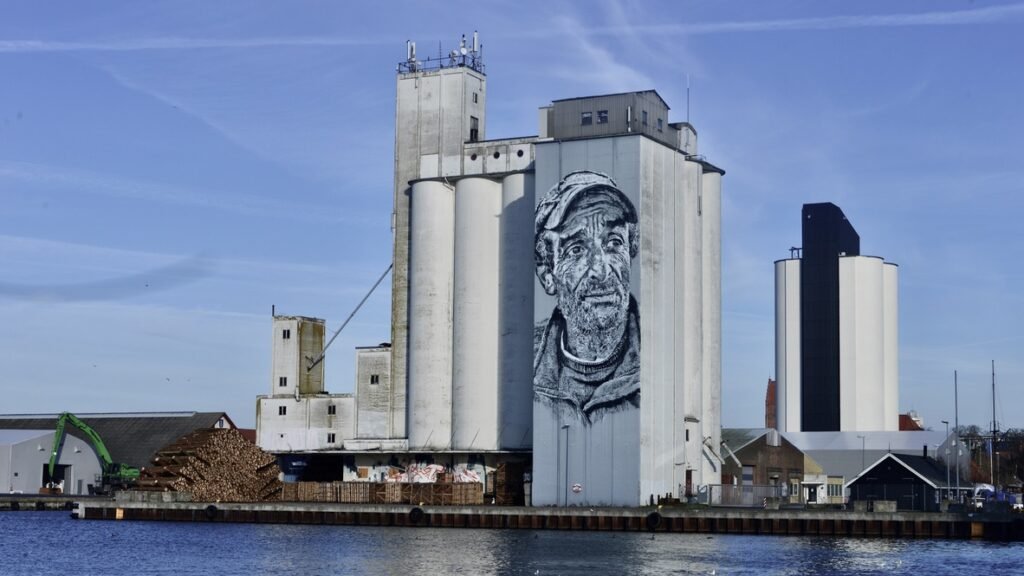
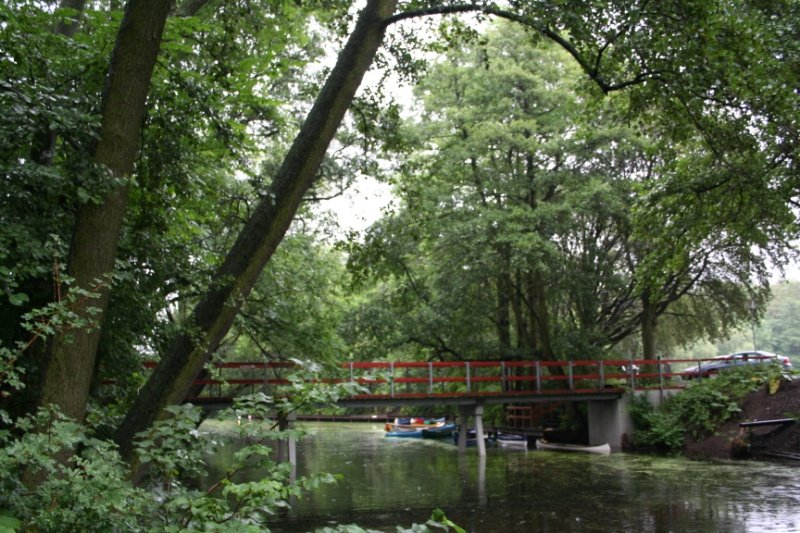
Næstved, a town in Denmark on the Suså River, is the seat of Næstved Municipality. Næstved Railway Station is located in the town. It is a good base for rowers. There is a youth hostel and a campsite. The town lies on the European Route of Brick Gothic.
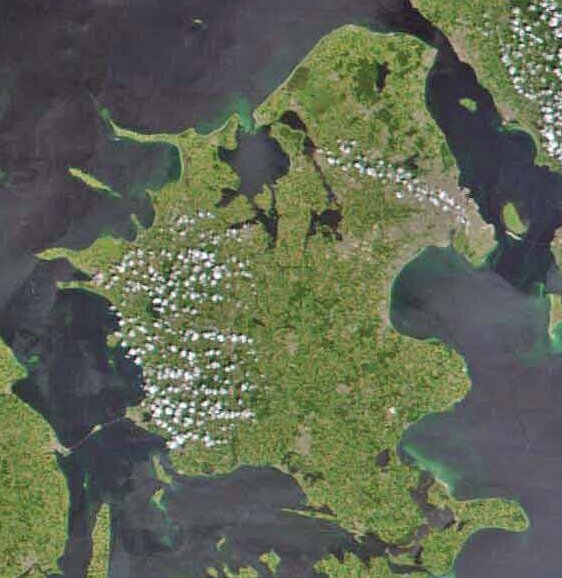
*Næstved is a town in southeastern Denmark, located in the heart of South Zealand, at the mouth of the Suså River and Karrebæksminde Bay. Its origins date back to the first half of the 12th century, when a small settlement formed around a nearby monastery. Thanks to its favorable location at a fork of the Suså River and trade with the German Hanseatic League, Næstved quickly became one of Zealand’s most important trading centers. Næstved’s centuries-long history has left behind an incredibly picturesque old town with numerous historic buildings. The most interesting of these include the 13th-century Gothic St. Martin’s Church (Sct. Mortens Kirke), the 15th-century Old Town Hall (the oldest surviving seat of government in Denmark), the Gothic St. Peter (Sct. Peders Kirkeplads), the 14th-century brick Helligåndshuset (House of the Spirit), the 16th-century House of the Apostles (named for the wooden figures of the Twelve Apostles and Christ that decorate it), Herlufsholm Monastery and Church, and Munkebakken Park (Monks’ Hill), perched on a 63-meter-high hill, with a statue of the legendary troll called Fladra. Næstved is a garrison town with a long tradition. For centuries, a regiment of Guard Hussars has been stationed here, and you can watch their horseback parade through the town every Wednesday at 12:00. Næstved is also a convenient base for exploring the Suså River Valley, considered one of the most beautiful landscapes in Zealand.
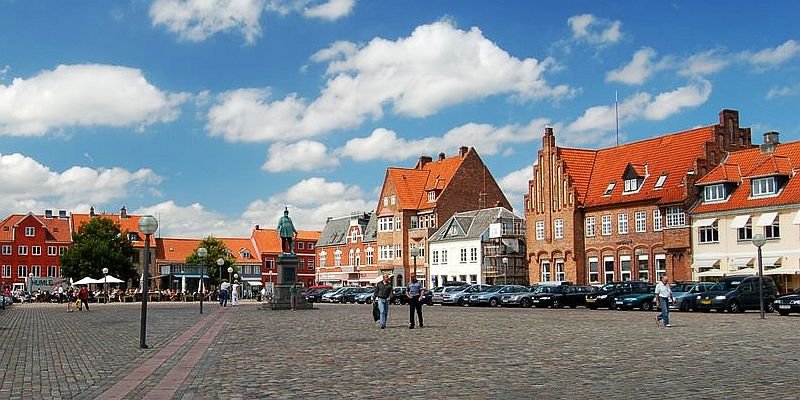
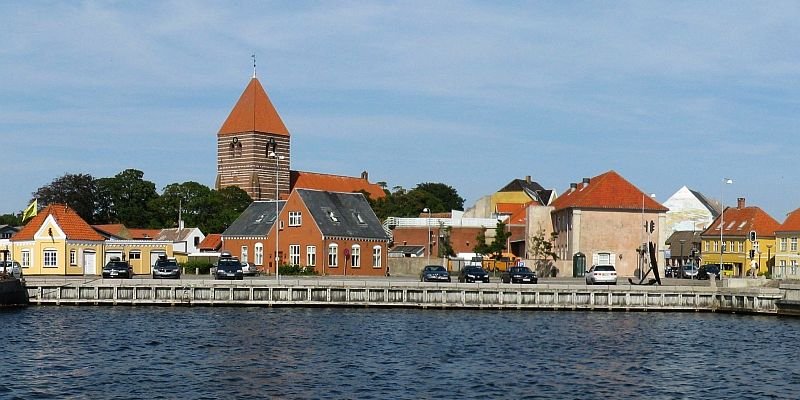
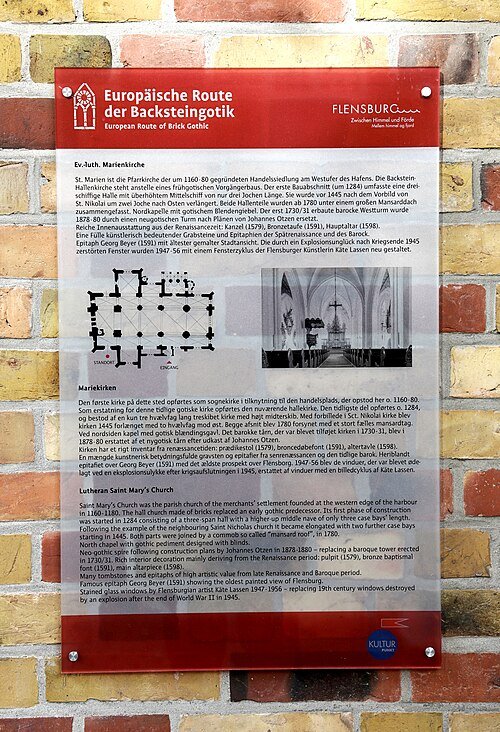
*The European Route of Brick Gothic (EuRoB) is an association of cities, towns, regions, municipalities, and institutions with brick Gothic buildings or whose headquarters are located in a brick Gothic building. The network also includes numerous sponsors and partners. The route connects several hundred sacred and secular buildings in Denmark, Germany, and Poland, including monasteries, churches, town halls, and townhouses, as well as urban fortifications such as city walls, towers, and city gates. The Association’s goal is to support art and culture, as well as science, education, and international understanding, with a particular focus on preserving the shared cultural heritage of Brick Gothic and promoting it to a wider audience.
*Naestved City Life. Naestved is an old town, and research shows that it existed even before the Viking Age. The word for Naestved is considered “purer land,” referring to the city’s origins. Over the past decade, Naestved has transformed into a vibrant city full of opportunities like never before. In the past few years, Naestved’s population has grown rapidly, making it the second fastest-growing city in the world. This has led to the creation of more galleries, workshops, and other job opportunities, and more and more expats are moving to Naestved in search of a better life. The growing population has caused traffic jams in the city center, but newly built roads throughout the city have solved this problem. We’ve compiled a list of all the important factors, such as city life, restaurants, transportation, industry, and more, that every expat should know before moving to Naestved.
*Restaurants and shopping malls. Naestved is well-known for its restaurant and café scene, and the city now offers a wide range of dining options, especially in the city center. It is also known for its attractive surroundings and shopping centers full of specialized shops. The first large shopping center, Naestved Storcenter, was built in 1989 on the outskirts of the city. Now, the Danish design center with over 80 stores has become an integral part of the city. The mall boasts over seven different restaurants, from pizza and hamburgers to Mexican cuisine. The Storcenter, especially since the opening of Bilka, attracts most expats living in Zealand, who come east to shop, as it is easily accessible by public transportation such as trains and buses.

*Transportation. It doesn’t matter whether you want to move to Naestved or anywhere else in the world. Transportation is one of the most critical factors that cannot be ignored. Good transportation services allow you to reach all the important places you need to live, such as your workplace, school, shopping centers, and so on. As in other developed areas of Denmark, thanks to politicians and the establishment, you have easy access to Naestved. The railways and roads in Naestved have improved significantly over the past decade, making it very easy to reach all destinations in Zealand.
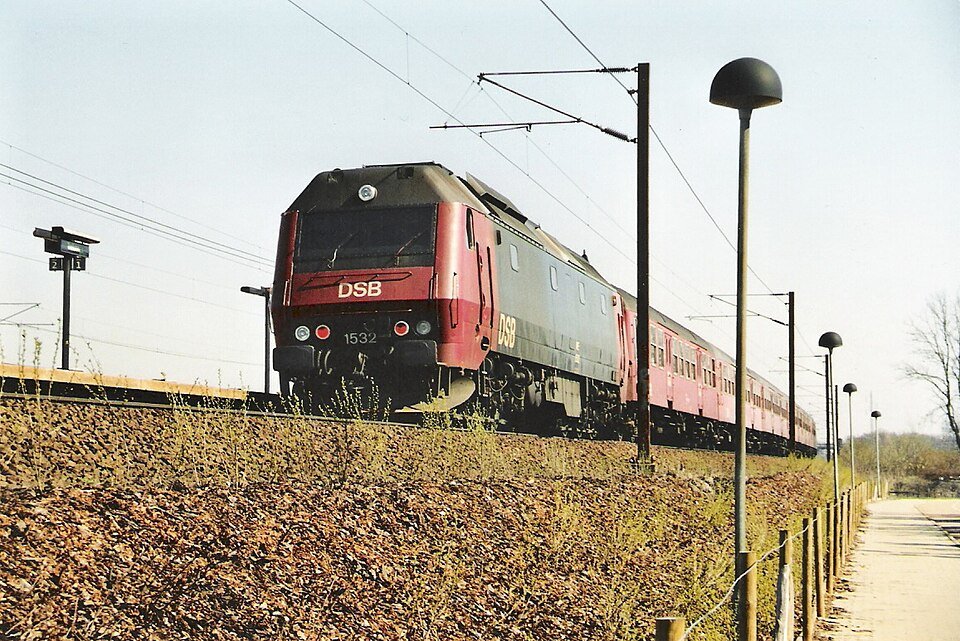
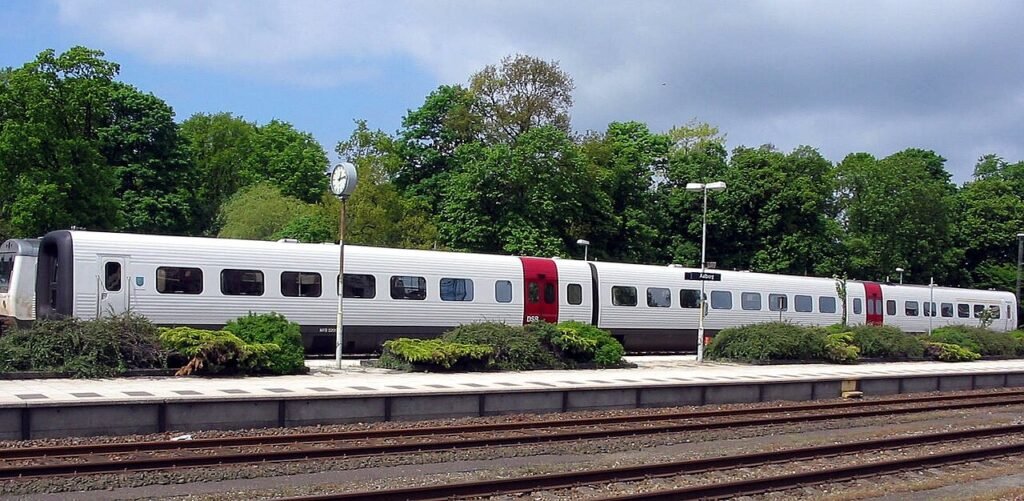
Railways. If you enjoy traveling by train, you don’t have to worry about anything, as Naestved has two train stations: Naestved Station and Naestved Nord Station.Both are operated by DSB (Danske Statsbaner) and serve trains on the Lille Syd and Sydbanen lines. Due to the increasing traffic congestion in Naestved, more and more people are traveling by train to save time.
Roads. As mentioned, Naestved’s population is growing dramatically, so the road infrastructure is under pressure. The roads are very busy, especially in the mornings and evenings. However, improvements are underway, and new roads are constantly being built. The existing road infrastructure connects Naestved with all four major towns.
Buses. Naestved has a very extensive bus network that connects the urban area with the city. Most buses also offer transportation to all major towns in the surrounding area. Bus fares are very affordable, and tickets are purchased upon boarding. You can reach the main Naestved bus terminal, from where all buses to other towns depart. Furthermore, you can also access bus services from all main squares for trips within the city. Local transport, one-way ticket: 24 SEK, Taxi fare per kilometer: 20 SEK, One liter of petrol: 10.5 SEK
*Students. Students from the EEA (European Economic Area) or the rest of Europe simply need to secure a place in any program offered by universities in Denmark. Students from the rest of the world must apply for a student visa and meet other requirements, which vary by location. Obtaining a student visa is comparatively easy and can be obtained quickly by presenting a letter of acceptance or admission from the university. However, it’s important to remember that each student visa is valid for only one academic year.