
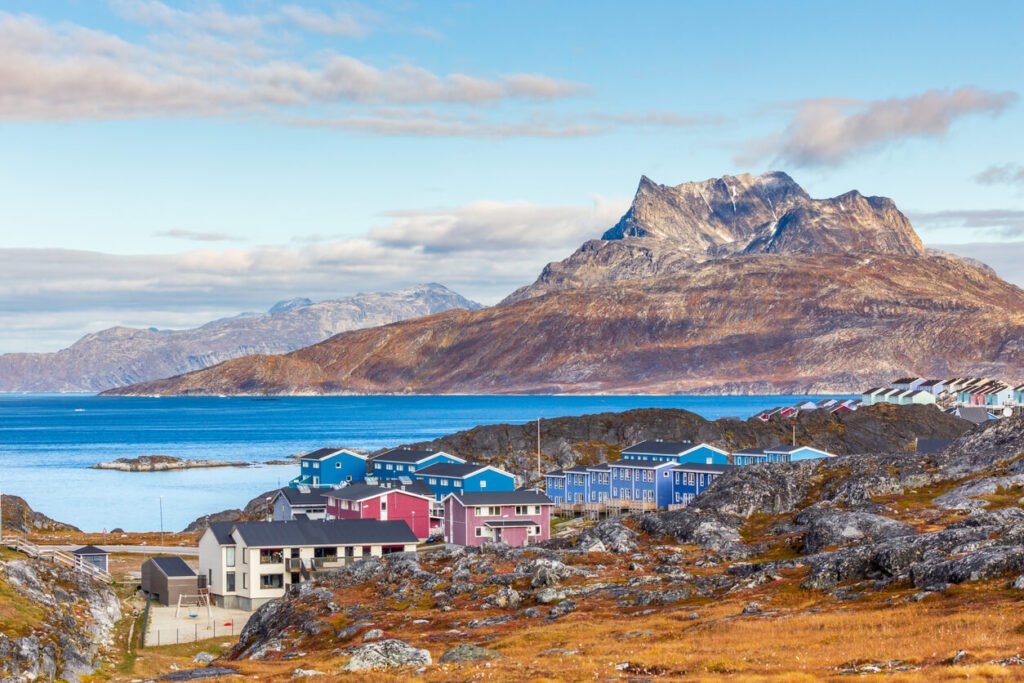
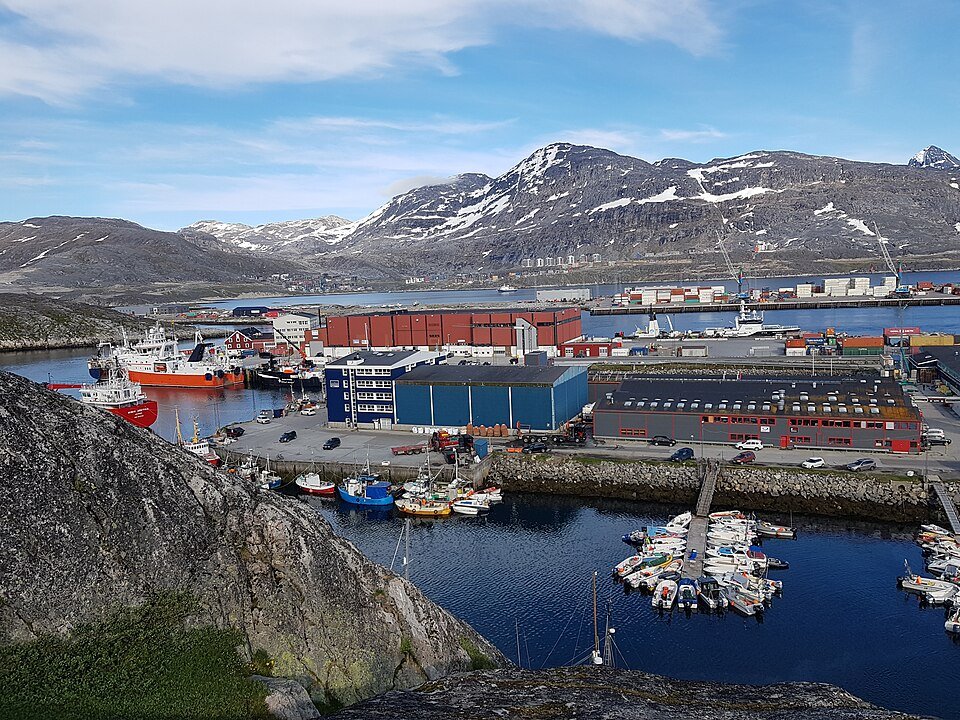
Nuuk is the capital and largest city of Greenland. Located in the southwest of the island, on the Davis Strait, approximately 250 km south of the Arctic Circle, it houses a commercial port, a fishing port, a food processing plant, a small shipyard, an airport, and the island’s economic, cultural, and scientific center. It is also home to the Nuuk Center shopping mall. The city also boasts the disused Ravnebakken ski jump, which has a 30-meter construction height. Nuuk is the capital of Greenland and the seat of Sermersooq Municipality. The highest building in the city is 100 meters above sea level.
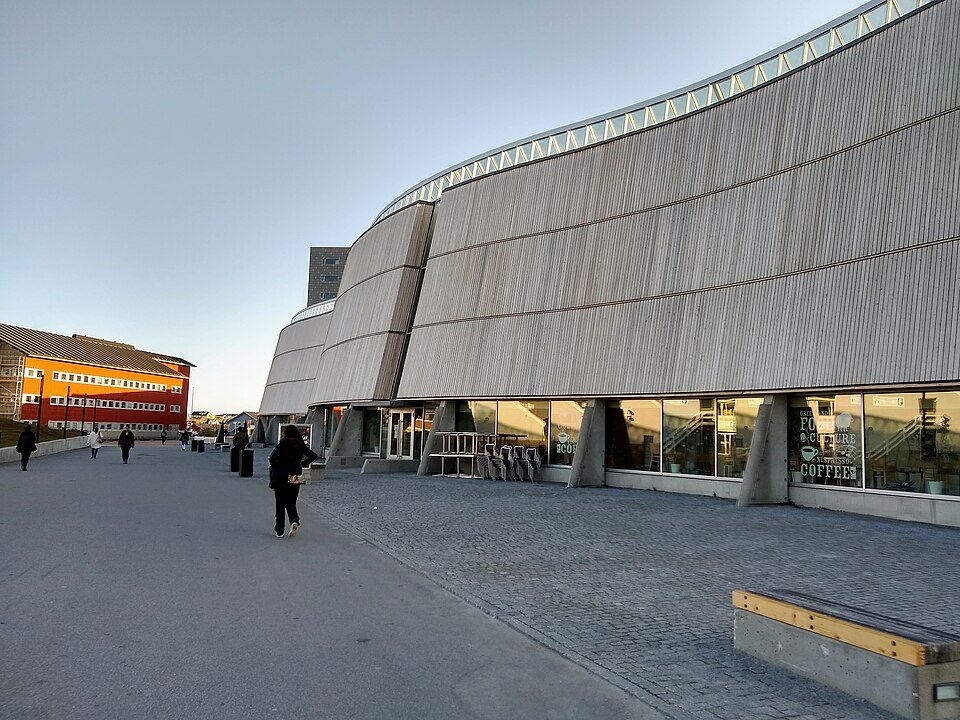
Nuuk is home to several schools, including the University of Greenland, the only one on the island. It is also home to the Greenland National Museum, the Katuaq Cultural Centre, and the Public and National Library of Greenland. The University of Greenland, located in Nuuk, is the only institution of its kind in Greenland. Most courses are taught in Danish, with English and Greenlandic being less common. As of 2007, the university has approximately 100 students – almost all of them local residents. It also employs 14 lecturers and five technical and administrative staff. The small student population is largely due to the government allowing students to choose any school in Europe or North America. However, those who choose not to emigrate and choose to study in Greenland receive a monthly stipend of 4,200 Danish kroner. This amount is sufficient for living expenses and dormitory fees; there are no tuition fees. However, the stipend is only for local residents; visiting students are responsible for their own expenses.
Nuuk has an airport connected to many destinations in Greenland. Air Greenland departs from here. Icelandair operates flights to Keflavík Airport in Iceland. Passenger shipping is handled by Arctic Umiaq Line. Nuuk is not connected to any other towns by road. Public bus transportation is provided by Nuup Bussii. Air Greenland is a Greenlandic airline based in Nuuk. It operates domestic flights to Greenland and overseas flights to and from Reykjavík. Its main hub is Nuuk Airport. It was founded on November 7, 1960, under the name Greenlandair (Grønlandsfly). In January 1972, the charter airline Glace Greenlandair Charter was spun off, and in 2002, the two carriers merged again under the current name Air Greenland. The carrier also includes the Icelandic airline Norlandair, founded in 2008.
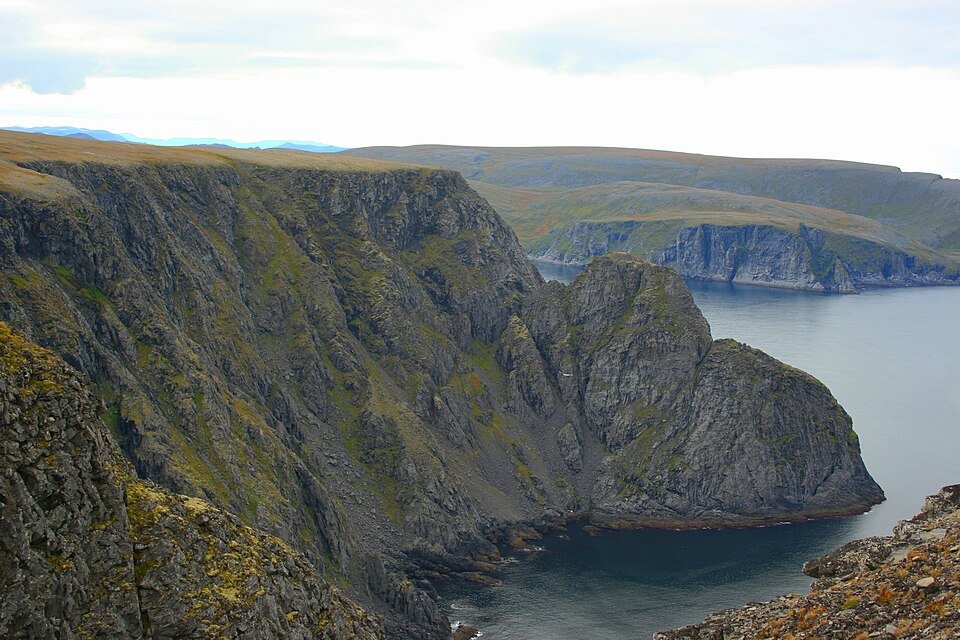
Nuuk is located on the west coast, approximately 240 km south of the Arctic Circle. According to the Köppen climate classification, it has a tundra climate. The average annual temperature is –1.4 °C. The warmest month is July (9.1 °C), and the coldest is February (–5.8 °C). Annual precipitation is 781.6 mm. The Köppen climate classification system, developed by German climatologist Wladimir Köppen, based his classification on mean monthly temperatures and the amount and distribution of annual precipitation, relative to latitude. It is the most widely used classification system. Köppen published his first scheme in 1900, a revised version in 1918, and continued to make adjustments to the classification system until his death in 1940. Other climatologists modified elements of the Köppen classification numerous times based on their own experiences in various parts of the world, but the basic structure has remained unchanged to this day.
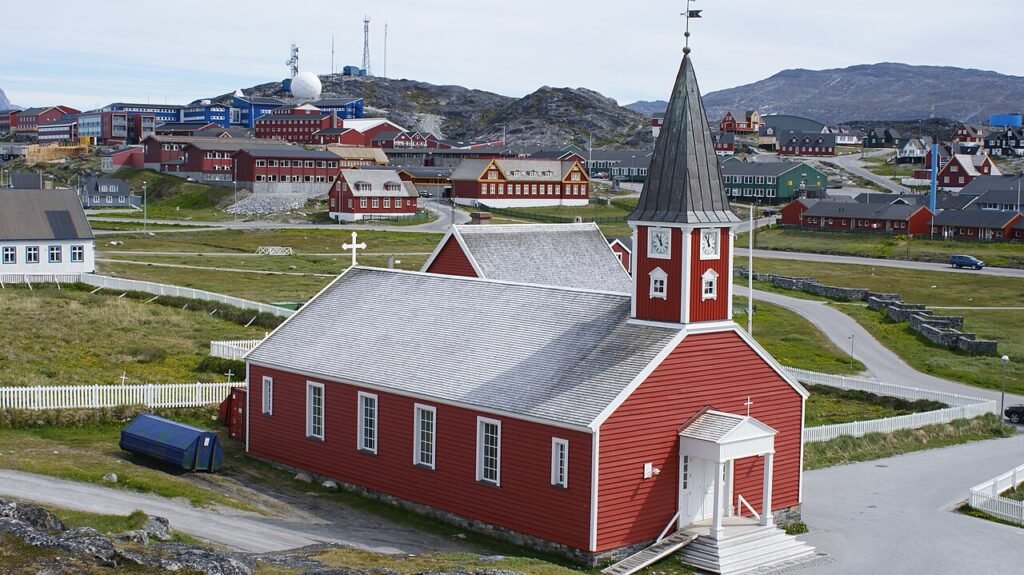
The city is home to the wooden Nuuk Cathedral, which serves as the cathedral of the Lutheran Diocese of Greenland under the Church of Denmark, as well as the Lutheran Hans Egede Church. The town also houses a Catholic parish, Christ the King Parish, under the Diocese of Copenhagen. Nuuk Cathedral, also known as the Church of Our Savior, is located in the western, oldest part of Nuuk, on Hans Egedesvej – one of the city’s main streets, leading from the former colonial port. This makes the building stand out in its historic surroundings, even though it is not located in the very center of the Greenlandic capital. To the north of the church lies an old cemetery. A monument to Hans Egede is located on a rocky hill overlooking the church. The church was built on a rectangular plan, measuring approximately 23 x 12 m. The building’s base is made of carved natural stone, while the double walls are of half-timbered construction, originally plastered, and now clad externally with red planks laid on clinker brick. The gable roof is covered with slate.
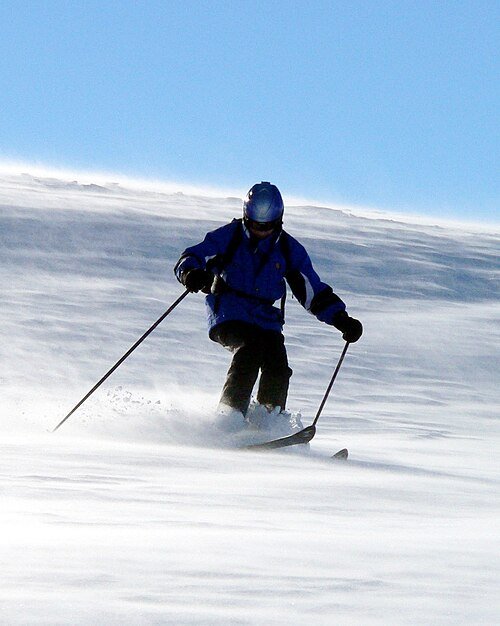
Nuuk is home to the following sports clubs: Nuuk Idraetslag: football (men’s and women’s sections), handball, B-67: football, handball, badminton, Grønlands Seminarius Sportklub: football, handball, and biathlon. Nuuk has a stadium that seats up to 2,000 people, where the Greenlandic league is held, and the Godthåbhallen handball stadium, which seats up to 1,000 people. There is also an alpine ski slope with lifts (300 m elevation difference) on Lille Malene Mountain, from the lower cable car station near the airport terminal. Alpine skiing (or downhill skiing) is a form of skiing, alongside classic skiing (cross-country skiing and ski jumping), freestyle skiing, ski mountaineering, and ski touring, involving sliding down a snow-covered mountain slope or artificial slope on skis attached to ski boots with special bindings. It can be practiced as a recreational activity or a sport. It is practiced on downhill slopes, ski trails, and pistes, or off-piste. Skiers typically also use poles. Specific forms of alpine skiing include telemark skiing, freeride, speed skiing, extreme skiing, and skiing on grass (roller skis) or plastic surfaces.
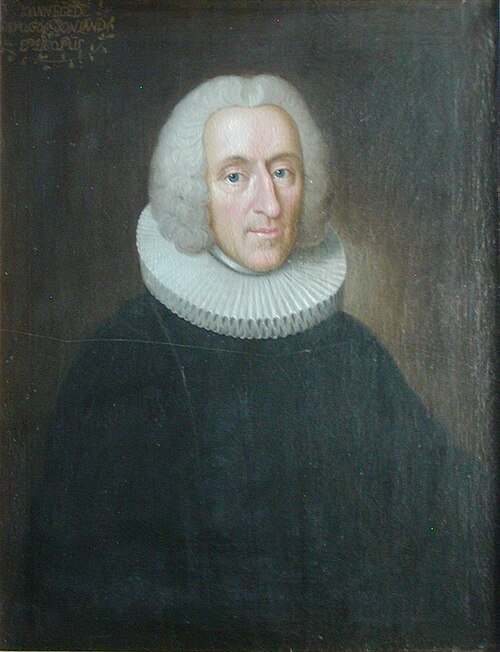
Hans Nielsen Egede, a Norwegian Lutheran missionary, was known as the Apostle of Greenland. He came from one of the islands in the Lofoten archipelago in northern Norway. There, he heard tales of a green land settled by Vikings, with whom contact had been lost many years earlier. In May 1721, he asked King Frederick IV of Denmark for permission to establish a colony and mission, assuming that the inhabitants of Greenland had drifted away from Christianity. Frederick granted this permission. Egede landed on the west coast of Greenland on July 3, 1721. He searched for a Viking village but found no descendants of the Scandinavian settlers. Instead, he encountered the Inuit, among whom he began his missionary work. He studied the language of the Greenlanders, into which he translated Christian texts. Egede founded the settlement of Godthåb (now Nuuk), which later became the capital of Greenland. In 1724, he baptized the first child there. The new Danish king, Christian VI, called for the return of all Europeans from Greenland in 1730. However, Egede remained, persuaded by his wife, Gertrude. His book Det gamle Grønlands nye Perlustration, which he wrote in 1729, was translated into several languages. In 1734, a smallpox epidemic broke out among the Inuit. Gertrude Egede died of the disease in 1735. Hans Egede left his son Paul in Greenland and arrived in Copenhagen with his daughter and his second son, Niels, on August 9, 1736. Despite this, he became Bishop of Greenland in 1740. In 1747, he wrote a catechism for use in Greenland. Egede became a national Greenlandic “saint,” and the town of Aasiaat commemorates him in its Danish version of the name, “Egedesminde.” It was founded by Hans’s son, Niels Egede, in 1759 on the Eqalussuit Peninsula but moved to the island of Aasiaat in 1763. The new settlement was built on the site of a former Inuit village.
