
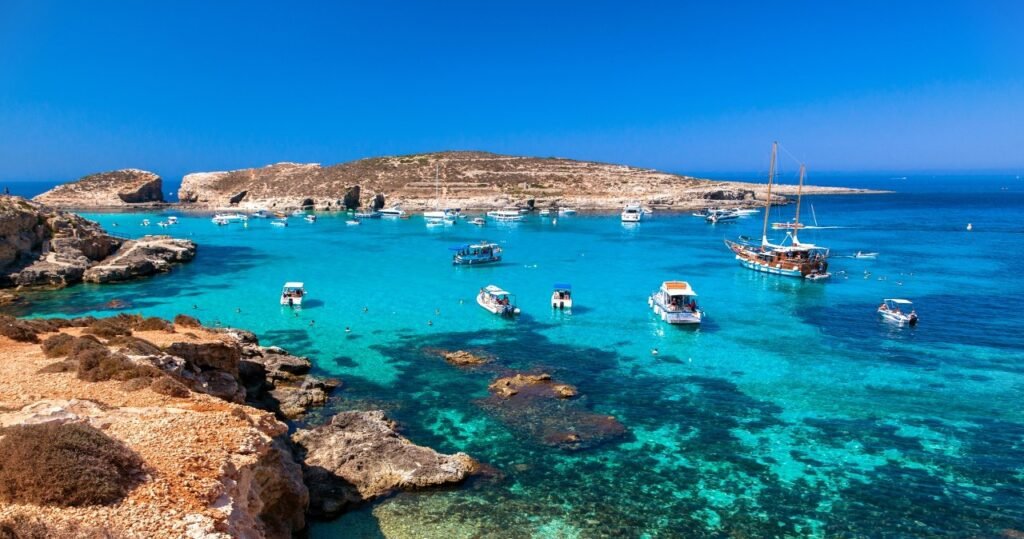
Malta, the Republic of Malta, is an island city-state located in Southern Europe, in the Mediterranean Sea, 81 km south of Italy. It encompasses the entire Maltese archipelago, but the majority of the population lives on the main island of the same name, in the metropolitan area of Valletta, Malta’s capital. Modern Malta is a developed country with a very high human development index, a good quality of life, and a high life satisfaction index (ranking 14th globally). It is a member of the European Union and several international organizations, including the UN, OSCE, the Commonwealth of Nations, and EuroMed. The official currency is the euro. The official languages are Maltese and English. Malta has a subtropical Mediterranean climate, with short, very mild winters, a long period of warm summers, and 300 days of sunshine annually.
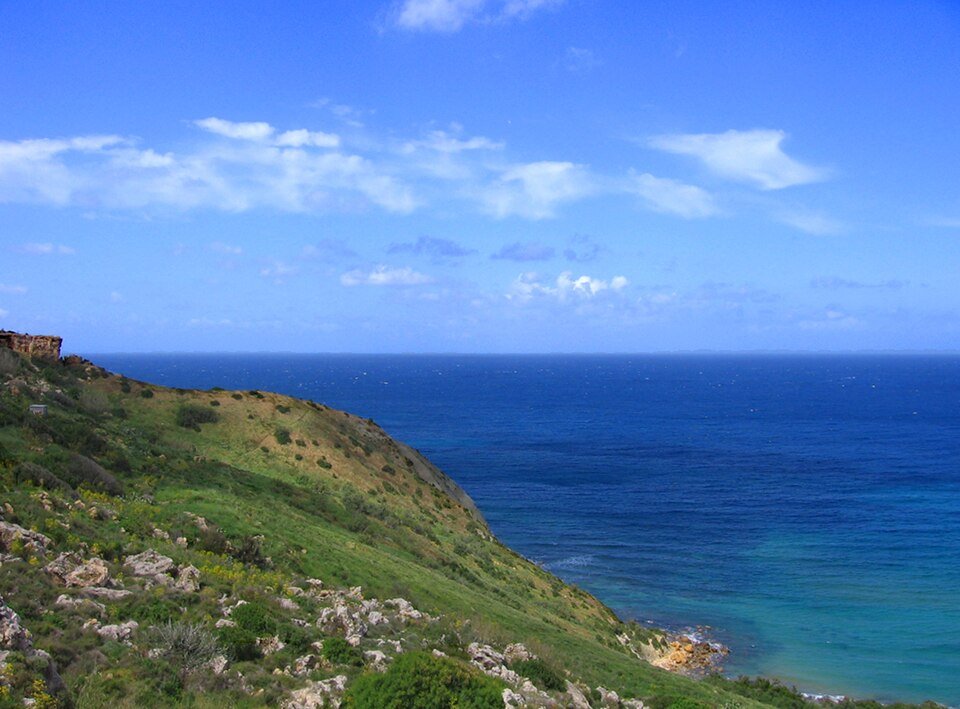
Location, topography, archipelago, geology, urbanization, climate. Malta is located in the central Mediterranean Sea, 81 km south of Sicily in Italy and 286 km northeast of Tunisia. It is the southernmost country in Europe, lying further south than some North African cities, such as Tunisia’s capital, Tunis, and Algiers, the capital of Algeria. It borders Italy to the north across Mediterranean waters. Malta is a lowland country, although hills occur in the southwestern part of the main island and on the island of Gozo. The coastline is quite varied, with numerous bays and peninsulas. In the northern and western parts of the main island and on the coast of Gozo, the coastline slopes gently into the sea, and this is also where the largest number of beaches are found. Most of Malta’s sandy beaches are formed by dunes. Cliffs occur in the southern part of the main island, in parts of Gozo, and on several smaller islands. The main cliff ranges in the archipelago are the Dingli Cliffs and the Ta’ Ċenċ Cliffs. Their height reaches up to 130 meters above sea level in some areas. The Maltese cliffs are on the tentative list of UNESCO World Heritage Sites. The island of Malta is the main island of the Maltese archipelago, covering almost 78% of the archipelago’s area, over 93% of the country’s population, and generating 95.8% of the country’s GDP. The other islands are Gozo, which covers 21% of the archipelago’s area, almost 7% of the population, and 4.2% of the country’s GDP, and Comino, which covers 0.9% of the archipelago’s area – both are also inhabited. The Maltese archipelago, located between Sicily and Tunisia in Italy, was formed by the uplift of sedimentary rock. It is composed almost entirely of sedimentary rocks – primarily coralline limestones – formed during the Oligo-Miocene period. Malta forms the tip of a rotated fault at the edge of the Malta Rift Valley. The Italian island of Lampedusa was formed in a similar process on the southwest side of the Rift Valley. The Maltese archipelago connects Sicily with an underwater plateau less than 100 meters deep. During various marine regressions in the Mediterranean, Malta was connected to Sicily by an isthmus through which animals could pass. Most of Malta’s population lives in the Valletta metropolitan area. The core of the metropolitan area is located directly around Valletta. Areas beyond are connected to the metropolitan center by metropolitan links. The southwest part of the main island and the island of Gozo are relatively undeveloped. The remaining islands are untouched. Malta has a subtropical Mediterranean climate, with very mild winters and long, warm, and partly hot summers. The average annual temperature is 23°C during the day and 16°C at night. According to International Living, Malta has the best climate in the world. Malta’s capital, Valletta, is the sunniest city in Europe.
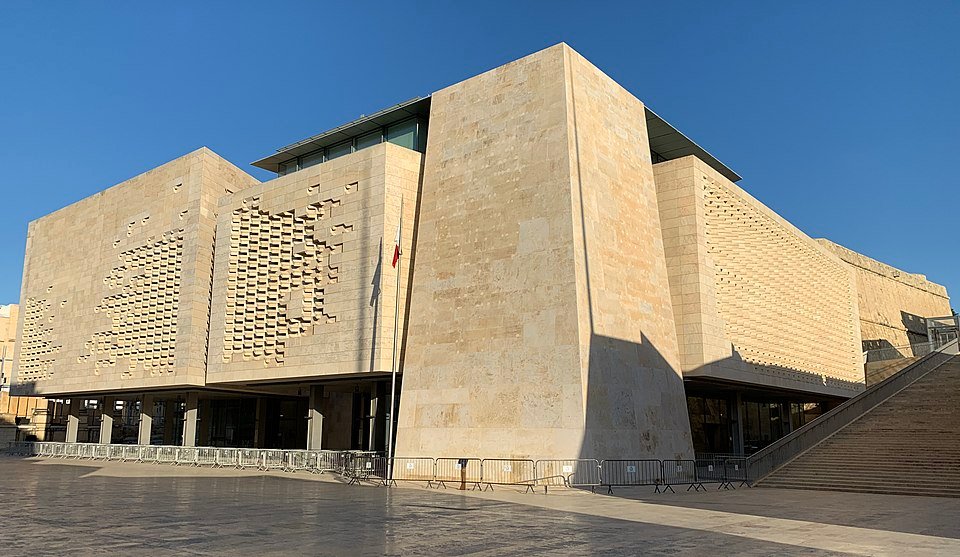
Political system. Malta is a parliamentary republic. The head of state is the president, elected by Parliament for a five-year term. Legislative power is vested in a unicameral parliament called the House of Representatives, composed of 69 members. Sixty-five members are elected from 13 five-member constituencies, four of which have been declared by the Electoral Commissioners as Members of Parliament pursuant to Article 52 of the Constitution of Malta. The term of office is five years. Executive power is exercised by the government and the president.
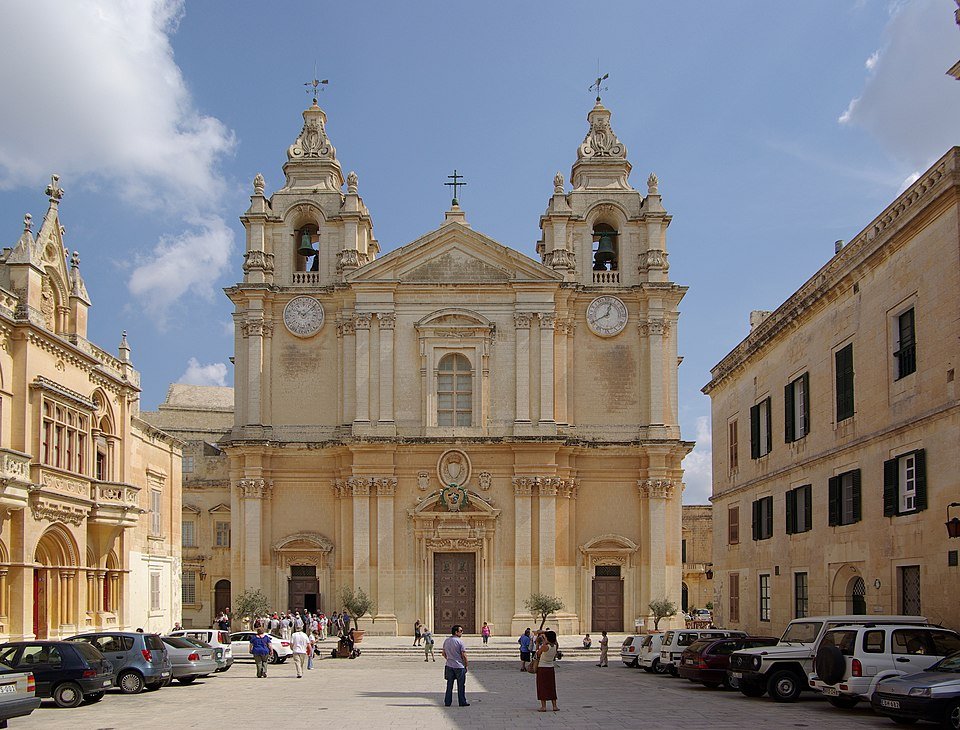
Religion and denominations. According to 2019 data, approximately 90% of Maltese are Christians (97% in 2010), of whom Catholics constitute 83% of the population (down from 95.8%). According to a 2005 report, approximately 52.6% of Maltese residents attended Sunday Mass, while according to data from the Archbishop of the Archdiocese of Malta, 40% of residents attended Sunday Mass in 2015. The Metropolitan Archdiocese of Malta is a Latin Rite metropolitan see covering Malta. It is divided into the Archdiocese of Malta and the Diocese of Gozo. According to a 1995 report by the Archdiocese of Malta, there were 359 churches and 78 parishes in Malta and Gozo. Currently, there are 86 parishes (71 in Malta and 15 in Gozo).
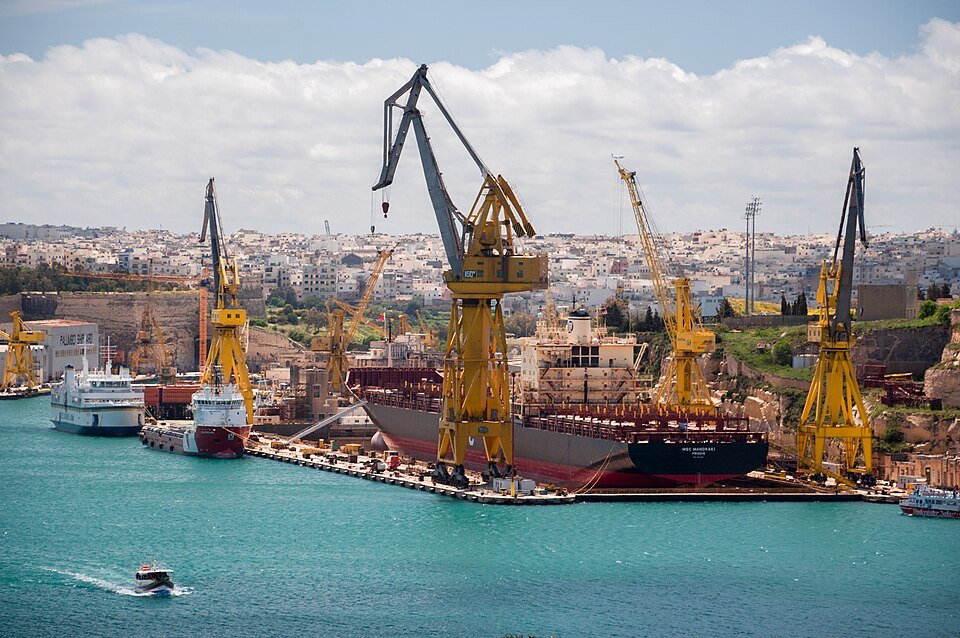
Economy. Textile production and shipbuilding were among the most important sectors of the economy in the mid-20th century. Until the 1960s, the continued presence of Royal Navy bases on the island was a pillar of the Maltese economy, but the British Army and Navy began to abandon their military bases one after another. After the country gained independence in 1964 and with the onset of globalization, shipbuilding and light industry became unprofitable. Since the 1970s, successive governments have capitalized on the citizens’ good English skills and the highly skilled local workforce to reorient the economy toward more profitable ventures, primarily in the tourism and semiconductor industries. Initially, the Maltese government strongly stimulated the economy through direct investment, state intervention, and financing of large state-owned enterprises. In the late 1990s, many state-owned companies were privatized, and since then, Malta has fully transitioned to a market economy. The legal and organizational changes culminated in Malta’s accession to the European Union in 2004. Currently, the main sectors of the economy are foreign trade, manufacturing (primarily electronics), financial services, and tourism. Average annual income, depending on the source, was €21,446 (2010) or €20,196 (2020) gross per person. Personal tax rates in Malta are among the lowest in the European Union. The corporate tax rate in Malta is 35%; however, the refund is usually equivalent to 6/7ths of the tax paid, resulting in an average tax rate of 5%.
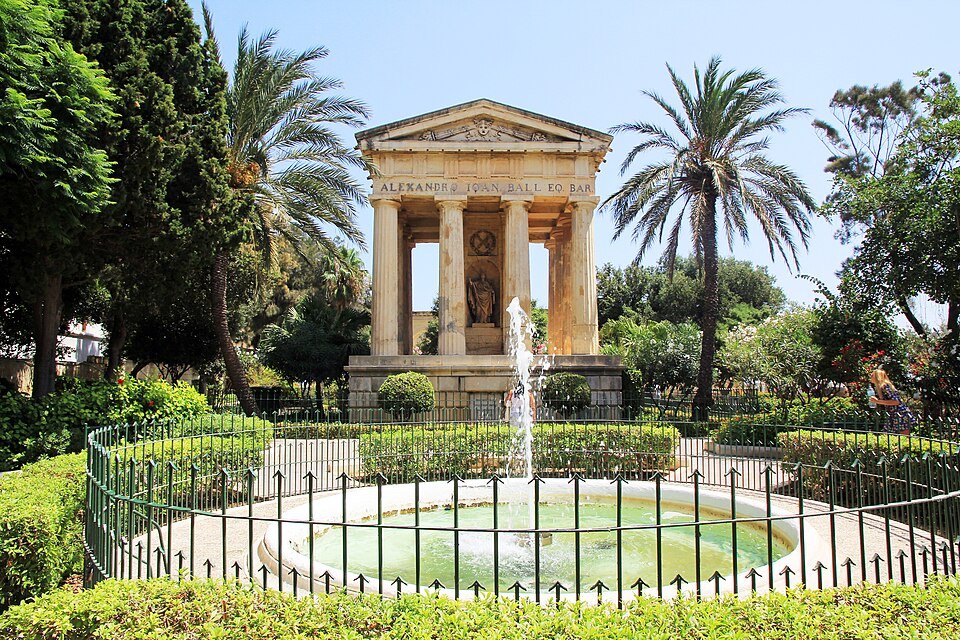
Parks and Gardens. Apart from areas with special status, such as national parks and reserves, Maltese city parks are small in size, yet numerous. Due to their unique character, these parks usually have garden status. They have served residents since the early 15th century. Most towns in Malta have public gardens, which serve as meeting places for residents and playgrounds for children. Valletta, despite having an area of only 0.8 km², is home to three popular Maltese gardens: the Upper Barrakka Gardens, the Lower Barrakka Gardens, and Hastings Gardens. One of the most important gardens in Malta is San Anton Gardens, established in 1623 and opened to the public in 1882. These gardens are adorned with ponds, fountains, and volleyball courts. It boasts a wide variety of trees and plants from around the world, some planted by visiting heads of state. Buskett Gardens is one of the largest wooded areas in Malta and is also a bird sanctuary, with around 3,000 birds passing through it regularly during the season.
Education and Languages. Maltese educational institutions—state, private, and religious—provide a broad range of education. Preschool classes begin at age 3. Education is compulsory from ages 5 to 16. Education in Malta is based on the British model. Primary school lasts six years, from ages 5 to 11. At age 11, students take an examination for entry to secondary school. After completing secondary school at age 16, students take the Matura exams. After completing compulsory schooling, students are encouraged to choose from approximately 50 different vocational and academic courses in post-secondary sectors, including colleges. In addition to receiving free education, these students also receive financial scholarships during their studies. Education expenditure accounts for approximately 8% of Malta’s GDP, the fourth highest in the European Union. Maltese and English are official languages in Malta and are used for teaching students at both primary and secondary levels, and both languages are also compulsory subjects. Public schools tend to use both Maltese and English in a balanced manner, while private schools prefer to use English. English is the language of choice at the University of Malta and in some settings, such as banks, accounting firms, medical services, and IT companies. Around 90% of Maltese can communicate in English. Around 14% of Maltese say they use English at home and 29% at work. According to a study by the National Statistics Office of Malta, 86.23% of Maltese “prefer” to speak Maltese, 11.76% prefer English, and 1.84% prefer Italian. At the level of culture and cultural practices, the Maltese are divided into two categories: those who support greater use of Maltese and those who support greater use of English. In a 2001 survey, 43.2% of respondents said they usually read in English, 48% said they usually watched television and cinema in English, and 48% and 59.2%, respectively, in Maltese. Malta is home to numerous English language schools for foreigners.
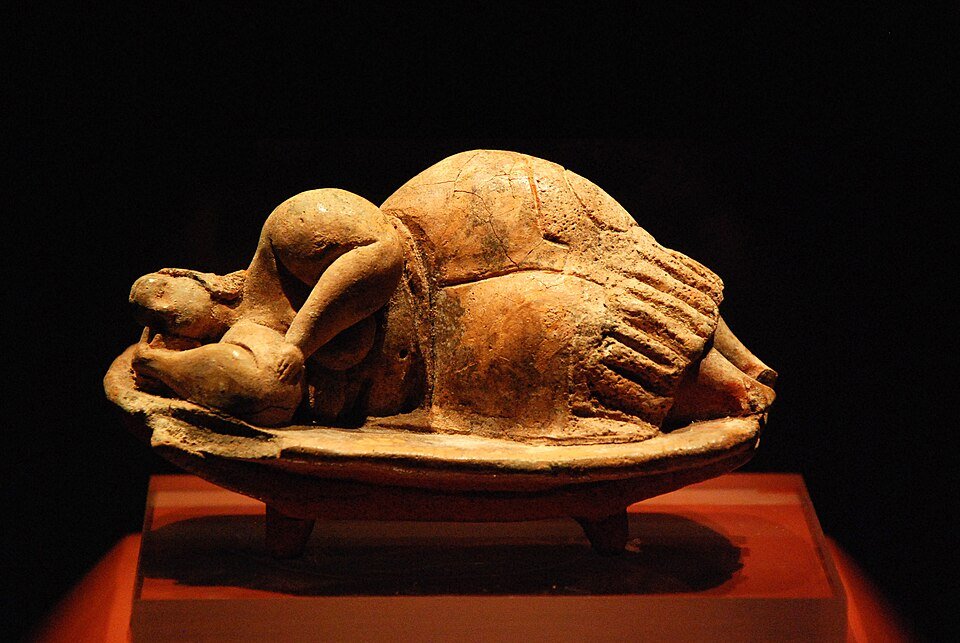
Maltese architecture and art reflect the diverse cultures that have encountered the Maltese archipelago over the centuries. The origins of Maltese architecture and art are linked to the prehistoric Maltese civilization. This civilization built megalithic temples nearly 6,000 years ago, between the 4th and 3rd millennia BCE. Ruins and artifacts, such as various figurines, survive to this day. After this period, Malta was ruled by the Phoenicians, Carthaginians, and later the Romans. The Roman period introduced decorative mosaic floors, marble colonnades, and classical statues. Cities such as Melite and Gaulos were founded, and numerous temples and palaces were built. Few structures remain. Parts of the ruins and many artifacts from this period are currently housed in the Domvs Romana Museum. After the fall of the Western Roman Empire, Malta became part of the Byzantine Empire (533–870 AD) and later came under Arab rule (870–1091 AD). Virtually no examples of Byzantine or Arabic architecture survive, although the Arabs influenced Maltese vernacular architecture and language. As part of the County and Kingdom of Sicily between 1091 and 1530, Malta experienced a variety of styles. However, relatively few examples of medieval architecture survive today, apart from a dozen chapels and some buildings in Mdina and the Cittadella. Maltese architecture flourished during the rule of the Knights of St. John from 1530 to 1798, when Renaissance and later Baroque styles were adopted (see Baroque architecture in Malta). The Knights of St. John also imported Italian and Flemish Mannerist painters to decorate their palaces and churches. After 1800, Malta became part of the British Empire, and styles such as Neoclassical and Neo-Gothic were adopted.
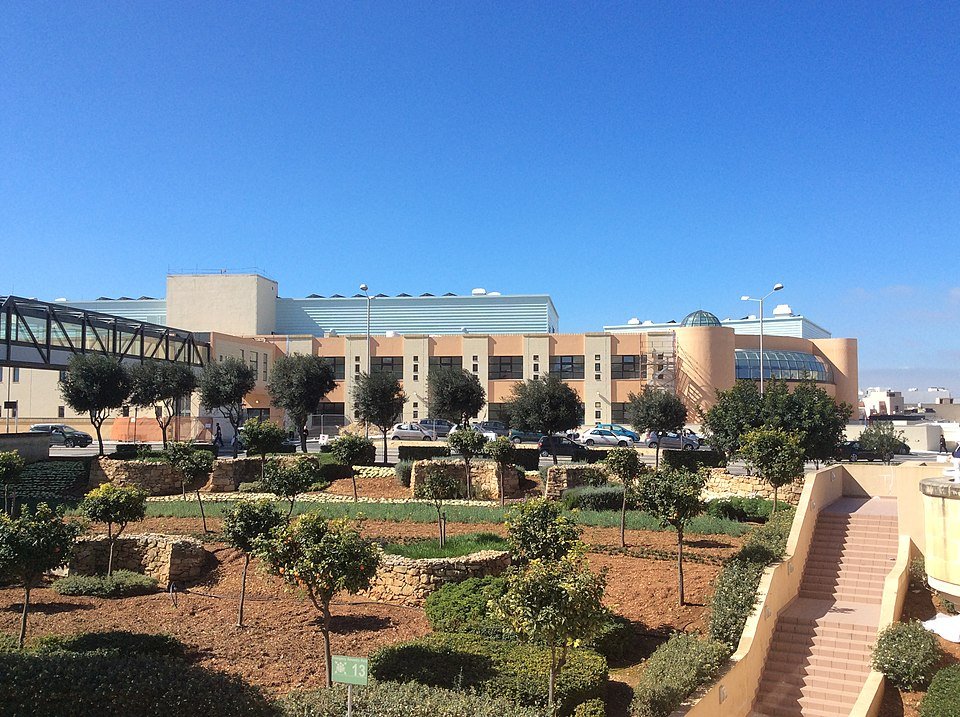
The Maltese healthcare system is financed through taxes and social security and covers most medical services in healthcare facilities (medical centers, clinics) and public hospitals. EU citizens can access free healthcare, but only upon presentation of a European Health Insurance Card (EHIC) and identification document. Medical centers provide basic medical services. Medical services, in addition to general practitioners, also include specialist services. There are nine medical centers in Malta, eight on the island of Malta and one on the island of Gozo. Malta has two public general hospitals: Mater Dei Hospital in Msida, Malta, and Gozo General Hospital in Rabat, Gozo. There are also public specialist hospitals and private hospitals in Malta. Pharmacies are located in every town. Most pharmacies, in addition to providing medications, also offer paid medical services.
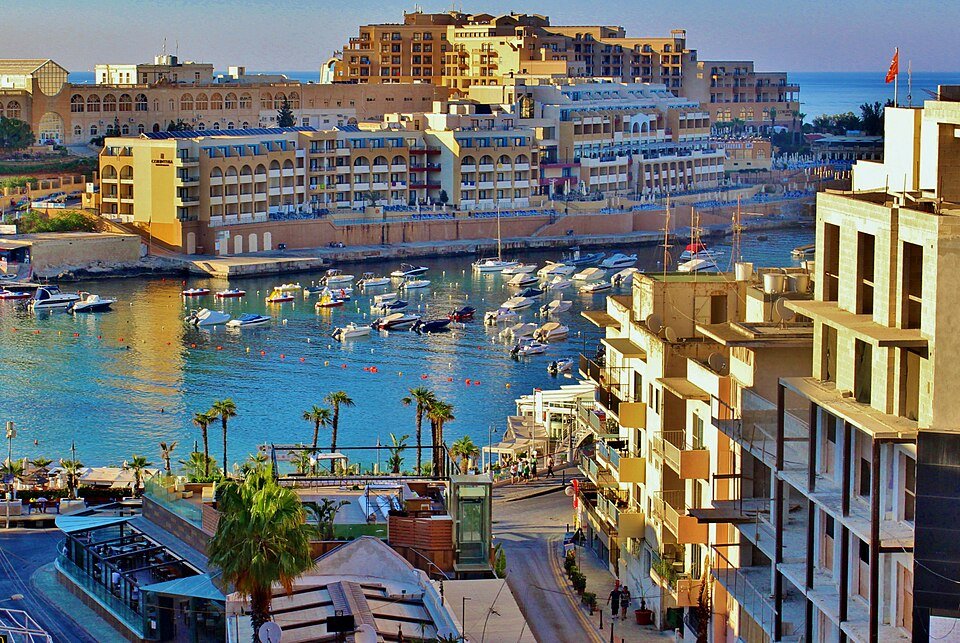
An Evening in Malta. Malta also attracts many tourists for its vibrant nightlife, which runs year-round. Nightlife is primarily concentrated on Malta’s northern coast, primarily in St. Julian’s, Sliema, Buġibba, St. Paul’s Bay, and especially in the party district of Paceville, a meeting place for thousands of young people. This district boasts dozens of discos, clubs, bars, restaurants, cinemas, and casinos. Most clubs and discos are located next to each other, offer free admission, are usually open until the early morning hours, and play a variety of music genres. Some discos are open-air. One popular venue is Café del Mar Malta, located next to the Malta National Aquarium. There are also a number of strip clubs. Malta is also becoming increasingly popular for stag parties. For those who prefer a more relaxed nightlife, there are a number of bars, cafés, pubs, bistros, restaurants, wine bars, and upscale venues scattered throughout the archipelago. Many of them have gardens and terraces overlooking the sea. Malta hosts evening cultural events and local celebrations.
