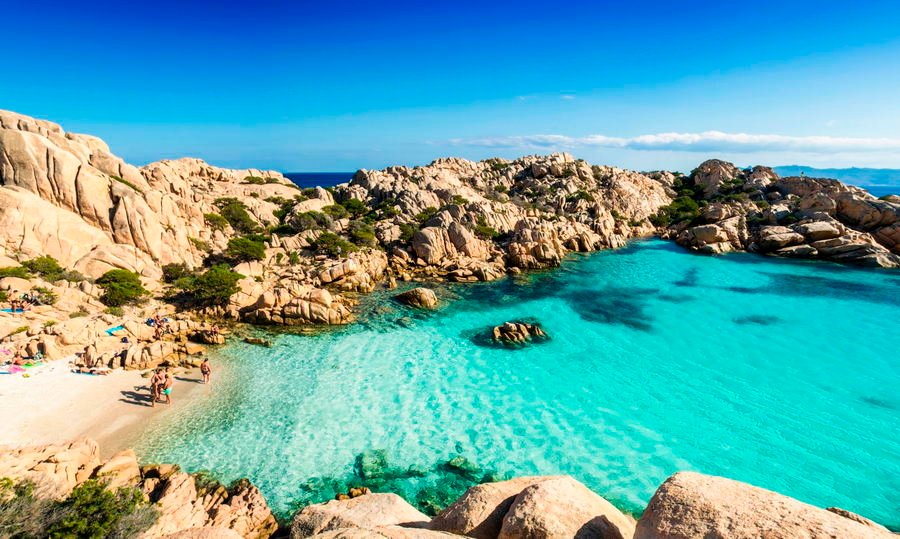
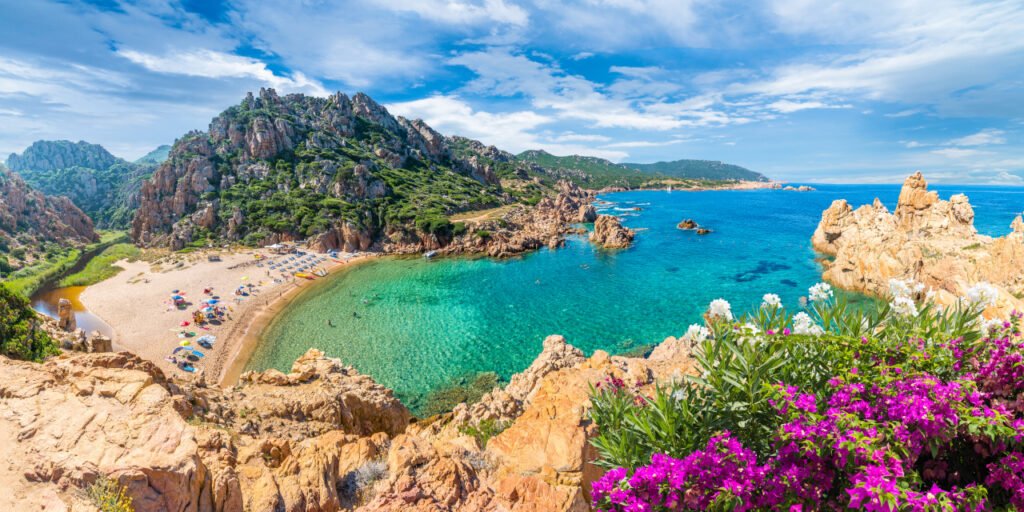
Sardinia is a rocky island, the second largest in the Mediterranean Sea (after Sicily) by area. Together with nearby islands, it forms an administrative region in Italy. Sardinia is the second largest island in the Mediterranean Sea. The coasts are mostly high and rocky, with long, relatively straight stretches, many prominent headlands, several wide, deep bays, numerous inlets, and numerous smaller islands off the coast. The island has a typical subtropical Mediterranean climate: mild and rainy in winter, hot and dry in summer. There are approximately 300 days of sunshine per year, with precipitation concentrated in winter and autumn, and snowfall in the mountains. The average annual temperature ranges from 11 to 17 °C. The dominant wind is the northwesterly mistral, blowing mainly in winter and spring. It can blow strongly but is usually dry and gentle.
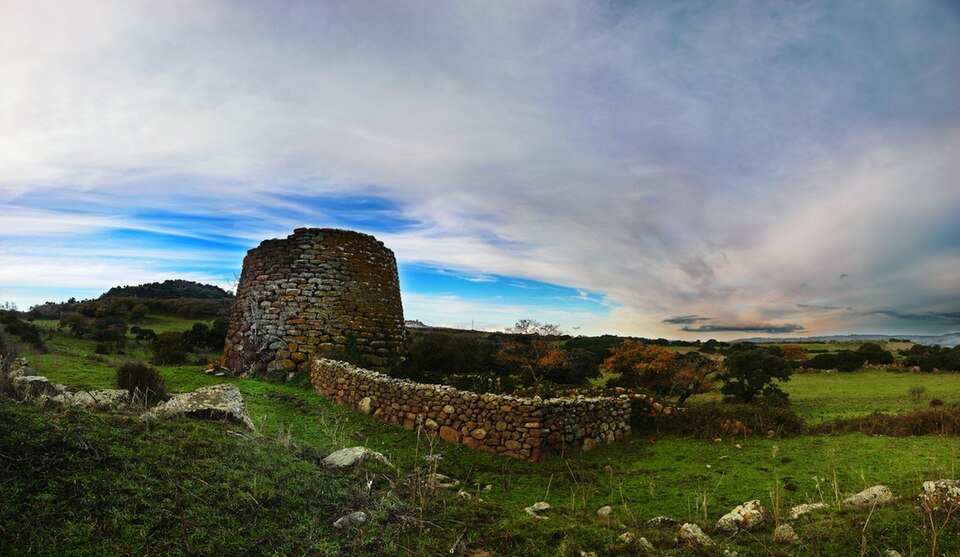
A bit of history. The Sardenines probably arrived on the island around 1000 BC, displacing the Ligurians to the northern tip of the island. By 238 BC, Sardinia was ruled by the Phoenicians from Carthage. More evidence of their culture remains there than in their homeland – present-day Tunisia. The city of Nuoro contains a temple to the god Baal, cemeteries, and the dwellings of this ancient people, who were driven from Sardinia by the Romans. For a long time, scholars knew little about Sardinia’s original Nuragic culture. The number, scope, and size of architectural remains from the Neolithic period indicate a large population. Around 1000 BC, Phoenician sailors established several trading ports on the coast. In 509 BC, war broke out between the native population and the Phoenician settlers. The settlers called on Carthage (founded by the Phoenicians) for aid, and the island was henceforth subject to Carthage. In 238 BCE – after Carthage was defeated by the Roman Republic in the First Punic War and facing internal problems (a mercenary war) – the Romans occupied Corsica and Sardinia, virtually unopposed. In the following years, under Roman rule, the Sardinians built a belt of fortifications around their coastal cities, known as terra barbagia, to defend themselves against invaders. In 465 CE, the Vandals arrived and established a kingdom in North Africa, which was conquered by the Byzantine Emperor Justinian I. In 928/9, the island was ravaged by Saqaliba (Slavic) pirates, who, along with Arabs, also raided Genoa and the coast of Calabria for several years thereafter, using 30 ships. Then came the Genoese and the rulers of Pisa. After a long period of fighting, the Pope ceded Sardinia to the rulers of Aragon. This was when the influx of people from Catalonia and the government’s repression began. After several centuries, Sardinia fell to Austria, which a year later exchanged it with Piedmont for Sicily. In 1720, Sardinia fell under the rule of the House of Savoy, later Kings of Italy, becoming part of Italy.
Potential Atlantis
In his book The Pillars of Hercules, Italian journalist Sergio Frau suggests that Sardinia could be the mythical Atlantis. According to him, the structures of the Nuragic civilization and its art evoke associations with the culture of the Atlanteans described by Plato. He also claims that the Pillars of Heracles, as understood in antiquity, may have been located not on the Strait of Gibraltar, but between Tunisia and Sicily, and that the time from the flooding of Atlantis to the birth of Plato was not nine thousand years, but nine hundred. The hypothesis that the author or copyist may have made an error in the Atlantis account, changing 900 years to 9,000, is also supported by scholars who assume the existence of Atlantis. The Minoan culture on Crete also collapsed at that time, which was related to the changes following the volcanic eruption on Santorini.
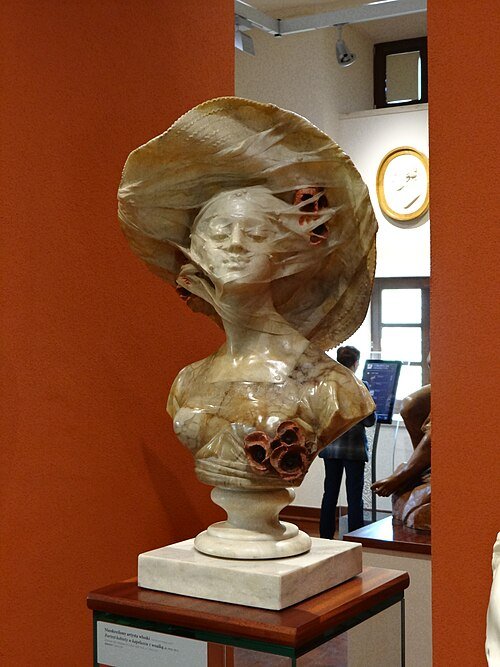
Economy: Sardinia boasts rich deposits of zinc, lead, iron, copper, antimony, silver, and bauxite ores. There are large salt pans and alabaster quarries. There are zinc and lead smelting, shipbuilding, chemical, metal, cement, textile, and food industries. There is also an oil refinery. Cultivation includes cereals, legumes, sugar beets, vegetables, vines, olives, almonds, citrus trees, tobacco, and cork oak, as well as goat and sheep breeding, fishing, oyster harvesting, and shellfishing. Tourism is also well-developed.
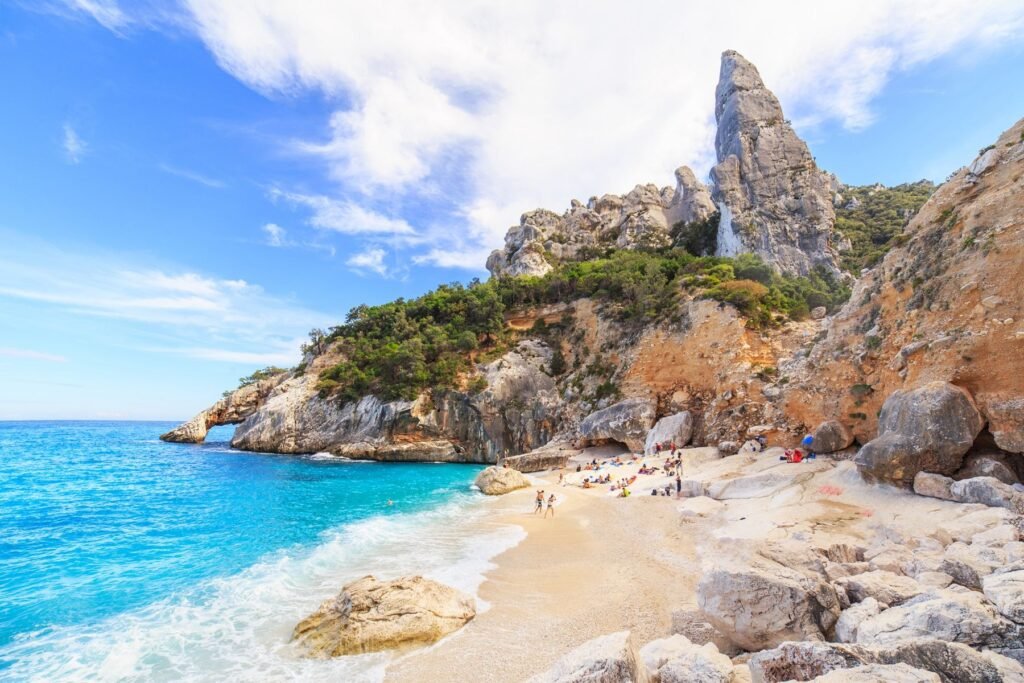
Sardinia’s beaches. Beautiful, pristine beaches and crystalline seas have become Sardinia’s calling card. The impressive, long coastline (over 1,800 km long) is incredibly diverse. You’ll encounter wide, sandy beaches, but also small, secluded, charming coves surrounded by rocks that captivate with their natural beauty. It’s difficult to determine which beach in Sardinia is the most beautiful. In fact, there’s no single answer. Regardless of where you are on the island, there are so many beaches that you can easily drive from one to another and constantly admire the beauty of the surrounding views. In northern Sardinia, La Pelosa is the most famous – a wide, sandy beach, more like a lagoon with azure waters. It’s considered the most beautiful beach on the island. In eastern Sardinia, Cala Luna beach, with its characteristic, massive grottoes jutting out into the sea, deserves its deserved admiration. The coast here is sandy, with a gentle slope into the water, which, combined with the stunning views, makes a truly impressive impression. In the south of the island, Tuerredda Beach is worth a visit, with its turquoise, warm waters, while in the west, Spiaggia Piscinas boasts characteristic dunes. This beach was listed by National Geographic as one of the 21 most beautiful beaches in the world. Sardinian beaches are also popular for a variety of water sports, from windsurfing and kitesurfing to snorkeling and diving. The clear waters offer a rich underwater flora and fauna, which are definitely worth seeing.
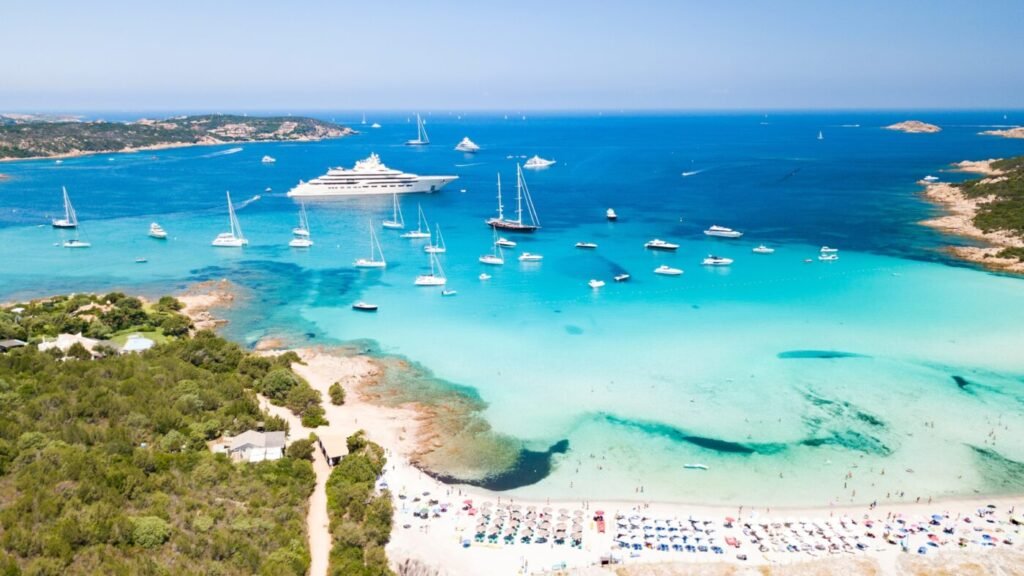
Sardinia’s Emerald Coast. In the north, the Costa Smeralda is a popular destination. On the one hand, it’s a very luxurious and vibrant part of Sardinia, but on the other, it’s full of atmospheric, secluded coves with beautiful turquoise waters. This region is home to numerous small, charming towns, such as Porto Cervo, Poltu Quatu, Cannigione, and Arzachena. These towns are nestled in beautiful landscapes, often overlooking the sea or vineyard-covered hills. Here, you’ll find restaurants specializing in typical Sardinian cuisine, as well as shops selling local products, making the perfect souvenir from your holiday on the Italian island. These seaside towns are ideal for a longer stay and to experience the island’s atmosphere and aura, while enjoying the tranquility and breathtaking views.
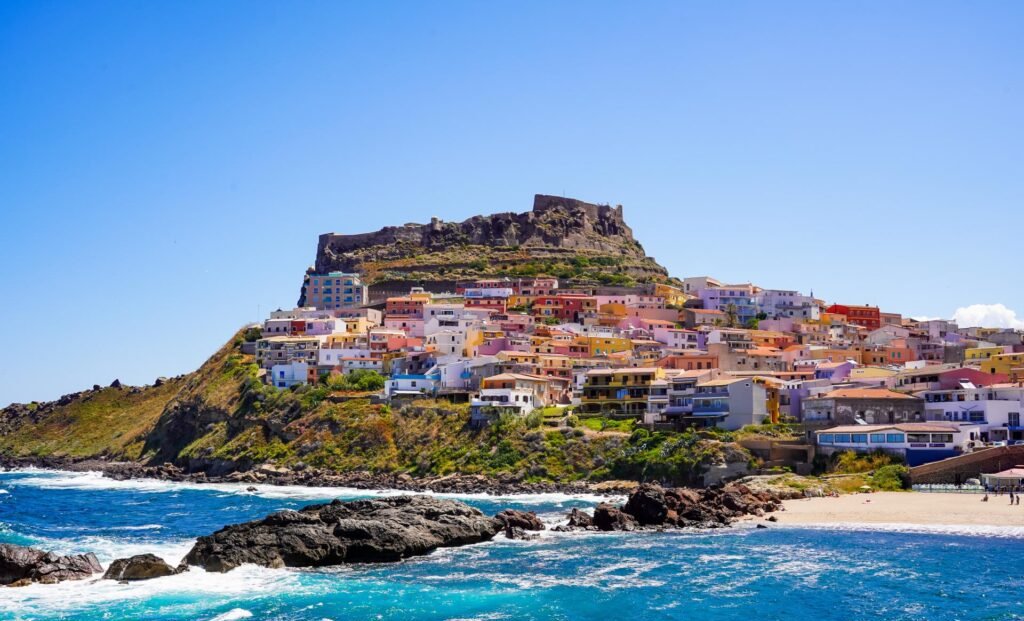
Medieval Castelsardo. Moving along the coast, we’ll encounter other charming towns, such as medieval Castelsardo, with its picturesque streets and restaurants, where it’s worth sitting down with a cup of aromatic coffee and soaking up the Italian atmosphere. Such places have an incredible power to draw us into their atmosphere, quickly relaxing and unwinding. In the historic center, you’ll find the ruins of a castle, a cathedral, and churches. Additionally, there are numerous shops selling local products typical of the island, such as ceramics, jewelry, and cork and coral items. Sardinian small towns are also famous for their unique, often pagan and magical, folk traditions, which have been cultivated on the island for centuries. It’s also worth learning about interesting facts found nowhere else in the world.
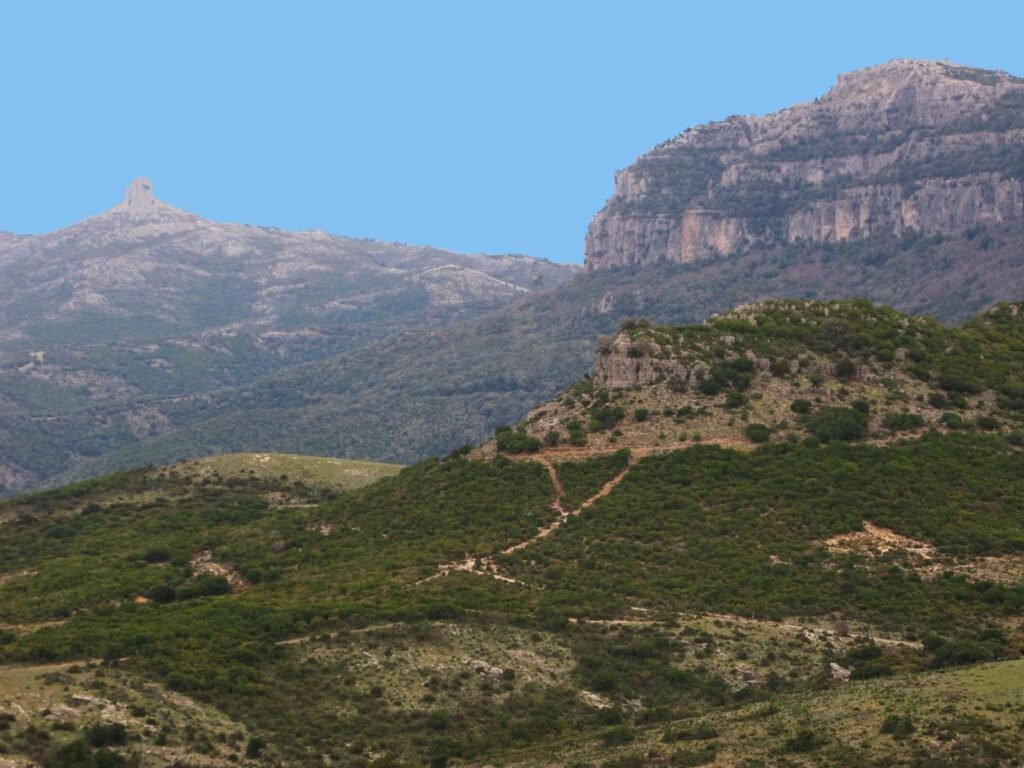
Gennargentu National Park. The park encompasses the central part of the island and the coastal strip. Sardinia’s highest peak, Punta La Marmora, at 1,834 meters above sea level, and the charming Gulf of Orosei are all within its boundaries. The park is a perfect place for an active holiday. Its landscape is diverse, with gorges, mountains, beautiful sandy beaches, and high cliffs plunging into the azure sea. It’s also home to numerous animals, which, thanks to legal protection, can live in peace. Hikers and those who enjoy more challenging trekking will find a true gem in this region – the Gorropu Gorge. It’s one of the major natural attractions in this part of the island. The gorge is several meters wide, but only 4 meters at its narrowest point, with walls reaching 500 meters in places. The Rio Flumineddu River flows through the gorge, and as you negotiate the large boulders, you can encounter several interesting caves. The second trekking option is, of course, conquering Sardinia’s highest peak. It’s not very demanding, and the views you’ll encounter at the top will certainly remain in your memory for a long time. These aren’t the only opportunities to explore this extraordinary place, of course. The abundance of flora and fauna and the breathtaking views should be reason enough to head towards Gennargentu National Park.
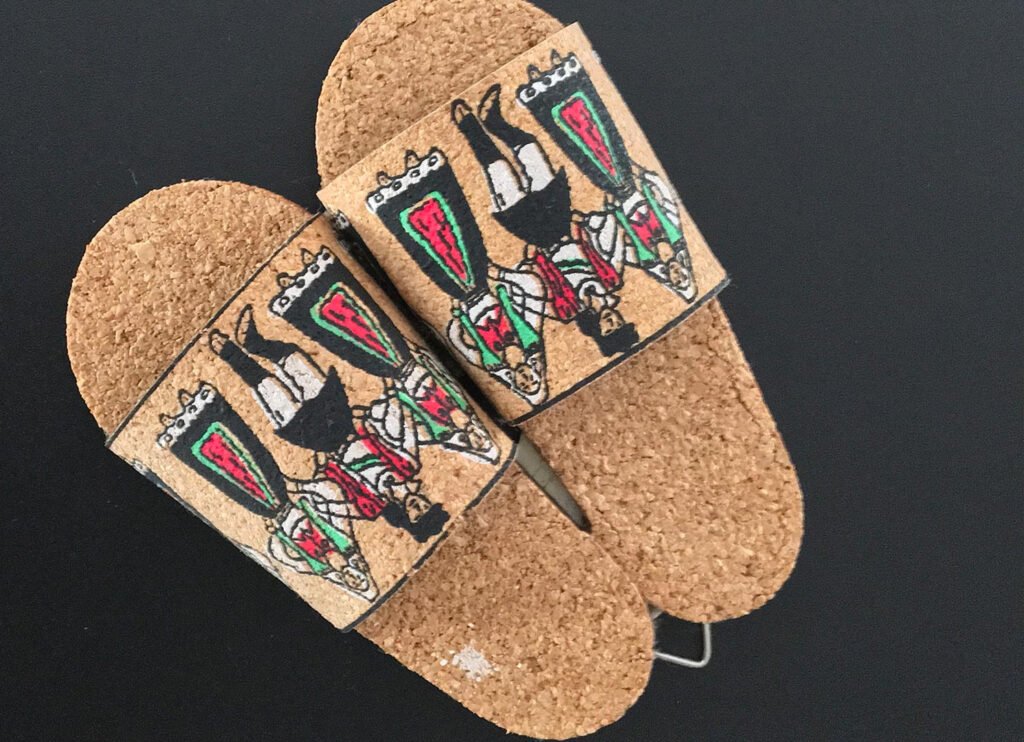
Sardinia souvenirs. A hallmark of Sardinia is cork. The island is famous for producing all kinds of everyday products from this material. You can find everything – flip-flops, handbags, coasters, and much more. The choice is yours, and there’s definitely plenty to choose from. Since we’re in the Mediterranean, olive oil is, of course, the norm. In this climate, olive trees are common; they’re everywhere, growing in ideal conditions. This allows you to obtain high-quality oil. Such a souvenir won’t last long, but the taste certainly will. Speaking of taste, you can’t resist all sorts of sweets. Nougat, honey, honey-dipped nuts. Sardinia is part of Italy, so cuisine is a large and important part of the locals’ lives. When vacationing on the island, this is a must-see. And when returning from vacation, consider buying local products. Cheese and wine are among the most popular.
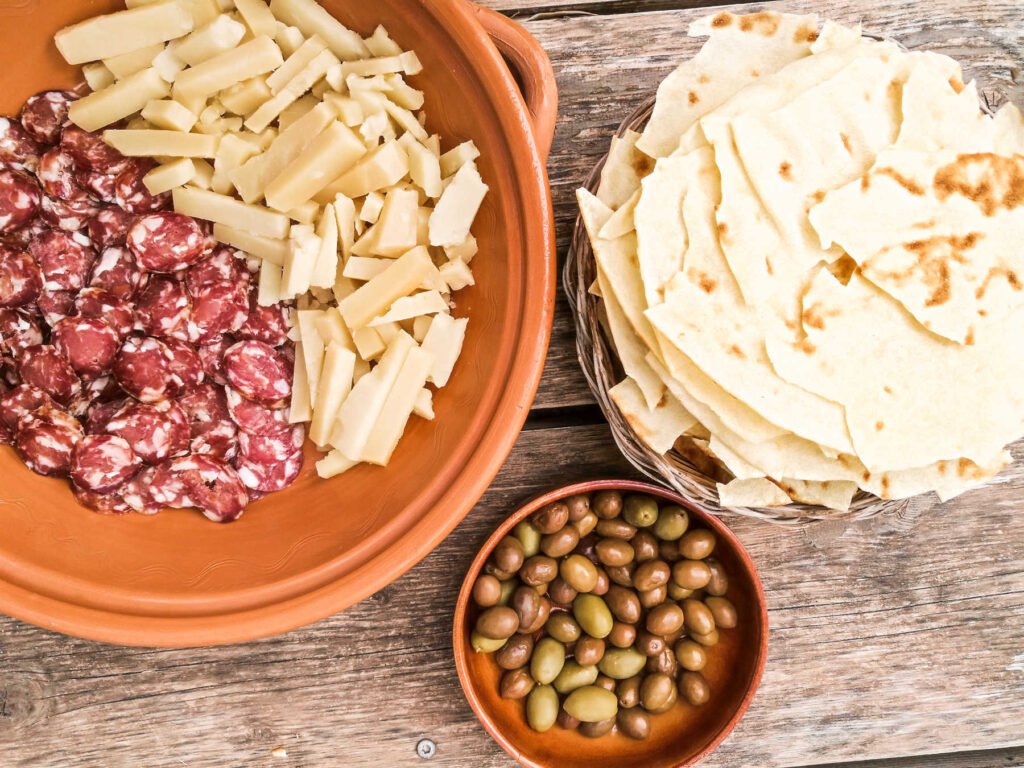
Sardinian cuisine has evolved over 1,000 years, making it incredibly diverse, much like the island itself. Formally, Sardinia is Italy, but in reality, its dishes have little in common with traditional Italian cuisine. It feels more like a separate country with its own culinary traditions. Sure, you’ll find pizza and spaghetti here, but if you want to experience the uniqueness of Sardinian cuisine, you’ll encounter very simple dishes. Above all, the abundance of herbs used in dishes dominates—mint, dill, juniper, and myrtle. On the tables, you’ll find exquisite meats, cold cuts, sausages, and a wide range of cheeses, both sheep’s and goat’s.