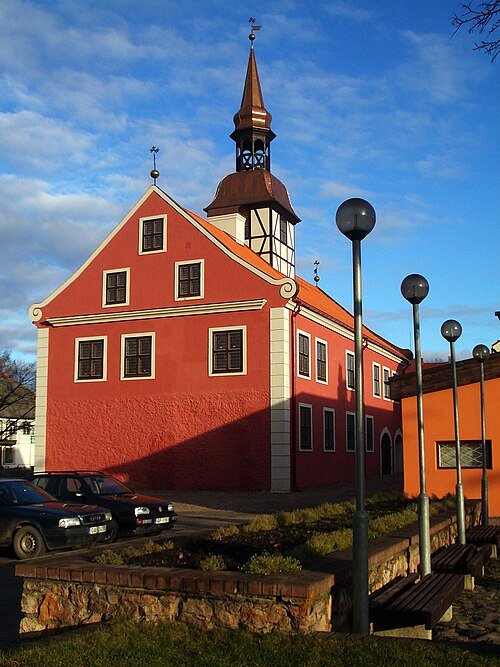
Bauska, a town in the southern part of Zemgale in Latvia, located near the border with Lithuania, the seat of the Bauska novads. The textile, food and cement industries developed in the city.
*Transport. By plane. The nearest and largest airport is Riga International Airport. Direct flights are offered by LOT Polish Airlines and Air Baltic from Warsaw. By car. Bauska is located on the main road connecting Riga with Vilnius, as well as on regional roads to Eleja and Valle. By coach. Buses to and from Riga depart hourly between 6:00 AM and 11:00 PM. Travel time is approximately 1 hour 30 minutes. Price: €3.
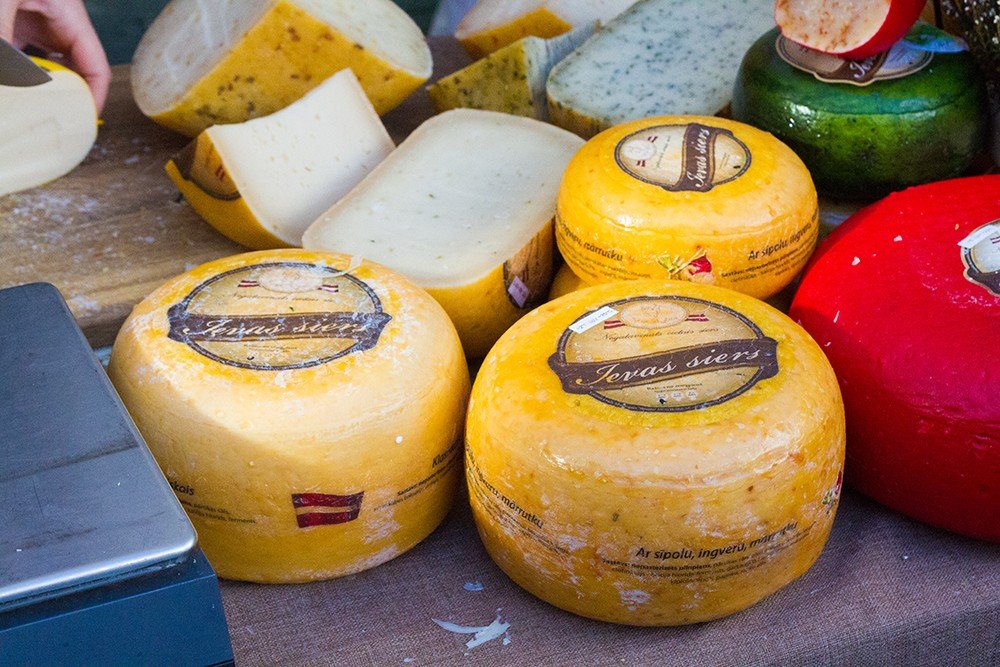
*Bauska Cheese Shop, Camembertielas (near the city center). 9:30 AM – 7:30 PM. Latvia’s most famous cheese shop, famous for selling Latvian cheeses, is widely used as a cheese shop. The Latvian cheese is based on the famous cheese shop, including the cartoon character, Mr. Cheese (Mr. Sieru in Latvian), who can be seen on posters throughout the city. Unfortunately, due to hygiene issues, the “make your own cheese” option has now been closed.
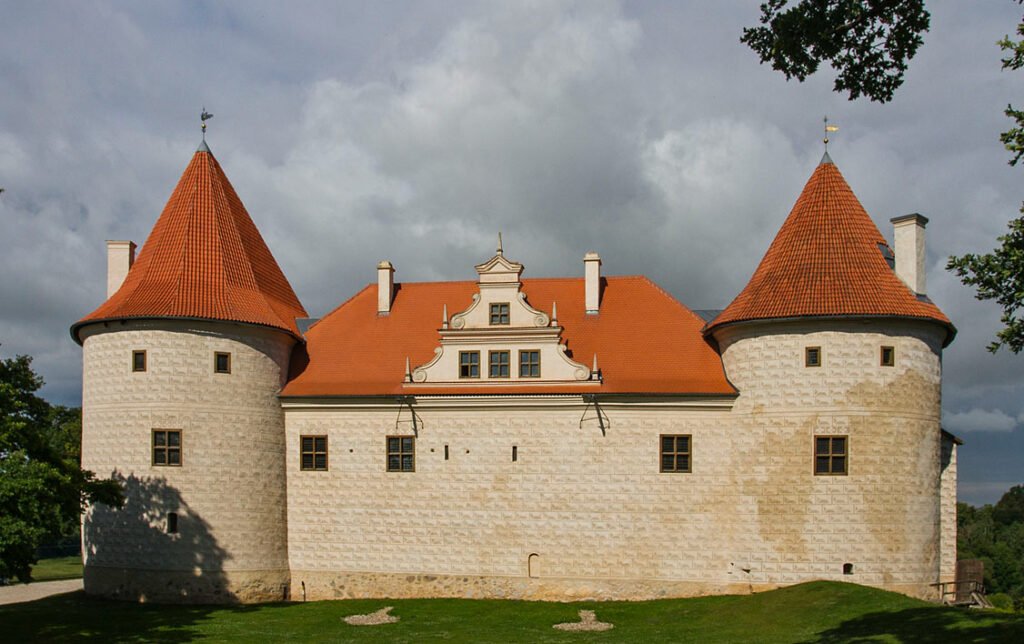
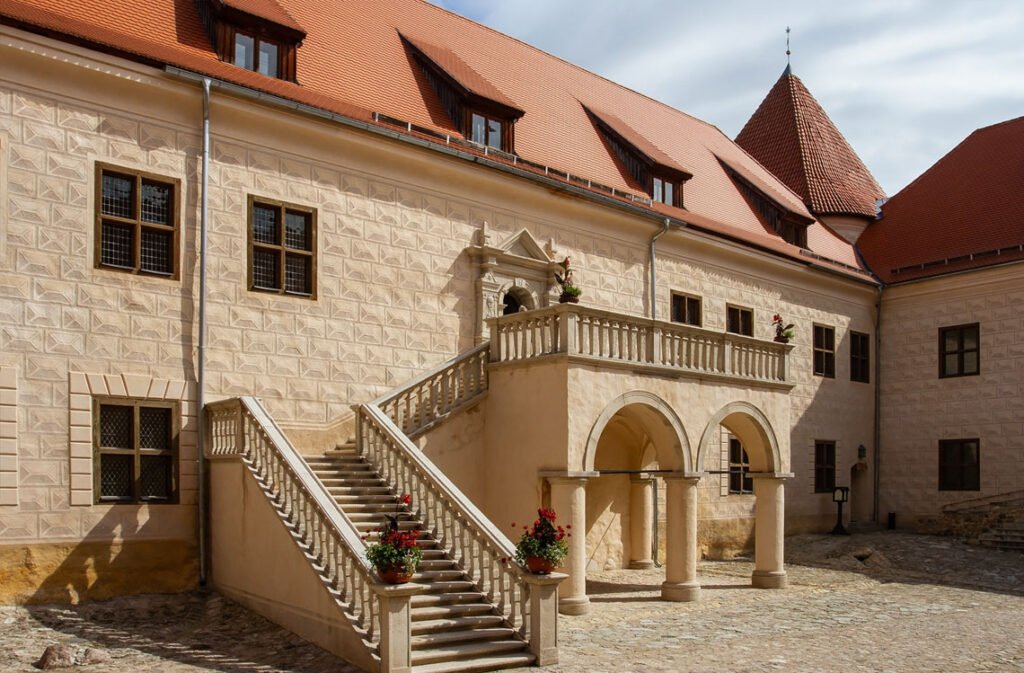
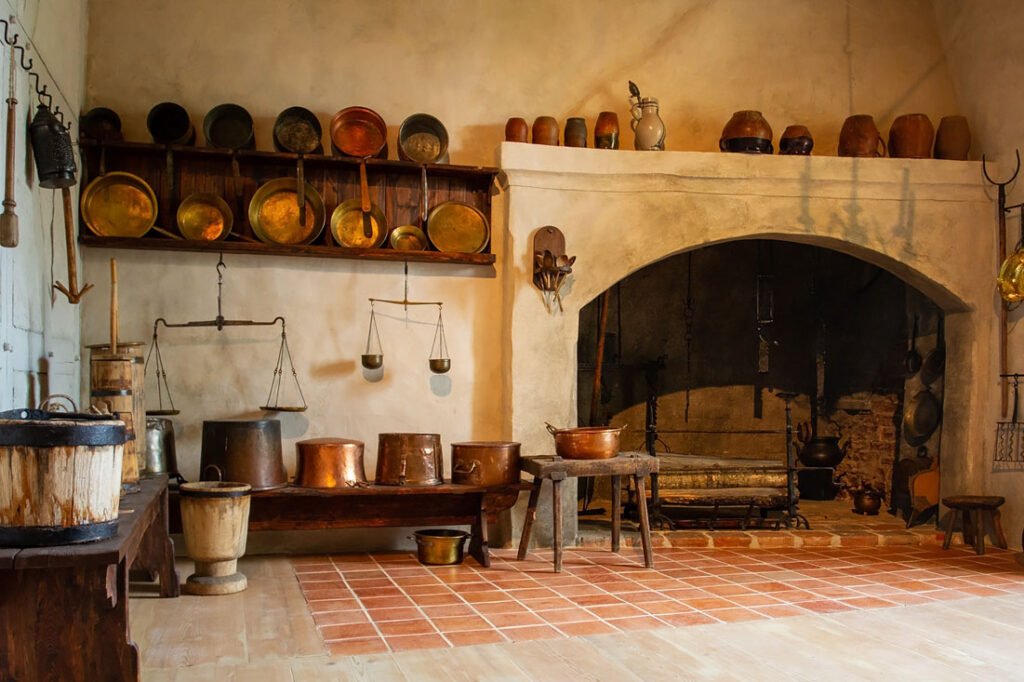
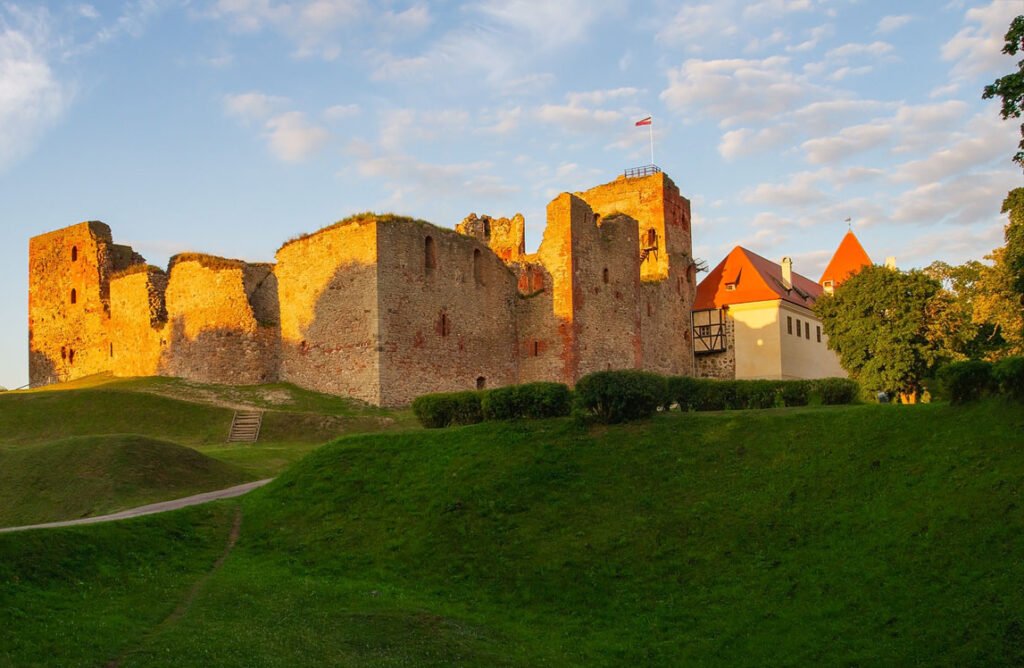
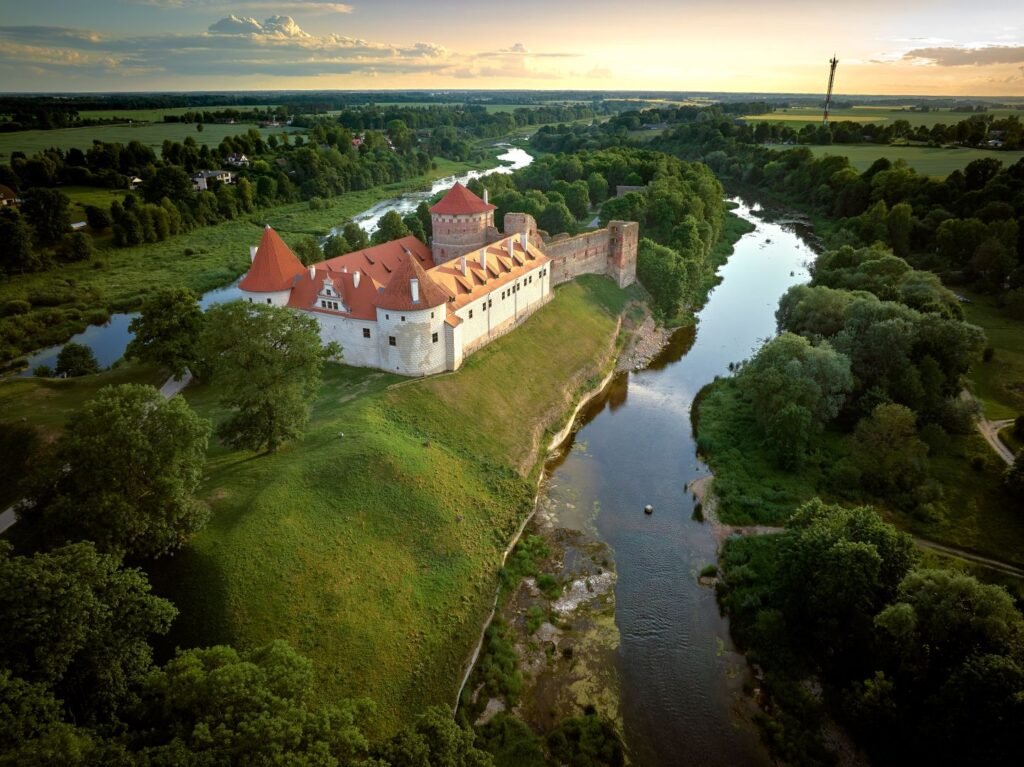
*Bauska Castle is one of the last castles built by the Teutonic Order in Livonia. It was built on the initiative of the Livonian Grand Master Heidenreich Vincke von Overberg. It was first mentioned in 1443, and its construction was likely completed in 1451. Located on the border with Lithuania, it was intended to guard the trade route from Riga to Vilnius. It served as the seat of the Teutonic mayor, subordinate to the commanders of Ascheraden. The stronghold was built at the confluence of two rivers, on a high promontory whose steep northern and southern slopes provided natural protection. The castle had a quadrangle plan, widening westward, measuring 56x31m. Buildings housing the mayor’s apartment, castle garrison quarters, and utility rooms were erected on the northern and eastern walls. The castle chapel was located in the northwest of the square tower. The castle was accessed from the east. The gate, located in the eastern curtain wall, was defended by two towers: a smaller one in the northeastern corner and a much larger one in the southeastern corner. The larger, semi-cylindrical tower had a diameter of 16 meters and walls 3.5 meters thick, which concealed a staircase providing communication between its five floors. The tower was attached to the eastern wing, and its first floor housed the castle’s most representative chamber. It measured 9 x 9.4 meters and was covered with a star-shaped vault. It had a fireplace and a latrine bay. Bauska Castle was adapted for the use of firearms. In addition to towers with artillery positions, the stronghold was equipped with projections in the wall to provide flanking fire. A moat, cutting off the castle hill from the east, and a fortified outer ward provided additional defense. In the early 16th century, the castle was converted into a prison for Protestants. The most famous prisoner was the former Franciscan friar Burkard Waldis, a German fabulist and playwright, and a staunch promoter of Martin Luther’s teachings, imprisoned from 1536 to 1538. In 1557, Bauska Castle became part of the Polish Crown. In 1561, the Livonian branch of the Teutonic Order was secularized. In 1561-62, the castle served as the seat of the last Archbishop of Riga and later became the seat of the newly established Duchy of Courland and Semigallia. During this time, a Renaissance palace was built on the site of the eastern castle grounds, completed in 1596. In 1625, Bauska Castle was occupied by the Swedish forces of King Gustav II, making it a base of operations into Lithuania. Polish-Lithuanian forces recaptured the stronghold in 1628. The Swedes recaptured the castle in 1658 and occupied it until the signing of the Treaty of Oliwa in 1660. Military operations and the Swedish occupation caused serious damage to the castle. Further destruction was brought by the Great Northern War. In 1701, Swedish troops again occupied Bauska. They surrounded the castle with earthen fortifications. However, this did not prevent the Russians from capturing the stronghold in 1704. When they withdrew from Bauska a year later, Russian troops blew up the castle walls. In 1721, Bauska found itself within the borders of Tsarist Russia. The ruined castle was not rebuilt. It was used as a granary, stables, and prison, and served the local population as a source of building materials. The castle remained in ruins until the 1970s. At that time, work began on the reconstruction of the palace section of the complex. In 1990, a museum was opened in the rebuilt section of the castle. Bauska Castle is currently open to the public. Although partially in ruins, it is a major tourist attraction and is one of the best-preserved fortresses in Latvia. In the Gothic part of the castle, you can see the perimeter walls and the remains of residential wings and towers. The best-preserved is the main tower, which houses a viewing point at its top. The Renaissance part of the castle is in much better condition. Thanks to its reconstruction, we can admire all of its wings and the two artillery towers defending the castle from the east.