
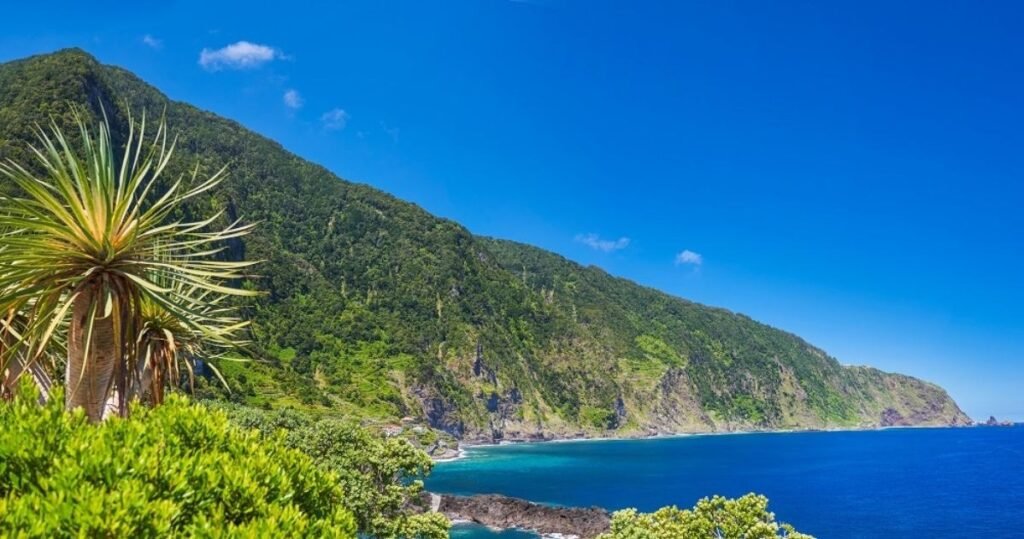
Madeira, officially the Autonomous Region of Madeira, is a Portuguese archipelago and autonomous region in the Atlantic Ocean with an area of 801.11 km². As of December 31, 2021, it had a population of 250,769, including 105,795 in Funchal, the archipelago’s largest city and the region’s capital.
Natural conditions. The Madeira archipelago, part of Macaronesia, is of volcanic origin. It is located in the Atlantic Ocean off the northern coast of Africa – 860 km southwest of mainland Portugal and approximately 450 km north of the Spanish Canary Islands. It comprises four island groups:
Madeira (740.7 km²) with the islet of Vermela Fora located at its eastern tip
Porto Santo (42.5 km²; northeast of Madeira) surrounded by a group of smaller islands (including Baixo, Ferro, Fora, and Cima)
Ilhas Desertas, uninhabited (southeast of Madeira)
Selvagens Islands, uninhabited (280 km southeast of Madeira)
The islands are mountainous. The highest peak is Pico Ruivo on Madeira Island (1,862 m above sea level). The climate is mild, known as “eternal spring.” The average daily temperature in January is around 16°C, and in July around 23°C. It boasts rich subtropical vegetation. (The laurel forests have been added to the UNESCO World Heritage List.) The protected area occupies almost two-thirds of the island.
Economy and tourism. Grapevines, sugarcane, vegetables, and fruit trees are cultivated. The mild and regular climate allowed the introduction of a number of tropical crops to Madeira, which have become very well-established, gradually displacing even native vegetation. Cattle are raised. The inhabitants also engage in fishing, and in the 20th century, whaling. The wine industry is an important economic sector, with earnings from wine exports constituting a significant portion of total exports. A local variety of rum is produced from the island’s sugarcane. Some Madeiran residents engage in embroidery, basketry, and cane weaving. After World War II, an increase in economic emigration was noted among young people, primarily to Venezuela. From the early 20th century, Madeira became a tourist destination. It was, among other things, a renowned wintering resort for wealthy Englishmen and other northern Europeans. After World War II, with the development of air travel, tourist numbers increased rapidly, although they tended to stay for shorter periods. Tourism is a significant sector of Madeira’s economy, contributing approximately 20% of its income. In August 2017, tourism revenues in Madeira were estimated at €47 million, reaching the highest level on record. In September of that same year, they dropped to €41 million, falling in subsequent periods until reaching €24.5 million in January 2018. The lowest figure in the previous record was reached in January 2011, when tourism revenues reached €12 million. Madeira has been known as a potential tourist destination since the early decades of the 20th century, when prominent politicians such as Józef Piłsudski and Winston Churchill appeared. Madeira is appreciated by lovers of active tourism, thanks to its numerous hiking trails. It is also appreciated by water sports enthusiasts (e.g., windsurfing). Madeira boasts historical monuments and natural attractions.
The capital city of Funchal. The capital of Madeira is colorful Funchal, the island’s largest city and a great opportunity to meet locals and immerse yourself in their daily lives. This metropolis is sometimes called “Little Lisbon” because, like the Portuguese capital, it is incredibly charming. While here, it’s worth strolling the cobblestone streets, seeing the beautiful Old Town (Zona Velha), and visiting one of the many interesting restaurants. Funchal is also a popular center for regional products, the Farmers’ Market.
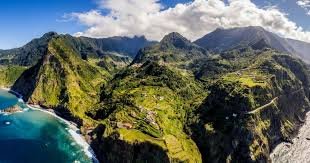
Mountain peaks, hikes. A holiday in Madeira is all about picturesque landscapes and mountain peaks, such as Pico do Arieiro, which reaches 1,818 meters above sea level. This is where a mountain trail begins, full of views and surprises, leading to the highest peak on the island, Pico Ruivo, or to the slightly closer viewpoint, Ninho da Manta. Both options will bring plenty of delight and joy, although the first requires a bit of fitness and determination – the trail is over 10 kilometers long if you want to reach the summit and return. The viewpoint, on the other hand, tempts with breathtaking scenery and requires a half-hour hike from Pico do Arieiro.
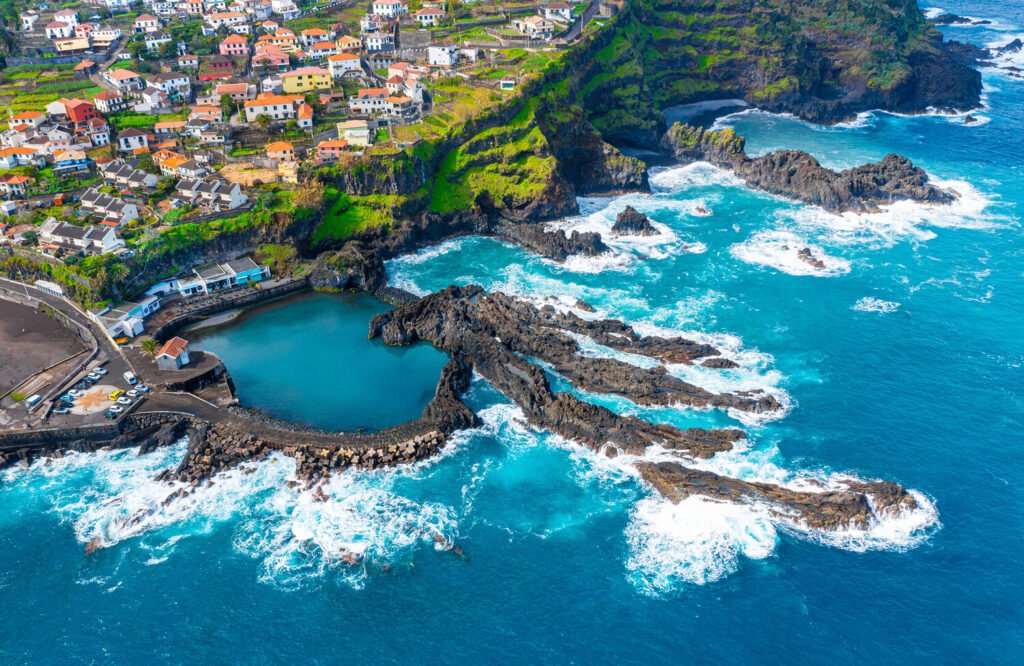
Swimming in Natural Pools. Those who enjoy the luxury of natural wonders will surely enjoy the opportunity to swim in the natural pools in Porto Moniz, located on the northwest coast of the island. These pools are filled with water flowing from the Atlantic and are located in volcanic craters. This fascinating phenomenon attracts many visitors, especially since this area has received the unique Blue Flag distinction.
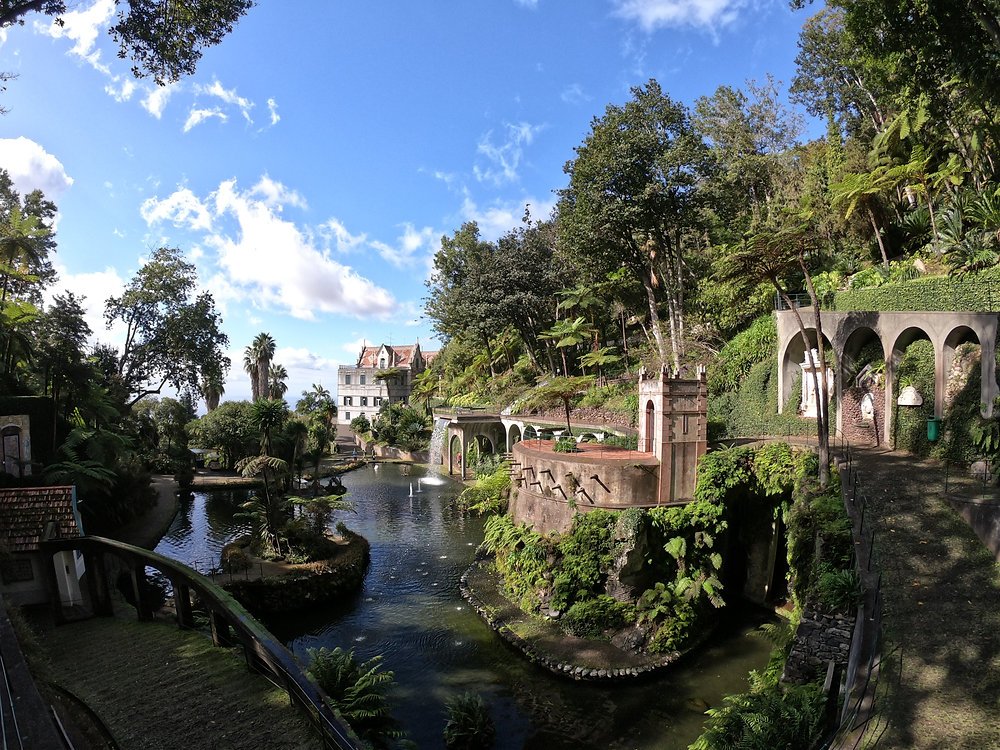
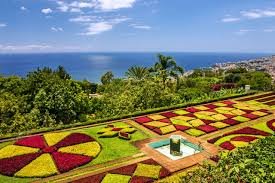
The Monte Palace Tropical Garden is one of Madeira’s top attractions. Spanning over 70,000 square meters, it’s home to thousands of exotic plants and animals from around the world. Here, you’ll find koi ponds, cascading, monumental waterfalls, and winding paths leading to beautifully landscaped terraces. You’ll also learn about Portugal’s history through stunning azulejo mosaics depicting scenes from the country’s history, as well as sculptures and art installations.
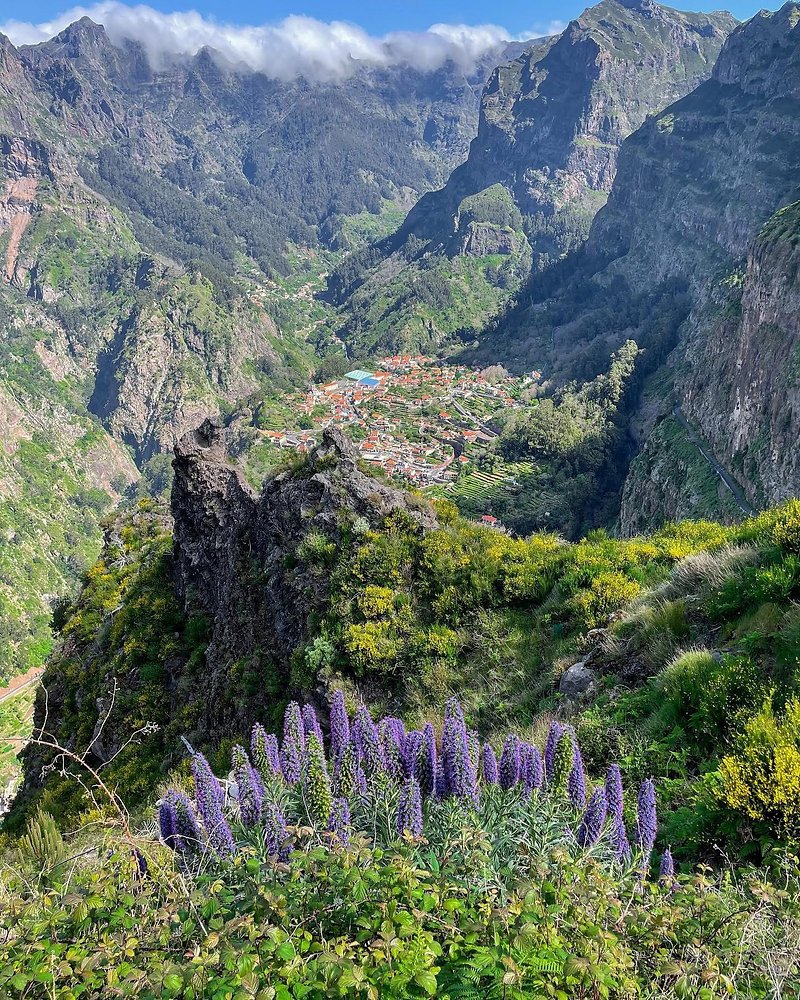
Another interesting spot on the island is the Nuns’ Valley, reached by a truly charming road that offers a truly unique experience. Moreover, getting there isn’t easy. From here, you can expect stunning views, especially from the Eira do Serrado Pass. The valley’s name comes from an event that likely occurred in the 16th century, when nuns found refuge in a village deep in the valley during a pirate attack.
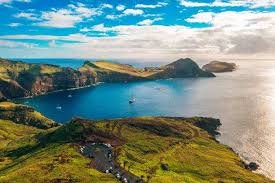
Cape São Lourenço. A beautiful and somewhat unusual spot on the island, also a must-see, is undoubtedly Cape São Lourenço. Although all you’ll see here is grass, as there are no trees, it’s also in this part of the island that one of the most picturesque trekking routes awaits visitors. Cape São Lourenço is located on the easternmost tip of the island. The best time of day to visit is at sunrise or sunset, when you can truly admire this spot – either at the beginning or the end of the day.
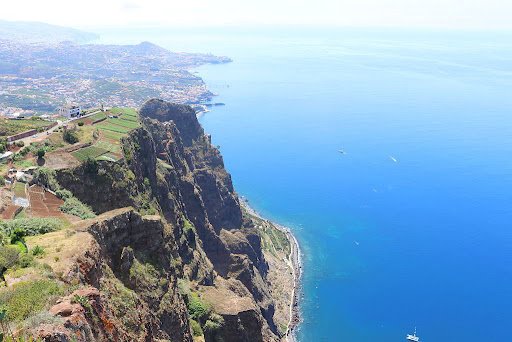
Cabo Girão Cliff. Madeira can also be admired from the summit of Cabo Girão. This incredible cliff, 589 meters above sea level, is considered the most charming cliff in all of Europe. Interestingly, you can climb onto a glass platform from which breathtaking landscapes unfold. Beneath your feet, you can see the Atlantic Ocean, its extraordinary dance. Just look around and you’ll be able to admire views stretching across the entire island.
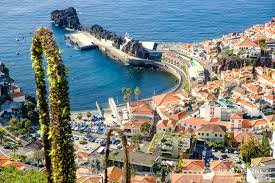
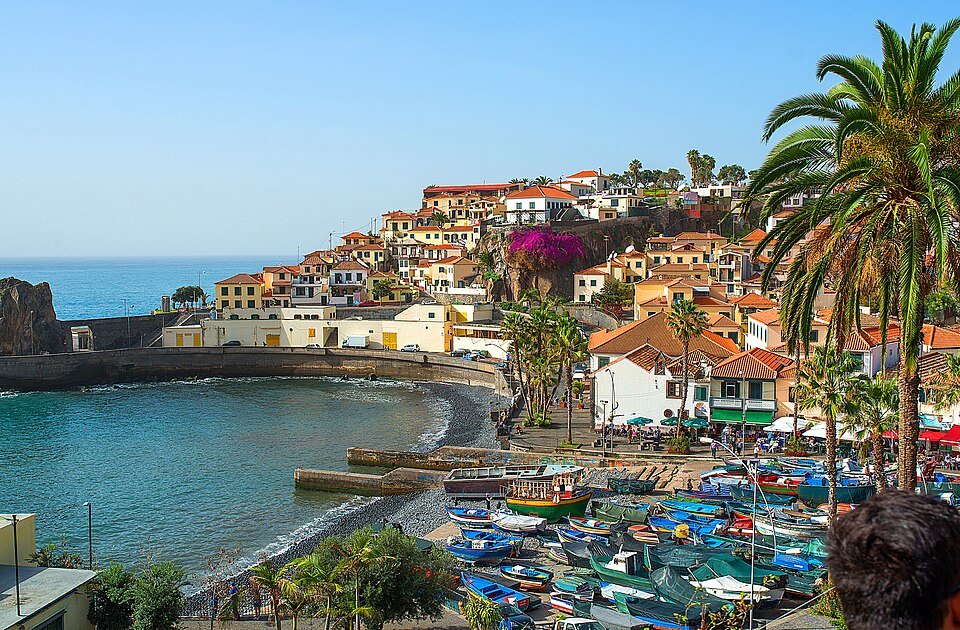
The town of Câmara de Lobos. While in Madeira, it’s also worth visiting the picturesque town of Câmara de Lobos. This is the island’s main fishing port, enchanting with its colorful boats, narrow streets, and pubs serving local delicacies. It’s near this town that you’ll find the Cabo Girão peak. The town is also known for Churchill’s famous visit. In the center stands a monument depicting the British Prime Minister in a characteristic pose, holding a cigar and a paintbrush.
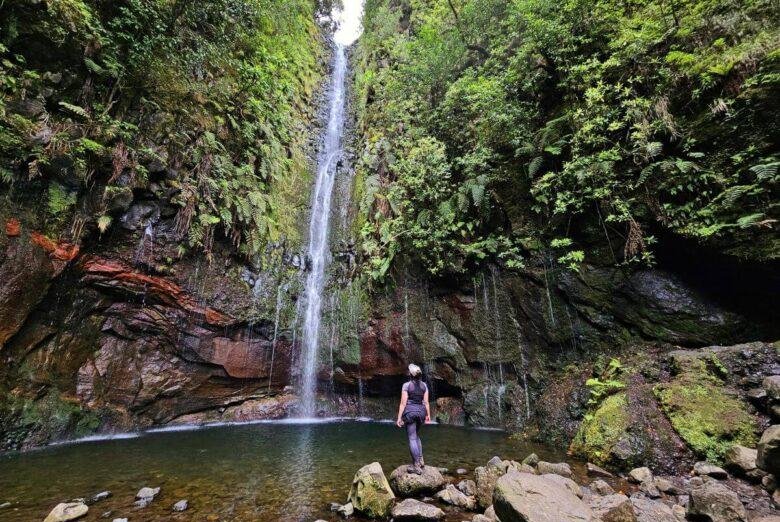
The Levada do Fontes Trail. The island also boasts numerous hiking trails, especially the canals of Madeira. One of the most beautiful trails is undoubtedly the Levada do Fontes, which captivates visitors primarily with its evergreen laurel forests, a UNESCO World Heritage Site. The trail’s official difficulty level is medium, and it takes approximately 3 hours to complete. The highest point is 1,290 meters above sea level, and the lowest is 900 meters above sea level.
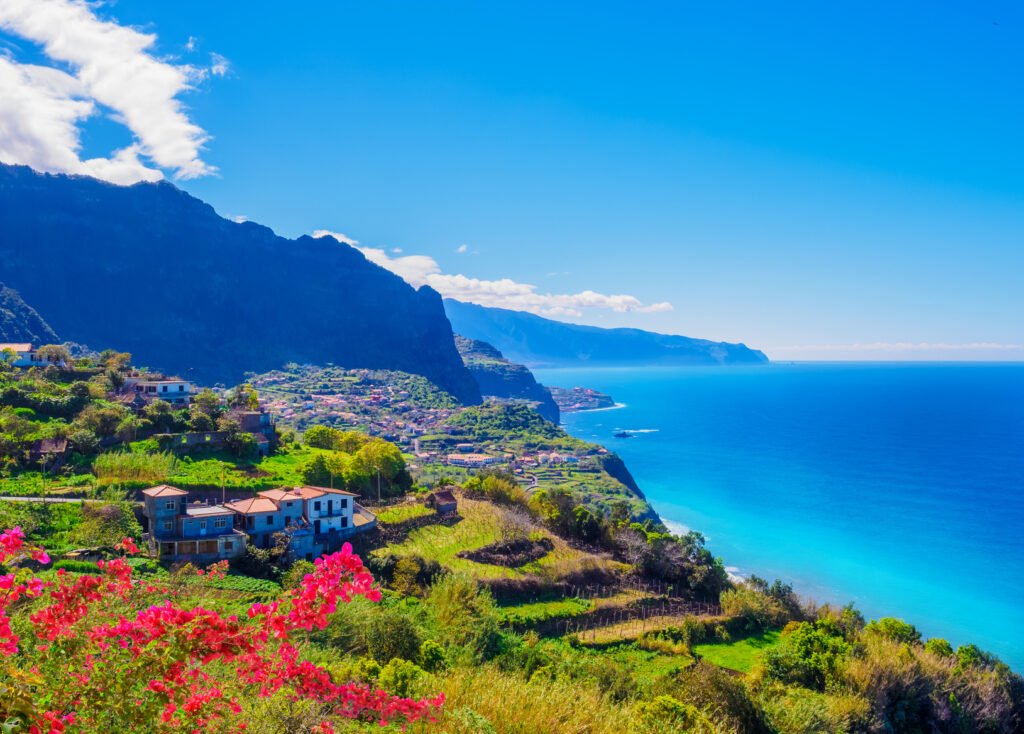
About the Island of Madeira.
Madeira is a Portuguese island known for its mild climate and beautiful nature, often called the island of eternal spring. The island’s capital is Funchal, characterized by colorful architecture and a local market for regional products. The island boasts picturesque mountain peaks, ideal for hiking, such as Pico do Arieiro and Pico Ruivo. The natural pools of Porto Moniz and the Monte Palace Tropical Garden are among the main tourist attractions. Madeira also offers stunning views from the Cabo Girão cliff and picturesque towns such as Câmara de Lobos.
