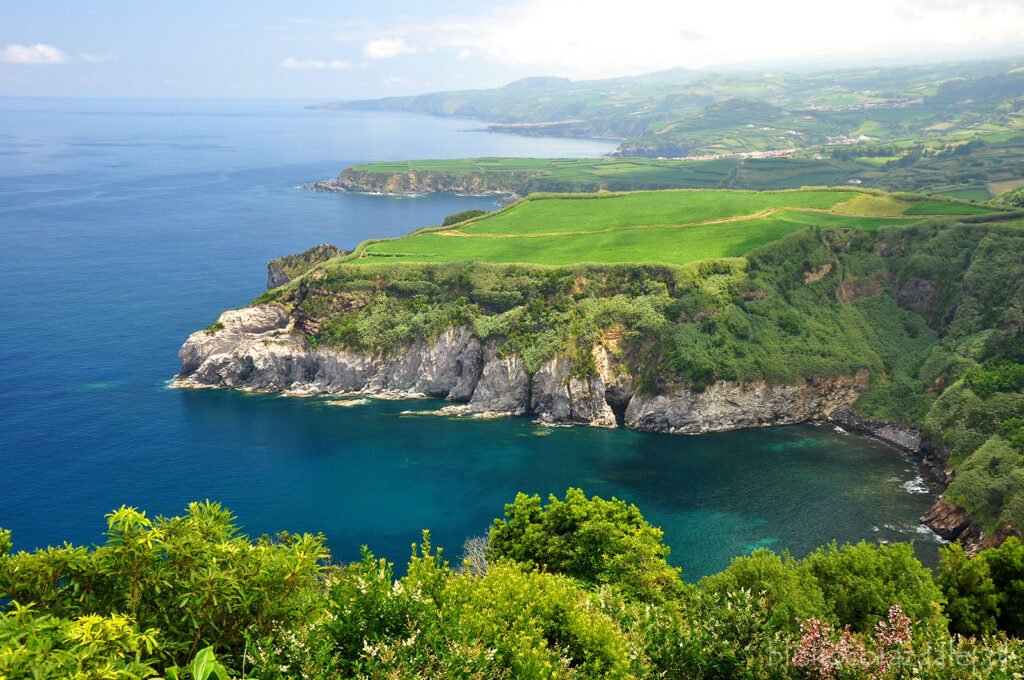
São Miguel is a Portuguese volcanic island in the Azores archipelago (part of Macaronesia), also known as the “Green Island.” It is the largest in the archipelago (approximately 747 km²), with a latitudinal length of approximately 65 km and a meridional width of 8 to 15 km. The area is mountainous, reaching up to 1,105 m above sea level. Pineapples, grapevines, citrus trees, sugar beets, and tea are cultivated. It has a population of approximately 140,000, 30,000 of whom live in Ponta Delgada, the island’s largest city. The Sete Cidades Lakes were formed in two volcanic craters 12 km in diameter. The island exhibits numerous signs of volcanic activity, including hot springs and geysers. A natural feature is the laurel forests, which are home to, among other species, the Azores bullfinch endemic to the island – one of the rarest birds in Europe.
A bit of history. São Miguel is the first island in the Azores archipelago to be colonized by the Portuguese. It originally consisted of two separate islets, but a volcanic eruption in 1563 and a lava flow connected them.
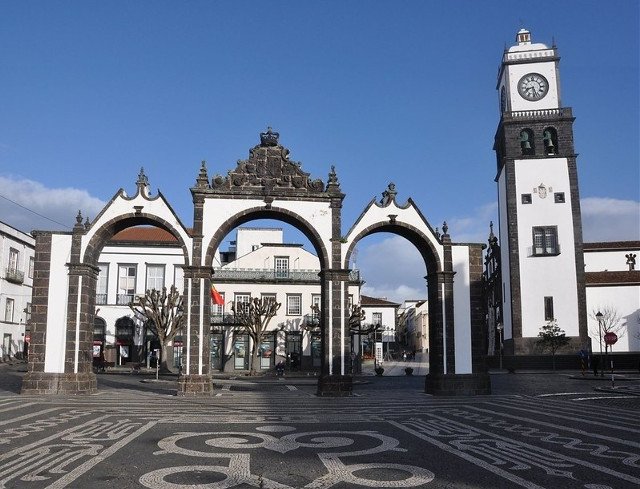
Ponta Delgada and the Surrounding Area. Ponta Delgada, the main city of São Miguel. The historic center captivates with its distinctive black-and-white architecture, a hallmark of the Azores. Start with a visit to the Mercado da Graça market, where local vendors offer fresh fruit, vegetables, and traditional products. It’s not just a place to shop, but also a great opportunity to learn about local culture and customs. For lunch, head to the port district, home to some of the best seafood restaurants. Try lapas—traditionally grilled scallops—and fresh tuna. Also worth visiting is the Arruda Ananases Plantation, where pineapples have been cultivated using traditional methods for over 100 years. Guides explain the fascinating two-year pineapple-growing process and offer tours of the plantation. You can also sample local pineapple liqueur and purchase unique pineapple products. I recommend strolling along the modern Portas do Mar promenade. This is a favorite meeting place for locals, offering spectacular views of the ocean and harbor.
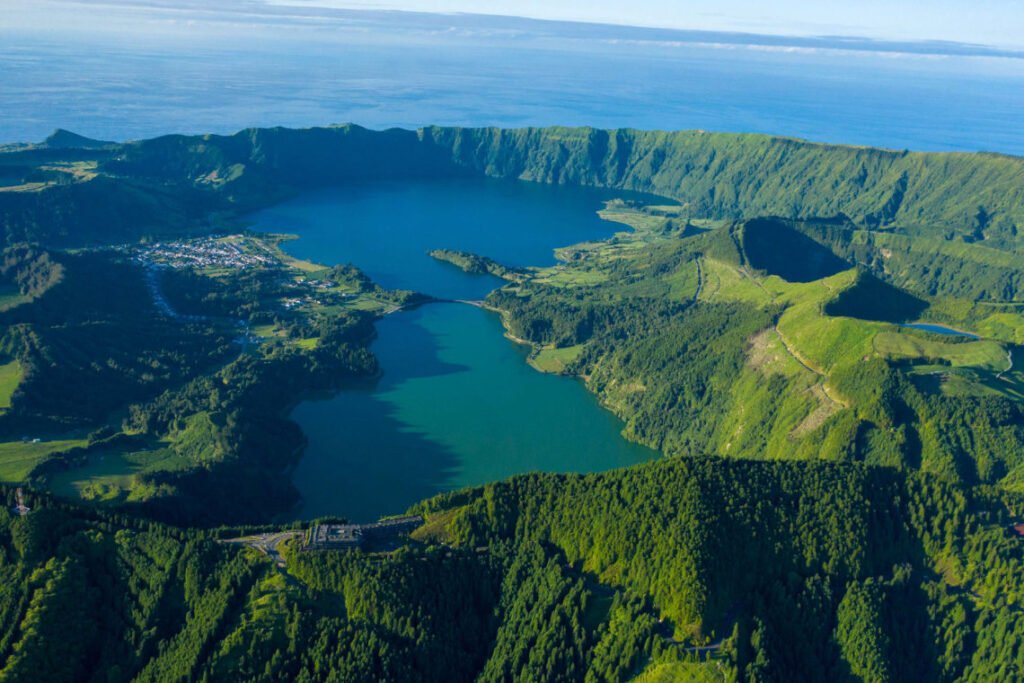
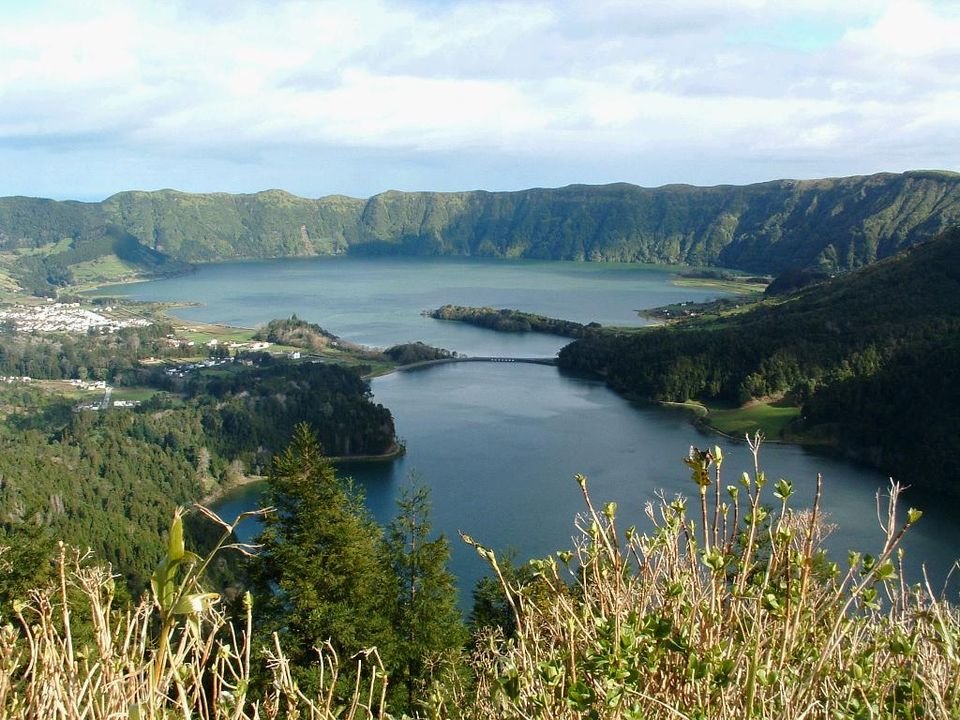
Sete Cidades is undoubtedly one of the most spectacular attractions not only in São Miguel but in the entire Azores. Two lakes – one blue, the other green – nestled in the crater of an extinct volcano create a sight that will long remain in the memory. It’s best to set off early in the morning to avoid the afternoon mists that often envelop the area. Miradouro da Vista do Rei (King’s Viewpoint) offers the most popular view of the lakes, but true connoisseurs head to the less frequented Miradouro do Cerrado das Freiras, from where the views are equally impressive and the crowds are much smaller. For active travelers, there’s a 12-kilometer trekking trail, which can be completed in about 4-5 hours. The trail is of medium difficulty, and it’s best to start the hike in the morning. Comfortable hiking shoes and an adequate supply of water are essential. The trail leads from Miradouro da Vista do Rei, through the village of Sete Cidades, and finally to Miradouro do Cerrado das Freiras, offering unforgettable views of the surrounding area along the way. The picturesque village of Sete Cidades, nestled at the foot of the craters, deserves a longer stop. At the local bakery, Paheiro do Velho, you can sample traditional sweets such as queijadas (cheese biscuits), bolo lêvedo (traditional butter rolls), and fofas da Povoação (fluffy cream cookies). It’s the perfect place to recharge before further exploration. Enjoy a variety of water activities on the lake. Rentals include kayaks, pedal boats, and stand-up paddleboards. A trip on a transparent-bottom boat is highly recommended, allowing you to admire the underwater landscape.
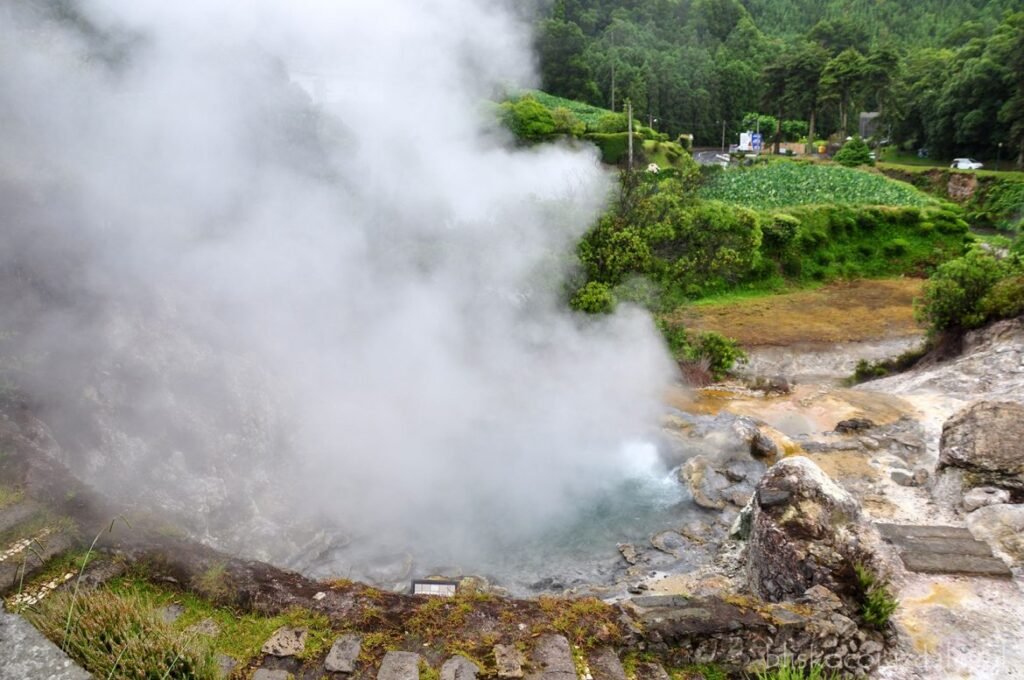
Furnas and the Hot Springs. Furnas is a place where nature reveals its geothermal power – fumaroles and hot springs create a surreal landscape. It’s best to start your trip with a visit to the caldeiras, where local chefs place pots of cozido das Furnas – a traditional dish cooked in hot earth. The preparation process begins early in the morning, when the chefs bury pots filled with various types of meats and vegetables. After about six hours of cooking in a natural, geothermal oven, the dish is ready to be served. Terra Nostra Park is a true botanical paradise with over 2,000 species of plants from around the world. This historic garden, founded in the 18th century, offers not only beautiful walking trails but, above all, a famous thermal pool rich in iron. The water has a characteristic brown color due to its high mineral content, and its temperature remains constant at around 35-40°C, making bathing enjoyable even on cooler days. Furnas also boasts numerous mineral springs with various medicinal properties. Each spring has a different mineral composition and taste, and locals are happy to advise which waters are best for specific ailments. After a busy day of sightseeing, it’s worth stopping at one of the traditional restaurants where they serve pre-prepared cozido. This unique dish is best paired with local wine from Pico Island.
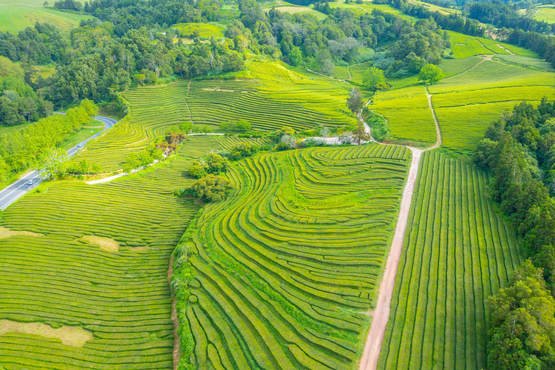
The eastern coast of São Miguel offers a fascinating blend of cultural heritage and natural beauty. The highlight is a visit to Europe’s oldest tea plantation, Gorreana, which has been operating continuously since 1883. It’s best to visit the plantation in the morning, when workers harvest tea leaves and operate the historic machinery. Tours are free, and the shop sells a variety of teas, from delicate green to intense black Pekoe. A tasting session with workshops on identifying different tea varieties is available for those interested. After visiting Gorreana, the route leads to the Ribeira dos Caldeirões Natural Park, home to picturesque waterfalls surrounded by lush vegetation. A well-marked hiking trail runs along the stream, perfect for a 2-3-hour stroll. Afterward, spend time exploring the island’s eastern beaches. Praia de Santa Barbara surprises with its black volcanic sand and powerful waves, attracting surfers from around the world. For a quieter getaway, the hidden bay of Praia dos Moinhos is recommended, where you will also find a charming fishing village.
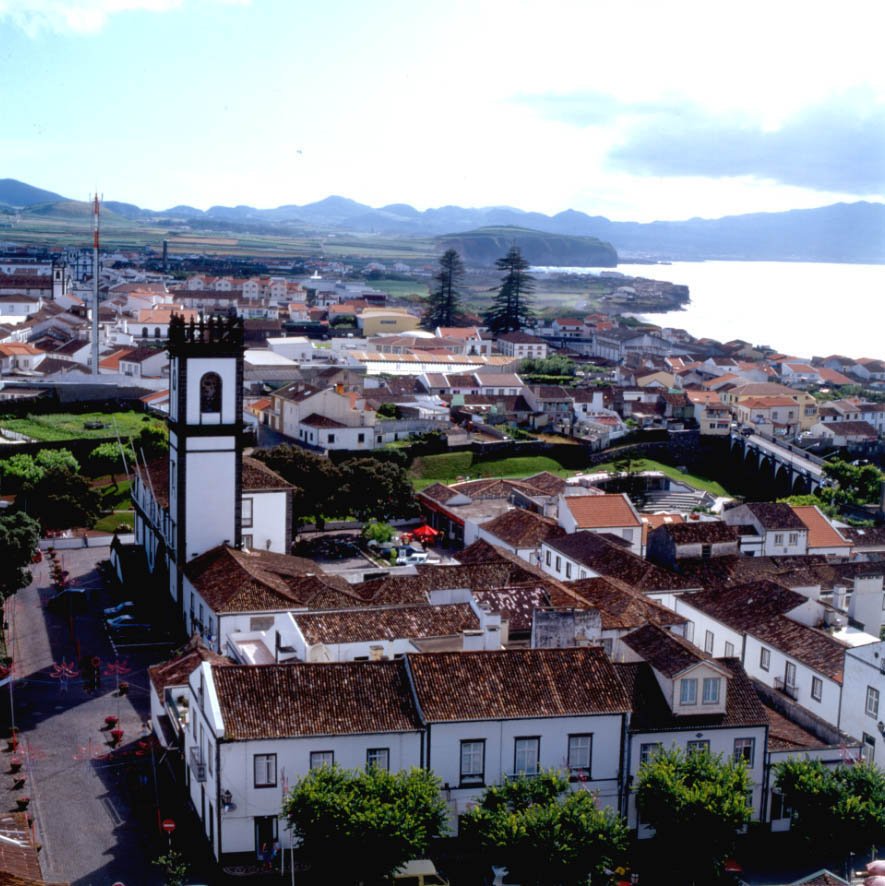
The northern coast of São Miguel is a paradise for adventure seekers and active vacationers. Start your exploration in Ribeira Grande, the island’s second-largest city, where historic architecture blends harmoniously with modern surfing infrastructure. The local surf school, Surf Center, offers lessons for beginners and advanced surfers, and experienced instructors know the best spots for weather conditions. The area around Ribeira Grande is also one of the best places for whale watching. From March to October, you can spot as many as 25 species of cetaceans, including majestic sperm whales and blue whales. Local companies organize 3-hour whale watching cruises, during which experienced guides share their knowledge of these fascinating mammals. Encounters with dolphins, which often race against the boats, are especially exciting. Then we head to Caldeira Velha, where thermal pools nestled in the middle of the rainforest await. Unlike the more touristy thermal baths in Furnas, this place has retained its wild, natural character. The water temperature ranges from 25°C in the pool below the waterfall to 38°C in the upper pool. Evenings are the perfect time to visit the local Quinta dos Sabores winery, where you can enjoy a tasting of wines grown in volcanic soil, and dinner at the winery’s restaurant is a true feast for the palate.
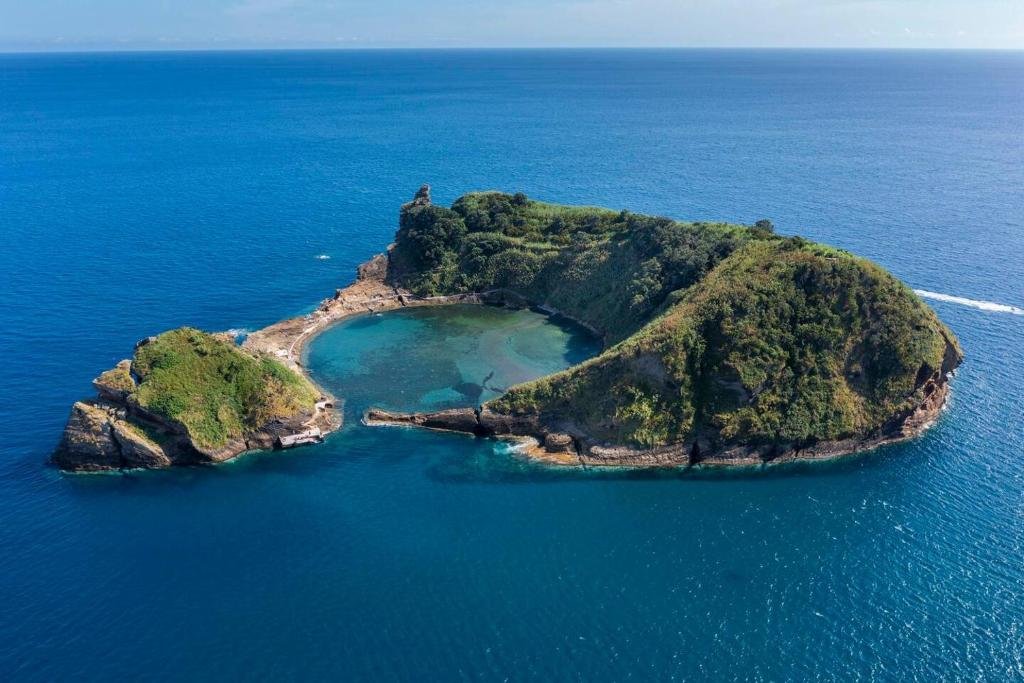
The southern coast and its untamed nature. Villa Franca do Campo, the island’s first capital, is an excellent starting point for exploring the southern coast. The main attraction is Ilhéu de Vila Franca, a picturesque islet formed by the crater of a sunken volcano. It can be reached by regular boat trips during the season. The natural swimming area in the crater offers some of the best snorkeling in the entire Azores. The water is crystal clear, and the diversity of marine life delights even experienced divers. The city comes alive with activity, especially during its numerous festivals and cultural events. The most important of these is the São João Festas do Mar (Festival of the Sea), held in June. For a week, the city is filled with music, dancing, and parades, and local fishermen organize tuna fishing competitions. August sees the famous Senhora da Paz, a religious festival honoring the city’s patron saint, during which a colorful procession winds through the streets and residents decorate their homes with traditional floral carpets. September is also a time for the Festa das Furnas, a celebration of local gastronomy, where you can sample the traditional cozido and participate in culinary workshops. The southern coast is also famous for dolphin and whale watching. A several-hour cruise offers the chance to see various species of dolphins and, during the season (April-October), even whales. After returning to land, visit the local artisan workshops in Vila Franca do Campo, where you can witness the production of traditional ceramics and embroidery. During the summer Craft Festival (Festival de Artesanato), artisans from across the island showcase their wares, and visitors can participate in pottery and weaving workshops. This is a great opportunity not only to purchase unique souvenirs but also to learn about techniques passed down through generations.
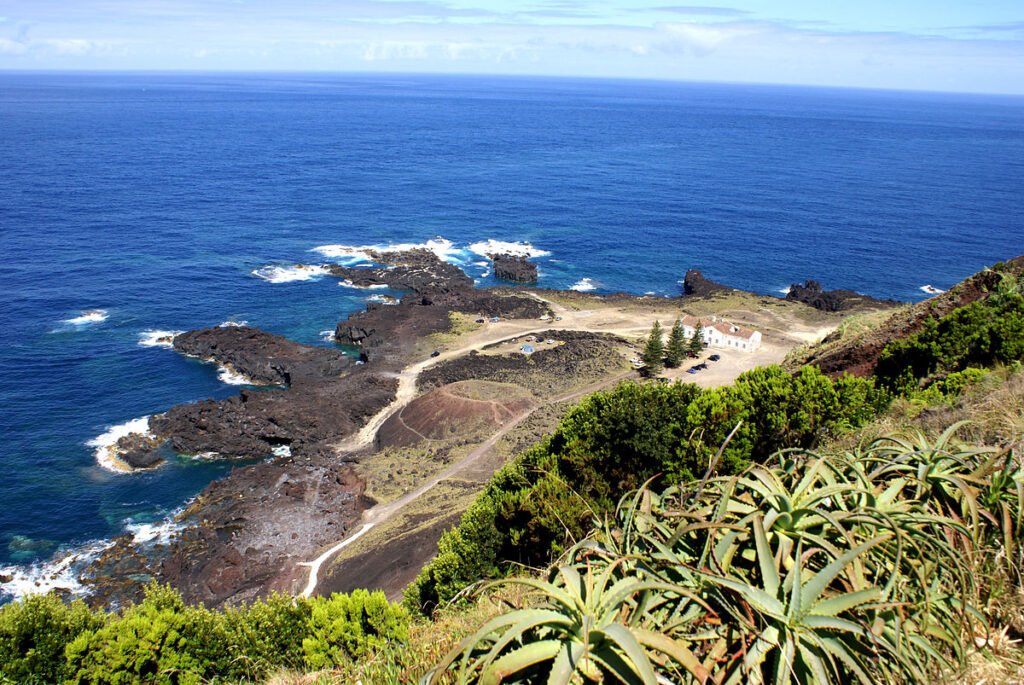
Attractions and relaxation: Ponta da Ferraria, where the hot springs meet the ocean. This extraordinary natural spa is best visited at low tide, when the water temperature is ideal for bathing. This phenomenon is best observed early in the morning, around 8:00-10:00 AM, when the ocean is calmer. At the nearby thermal center, you can enjoy professional spa treatments using local volcanic ingredients. Shopping and souvenirs: In the center of Ponta Delgada, there are several shops offering high-quality local products. Shop for handmade black coral jewelry, local spices, teas and preserves, traditional crafts and ceramics, and local liqueurs, including the famous pineapple liqueur. For dinner, head to one of the traditional restaurants serving local dishes.