
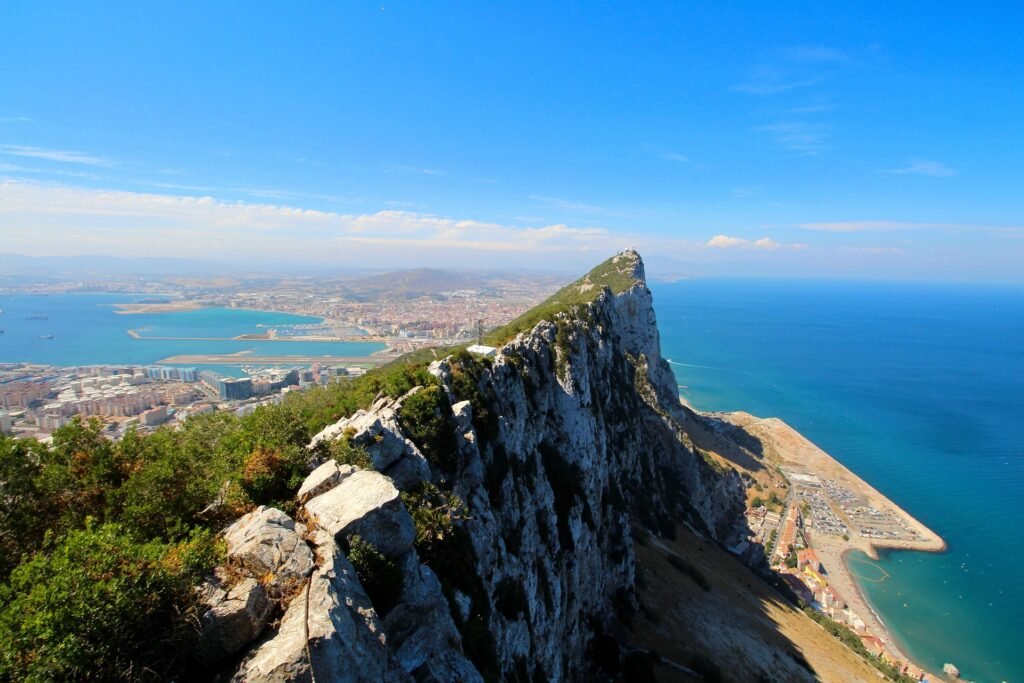
Gibraltar is a British overseas territory on the southern coast of the Iberian Peninsula, in Southern Europe. It covers an area of 6.55 km² and has a population of 34,003. It is located on the Bay of Gibraltar, near the Mediterranean Sea’s exit to the Atlantic Ocean (the Strait of Gibraltar). To the north, it borders the Spanish city of La Línea de la Concepción and the comarca of Campo de Gibraltar. The Rock of Gibraltar dominates the territory. Formerly an important Royal Navy base, the territory’s economy now relies primarily on tourism, trade, financial services, the maritime sector, and a tax on bookmaking.
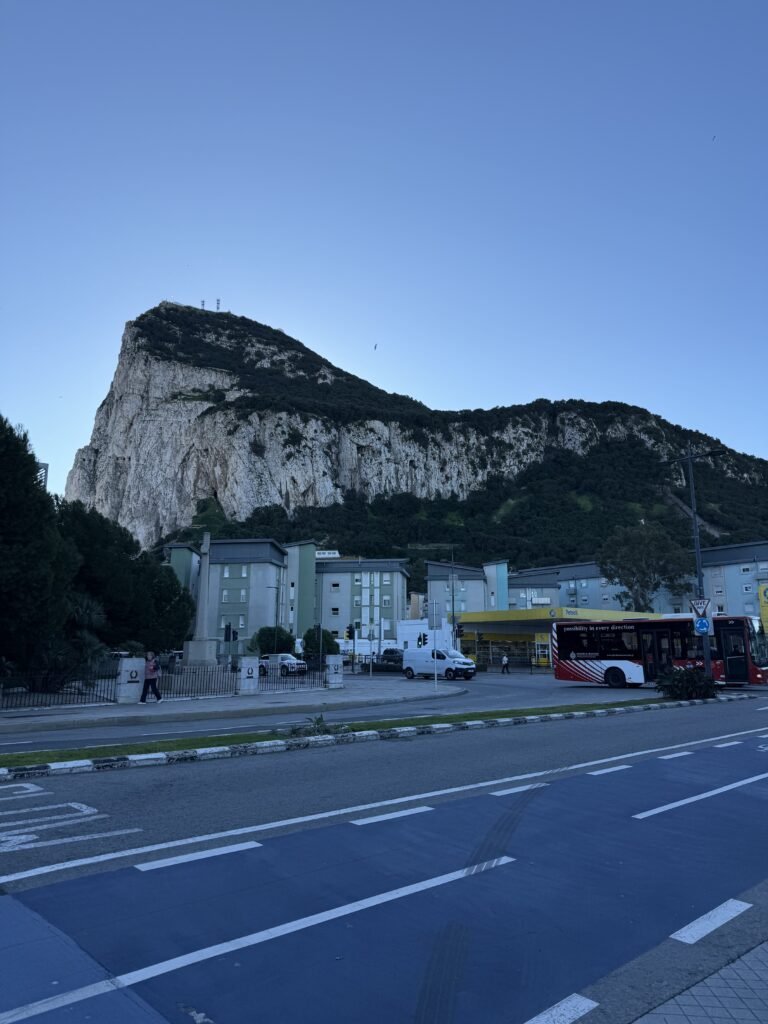
Gibraltar’s biggest attraction is the famous Rock of Gibraltar, which encompasses over 50 km of tunnels, carved for both military and transportation purposes. The Rock is home to a nature reserve (Gibraltar Nature Reserve), which covers almost 40% of Gibraltar’s surface. And of course, the area boasts unforgettable panoramas. However, attractions are scattered throughout the Rock, so you might need half a day to explore everything. Fortunately, the hiking trails are child-friendly enough to be easily completed with children. The exception is the partially untamed Mediterranean Steps, which, in addition to being less safe and wild in some sections (the rest are steps carved into the rock), also requires considerable effort to climb. We don’t recommend this trail to anyone who isn’t confident in their physical fitness. You can get to the top of the Rock of Gibraltar in various ways: on foot, by Cable Car [THE CABLE CAR WAS CLOSED ON 18 NOVEMBER 2025 FOR RECONSTRUCTION], by tourist bus, and access to the Rock of Gibraltar by car is restricted to residents only.
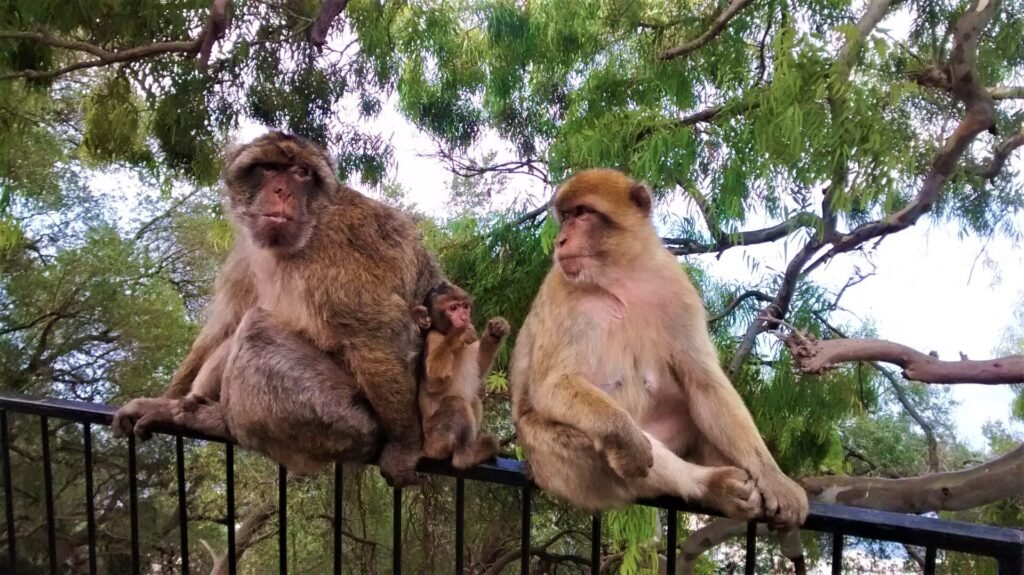
Gibraltar Barbary Macaques, Gibraltar’s Little Monkeys. The most recognizable inhabitants of the Rock of Gibraltar, and indeed of all of Gibraltar, are the Barbary Macaques, tailless monkeys of the Barbary macaque species. Over 300 of these animals live on the mountain, and they are the only wild monkeys in Europe. Observing them up close, one might get the impression that their favorite pastime is jumping onto the backs of terrified tourists. More seriously, it’s not entirely clear how they ended up on Gibraltar. According to one popular theory, they escaped a shipment from Africa. One thing is certain: regardless of the circumstances, the locals will not let them die. According to legend, Gibraltar will remain British as long as the famous monkeys inhabit the Rock. Even during World War II, this legend was taken with extreme seriousness, and the monkeys were placed under special protection.
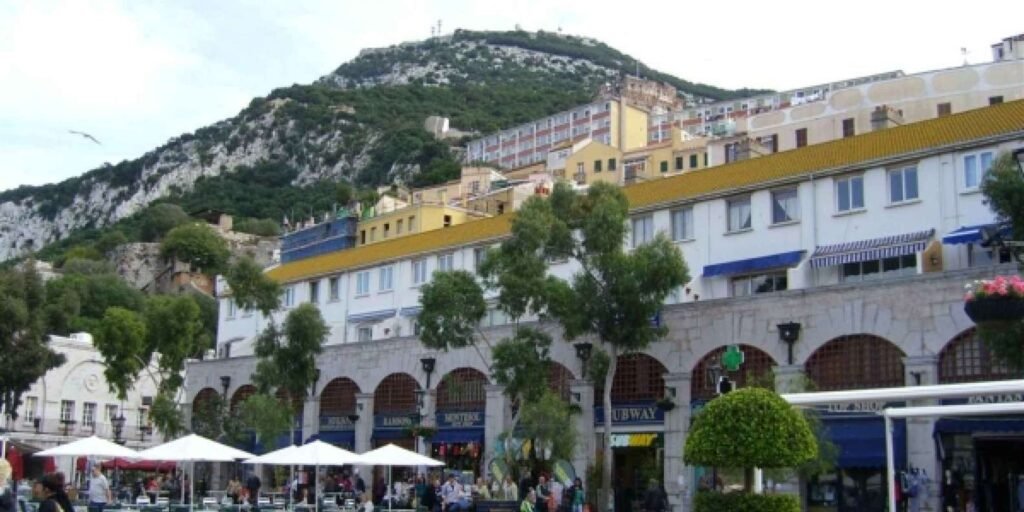
The city’s most important square is Casemates Square. Surrounded by numerous pubs and shops, it becomes the center of social life in the evenings, where locals gather at the tables set up there. Access to the square is through the Landport gate, which was once the only land access to the walled city. If you’re looking to relax and enjoy a pint, The Lord Nelson pub is worth a visit. It’s renowned for its atmospheric decor, inspired by the HMS Victory, the flagship during the Battle of Trafalgar. Located in a former British military barracks, the pub gives its name to the square. Besides beer, you can also sample typical British cuisine.
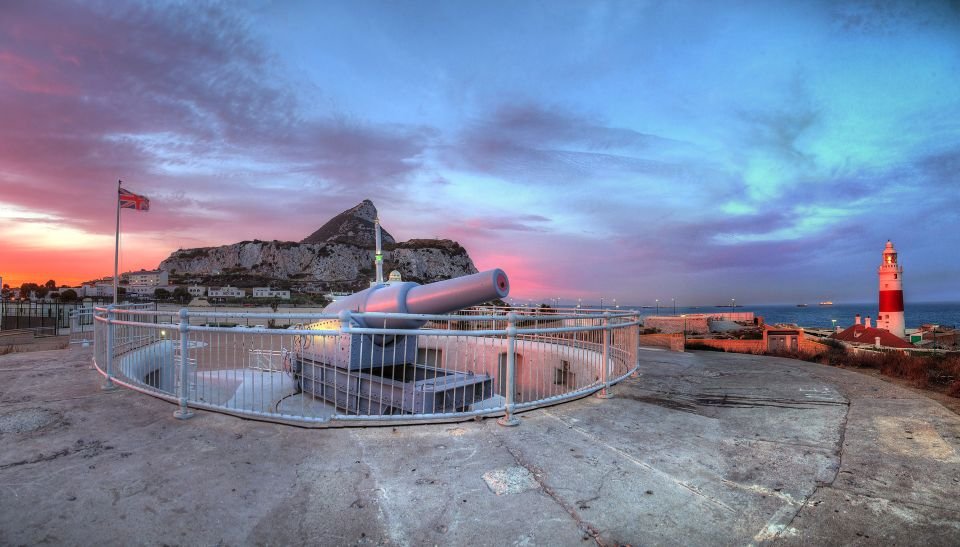
Europa Point – a monument to General Sikorski.
The southernmost part of Gibraltar is known as Europa Point. It is one of the southernmost points of our continent. Some mistakenly call it the southernmost point of continental Europe, but the Spanish Punta de Tarifa is even further. Many Poles visit Europa Point to see the monument dedicated to General Władysław Sikorski, unveiled in 2013. The Polish commander died in a plane crash in Gibraltar on July 4, 1943. The monument is circular in shape, with a propeller in the center, surrounded by commemorative plaques with inscriptions in Polish and English.
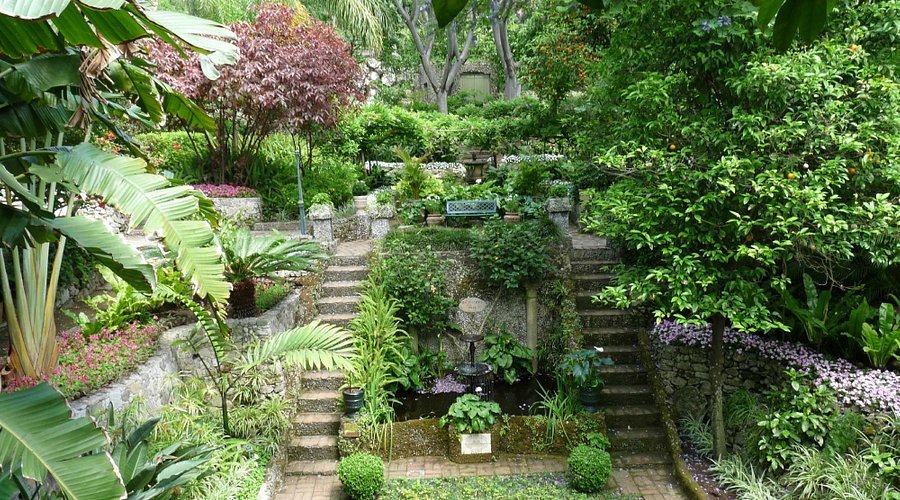
Alameda Botanical Garden and Zoo.
Not far from Main Street lies the Alameda Botanical Garden in Gibraltar, founded in 1816 by Governor George Don, who wanted to create a recreation area for soldiers. Within the botanical garden is the Alameda Wildlife Conservation Park, a zoo that has become a sanctuary for wild animals unable to return to the wild. Many of these animals have been seized by the Gibraltar Border Guard. Visitors to the garden can encounter a variety of species, including monkeys (including lemurs and macaques), turtles, bats, birds, and lizards. Entrance to the garden is subject to a fee.
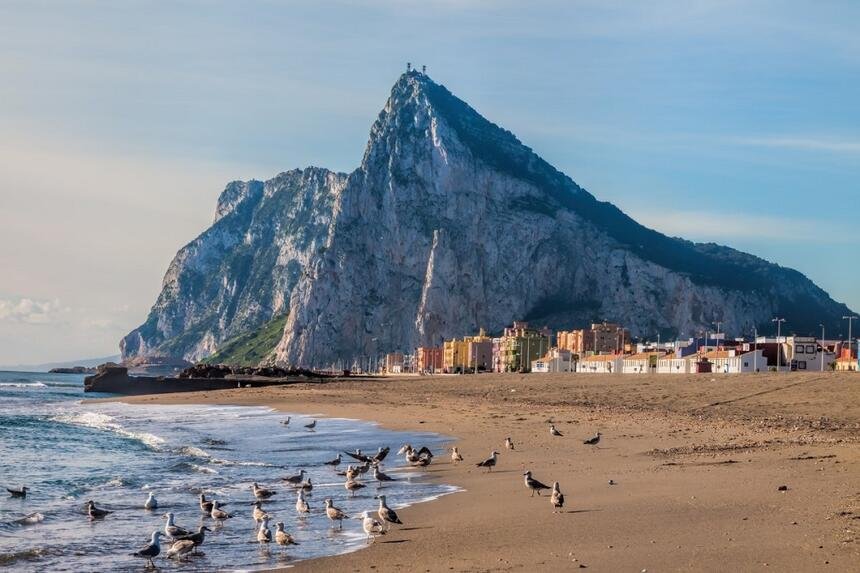
Gibraltar’s beaches. The eastern part of Gibraltar is a stark contrast to its densely built-up west. This part is characterized by sandy beaches such as Catalan Bay, Eastern Beach, and Sandy Bay, and much more modest development. These beaches can be crowded during the season, but are often deserted outside of it. You can reach them by turning left onto Devil’s Tower Road just after passing the airport. Free parking is available at the beaches, and you can also take a bus. One interesting place is the settlement on the Gulf of Catalonia (Catalan Bay). This bay takes its name from the Catalans who hid there during Napoleon’s invasion of Spain. The settlement itself was founded by Genoese fishermen in the 18th century, as evidenced by the colorful facades of the buildings. Today, you can find numerous bars and restaurants here.
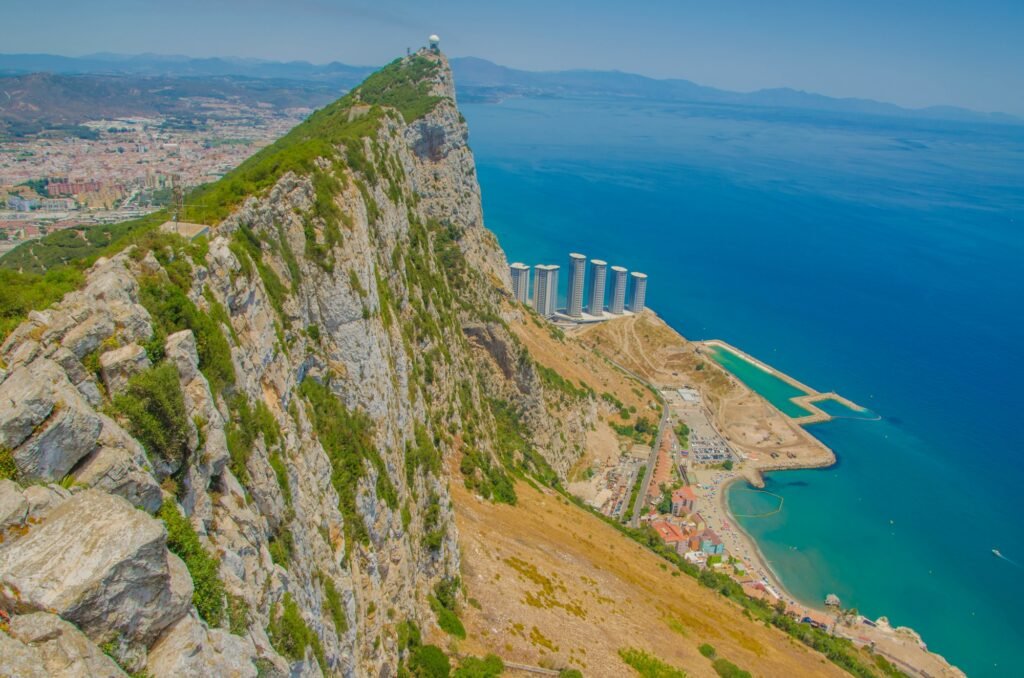
Interesting facts: Gibraltar covers an area of just 6.7 square kilometers and is inhabited by approximately 33,000 people, which translates to approximately 5,000 inhabitants per square kilometer. Many Spaniards also work in Gibraltar, with an estimated 10,000 commuting to work daily. Gibraltar’s greatest symbol is the Rock of Gibraltar, which rises to a height of 426 meters and is inhabited by over 300 wild Barbary macaques. Although Gibraltar has been a British overseas territory since the early 18th century, it has its own government and parliament. Gibraltar’s currency is the Gibraltar pound, but payments can also be made in sterling.
