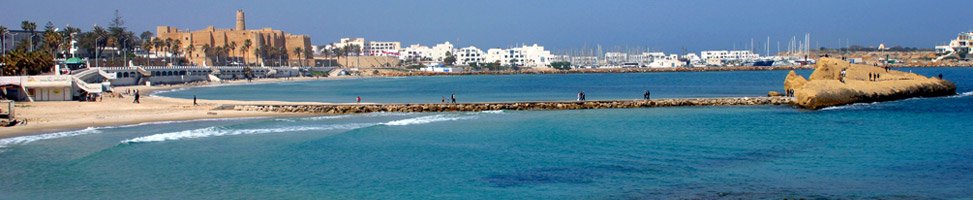
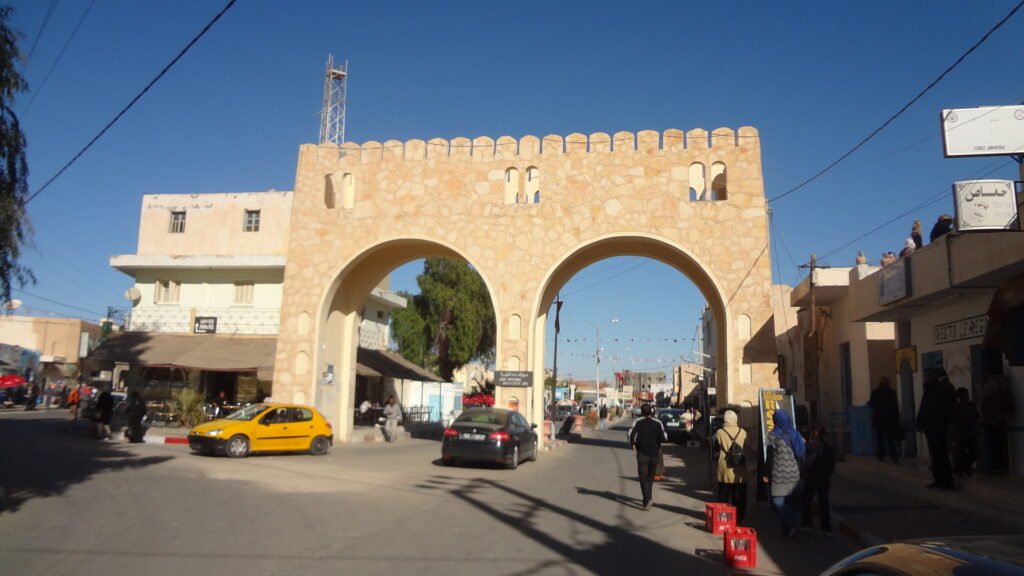
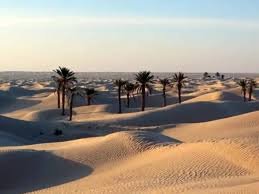
Douz, a city in central Tunisia, in the Kebili Governorate, is known as the Gateway to the Sahara or the Sahara Desert. In 2014, it had a population of approximately 30,000.
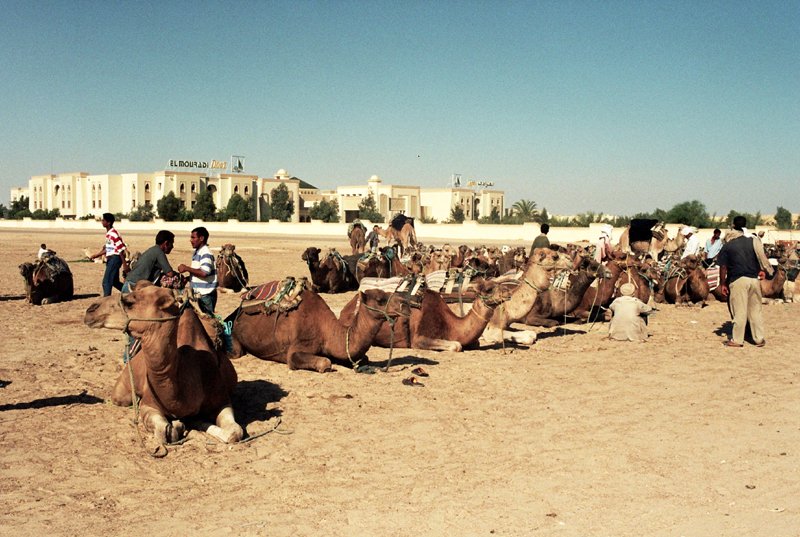
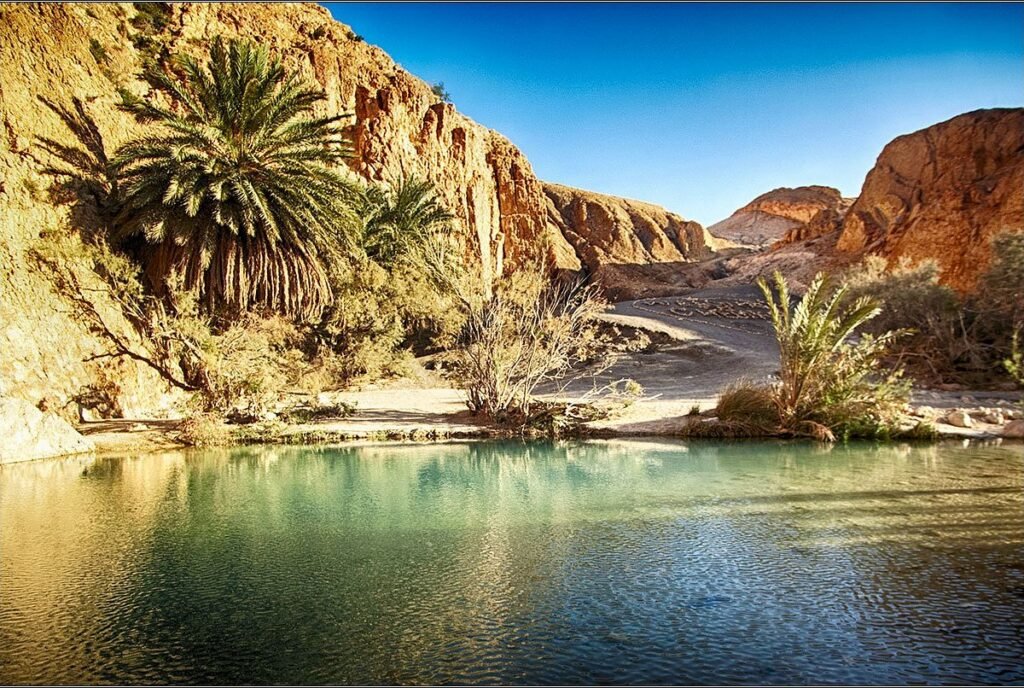
About the town of Douz. In ancient times, Douz was an important stopping point on the Trans-Saharan caravan route. Today, it is a tourist center. Tourists can enter the desert by camel, motorcycle, or four-wheel drive vehicle. Douz is an oasis dotted with palm groves. The Palmeraie covers a vast area and is the largest in Tunisia. Nearly 500,000 trees grow here, and each year a vast variety of fruits and vegetables are harvested, including the highly prized date. The annual International Sahara Festival, a four-day celebration of traditional desert culture, is held. The festival usually takes place in November or December and features folk music and dances, poetry readings, camel and racehorse races. The local Marazig people cultivate their traditions, grazing sheep and goats, and raising camels and Saharan greyhounds. In Douz, you’ll find the Sahara Museum, which showcases traditional displays of the nomadic desert culture of the Marazig people, who now live in the city after receiving settlement rights. In addition to a large collection of regional costumes and a model of a Bedouin tent, this small folklore museum also features a section explaining the meaning of local women’s tattoos. Those interested in desert flora and camel breeding will also find interesting exhibits.
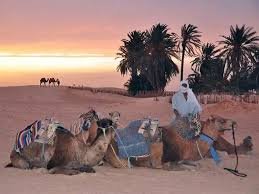
Key facts about the Douz market: Day and time: The main trading hours are on Thursdays, starting early in the morning. It’s best to arrive around 7:00–8:00 a.m., as the market slowly empties around noon. Location: The market is located on the outskirts of the central square (souk) in Douz, a town nicknamed “Gateway to the Sahara.” What you’ll see there: Although tourists call it the “camel market,” it’s officially a livestock market. In addition to dromedaries (domedaries are native to Tunisia), goats, sheep, and donkeys are traded there. Atmosphere: This is a thoroughly local event, full of excitement – you’ll hear loud haggling, vendors shouting, and the distinctive sounds of animals. It’s also accompanied by a strong, distinctive smell.
Practical Information.
Currency and Payments in the Region. The local currency is the Tunisian dinar (TND). It’s a good idea to carry cash in Douz, especially in markets or smaller shops, where credit cards may not be accepted. It’s best to exchange money at banks or currency exchange offices in larger towns, although hotels also offer this service, but at a less favorable rate.
Local Transportation in Douz. There’s no extensive public transportation in Douz, so taxis are the most popular mode of transportation. The approximate price is around 1 TND per kilometer. It’s worth agreeing on a fare with the driver in advance. Scooters and quad bikes can be rented near hotels for around 50-100 TND per day. Car rental is also possible, but be aware of the specific road conditions – roads in the desert regions can be narrow, and parking in the center of Douz can be difficult.
What to Bring to Douz? Due to Douz’s desert climate, it’s a good idea to bring light, airy clothing, but also warmer clothes for cool evenings. Sunscreen, sunglasses, and a hat are essential. A reusable water bottle will also be useful. If you plan to rent a car, bring an international driving license.
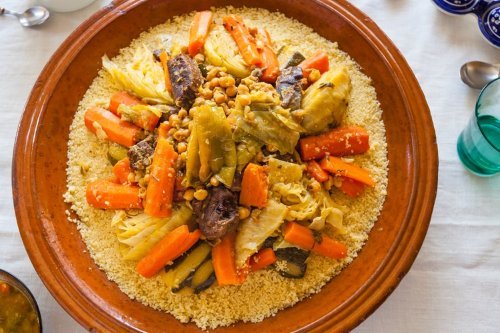
The city’s cuisine. Douz cuisine is strongly connected to desert traditions. Dishes worth trying include:
Chorba – an aromatic soup with lamb and vegetables.
Couscous with dates – a local variation on the Tunisian national dish.
Brik – a crispy pastry stuffed with egg and spices.
Mechoui – roasted meat, usually lamb, served with spices.
Makroudh – sweet pastries with dates.
It’s best to sample local dishes at the bazaar in the center of Douz or in traditional restaurants like “Restaurant El Bey.”
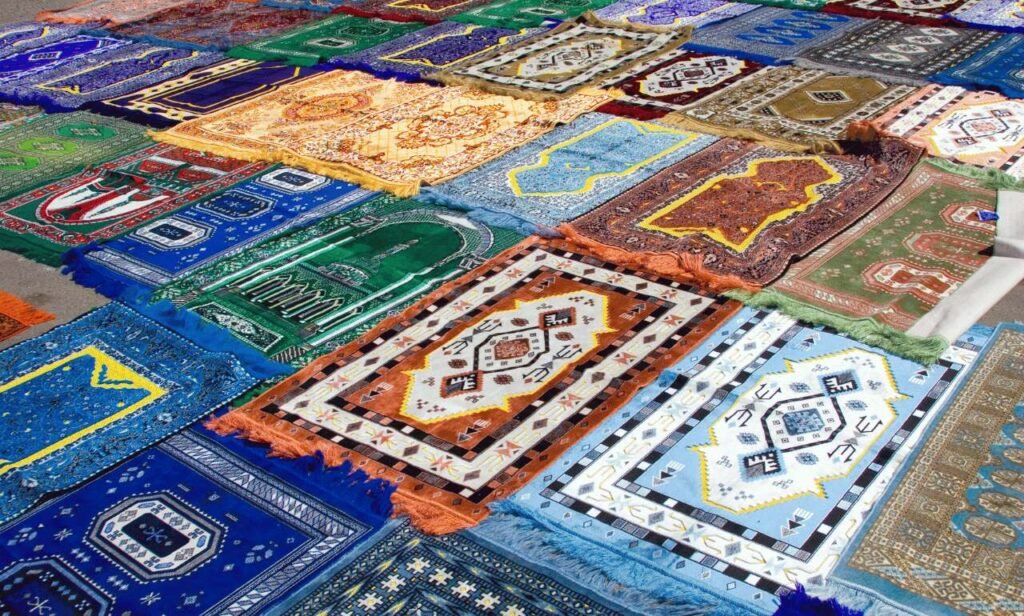
What’s worth bringing back from the city? Dates are a must-have from Douz, considered among the best in the world. Hand-woven camel skin rugs and jewelry are also popular. Local markets, such as the souk in the city center, are the best places to shop. Berber jewelry and spices like saffron and cumin are also worth checking out.
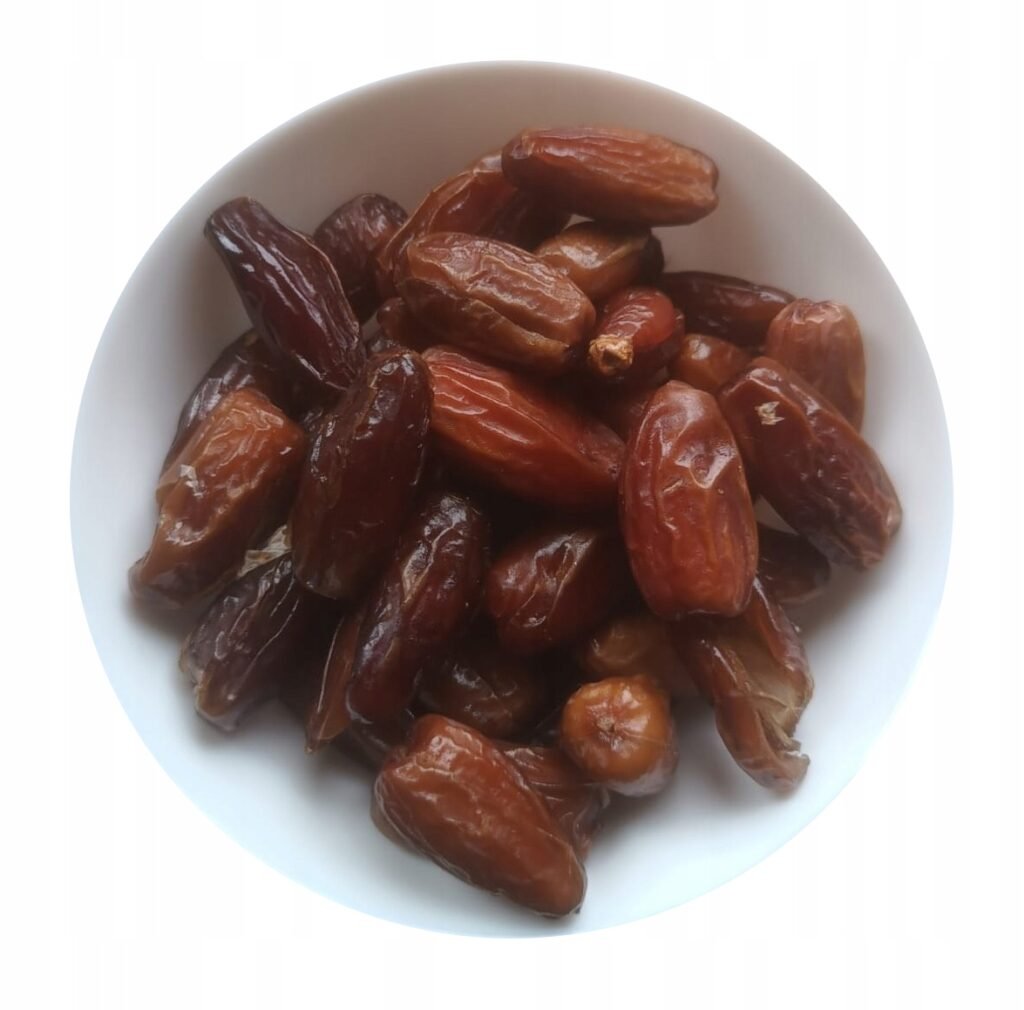
Interesting facts about the city: Douz is known as the capital of date paradise – it hosts the annual Date Festival, which attracts tourists from around the world. The city also hosts camel races, a unique spectacle. Interestingly, the traditional houses in Douz are built to keep cool even on the hottest days. In the shade of palm trees, you can see locals playing the traditional game of “méhari,” which resembles chess.
Douz’s weather is typically desert-like, meaning high daytime temperatures and cooler nights. In summer, July and August, the average daytime temperature reaches a high of 39-40°C, making it a time for those who enjoy extreme heat. In winter, December and January, the days are milder, with temperatures around 16-19°C, and cool nights—even below 8°C. Spring and autumn offer more temperate weather, perfect for exploring the Sahara, visiting local oases, or attending cultural events like the Sahara Festival. During these months, you can expect sunny days (around 26-28 per month) and minimal rainfall, making it ideal for active recreation. Douz is also a great place for camel rides or enjoying sunsets over the dunes in comfortable conditions.