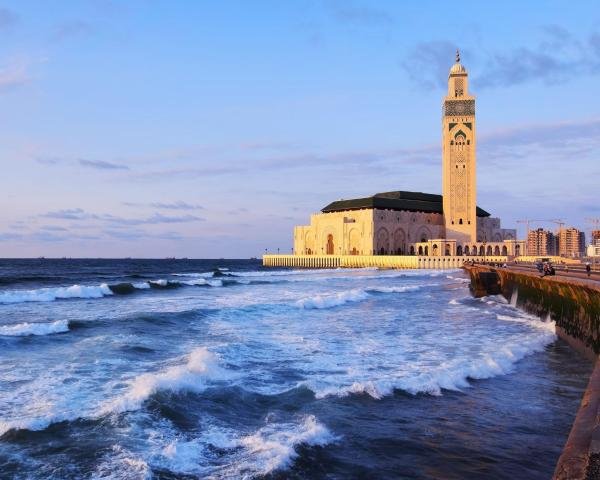
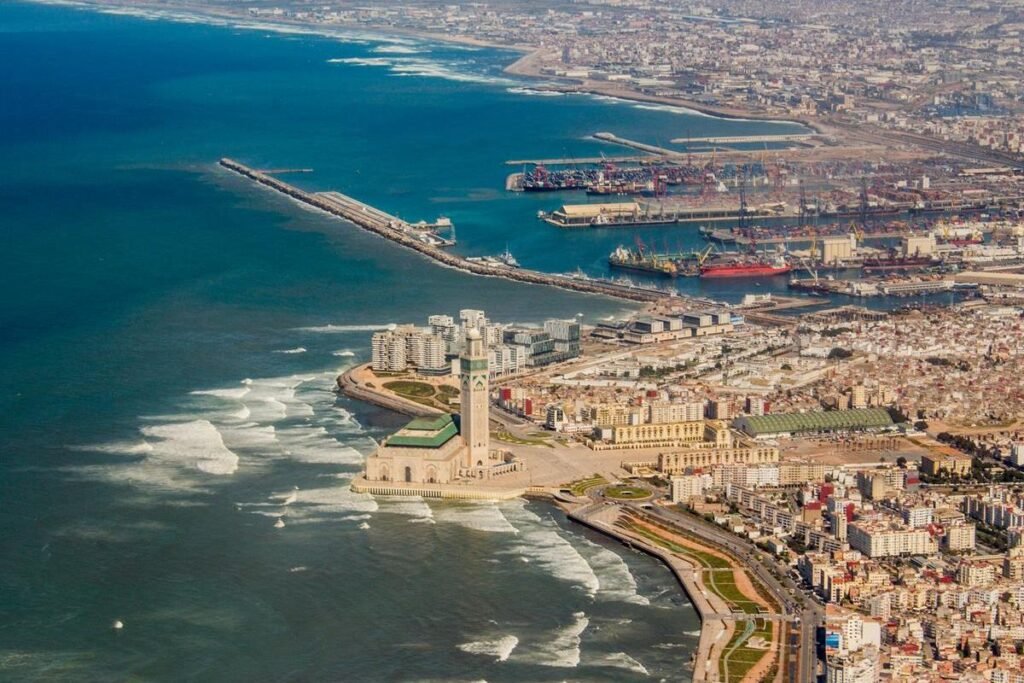
Casablanca is a city in western Morocco, on the Atlantic Ocean, and the administrative seat of the Casablanca-Sattat region. In 2024, it had approximately 3.2 million inhabitants, making it the largest city in the country and the entire Maghreb. Casablanca is a major industrial and cultural center and Morocco’s largest seaport. The historic Casablanca Conference was held here. Casablanca Airport is located 30 km south of Casablanca. A tram line has been opened.
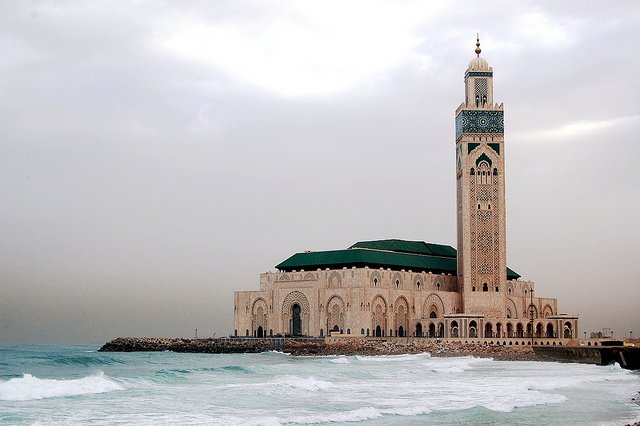
The Hassan II Mosque. It is undoubtedly the symbol of this city and the attraction that attracts the most tourists. The Hassan II Mosque, built in 1993, is the second largest mosque in the world (after the one in Mecca), and its location is as interesting as its significance, as it sits on a sandy promontory overlooking the ocean. The mosque also boasts the world’s tallest minaret (200 meters high), equipped with a laser pointer indicating the direction to Mecca. The mosque can accommodate up to 25,000 people, including those of other religions. It is undoubtedly one of the most beautiful mosques in Morocco.
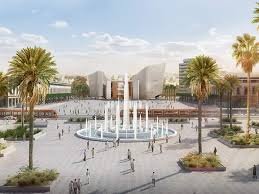
Place Mohammed V. This central square is the historic heart of Casablanca. Named after the sultan who helped gain Morocco’s independence, the square is home to the Palace of Justice, the seat of City Hall and the Prefecture of Casablanca. You can also admire the ornately carved fountain and rows of palm trees. The buildings on Place Mohammed V combine neo-Moorish, Art Deco, and European styles, making it a significant location not only for administrative but also architectural purposes.
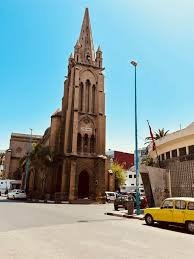
Al Qods Mosque. Another unique religious structure on the map of Casablanca, specifically in the Roches Noires district, the Al Qods Mosque is the only mosque in the world built in the Gothic style. It was originally built in 1920 as a Catholic church, but after Morocco gained independence, it was converted into a mosque in 1981.
What would an Arab city be without its medina? The Old Medina is a return to Morocco’s past and a place of worship. It’s worth strolling through the narrow, charming streets, admiring the mosques and colorful buildings. The oldest part of Casablanca also boasts cafés and atmospheric souvenir shops. The 18th-century bastion of La Sqala and the tomb of the city’s patron saint, the Quba Sidi Allal el-Kairaouni, are also located here.
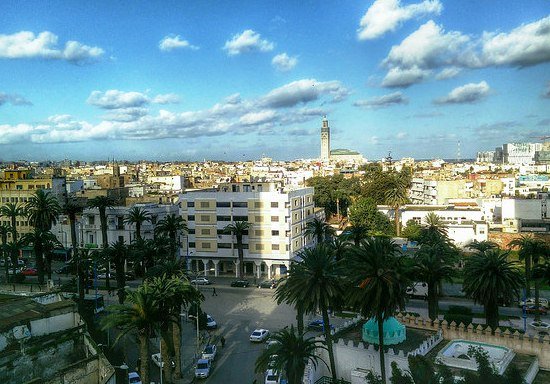
Ville Nouvelle and the Cathedral of the Sacred Heart. Ville Nouvelle is a modern district of Casablanca, built by the French in the early 20th century. The area is full of contrasts – alongside tall, monumental skyscrapers, you can see traditional Moroccan-style buildings with neo-Moorish ornamentation. One of these is the Cathedral of the Sacred Heart (Cathedral of the Sacred Heart), built in 1930, with its characteristic white concrete walls and large stained-glass windows. Visitors can climb one of the two tall towers for panoramic views of the city. Today, the cathedral no longer functions as a Catholic church, but rather as a cultural center.
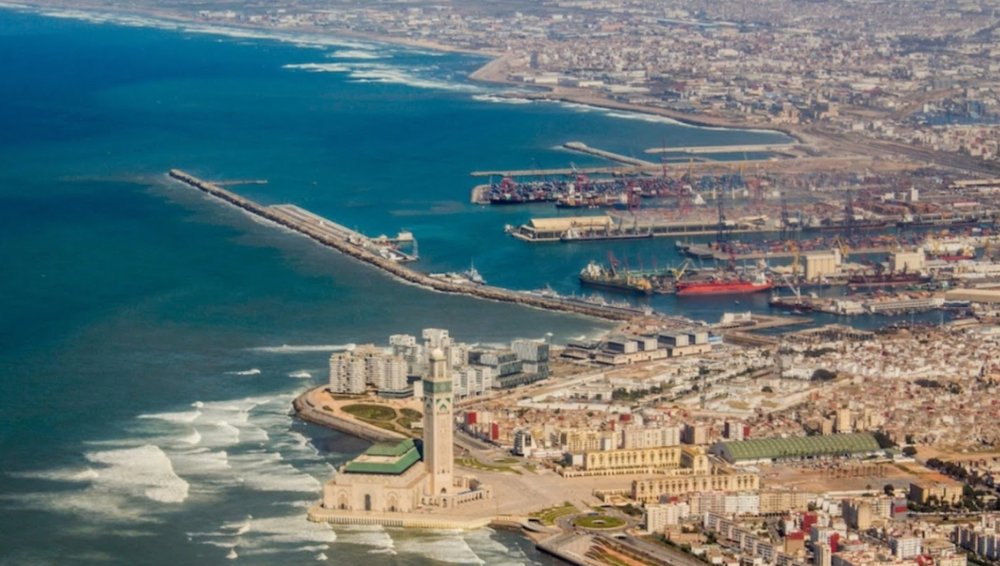
The Port of Casablanca. This is Morocco’s most important seaport, built in 1920. It is considered the country’s economic center. It combines the role of a major trade hub with Casablanca’s cultural richness. It is here that international maritime trade between Africa, Europe, and other parts of the world takes place. The Port of Casablanca is the best proof of the immense and unwavering importance of fishing for the economic situation not only of the city but also of the entire country.
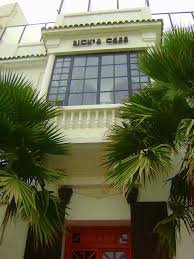
Rick’s Café from the cult film “Casablanca.” The film “Casablanca” takes place in this Moroccan city. So, there are plenty of attractions and memorabilia related to the film. If you enjoyed the film, be sure to check out Rick’s Café, modeled after the restaurant of the main character, Rick Blaine (but without all the controversy). It’s the perfect place for coffee and lunch. Fun fact: although the film takes place in Casablanca, not a single scene was actually filmed in the Moroccan city. The entire film was shot on a studio in the United States.
The Anfa District. Anfa is an exclusive district of Casablanca, reminiscent more of California than traditional, Arabic Morocco. It is filled with sprawling villas with gardens, home to the city’s wealthiest residents. Situated between the city center and the beach, it’s often compared to the American state. The district is home to the 1912 Casa-Anfa Hippodrome, with its covered grandstand and sandy oval track, as well as the Royal Golf Anfa golf course. In Anfa, you can enjoy luxury shopping at renowned fashion houses, buy Moroccan souvenirs, or dine at a restaurant overlooking the sea.
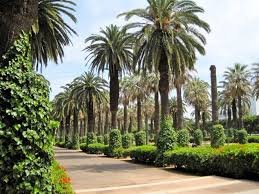
Arab League Park. Called the “Green Lungs of Casablanca,” Arab League Park is a great place to relax and take a leisurely stroll along paths lined with palms, ficuses, and pine trees. It also serves as a meeting place with family and friends. Although located in the city center, it’s a true oasis of peace where you can quickly and effectively recharge your batteries. It’s also a great base for exploring nearby galleries and museums if, after a stroll, you feel like soaking up some Moroccan culture.
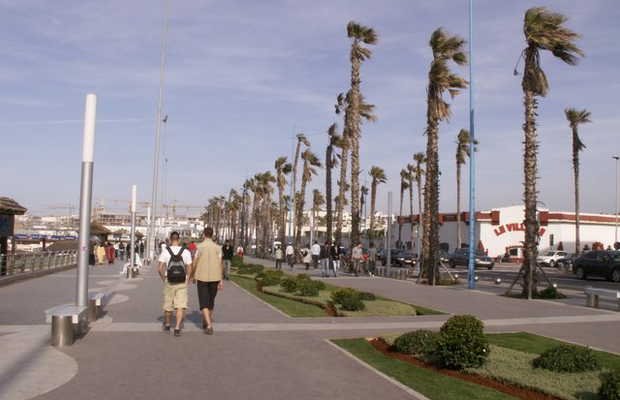
The Avenue de la Corniche promenade. Avenue de la Corniche is far from the leafy boulevards lined with charming shops and locally owned restaurants. In reality, it’s an elegant promenade famous for its luxury hotels, restaurants, and nightclubs. You’ll mostly encounter wealthier tourists from the Arabian Peninsula and surf enthusiasts here. It’s worth a visit to experience Casablanca from a different perspective: bustling, vibrant, and perfect for water sports.