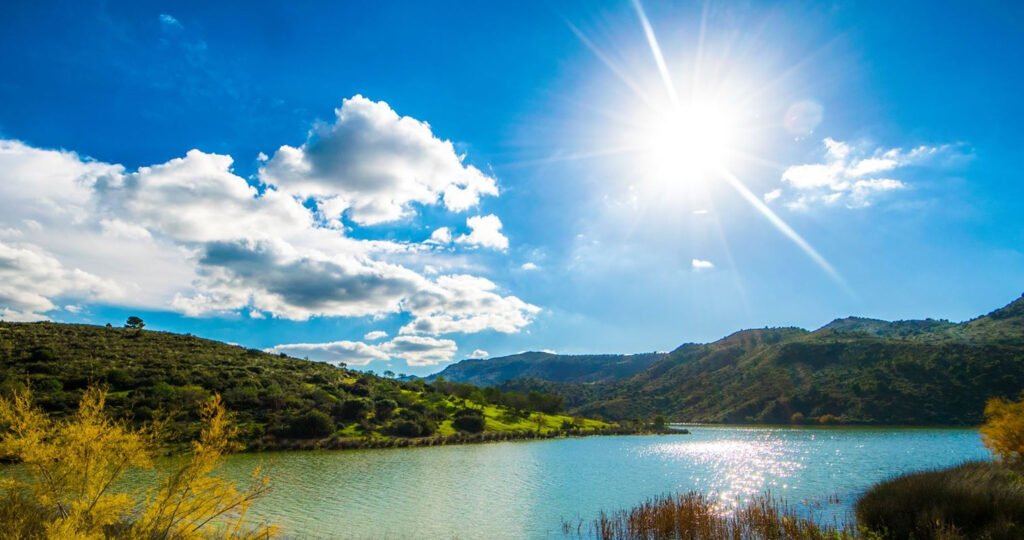
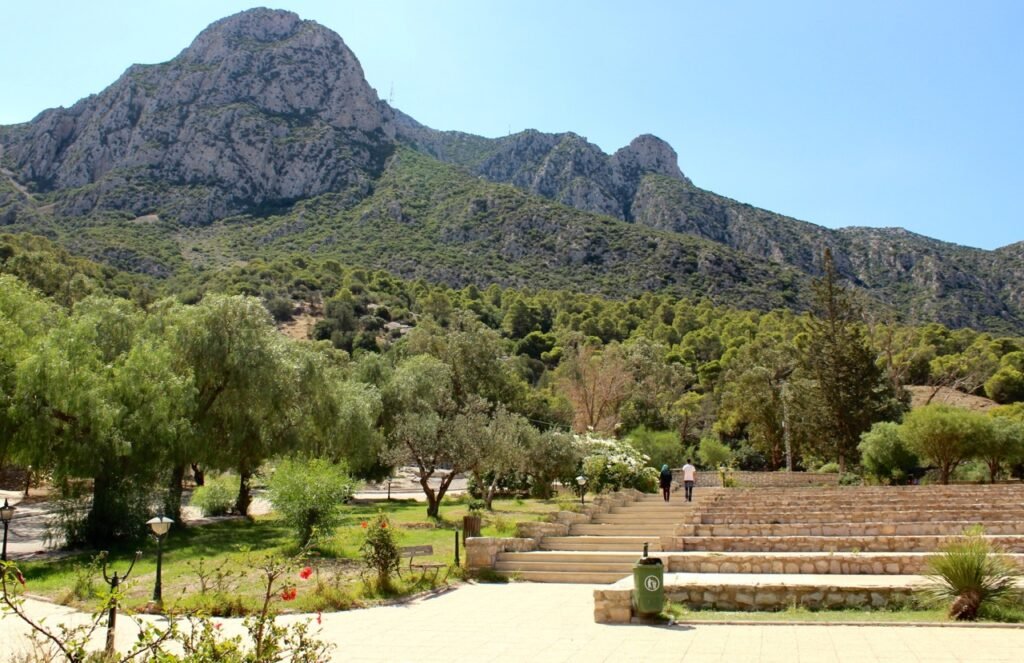
Zaghwan is a city in northeastern Tunisia, the administrative seat of the Zaghwan vilayet. In 2014, it had a population of approximately 21,000. The city is situated on several hills at the foot of the Jebel Zaghwan mountain, which rises to 1,295 meters above sea level. In 2010, the Jebel Zaghwan National Park was established, covering an area of 20.24 km², encompassing the mountain and the adjacent mountainous areas southwest of it, on the opposite side of the city.
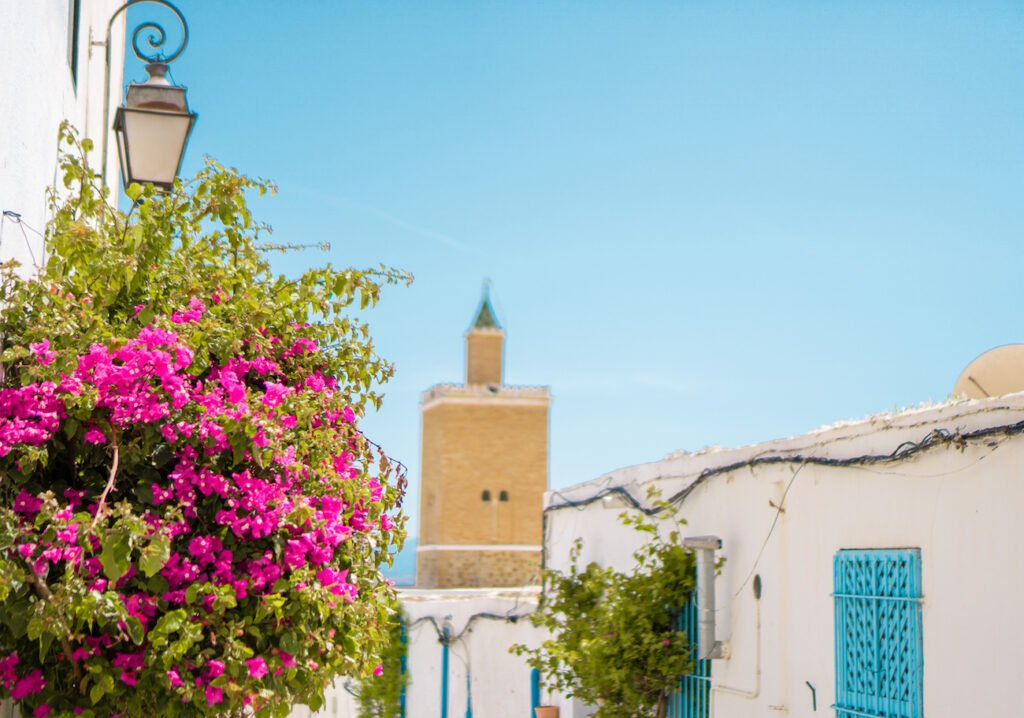
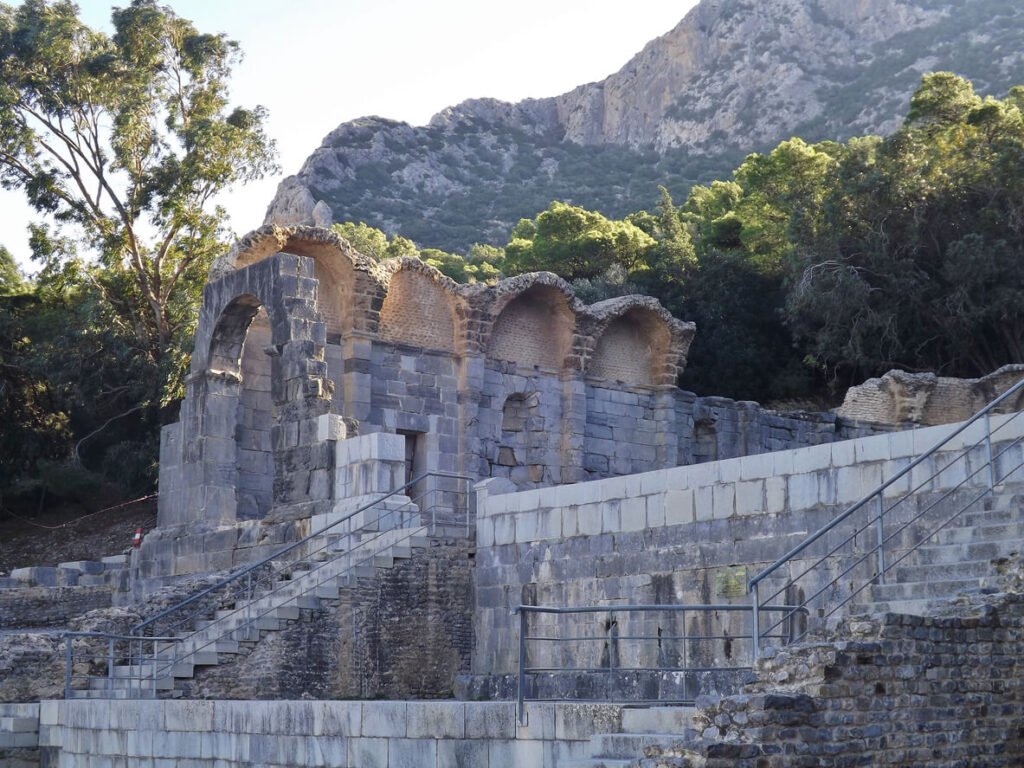
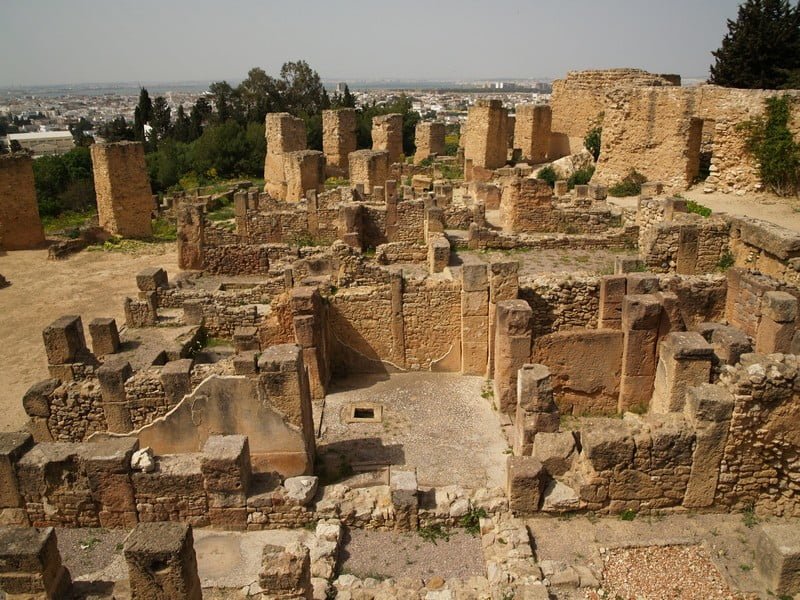
About the city. In Roman times, Zaghwan was called Ziqua and was an important urban center, providing water from local springs to Carthage (the name Ziqua likely derives from the Latin word aqua, meaning water). Water was transported via an aqueduct approximately 130 km long, built under Emperor Hadrian in the 2nd century AD (it was one of the longest aqueducts built by the Romans). The aqueduct begins at a temple with fountains dedicated to water, usually called the Temple des Eaux in French, the ruins of which remain to this day (despite the popular name, it is not a temple, but a nymphaeum). Twelve niches in the walls held life-size statues representing the 12 months of the year. A temple once stood in the center of the nymphaeum. A figure-eight pool below the main level of the structure served to filter the water before it was released into the aqueduct. Another landmark in Zaghwan dating from that era is the triumphal arch. The best-preserved remains of an aqueduct are located near the ancient town of Uthina (French: Oudna). In addition to the ancient ruins, Zaghwan also boasts an “old town” with Andalusian architecture introduced by the Moors, who settled here in the 17th century after fleeing Spain. They also introduced new agricultural methods and introduced new crop species. The two dominant religious buildings in the city are a former church and a mosque. After Tunisia regained independence, the church was converted into a mosque, and its tower into a minaret. However, it was later deconsecrated and now serves as a private school.
A vestige of centuries-old engineering. At the foot of the mountain, nestled in a green cliff, stands the Temple of Water – a unique place of worship and technology where the Romans combined aesthetics with pragmatism. Water flows from the local springs, which, even in ancient times, were collected in basins and directed into a monumental system of canals. This is where the Roman aqueduct originated, stretching over a hundred kilometers to Carthage, feeding baths, fountains, and homes. Visiting the Temple of Water, you enter a stone amphitheater of silence. The niched walls, carved thresholds, and traces of ancient inscriptions remind you that water was worshiped here almost as a deity. It’s a great stop before your hike: you can feel the coolness, listen to the whisper of trickling streams, and imagine the rhythm of life two thousand years ago. In the vicinity of Zaghouan you will also encounter lonely arches and fragments of canals – relics of the aqueduct that led to the ruins of an ancient power on the bay.
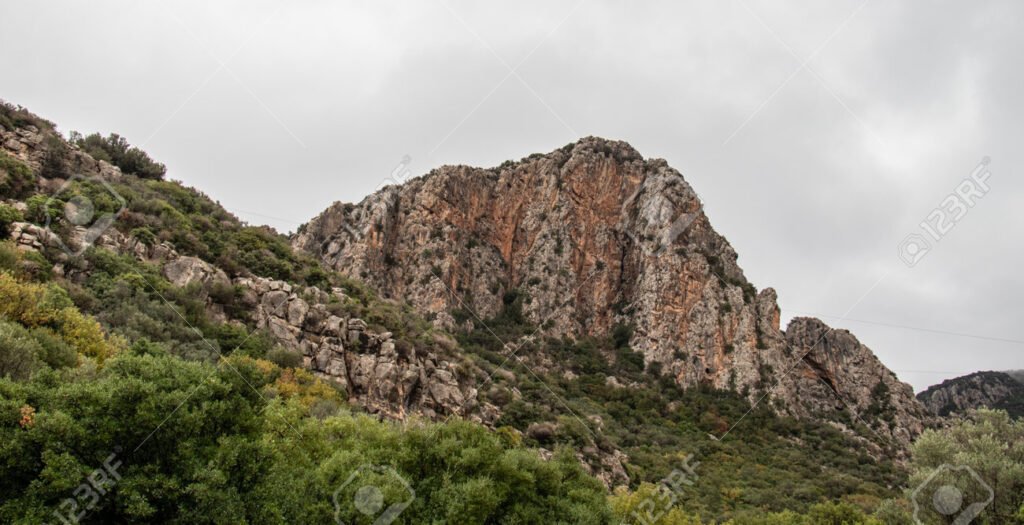
Jebel Zaghouan Mountains. The trails in the Jebel Zaghouan massif are mostly unmarked, but they are easily identified thanks to the guidance of local guides and well-worn paths. They lead along terraces above valleys, traverse rocky ridges, and wind their way up to panoramic vistas, where the eye wanders from olive groves to the blue streaks of the coast. The most popular route is the one to the summit – physically demanding, but not too technically challenging for those with mountain experience. On a clear day, from the summit, you’ll see the matte geometry of fields, the rounded domes of farmhouses, and the sea shimmering in the distance. For shorter walks, it’s worth choosing the circular route by the spring, leading through pine groves and plateaus resembling natural belvederes. Remember to have an offline map or an app with a route map – among the limestone ridges, it’s easy to be tempted to take a side path that disappears into the maquis.
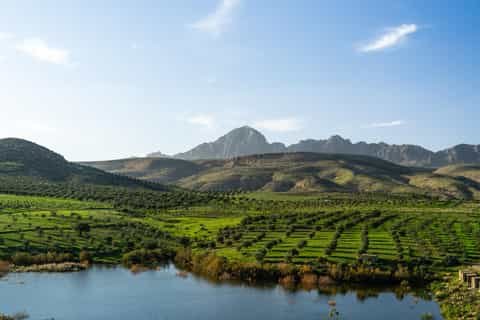
Springs among the rocks: oases of shade, resting places, traditions. The most distinctive landscape features are stone basins and small troughs that collect water from numerous springs. Sometimes the water flows directly from a crack in the limestone, creating a rustling thread of green moss; other times it trickles silently, nourishing long-established gardens. On hot days, these places are a true salvation: coolness, shade, the whisper of water, and the scent of rosemary – a complete solace upon approach. Water has shaped local customs. To this day, locals eagerly gather at the springs, filling their waterskins and bottles, and in some hamlets you’ll encounter stone benches prepared especially for hikers. Simple rules are upheld here: share water, leave no trace, and respect the silence. If you happen upon a family picnic – which often happens on weekends – don’t be surprised to be offered olives and bread.
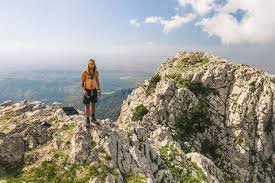
Climbing, mountain biking, and photography. The limestone walls of Jebel Zaghouan tempt not only hikers. Climbing enthusiasts will find short sport sections and longer, traditional routes, usually made of hard, well-sculpted limestone. The best times are cool autumn and spring, when the rock is firm and the sun isn’t blazing. It’s worth asking local guides for the latest topo and regulations – this is an area where the “leave no trace” ethic is highly respected. Mountain bike enthusiasts will appreciate the technical singletracks leading through overgrown terraces and rocky descents. Bikes with longer travel and tires with good puncture protection are recommended – Mediterranean plants can be thorny. Photographers, on the other hand, will love the golden hours: at dawn, the light softly falls on the limestone walls, and in the evening, the horizon is enveloped in a pastel hue, where the green of the pine trees meets the orange of the sky.
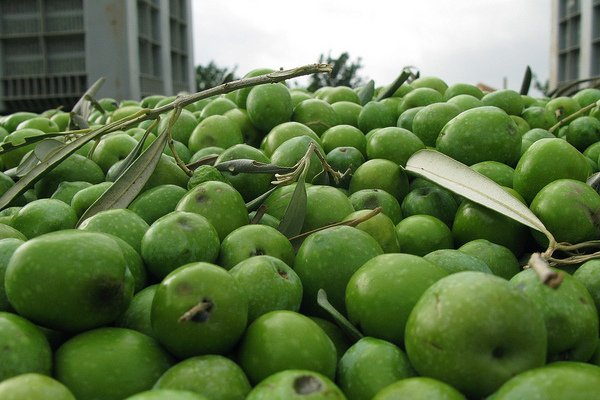
Cuisine. After leaving the trail, it’s worth stopping in the town of Zaghouan. Local cafes and small eateries serve simple, fresh cuisine: couscous with vegetables and chickpeas, brik with egg and tuna, and in winter, aromatic harira soup. Rosemary honey is popular in the mountains, which tastes delicious with local sourdough bread. Also try olives from nearby groves and olive oil, which has a distinct, peppery finish. A unique dessert appears in the autumn and winter seasons – assidat zgougou, a cream made from Aleppo pine seeds, traditionally prepared for holidays. It’s a nod to the forests that cover the slopes of the massif. If you have time, visit the local market: you’ll find dried herbs there that will bring the scent of the Zaghouan Mountains to your kitchen, as well as handicrafts such as esparto baskets, ceramics, and vessels for brewing mint tea.
Weather. Trail etiquette. Navigation. Although the terrain isn’t extreme, hiking trails can be unreliable after prolonged droughts or heavy rains, when water washes away shortcuts. Bring a navigation device and rely on your own judgment, not just on an app. In summer, start early—the heat can be unbearable on open ridges, and water isn’t always available. After rain, watch out for slippery limestone slabs that require a steady pace and good tread. Etiquette? “Greet, share, don’t litter.” Locals have a habit of engaging with hikers—a quick “as-salāmu ʿalaykum” or “bonjour” often leads to an exchange of route tips. If you encounter a herd of goats or sheep, slow down, give a wide berth, and don’t disturb the shepherd dogs. Also, respect the silence at springs: these places are, for many, more of a sanctuary than a point on a map.
Zaghouan is the perfect escape from the hustle and bustle of the capital: close, yet in a different dimension. The scent of rosemary, the murmur of springs, and the whiteness of limestone walls create a landscape that soothes and invigorates at once. Add to this the echoes of antiquity in the Temple of Water and relics of the Roman aqueduct to Carthage, and you have a mix that’s hard to beat anywhere else in northern Tunisia. Whether you come for a light stroll, a challenging ridge hike, or a day of ziplining and quickdraw, you’ll return with the feeling that the Zaghouan mountains have a personality all their own. Respect this place, take only photos and memories with you, and leave only light footprints in the stone.