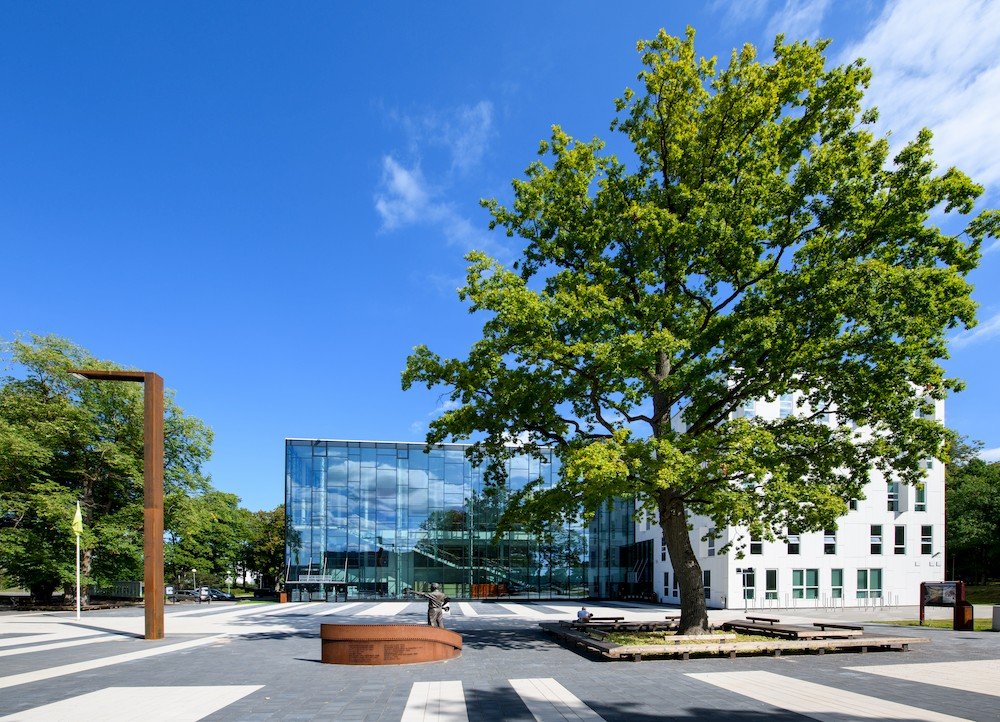
Jõhvi (pronounced Jychwi) is a city in northeastern Estonia. The capital of Ida Viru Province. The city is located 150 km from Tallinn, 50 km from Narva and the Russian border, and 120 km from Tartu. The city has a railway station, Jõhvi. The food industry has developed here.
*Getting there. By plane. The only airport in Estonia served by flights from Poland is Tallinn International Airport. Direct flights are offered by LOT Polish Airlines from Warsaw. By train. There is a train station in Jõhvi, located on the Tallinn-St. Petersburg railway line. By car. Jõhvi is located a short distance from the Tallinn-Narva road.
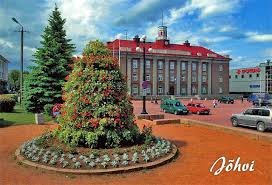
*Jõhvi is a city in the northeastern part of the country. It is the capital of Eastern Vironia (Ida-Virumaa). It lies 46 km west of Narva, on the transport corridors leading to the Russian Federation, from which a major national road to the Latvian border branches off at Valk. Spanning 7.6 km², the city is washed from the east by the 28 km long Pühajõgi (Holy River), also known as the Ädise jõgi or Edise jõgi. Among the 10,600 inhabitants, about one-third are Estonians. It is believed that a Staroesti stronghold may have stood here before the conquest and Christianization of the country. The Low German name for the city, Gewi, was first used in 1241 (Liber Census Daniæ, Kong Valdemars Jordebog). The first church was founded here by the Cistercians, and around 1250 a parish (Kirchspiel Jewe in Wierland) was established. After the church was destroyed during German-Russian wars (1367), a defensive stone church was built. It formed part of a defensive chain between Lake Peipsi and the Gulf of Finland, encompassing the vassal castles of Edise and Järve. In 1491, church sources mention the Jewe monastic estate. Fierce fighting over the next century during the Livonian Wars did not spare Jõhvi. During these battles, the church was robbed and burned in 1558, and the surrounding area was devastated. The year 1782 proved crucial for the settlement’s development. It found itself on the newly established postal route from Tallinn to St. Petersburg, previously running along the coast. This route also connected the capital on the Neva with Dorpat and Riga in Livonia, and onward to Western Europe. In 1825, the first fair was held in Jõhvi, and the first retail outlets opened. In 1852, a church school was established, which ten years later became a parish school (existing until 1883). In 1865, local Estonian song days were organized within the parish. Further development of the town was associated with the opening of the railway line from Tallinn to St. Petersburg (1870). In 1889, the district court was located here. In 1917, Jõhvi obtained alev status, which was converted to town status in 1938. The town suffered significant damage during World War II, when, among other things, 60% of its residential buildings and the railway station building, which was blown up in 1944 by the retreating Germans, were found under the rubble. The population decreased from 2,500 before the war (1938) to just 800. As part of the region’s forced industrialization in the post-war period, an oil shale mine was opened in the western part of the city (1949). The mass Russian-speaking immigration that accompanied this industrialization rapidly increased the population, simultaneously causing a complete change in its ethnic structure. By 1959, the city had 10,500 inhabitants, while immediately after the collapse of the USSR, the number had risen to 16,400 (1992). On February 25, 1949, the Jõhvi Maakond (Jõhvi Municipality) was established in the eastern part of the historical Vironia. From 1960 to 1991, Jõhvi was part of the neighboring town of Kohtla-Järve. Since 2005, it has been part of (and the capital of) the rural municipality of its name (Jõhvi Vald). The city is home to the mining company Eesti Energia Kaevandused AS (part of the state-owned energy company Eesti Energia), which mines oil shale. At Rakvere tänav 6 stands the Evangelical Lutheran Church of St. Michael (EELK Jõhvi Mihkli kogudus). It is the oldest building in the city, likely dating back to the mid-14th century. The irregularly formed wall, up to 2 meters wide, indicates the single-nave building’s former defensive function. Shortly before the outbreak of the Livonian Wars, an eight-story tower was added on the western side. Its Baroque dome dates from 1728. The pulpit, made in the workshop of Tallinn master Johann Valentin Rabe, also dates from the same year. The altar painting depicting the Ascension of Our Lord was painted in 1900 by Ernst von Liphart (1847–1932). In the church basement, formerly used as a weapons and ammunition depot, a small museum was established in 2002, exhibiting, among other things, archaeological finds from around the city. In addition to the exhibition, the crypt houses a small chapel. The church cemetery covers 15 hectares. At Narva maantee 2A is the Orthodox Church of the Epiphany (Issanda Ristimise kirik, Jumalailmumise kirik; Храм Богоявления Господня). The building was built between 1894 and 1895 in the Historicist style, using natural stone and red brick. A Greek cross forms the plan of the tripartite central structure. On the west side is a bell tower, and on the east is a polygonal apse. The church’s iconostasis dates from the 1870s. The church belongs to the Tallinn Eparchy of the Russian Orthodox Church (MPEÕK). From 1950 to 1957, Alexei Mikhailovich Ridigier (1929–2008) served here in his first parish, serving as Alexy II, Patriarch of Moscow and All Russia from 1990 onwards, and head of the Russian Orthodox Church. Among the secular buildings, the 1954 administrative building, located at Central Square (Keskväljak 1), is particularly noteworthy.
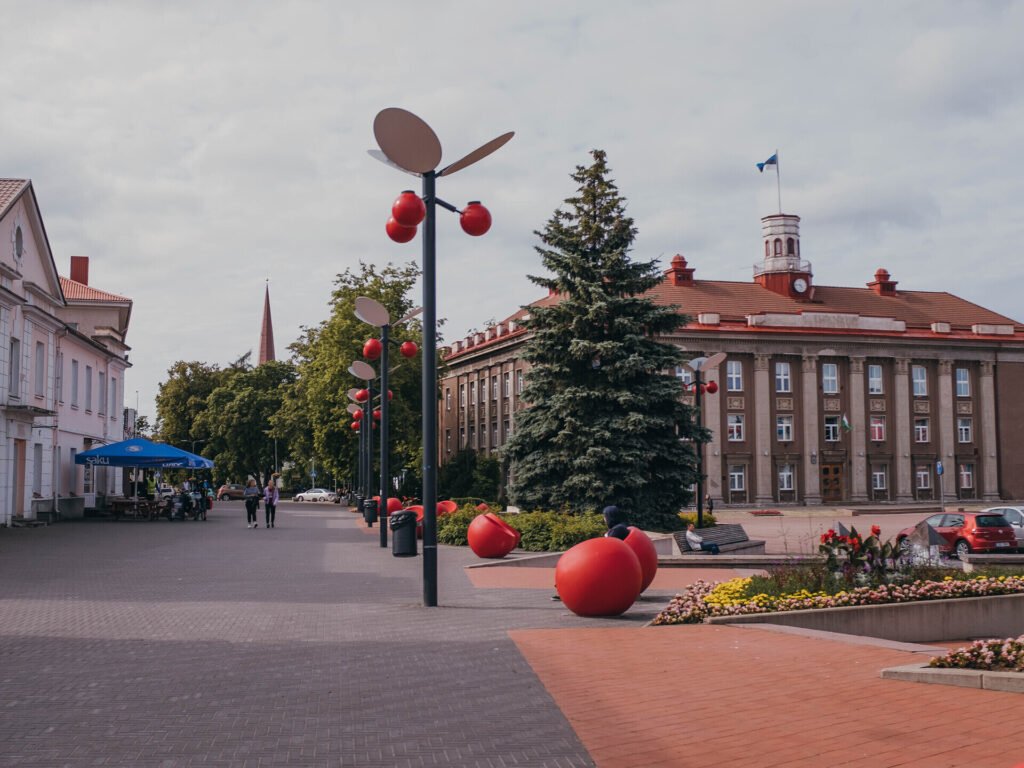
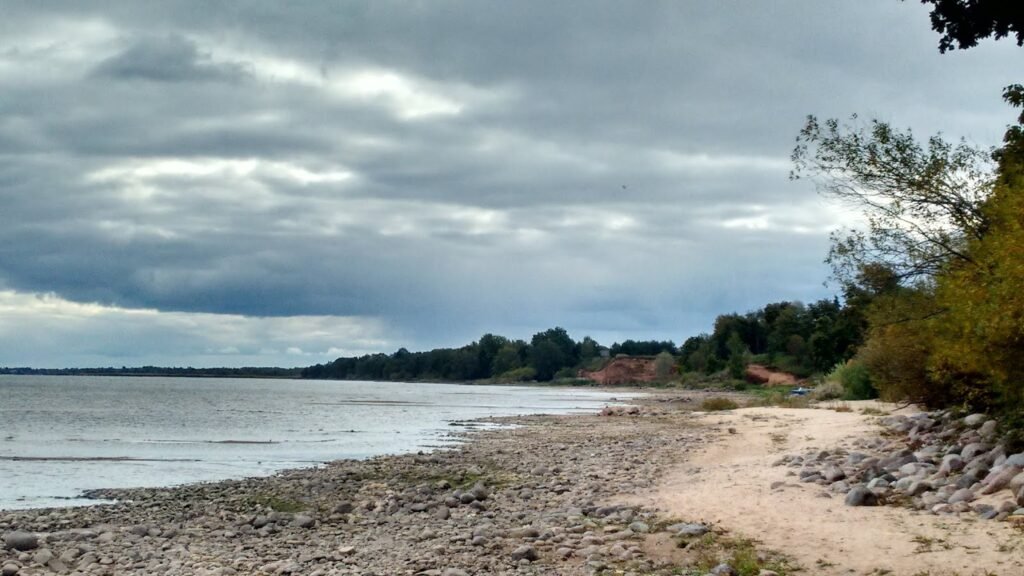
*Narva mnt 23 is located in Jõhvi. Important attractions include Ontika Limestone Cliff (15 km), Kuremäe Convent (22 km), and Kiviõli Adventure Center (33 km). The property offers a casino, a tennis court, and city views. Free WiFi is available throughout the property. The apartment features 1 bedroom, a kitchenette with standard equipment, such as a refrigerator and an oven, and a bathroom with a shower. A washing machine and a flat-screen TV with cable channels are also available. Towels and bed linen are provided. The apartment also has a playground. Bicycles and cars can be rented on site. The area is popular for trekking. Tartu Airport is 140 km away.
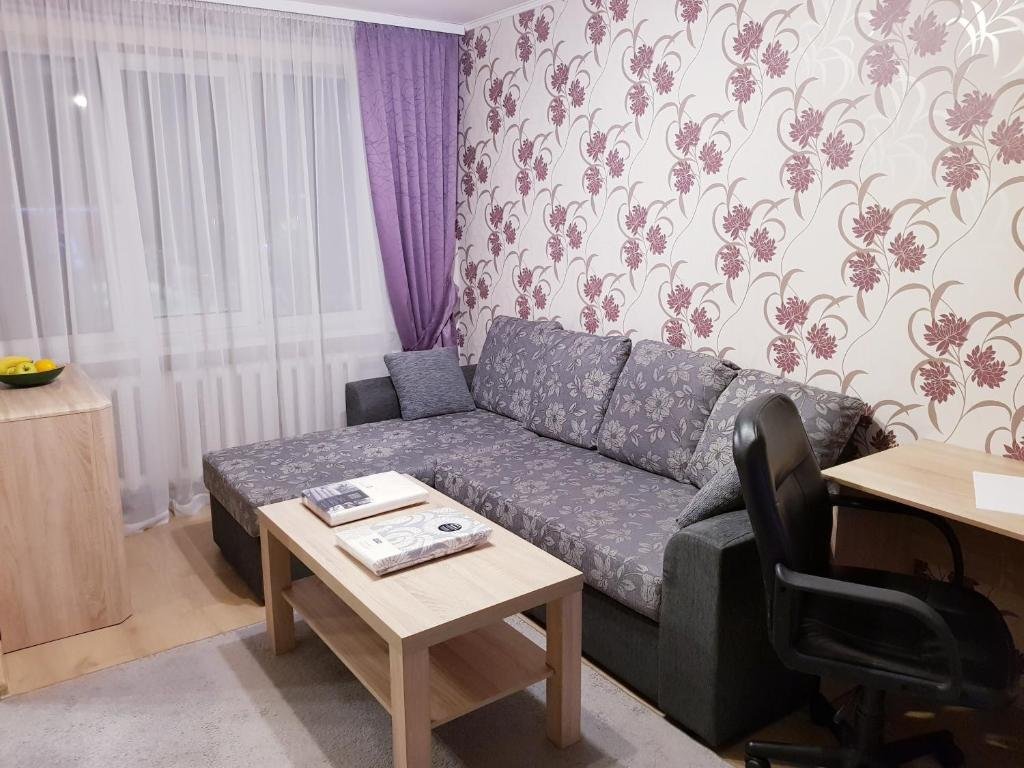
*ZimApartment. Property information. Comfortable accommodation: ZimApartment in Jõhvi offers a one-bedroom apartment with a living room. It includes a washing machine, a kitchen, a bathroom, and free WiFi. Modern amenities include a dining area, a sofa bed, and views of the inner courtyard. The apartment also includes a coffee and tea maker, a bidet, a hairdryer, and free toiletries. Convenient location: The apartment is 140 km from Tartu Airport, near the Ontika limestone cliff (15 km), Kuremäe Monastery (22 km), and the Kiviõli entertainment center (33 km). Highly rated: Guests appreciate the apartment for its comfortable accommodations and excellent facilities.
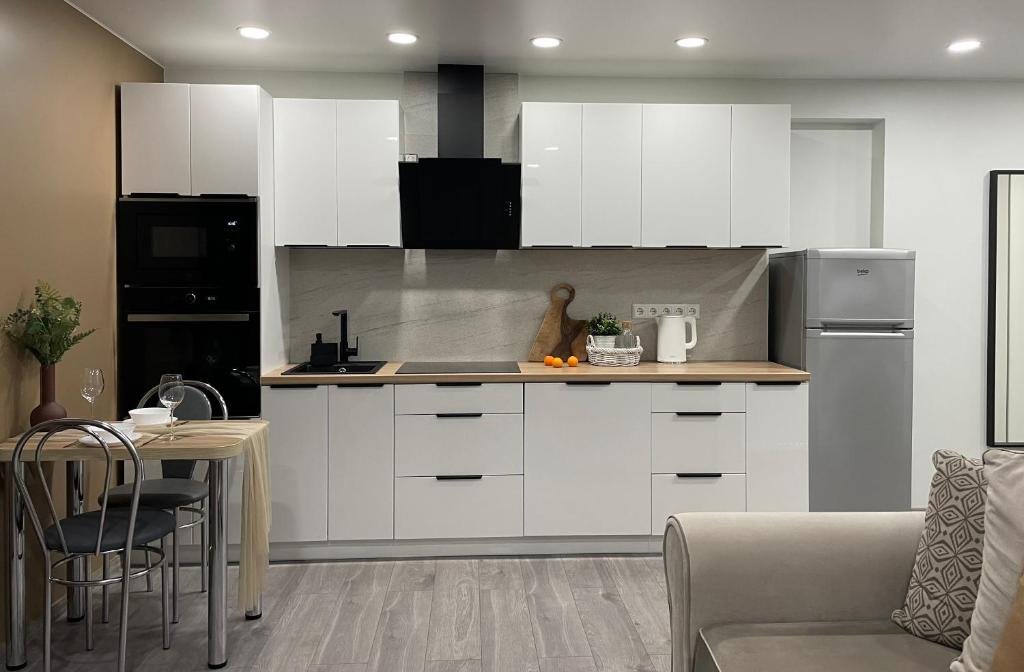
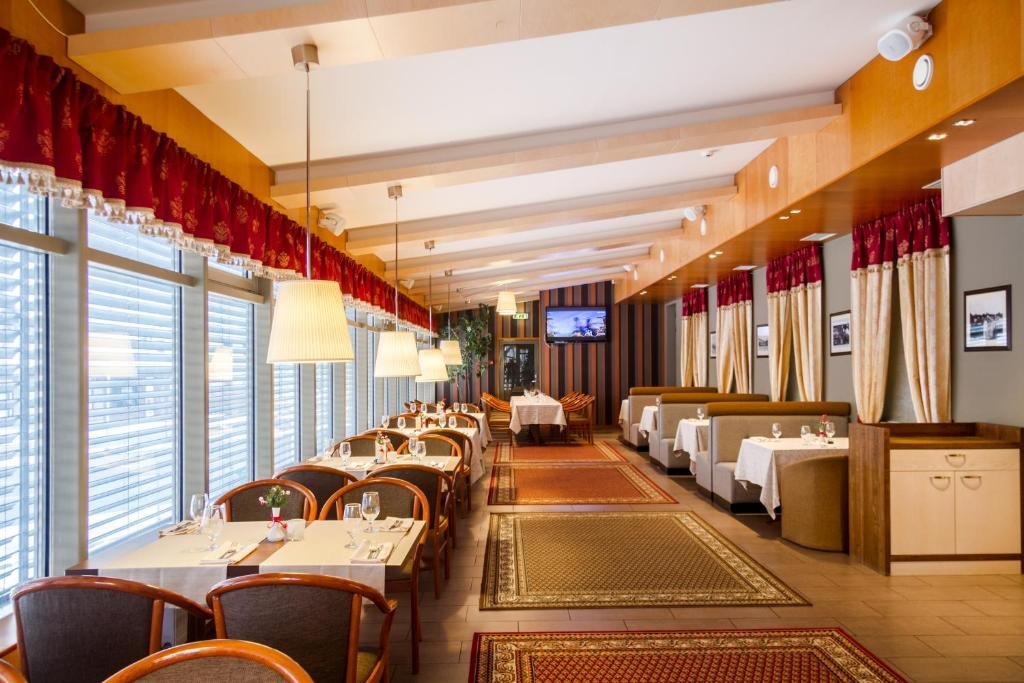
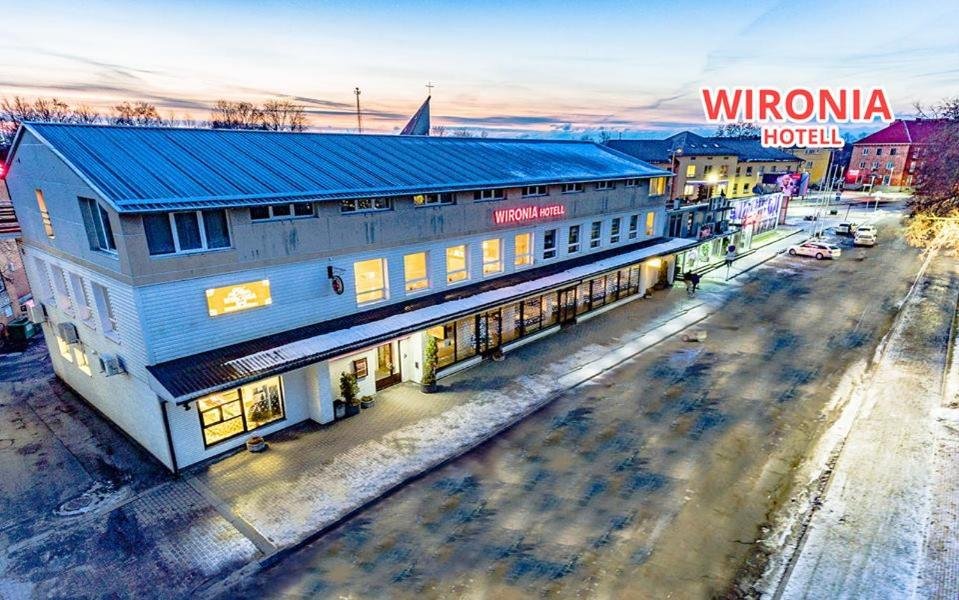
*Hotell Wironia. Property Information. Comfortable Accommodation: Hotell Wironia in Jõhvi offers family rooms with private bathrooms, city views, and modern amenities. Each room is equipped with a desk, TV, and free Wi-Fi. Dining Experience: Guests can enjoy European cuisine in the family-friendly restaurant, which also offers vegetarian options. The terrace and bar provide space for relaxation, and free Wi-Fi is available throughout the property. Convenient Amenities: The hotel offers free private on-site parking, bicycle parking, and 24-hour security. Additional amenities include a café, balcony, and free toiletries. Nearby Attractions: The hotel is located 139 km from Tartu Airport and is close to the Ontika Limestone Cliff (14 km), Kuremäe Monastery (22 km), and Kiviõli Entertainment Center (32 km).