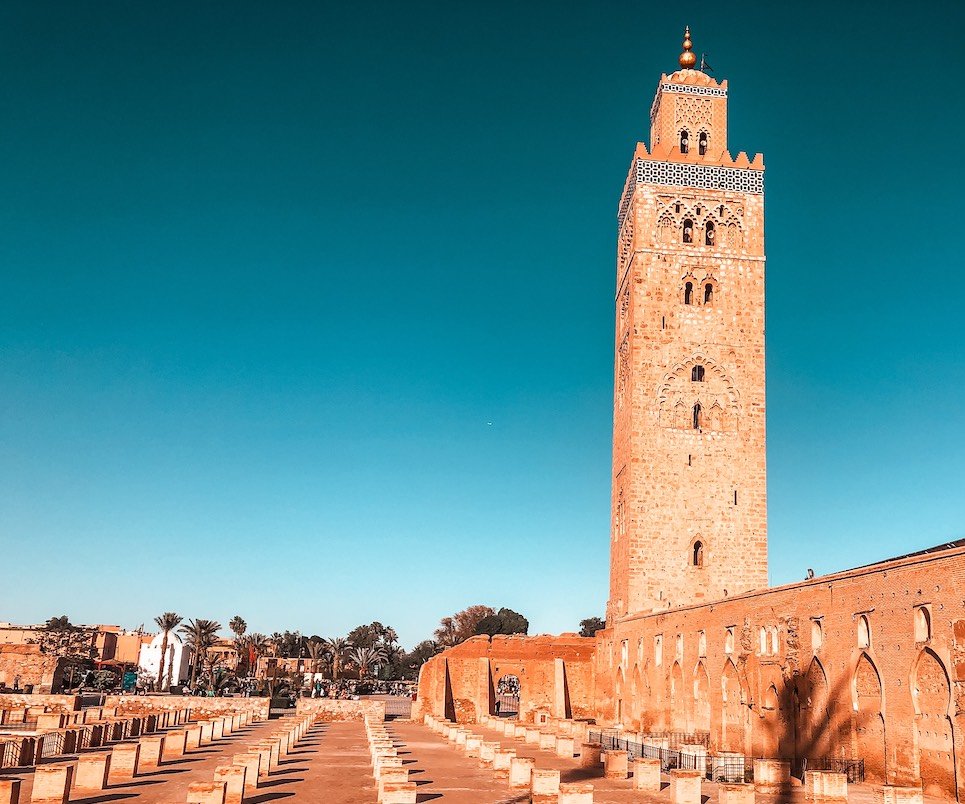
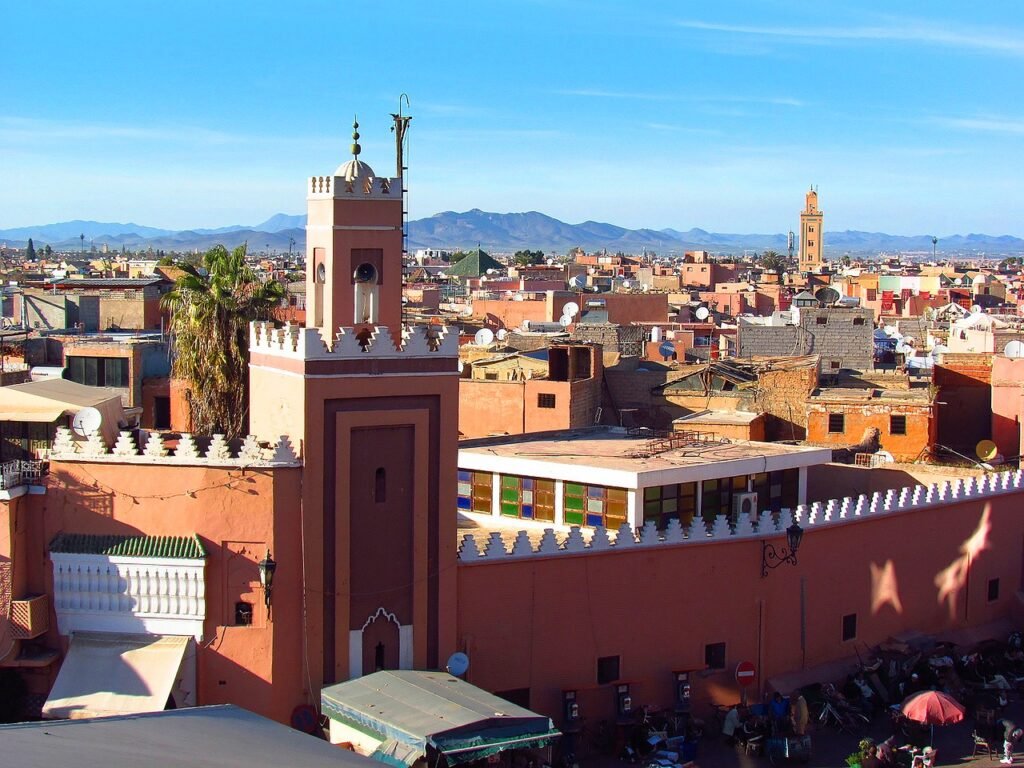
Marrakesh is a city in western Morocco, at the foot of the High Atlas Mountains, at an altitude of approximately 460 meters above sea level, and the administrative seat of the Marrakesh-Safi region. In 2024, it had approximately 1 million inhabitants. The city is home to Marrakesh Railway Station and Marrakesh-Menara Airport.
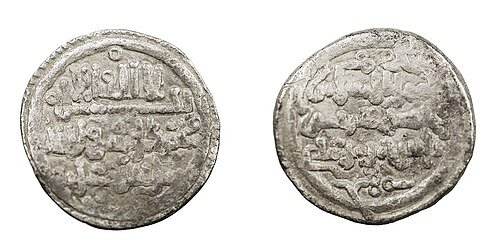
A bit of history. Marrakesh was founded in the second half of the 11th century – initially as a small ksar – a fortified military camp, which in subsequent centuries grew into a fortified city. It was founded in 1070 by the Almoravid leader Abu Bakr ibn Umar (previously, it was said to have been founded by his uncle, Yusuf ibn Tashfin, in 1060 or 1062). The first city walls were built in the early 12th century – they have survived almost unchanged to this day. They are made of tabia – a material composed primarily of red clay. In 1146, Marrakesh was conquered and transformed into their capital by the Almohads. During their rule at the turn of the 12th and 13th centuries, Marrakesh was the capital of a vast empire stretching from the Atlantic coast to Tripolitania. This was also the period of the city’s greatest glory, and it underwent significant expansion. By the early 13th century, the Almohad Empire had collapsed, and Marrakesh was engulfed in civil war. In 1269, it was captured by the Berber tribes of the Bani Marin. It temporarily regained its position as the administrative center of the 14th-century Marinid state, but quickly lost its position as the capital to Fez. Nevertheless, it long served as the southern residence of the Moroccan sultans. The reconstruction and restoration of famine-plagued Marrakesh began only in the early 16th century, after the city was captured by the Saadian dynasty. The Saadian dynasty made Marrakesh the capital of a vast empire stretching from southern Portugal to Timbuktu, thus gaining control of the most important caravan routes in that part of the world. After the Alaouite dynasty—which still rules Morocco today—took power, the capital was moved to Meknes, but Marrakesh remained an important administrative center in the southern part of the country. From the 17th century onward, however, the city began a slow decline, gradually losing its importance as a trading center. The city’s situation improved somewhat in the late 19th century, shortly before the French occupation of the country. In 1907–1908, it became renowned as a center of resistance against French domination. It was finally captured by the French in 1912. During colonial times, the city was under the rule of Pasha Tihami al-Glawi. Since Morocco’s independence, Marrakesh has seen an influx of people from rural areas. The city itself is now one of Morocco’s major tourist destinations, with its still-visible Moorish-Berber past contrasting sharply with the “European” Casablanca. In 1985, the medina of Marrakesh was added to the UNESCO World Heritage List.
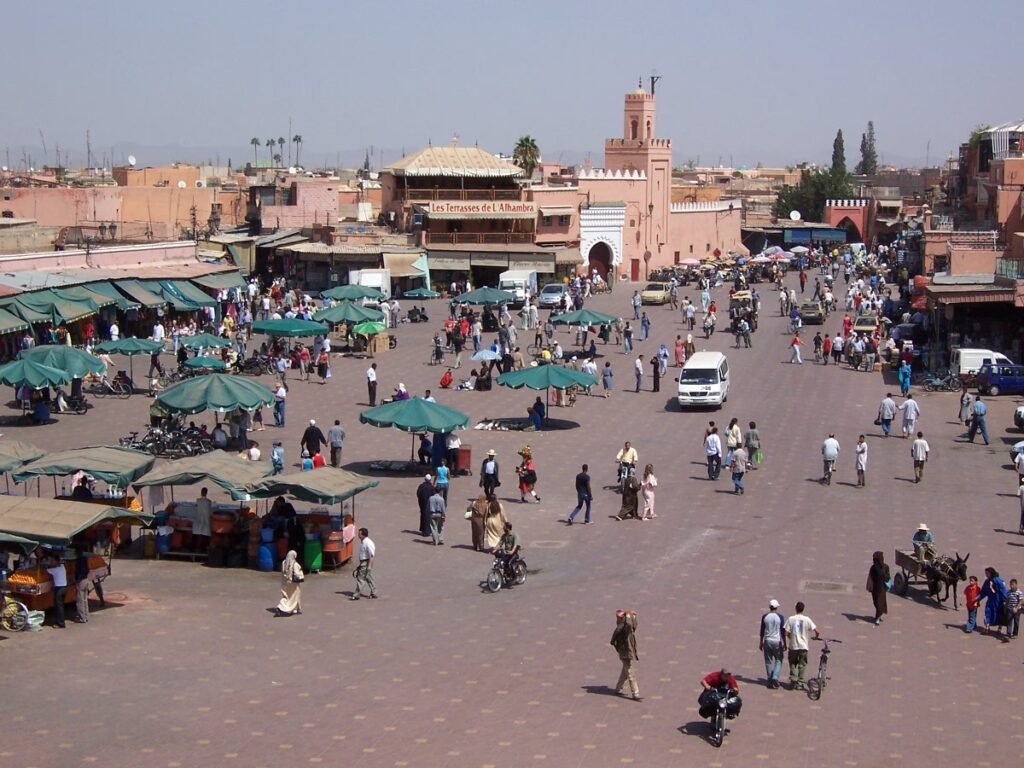
Jemaa el-Fna Square, the heart of Marrakesh, a UNESCO World Heritage Site, is visited by crowds every day. The main square is surrounded by numerous restaurants, a market selling all sorts of things, a meeting place, a place to get a henna tattoo, eat, and drink, but that’s not all. One of the things that sets this attraction apart from others is the fact that you’ll encounter artists, acrobats, snake charmers, and, unfortunately, men with monkeys on chains. When visiting the square, which is one of the city’s main attractions, remember to keep an eye on all your valuables; pickpockets are always more likely to be found in crowds. Also, remember that if you decide to approach the men with the animals and take a photo, they will demand payment.
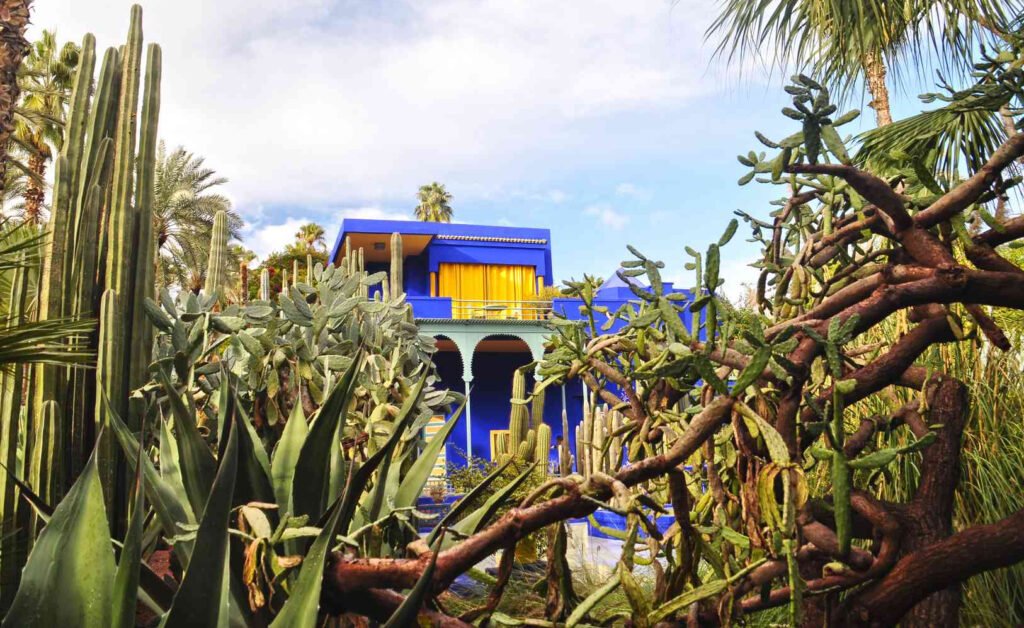
Jardin Majorelle (Majorelle Gardens). A beautiful, exotic, blue garden located right next to the Yves Saint Laurent Museum. The Jardin Majorelle is a 9,000 m² botanical masterpiece. Filled with cacti, palms, and other unique plant species, it has become an incredibly popular tourist attraction. So popular, in fact, that there are huge queues for tickets almost every day. The place is highly Instagrammable. People, influencers, and photographers flock here to capture unique shots, because it’s undoubtedly beautiful. The garden was created in the 1920s by the French painter Jacques Majorelle. The artist spent 40 years shaping and perfecting the garden, down to the smallest detail. Yves Saint Laurent and his partner, Pierre Bergé, purchased the garden in 1980, thus saving it from destruction. After Yves Saint Laurent’s death in 2008, his ashes were scattered in the garden, in a special spot marked by a commemorative plaque. This is a symbol of his great love for this place.
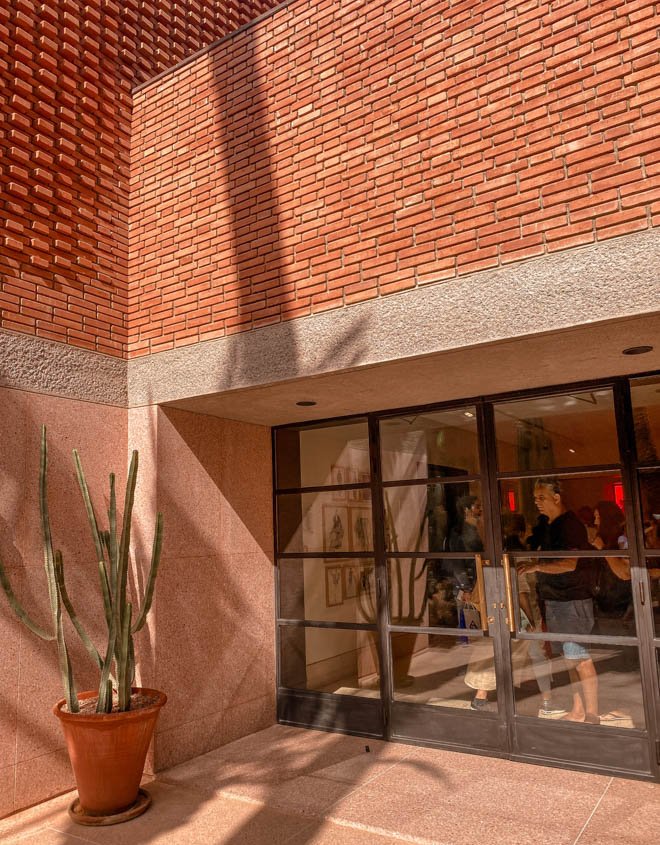
The Yves Saint Laurent Museum. A small screening room where a film about the designer and Mr. Hamish Bowles could be seen. The renowned British fashion historian, critic, and collector has amassed a monumental collection of Yves Saint Laurent clothing, which will be on display at the Museum from January 2025 to January 2026. Hamish Bowles has one of the largest private collections of 20th-century fashion, including approximately 150 unique YSL designs (from 1958–2002). The story, the narrative, and the way the designer’s immense love for the city were presented were very compelling, honest, and beautiful. I think it’s worth a visit, but if you go, be sure to watch the film.
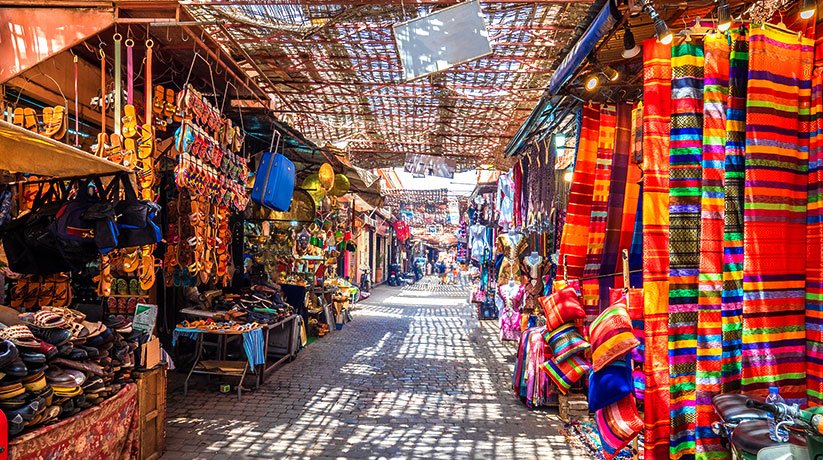
The Medina and Souks. For me, this is one of the most beautiful and interesting places in Marrakesh. I wandered through the labyrinth of narrow streets with excitement. The assortment, the patterns, the unique handicrafts, the colors, the scents—everything is mesmerizing and addictive. You’ll find everything here, from homemade pastries and goat milk, to exquisite leather goods, natural soaps, herbs, spices, T-shirts, and jewelry. Vendors will entice you to make a purchase; it’s bustling, loud, and colorful, but it’s a place you can’t miss when exploring the city. What is the Medina? It’s the historic, medieval district of Marrakesh, surrounded by 19 kilometers of red clay walls, which give the city the nickname “Red City.” Founded in the 11th century, it’s a labyrinth of narrow streets, riads (traditional courtyard houses), and squares. The medina covers approximately 700 hectares and is home to over 200,000 people. It’s a dense mix of residential alleyways, artisan workshops, mosques, and souks. When exploring the old town, it’s worth remembering that orientation can be quite a challenge for some, and GPS is often unreliable.
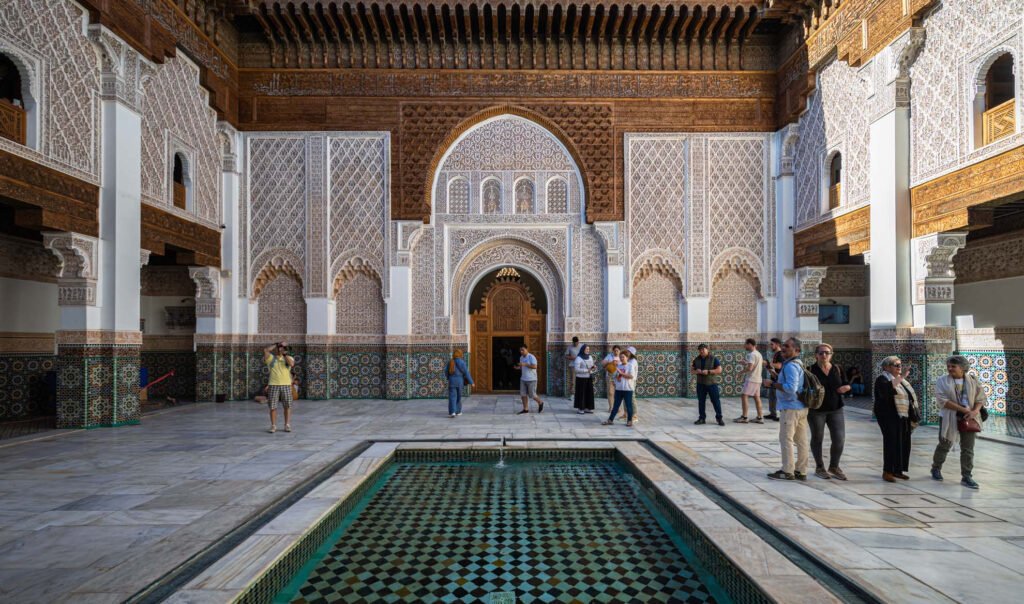
Madrasa Ben Youssef. A 14th-century Koranic school where you can admire the incredible Zellige mosaics. The craftsmanship, precision, hand-carved wood, and meticulously crafted decorative details are astounding. A beautiful, exceptionally aesthetic building, worth a visit when exploring the medina. Of course, it’s best to visit all the attractions as early as possible to avoid the crowds and the scorching sun. The school was built in 1565 and was the largest of its kind in the entire Maghreb (a geographical and cultural region in North Africa, encompassing the countries west of Egypt). The name comes from Arabic (“al-Maghrib” means “the west” or “the place where the sun sets”). Inside, you can admire the beautiful courtyard, and you can also visit and enter the prayer rooms and student rooms.
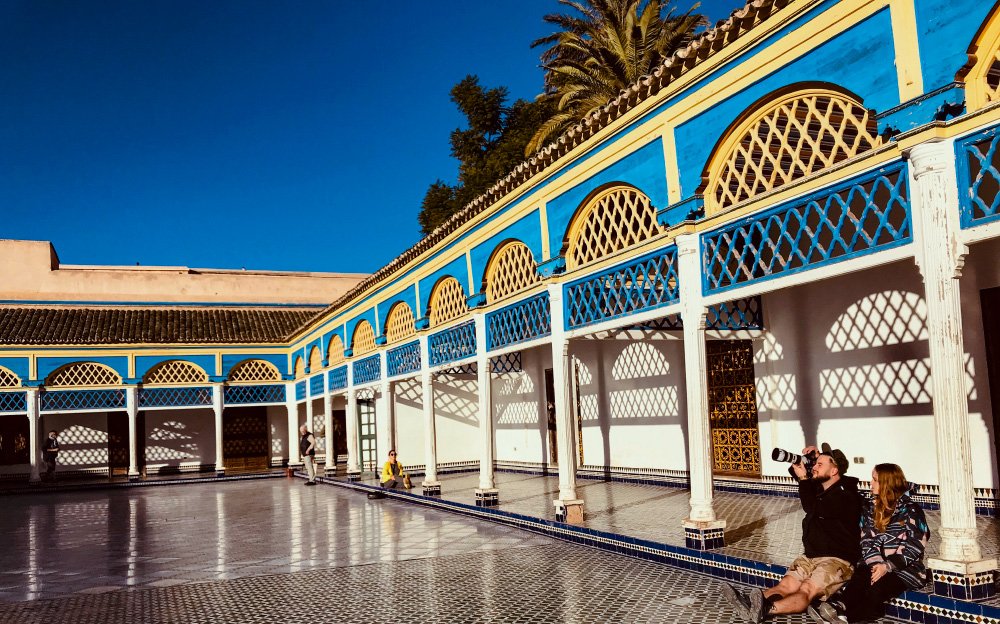
Bahia Palace. Richly decorated, with a beautiful marble courtyard, mosaics, and gardens, the palace is one of the city’s main attractions. The palace, whose name literally means “splendor” or “beauty,” reflects the wealth of the sultans of the time. Not all rooms are open to the public; the palace is currently undergoing a significant renovation, but it is still worth a visit. The palace is renowned not only for its exceptional architecture and a jewel of Moroccan architecture, but also for its harem, consisting of as many as 150 rooms.
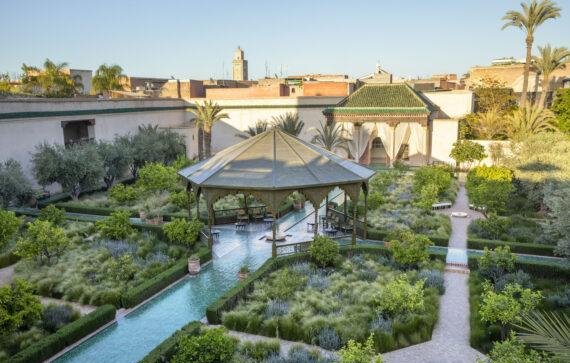
Le Jardin Secret (The Secret Garden). This garden in the heart of the medina is divided into an Islamic garden and an exotic garden. It’s an oasis amidst the hustle and bustle of the old city, but honestly, the entrance fee is quite high considering what you get in return. Nevertheless, the place is quite charming. The entire small complex includes courtyards, a pavilion with an observation tower, cafés, and areas where you can sit in the shade of the trees. For centuries, Le Jardin Secret was a private garden, closed to the public, hence its name. Few Marrakesh residents knew about it before its opening in 2016. If your trip to Marrakesh is on a budget and you don’t want to waste your money on admission, I think you can safely skip this place.
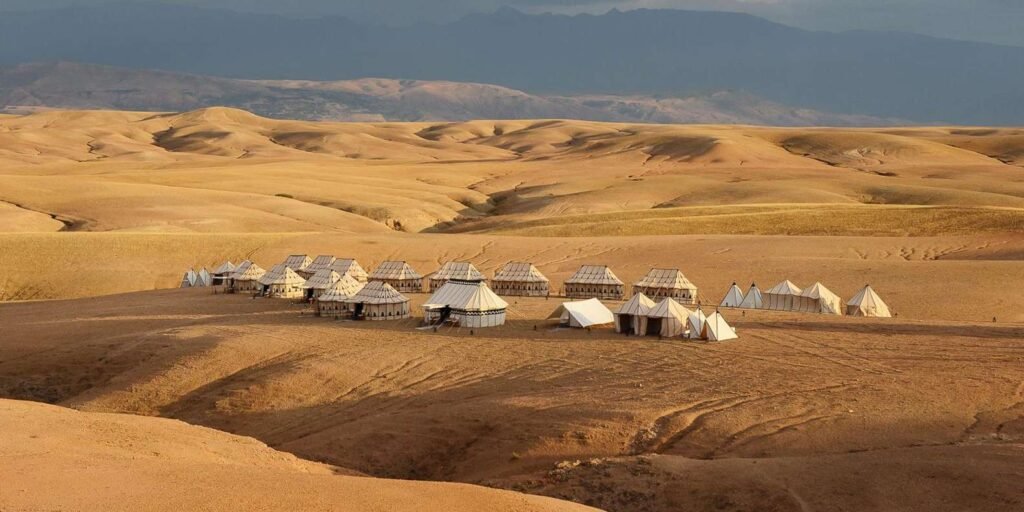
Agafay Desert, a tour with a local guide in Marrakesh. Besides exploring Marrakesh itself, we have the opportunity to explore the wonderful surroundings of the Red City. Our first trip was the Agafay Desert. This is a guided day trip, and the price includes pickup from your hotel, a desert trek, a camel ride, and a sunset dinner in the desert. Honestly, considering how much such a trip cost us—which was peanuts compared to, for example, entrance fees to some attractions in the city—we were incredibly pleasantly surprised by the entire trip. We booked the tour through Get Your Guide, which cost around €25 per person. In a small group, we set off on a small bus outside the city. Our first stop is a place where we learn a little about the local production of argan oil, a treasure and a product highly valued not only in Morocco but also around the world. After a short ride, we arrive in the desert, where camels await us. I always say that any animal-based activities are unethical, but in my opinion, camels are, in a way, like horses. They’ve been ridden for centuries, just like horses, and we make sure on-site that the camels are treated well, not exploited all day, etc. The guide assures us that each group only rides a fraction of the day, and the rides are relatively short. Honestly, despite the guide’s assurances, this wasn’t the best part of the entire trip for me. On the contrary, I thought it was the weakest part, because this isn’t the Sahara. Agafay is a rocky desert, rather unimpressive, and yet I always feel sorry for these animals, despite my willingness, sympathy, and belief in the ethical nature of the entire endeavor. The best part of the trip was what was to come. Dinner in the desert, in a traditional restaurant, on carpets as the sun set. It was magical and beautiful, and the food, as always, was delicious. When heading to the desert, remember to wear comfortable clothing, sun protection, and bring plenty of water.
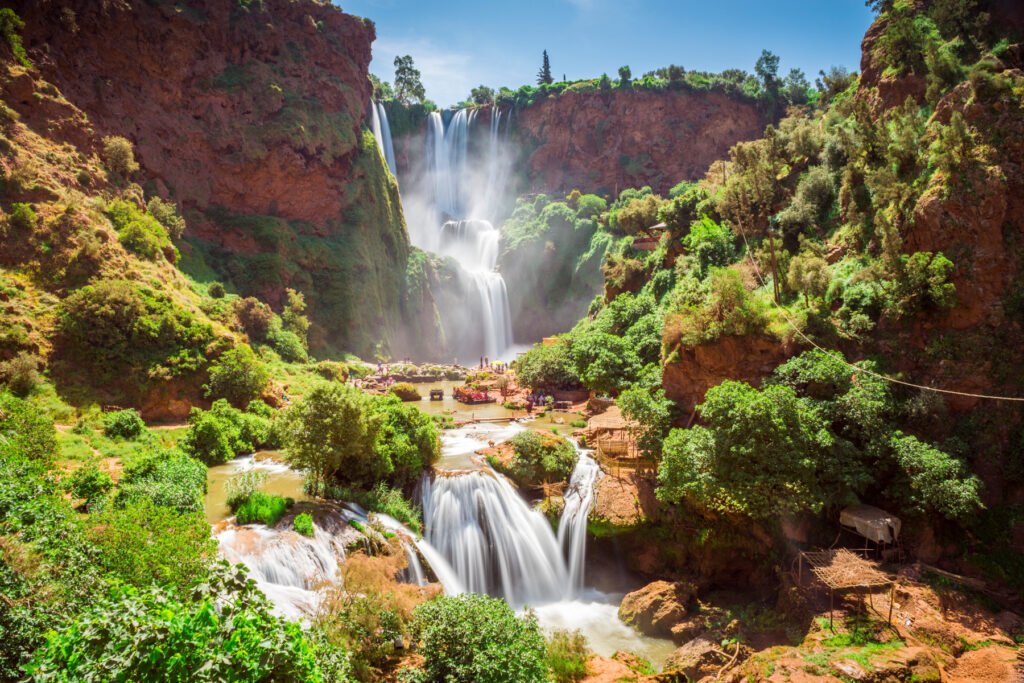
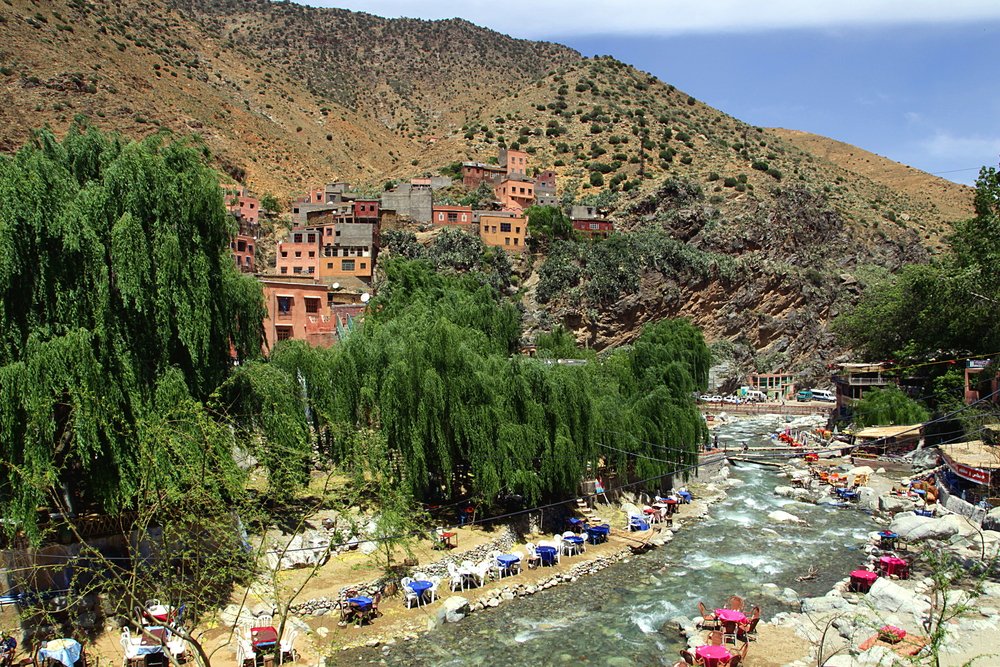
Guided Tour to the Ourika Valley, Marrakech. Another extremely popular excursion with a local guide in Marrakech is the Ourika Valley. Again, the price (we pay around 25 euros on Get Your Guide) is ridiculously low considering what we get in return. As with the desert tour, this one is also a full-day tour. The guide picks us up first thing in the morning, we gather the group, and head out of the city. Speaking of the guide, we were extremely pleasantly surprised by the quality of the tour services in Marrakech, as all the guides were excellent. This time, the guide was not only experienced, kind, and attentive, but also fluent in his native language (of course), French, and English. The valley is located approximately 30 to 60 km south of Marrakech in the heart of the Atlas Mountains. The views are beautiful, and the Atlas Mountains are magical. The Atlas Mountains are inhabited primarily by Berbers, and this trip offers a unique opportunity to immerse ourselves in their culture and traditions. The itinerary includes a visit to the village, a short trek to the waterfalls, a tea break, shopping, lunch in the valley, a visit to an argan oil cooperative, and the return trip to Marrakech. The views were beautiful, and although it’s a popular and touristy destination, it was definitely worth it. Our guide planned it all so that we climbed the waterfalls practically alone, accompanied by our group members, and on the way back, we passed crowds. Descending to the spot where we enjoyed a delicious meal, we passed many local stalls where you could purchase and support the Berber community, wonderful handicrafts. I must admit, the prices weren’t the cheapest, but everything was so unique and special that I wanted to buy everything. Beautiful silver jewelry, ceramics, carpets—a real gem. Lunch, of course, in a wonderful natural setting, by a stream, on carpets, with mint tea—oh, wonderful. On the way back, just like on the first trip to the desert, we visit a place where we’re introduced to a wide range of cosmetics and beauty products. Body and hair care rituals are extremely popular here; oils, soaps, and perfumes are all available for purchase at small cooperatives. Another very enjoyable trip with a local guide, which we highly recommend.
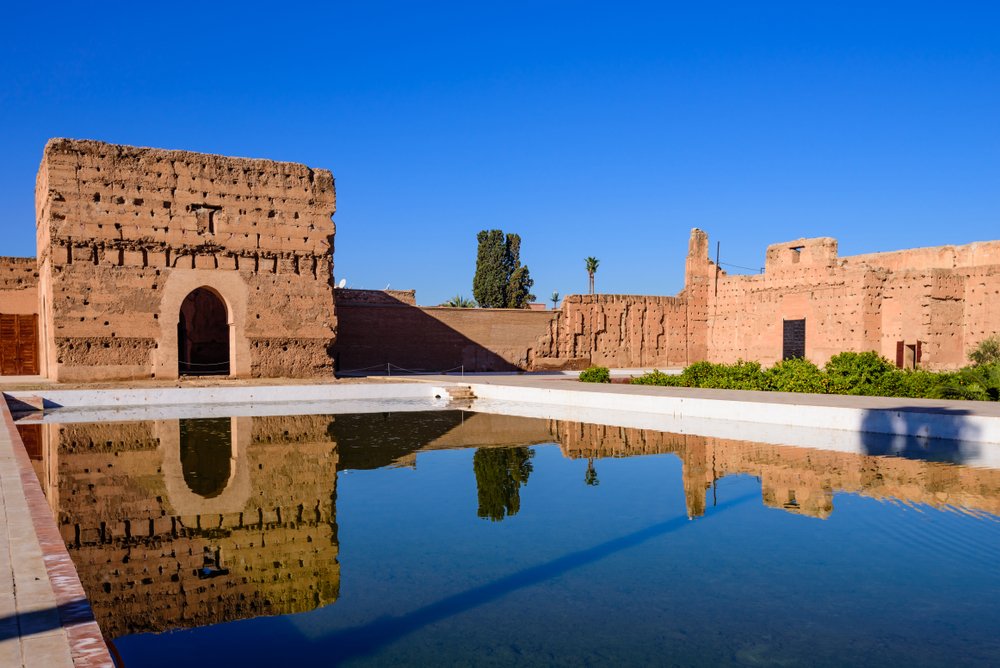
What to see in Marrakesh? Of course, there’s much more to Marrakesh than just the places I’ve mentioned. Other attractions worth visiting include the Saadian Tombs, El Badi Palace, Koutoubia Mosque, and the Marrakech Museum.