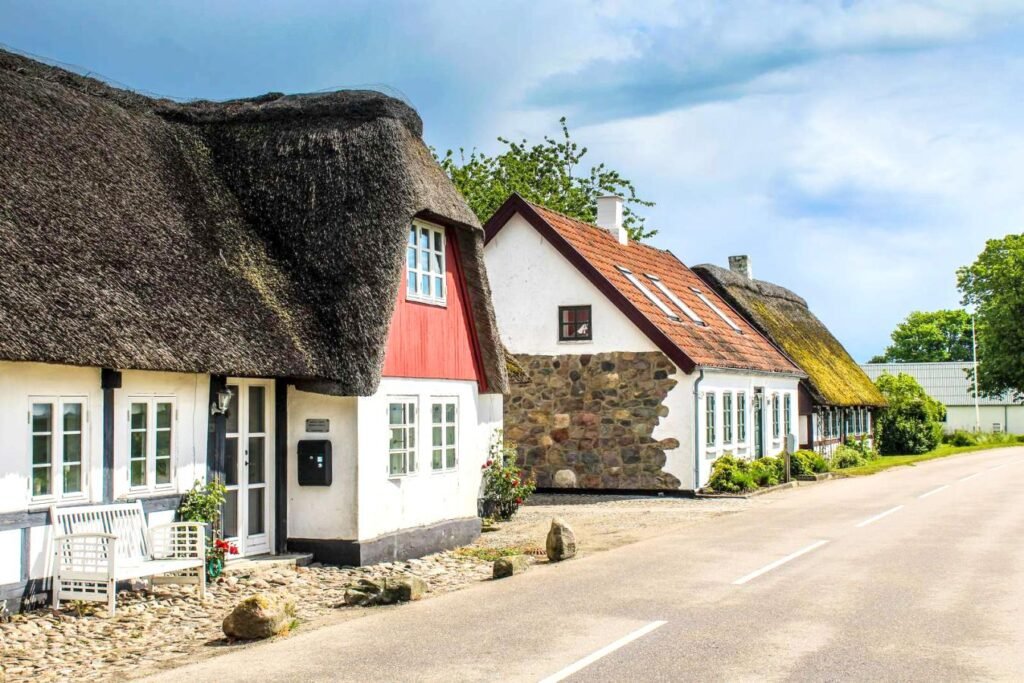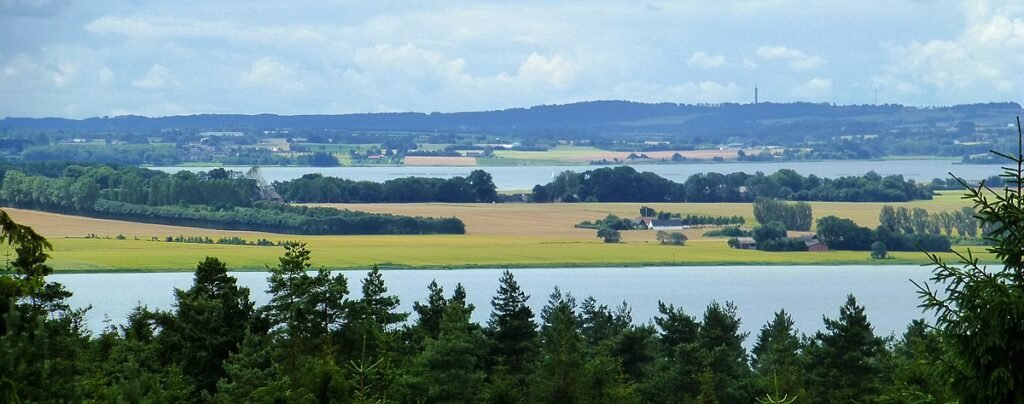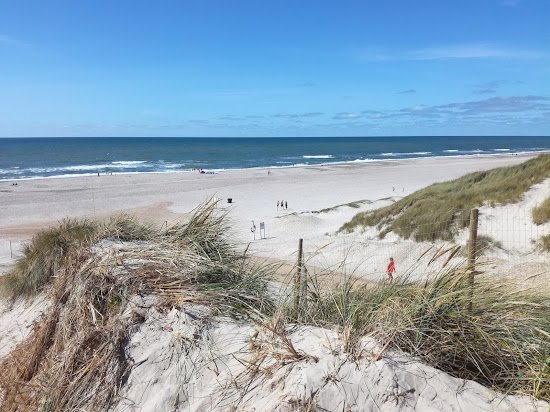
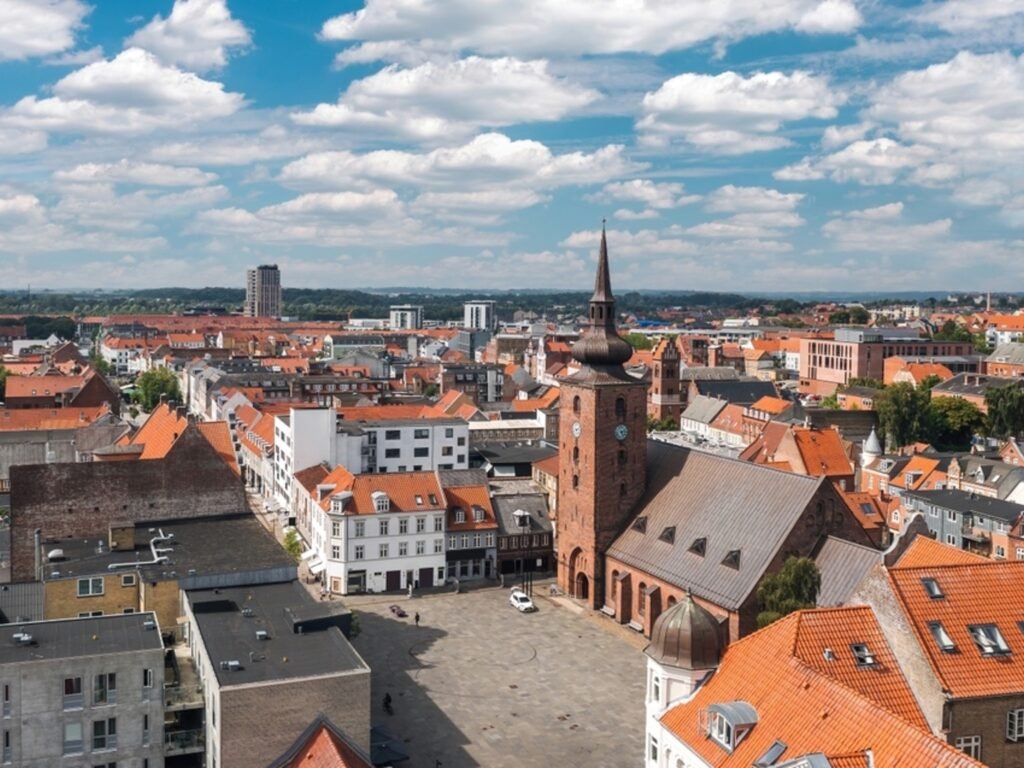
Horsens is a city in Denmark and the seat of Horsens Municipality. The town is home to Horsens Railway Station. Horsens is a city in Denmark, located in East Jutland on the shores of the bay of the same name (Horsens Fjord), halfway between Vejle and Aarhus.
*Horsens. Its origins date back to the 10th century, when a small settlement was located here, which in subsequent centuries grew into one of the region’s most important trading centers with a large port. Horsens’ prosperity is evidenced by the fact that, during its heyday, it minted its own coins. The city’s prosperity ended with the Swedish Wars, during which most of the buildings were destroyed. The city retains a charming old town and several interesting historic buildings. The most important of these include the 13th-century monastery church (Klosterkirken), the impressive parish church (Vor Frelsers Kirke), and the monument to the famous Danish explorer Vius Bering. Horsens is also home to the famous Søndergade promenade, considered the widest historic street in Denmark. While visiting the city, be sure to visit the Danish Industrial Museum (the only institution of its kind in the country), where you can learn about the history of Denmark’s industrialization.
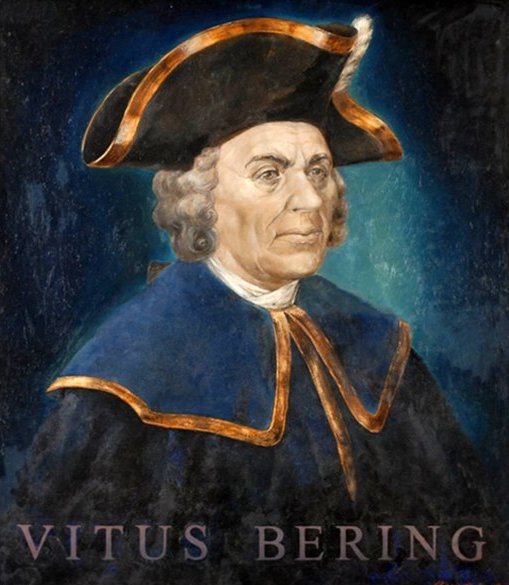
*Vitus Jonassen Bering (known among Russian sailors as Ivan Ivanovich), born 1681 in Horsens, died December 1741 on Bering Island near Kamchatka, sailor of Danish origin in the service of the Russian Navy, explorer of the Bering Strait and Alaska, discoverer of the Komandorski Islands.
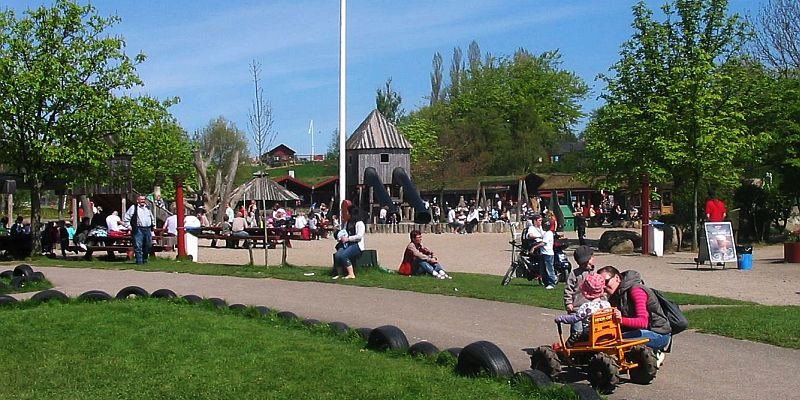
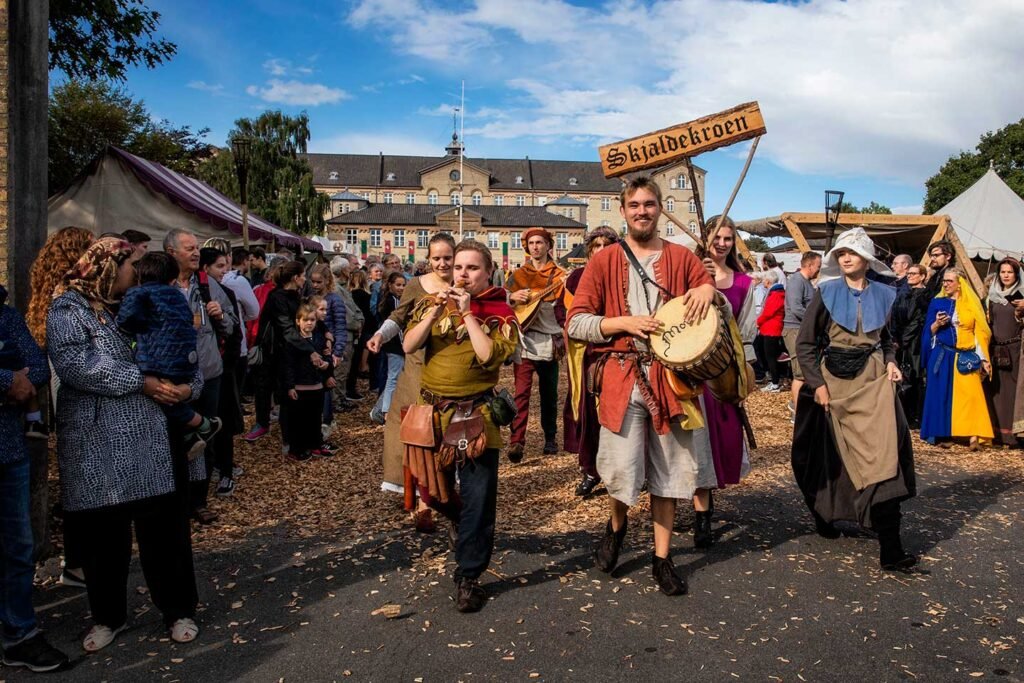
*Medieval Festival. Every summer, on the last weekend of August, Horsens hosts the ever-popular Medieval Festival (Europæisk Middelalderfestival). It’s the largest event of its kind in Northern Europe, attracting crowds of knights from all walks of life, as well as medieval music ensembles.
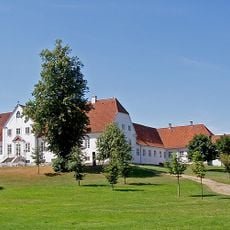
*The Prison Museum offers a unique insight into prison life. The view of the cells, corridors, church, visiting room, and infirmary is an overwhelming experience, just as it was when the prison closed in 2006. It’s always more enjoyable to be in prison when you know you can get out again the same day. Upon entering the exhibition, visitors choose the identity of a real prisoner or prison officer to “accompany” them on the tour, making the experience both relevant, informative, and incredibly personal. Your companion will appear along the way and tell you about their personal experiences in prison. So it’s also quite scary. Especially if you descend into the basement for the new exhibit, “Underground,” which tells the story of the prison’s dark past and harsh punishment system. It’s actually a prison film, R, starring Pilou Asbæk, filmed here. If you want to experience prison firsthand, you can spend a night in a prison cell in the old ward. It’s an experience that’s sure to impress. And you should probably be excluded again. The prison atmosphere is still present in the walls, in the slatted doors, the radio that still works, and in the graffiti on the wall painted by former inmates.
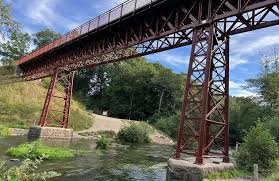
* The bridge in Gudenåen.The rediscovered bridge was buried until 2014 and almost forgotten for 85 years. Now it’s been excavated again, and you can see it in its entirety. It’s a wild story and, to put it mildly, an impressive structure, beautifully situated in a clearing in the forest, with Denmark’s largest and only true river, the Gudenåen, flowing 15 meters beneath it. The most beautiful and jungle-like section of Gudenåen is located 20 km west of Horsens. Adventurer Hakon Mielche, back in 1935, described this place as a decidedly adventurous one: “Here begins our most adventurous sailing through a wonderful landscape. […] The trees that form the vault of the Gothic cathedral above the water, pleasantly chatter over Gudenåen […].” He describes the section from the village of Voervadsbro to Klostermølle near Mossø. By the way, Klostermølle is an interesting place in itself, as is the nearby Sukkertoppen hill; one of Denmark’s “mountain peaks” with a magnificent—and incredibly Instagram-friendly—view. The rediscovered bridge is located 10 km from Sukkertoppen, overlooking one of the lower parts of Gudenåen. This entire natural area is protected and incredibly beautiful.
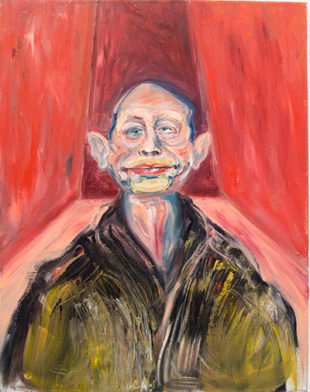
*Horsens Art Museum has quietly become one of Denmark’s hidden gems in art and artistic communication. You’ll find a truly beautiful and diverse selection of modern and experimental Danish and international art. An entire hall of the museum is dedicated to the work of city kid Michael Kvium, whose inspiring work has gained wide recognition both in Denmark and internationally. Horsens Art Museum is located at the top of Horsens in a beautiful park, where you’ll also be greeted by the magnificent sculpture by Bjørn Nørgaard called “The Human Wall.” The museum’s lighting is fantastic, and once you step inside and wander through the museum’s various bright spaces, it’s easy to see why artists love exhibiting here. Both the permanent and changing exhibitions are wonderful art experiences, and you’re sure to take something home with you. The art museum is still a bit unknown, so it’s time to visit before everyone else wakes up. If you’re hungry, you can enjoy an organic lunch overlooking the park. At the Art Museum, you can pick up a free guide to street art and sculptures throughout the city. The guide is updated annually. It’s a great recommendation for an inspiring stroll through the city.
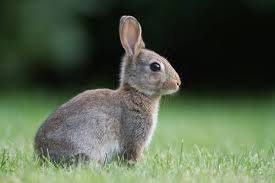
*Endelave Island is also called “Rabbit Island,” and for good reason. This small holiday island has been inhabited by wild rabbits with very long ears since the 1920s, much to the delight of lovers of cute and adorable stuffed animals. A wild rabbit is just as sweet and ruffled as a domestic rabbit, and it’s nice to see a large colony of rabbits hopping along the edge of the forest, even if they don’t want to be petted. Follow the designated “Kaninoen” hiking trail – a version of the Endelave Camino. For 21 kilometers, you can circumnavigate protected areas of the island and see all the rabbits’ favorite haunts. The chances of spotting a rabbit are very early in the morning and at dusk. In addition to a charming rabbit safari, the island offers rugged nature with good chances of spotting dolphin-like guinea pigs and seals, a cozy marina, a street pond, beautiful old farms, and a 15th-century church. Go for a classic shooting star or mussels at Endelave Kro & Gæstgiveri, and head out for a sleepover while you’re there; you’ll also have a better chance of seeing rabbits the next morning. If you’re feeling active, you can rent bikes at the harbor and explore the island on two wheels. During the summer, the islanders organize free outdoor activities like yoga, hiking, CrossFit, and more. To get to Endelave, you can sail along the fjord from Horsens to the small fishing village of Snaptun and then sail to the island from there. The crossing takes an hour. If you leave your car behind, you can get a round trip ferry for just 49 kroner during the off-season.
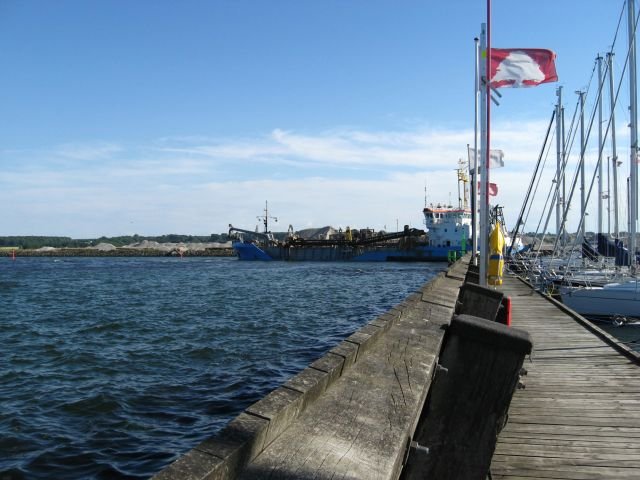
*Idyllic islands in Horsens Fjord. In the East Jutland archipelago, the waters off Horsens are dotted with many small islands that make this area unique. The fjord usually opens into the sea, making it impossible to cross without getting your toes wet. However, in Horsens Fjord, you can get to the other side via the islands of Alrø and Hjarnø, which are connected by a small ferry. A cozy bicycle ferry with room for just 12 people crosses the fjord throughout the summer, and the Hjarnø ferry runs from Hjarnø to Snaptun, from where you can also take the ferry to Endelave. This allows for a mini-island hop on the fjord and perhaps a bike ride around, with a bit of relaxation on the ferries along the way. Author Morten Korch lived on Alrø, and it certainly inspired his books, which are full of charming Danish nostalgia and idyll. Alrø is pure idyll. Here, you should try your hand at the famous giant tartlets, or try kitesurfing, sailing, or kite flying, which all enjoy optimal wind conditions. The neighboring island of Hjarnø boasts, among other things, the second-smallest church in the country, and you can walk around the entire peaceful island in just a few hours.