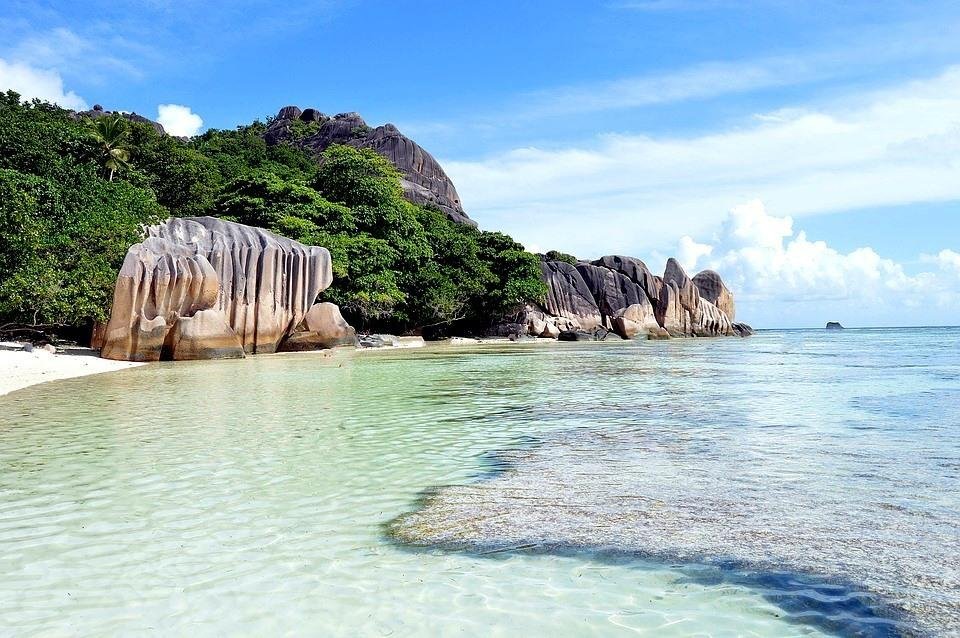
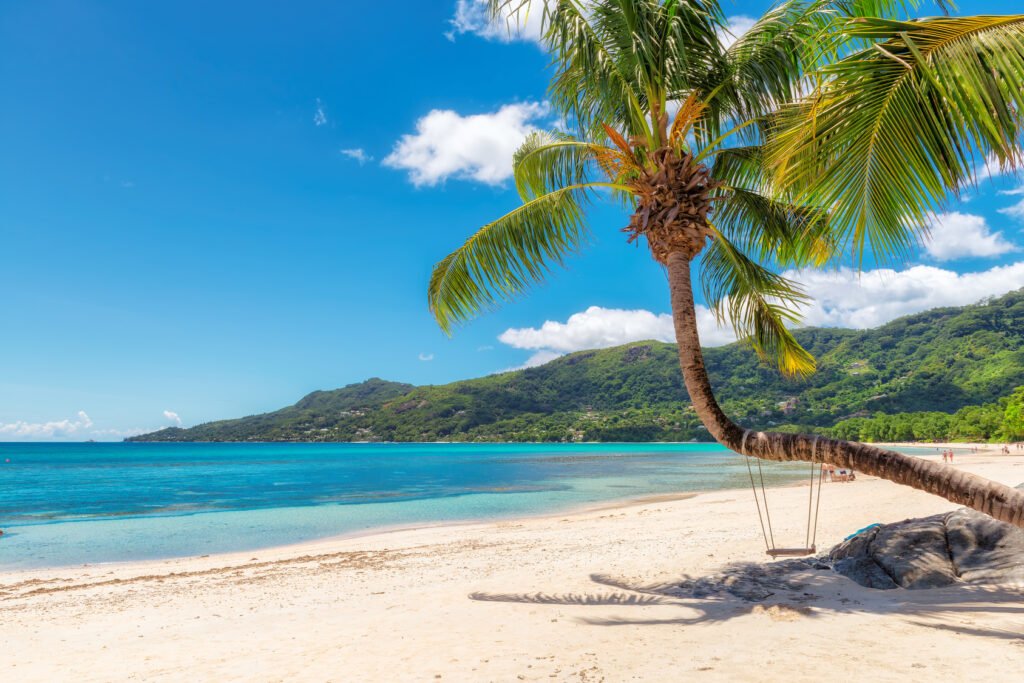
Mahé is the largest island of the Seychelles archipelago, located in the western Indian Ocean. Mahé is 17 km wide and 26 km long, covering an area of 157.3 km². The island is situated on granite bedrock and is mountainous, with its highest peak, Morne Seychellois, rising to 905 m above sea level. The island is protected as part of the Morne Seychellois National Park. Mahé International Airport, which opened in 1971, is located in the northeast of the island. To the southwest are the Baie Ternay Marine National Park, Port Launay Marine National Park, and the University of Seychelles. Approximately 90% of the Seychelles’ population (77,000) lives on Mahé. The capital and its only port, Victoria, are located here. To the east are coral reefs. The island’s economy is based on tourism and the cultivation of coconut palms and tea.
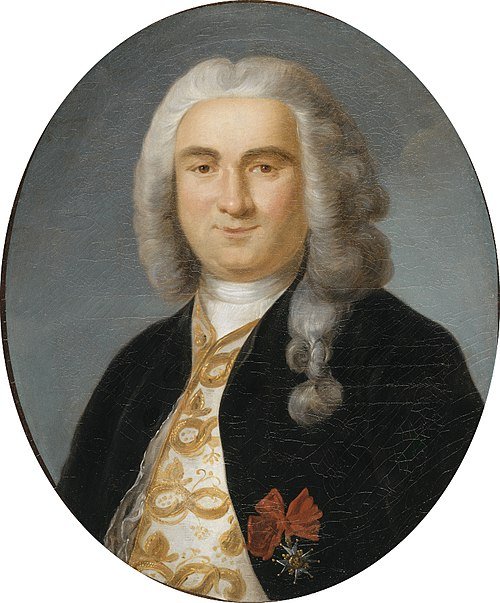
A bit of history. Mahé Island was named after the French governor of the Mascarenes, Bertrand-François Mahé de La Bourdonnais, who in 1742 sent an expedition under the command of Lazare Picault to explore the archipelago. In 1770, the first 15 French settlers, along with twelve slaves, settled on the island. As a French colony, the island developed as a strategically important point on the route to India and a center for spice cultivation. In 1814, after the Napoleonic Wars, Mahé and the entire archipelago came under British rule. In 1976, the island became part of the independent Seychelles.
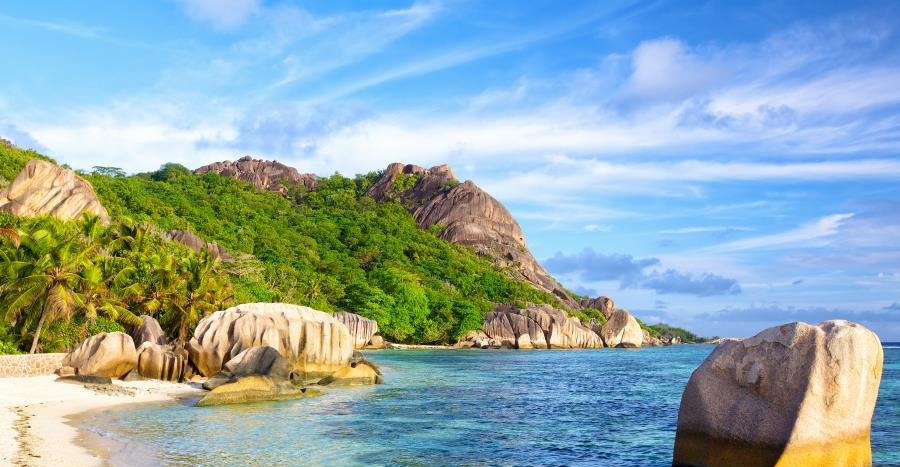
Weather. Mahé has a tropical climate with little temperature variation throughout the year. Average daily temperatures range between 27°C and 30°C, with the warmest month being April (32°C) and the coolest month being July (27°C). The island experiences two monsoon seasons: the southeast monsoon from May to September and the northwest monsoon from March to May, which is characterized by warmer temperatures. Rainfall is heaviest in December and January, while the driest months are July and August, with rainfall of around 40 mm. Temperatures in the Indian Ocean are pleasant year-round, ranging from 26°C in August to 30°C in April. Humidity remains high at around 80% year-round.
What to eat on Mahé?
Mahé cuisine is a blend of French, African, Indian, and Asian influences, with fresh fish and seafood playing a central role. The base of most dishes is rice with aromatic curries prepared with coconut milk and local spices such as ginger, lemongrass, coriander, and turmeric.
Traditional Mahé Dishes
The most popular dishes are grilled fish, especially barracuda and red snapper, served with Creole sauce. Also worth trying are octopus curry, or octopus in coconut sauce, and bouyon, a traditional fish soup with vegetables. Local favorites include minced shark paste with lime and turmeric (shark chutney), as well as a salad of papaya, mango, and bilimbi (satini).
Most Popular Desserts and Snacks on Mahé
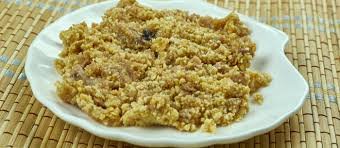
Mahé is dominated by desserts and snacks based on local tropical fruits and traditional Creole recipes. The most characteristic dessert is ladob, made with jackfruit, banana, or sweet potato cooked in coconut milk with vanilla, sugar, and nutmeg. Also worth trying are the jelly-like cassava cake made with milk and grated coconut, and banana cake, often served with caramel.
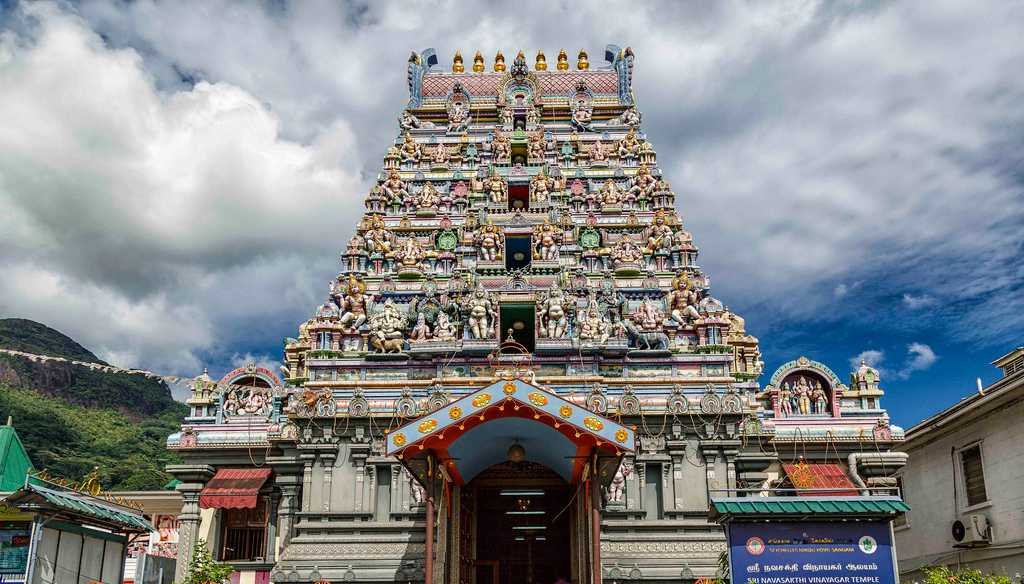
Monuments and museums. In the center of Victoria stands a miniature replica of London’s Big Ben, a reminder of the island’s British past. Nearby, the colorful Sri Navasakthi Vinayagar Hindu Temple exudes exotic beauty, a testament to Mahé’s cultural diversity. History buffs should visit the National Museum, where they can admire the world’s largest walnut tree and learn about the fascinating history of pirates who once roamed these waters.
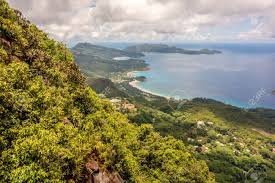
Nature and Landscapes. Morne Seychellois National Park is a true paradise for nature lovers and active recreation enthusiasts. The pristine equatorial forest offers ten picturesque trekking trails leading to the highest peak in the Seychelles – Morne Seychellois (905 m above sea level), from where breathtaking views of the surrounding islands unfold.
For those seeking hidden natural treasures, the secret beach of Anse Major is a fascinating destination. Accessible only by a 1.5-hour trek or by sea, it offers an intimate retreat surrounded by lush vegetation and rock formations dating back to the Gondwanan era. Underwater enthusiasts should head to Baie Ternay Marine National Park, where unforgettable experiences await. While diving in the crystal-clear waters, you can admire colorful coral reefs, sea turtles, and even whale sharks and dolphins.
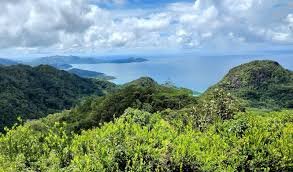
Other attractions: For those seeking a truly unique experience, a night tour to Mission Lodge Lookout is a real treat. In the darkness of night, when the city lights fade and nature comes alive, the observation deck offers views of the starry sky and the island’s panoramic scenery. In the morning, visit the bustling Sir Selwyn Selwyn-Clarke Market, where the aromas of exotic spices mingle with the vibrant colors of tropical fruits. Completing your cultural journey is a visit to the Takamaka Rum Distillery, where, in the colonial house of La Plaine St. Andre dating back to 1792, you’ll learn the rum-making process and the secrets of Creole recipes passed down through generations.