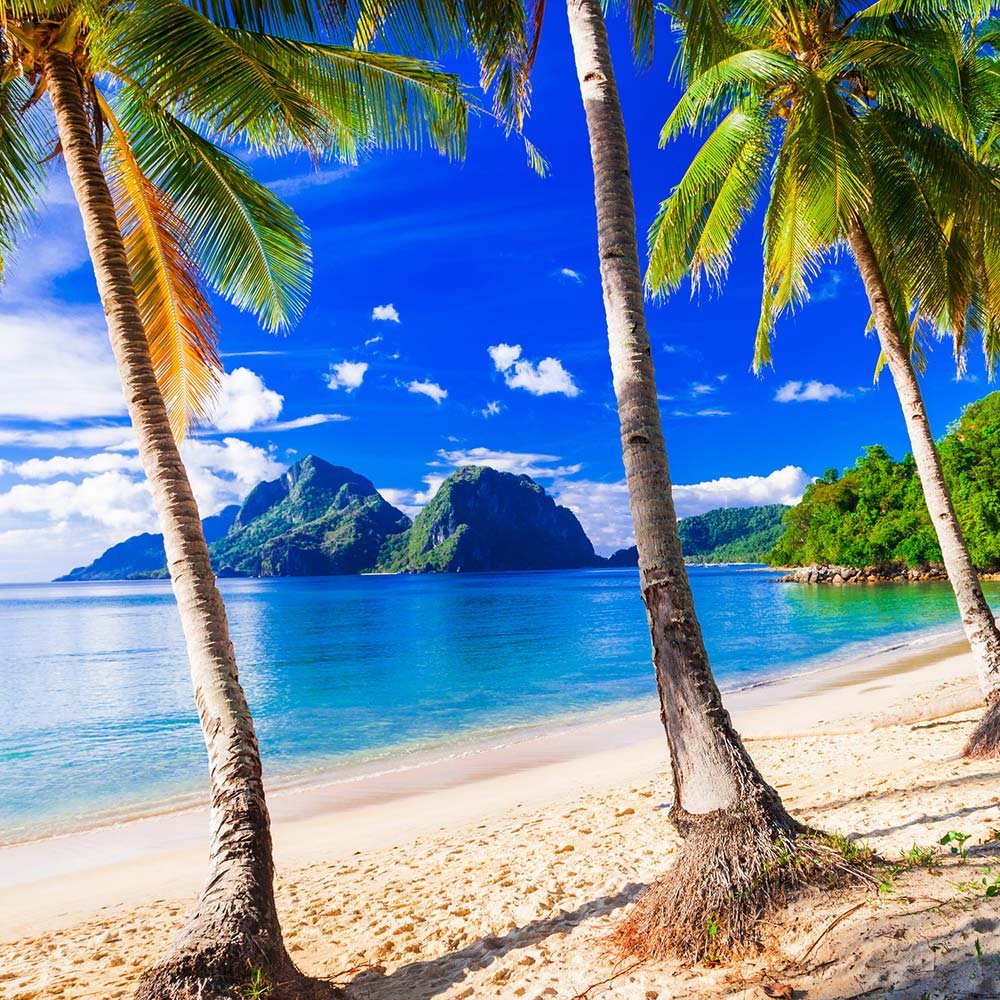
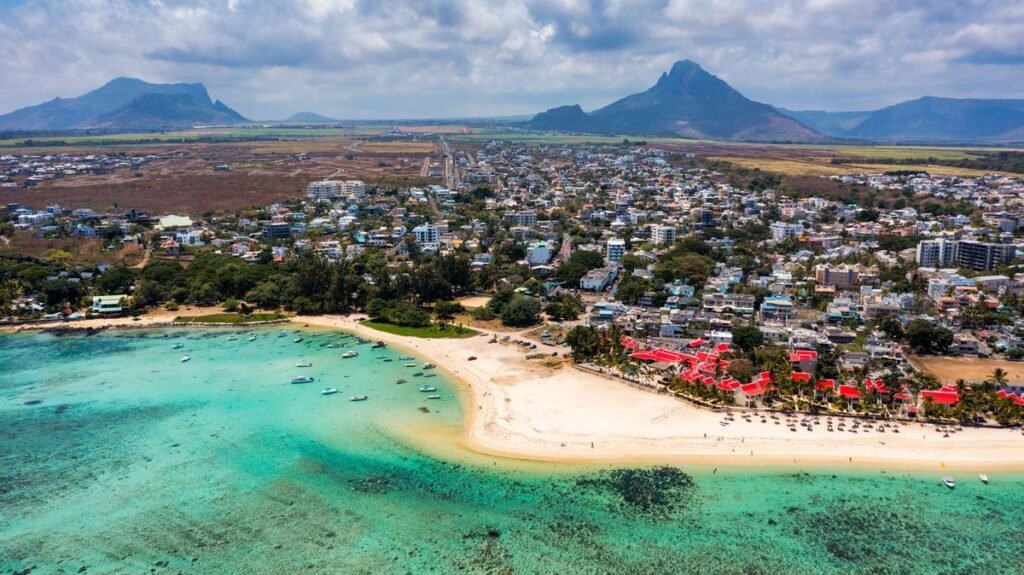
Mauritius is an island nation in the Indian Ocean, located approximately 900 km east of Madagascar. The island is famous for its volcanic landscapes, turquoise lagoons, and unique cultural mix.
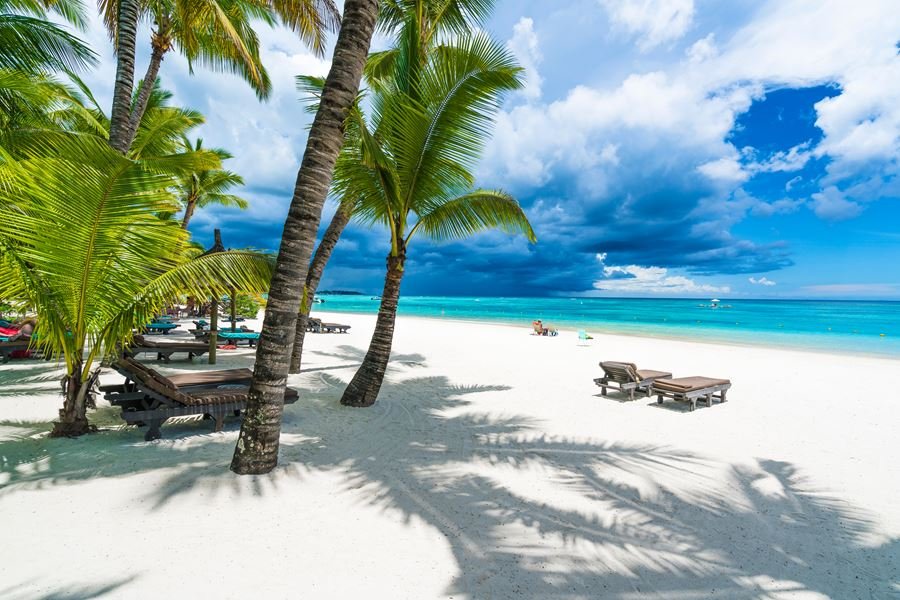
Most Beautiful Beaches
Flic en Flac: A long, sandy beach on the west coast, perfect for watching the sunset.
Belle Mare: A calm lagoon with crystal-clear waters, perfect for snorkeling.
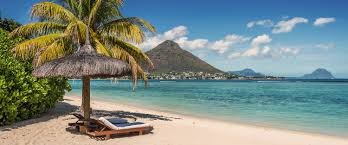
Le Morne: A wide beach at the foot of the famous mountain, popular with kitesurfing enthusiasts.
Pereybere: A small, atmospheric beach frequently visited by locals.
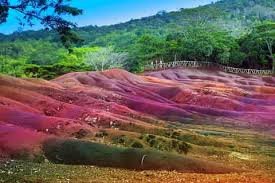
The Seven Colored Earth Reserve. The Seven Colored Earth is a natural phenomenon that can be observed during a holiday in Mauritius. Despite its palpable nature, it seems surreal, as if lifted straight from a Salvador Dalí painting. This geological spectacle occurs in Chamarel National Park. Its intensity depends largely on the time of day, the intensity of sunlight, and the amount of moisture in the air at a given moment. The Seven Colored Earth, however, almost always fascinates visiting tourists. The appearance of this place is the result of volcanic ash erosion and the richness of the soil, saturated with various minerals. Also significant is its high iron and aluminum content. It is these varying amounts that account for the shimmering colors of the land in the reserve. Violet, blue, and red dominate. As the volcanic rock cools, it produces many shades of these colors, which is reflected in the name of this extraordinary spot on the map of Mauritius.
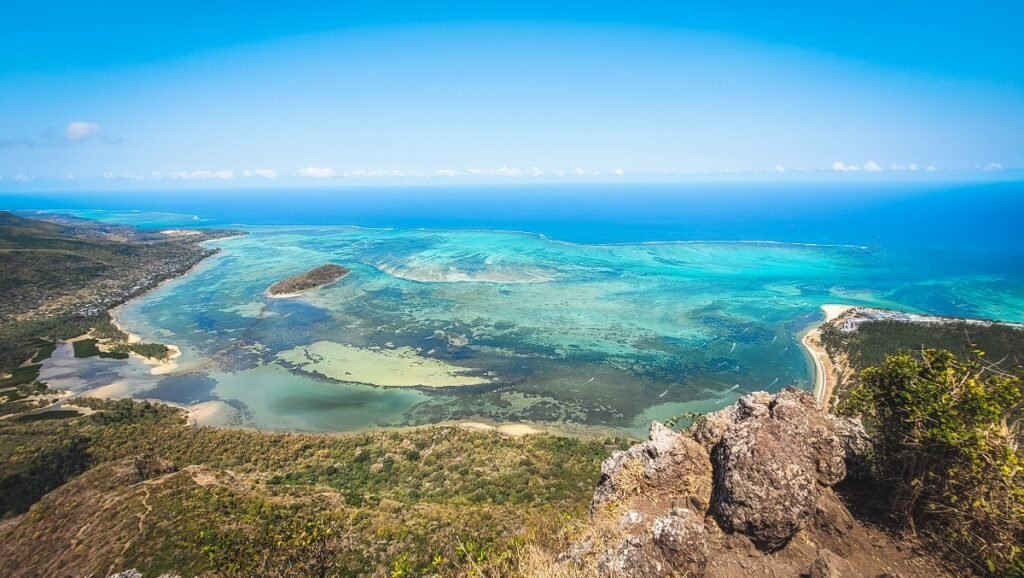
Le Morne Brabant is a peninsula in the southwestern part of Mauritius, the westernmost point of the island. The peninsula is dominated by the 556-meter-high Le Morne Brabant Mountain. Sandy beaches line the coastline and are home to numerous luxury hotels. In the 19th century, the peninsula served as a haven for escaped slaves. When troops were sent there in 1835 to proclaim the abolition of slavery, they reportedly threw themselves into the sea, believing they were being rounded up. In 2008, the peninsula was designated a UNESCO World Heritage Site.
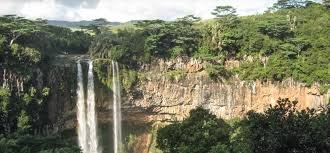
Black River Gorges National Park, established in 1994, is located in the southwestern part of the island of Mauritius, part of the Republic of Mauritius, a country located in the Indian Ocean. The national park is part of the Black River Gorges-Bel Ombre Biosphere Reserve (originally called Macchabée – Bel Ombre Biosphere Reserve), established in 1977, and is also part of two BirdLife International Important Bird Areas (IBAs). Since 2006, it has been included on the Mauritian Tentative List – a list of sites that Mauritius intends to consider for nomination to the UNESCO World Heritage List based on the proposed natural criteria VII, IX, and X.
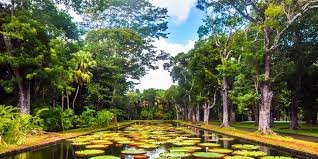
Pamplemousses Botanical Garden. The name Pamplemousses literally means grapefruit. The garden was founded in the 18th century by Pierre Poivre, a French consul. Initially, it served as a summer residence, but was later transformed into a botanical garden, which eventually became a natural monument. Admission is 20 złoty per person for ages 5 to 59, while those aged 0-5 and over receive free admission. The park boasts countless different plant species. There are 82 species of palms alone, including the Talipot palm, which blooms once every 60 years, bottle palms, bluethroat palms, and elephant foot palms. I was captivated by the beautiful avenue of royal palms. What’s even more surprising is that palms didn’t grow naturally on the island. They were imported to develop tourism, creating a sort of “paradise” for visitors. Over time, the palm trees have grown and you get the impression that this is their natural habitat and that they have always been here.
Practical Information
Visa: Polish citizens can stay in Mauritius without a visa for up to 90 days. A passport valid for at least 6 months after the return date is required.
Currency: Mauritian Rupee (MUR). It’s recommended to bring Euros or US Dollars and exchange them locally.
Language: English (official), French, and Creole (most widely spoken).
Tourist Tax: From October 2025, a fee of €3 per person per night applies.
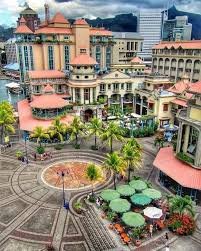
What to see in Mauritius? Besides beaches and nature, it’s worth visiting Port Louis, the island’s capital, where you’ll find an atmospheric market, museums, and the Caudan Waterfront promenade. In the central part of the island, you’ll find tea plantations and colonial mansions, reminders of this place’s rich history. Another interesting spot is Grand Bassin, a lake in a volcanic crater considered sacred by local Hindus.