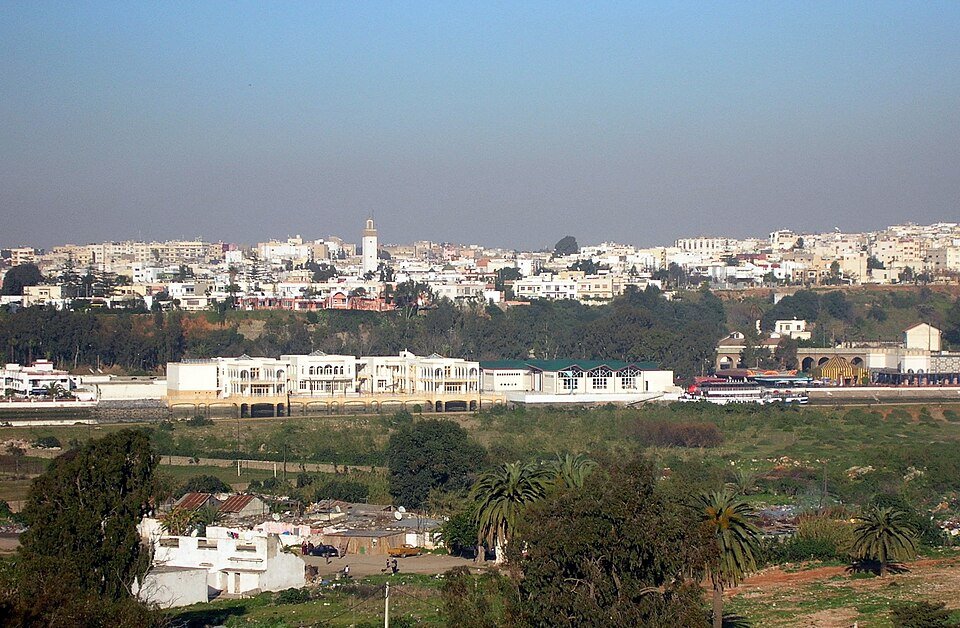
Sala is a city in northern Morocco, in the Rabat-Salé-Quneitra region, at the mouth of the Bu Rakrak River on the Atlantic Ocean, opposite Rabat. It is the administrative seat of the Sala prefecture. In 2014, it had approximately 945,000 inhabitants.
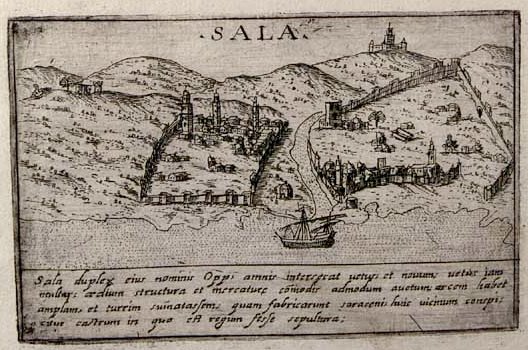
A bit of history. Today, Salè is a satellite town of Rabat, but in the Middle Ages it was an important cultural and commercial center. The city experienced its greatest prosperity under the Marinid dynasty, when the still-existing Bou Inania madrasa was built there. In the 17th century, Salè was the capital of the independent corsair Republic of Salè, and later of the Republic of Bou Raqq. After the collapse of the Saadian empire, Salè and Rabat were occupied by Muslim Moriscos expelled from Andalusia. They engaged in piracy and the slave trade, thanks to which the Republic of Bou Raqq amassed considerable wealth in subsequent years. The medina in Rabat dates from this period. When Salè was attacked by the marabout Al-Ajachi in 1637, the Dila Brotherhood was sought for assistance, which subsequently became the sovereign of the state of Bou Raqq. In 1668, the state, along with the Dila Brotherhood, submitted to Alaouite rule. Piracy in the coastal waters of Morocco and the Iberian Peninsula, however, persisted until the early 19th century. Since the French moved the capital of Morocco to Rabat in 1922, and nearby Casablanca became one of the country’s most important seaports, Salé has declined in importance. Despite this, the city continues to grow, and due to increased traffic, a new bridge was recently built over the Bou Raqqa River, connecting Salé with Rabat. Paddle ferries also operate on this route.
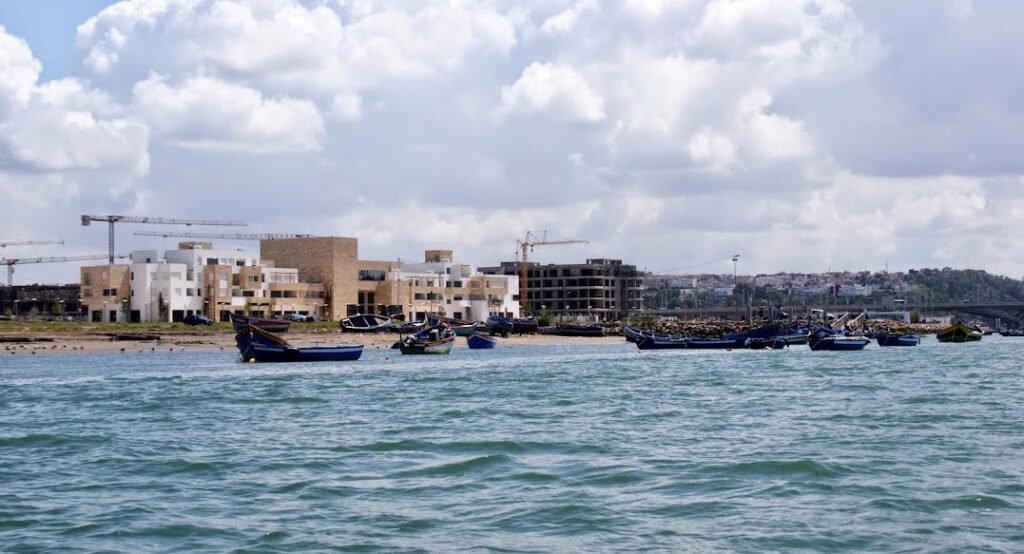
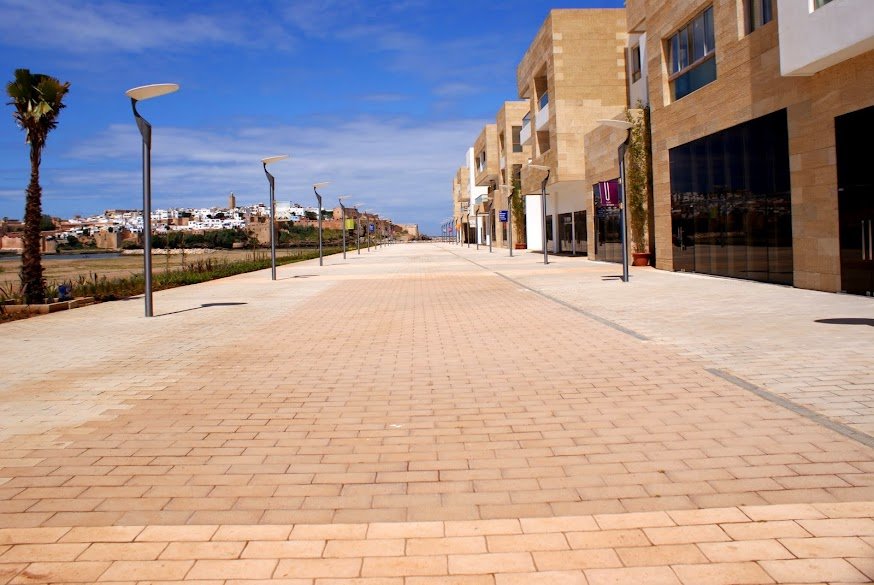
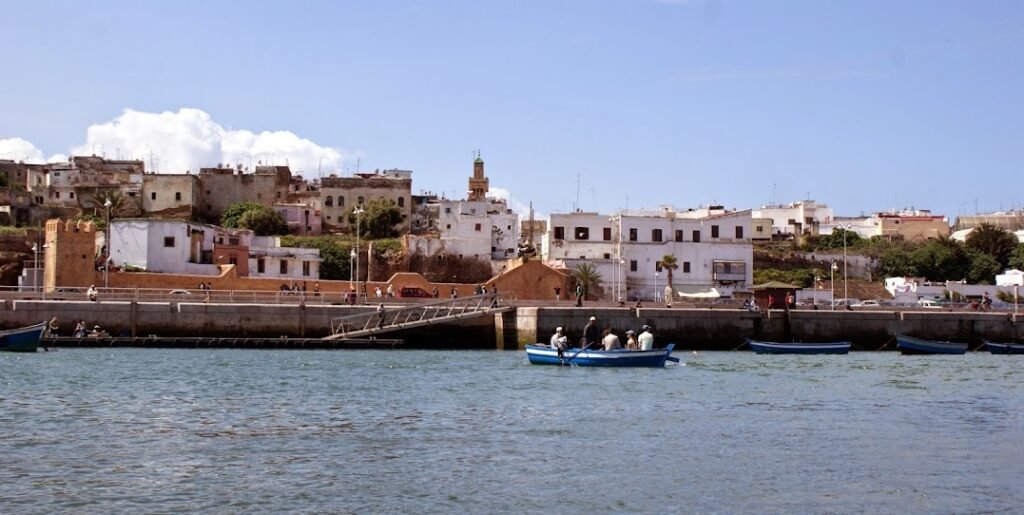
On the other side of the river – Sala. At the foot of the Kasbah al-Udaya is a large, recently renovated, bright square. Strolling Rabat residents slowly cross it to the riverbank, where for a few dirhams they can cross to the other side of Bou Raqqar, to the city of Salé, which, together with the Moroccan capital, forms a metropolitan area. The weather is beautiful, spring-like – sunny, with a light breeze pushing blue boats calmly along the shore. After a few minutes, they dock in Salé. Compared to the historic buildings of Rabat, Salé, located on the other side of the river, is currently undergoing significant renovation. Work on the Bou Raqqar, begun in 2006 at the behest of King Mohammed VI, is giving this part of the city a new character.
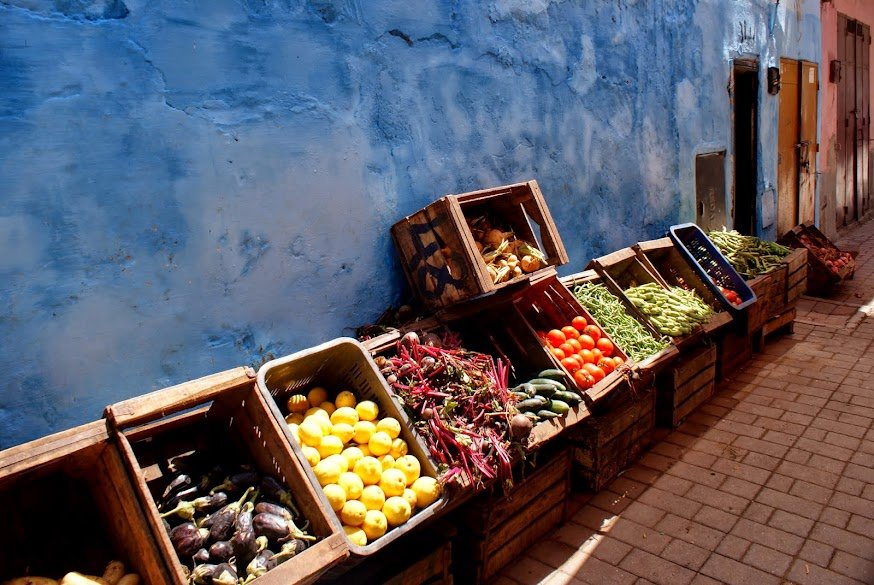
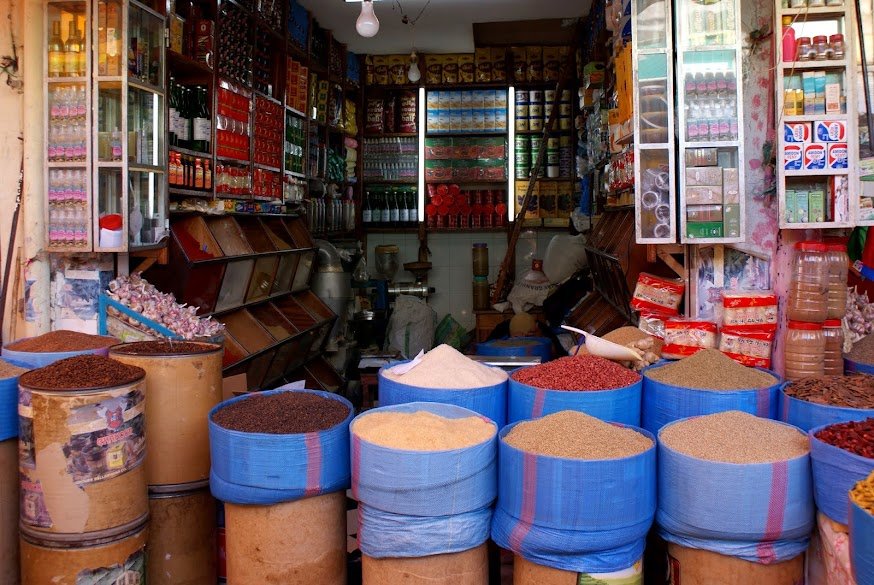
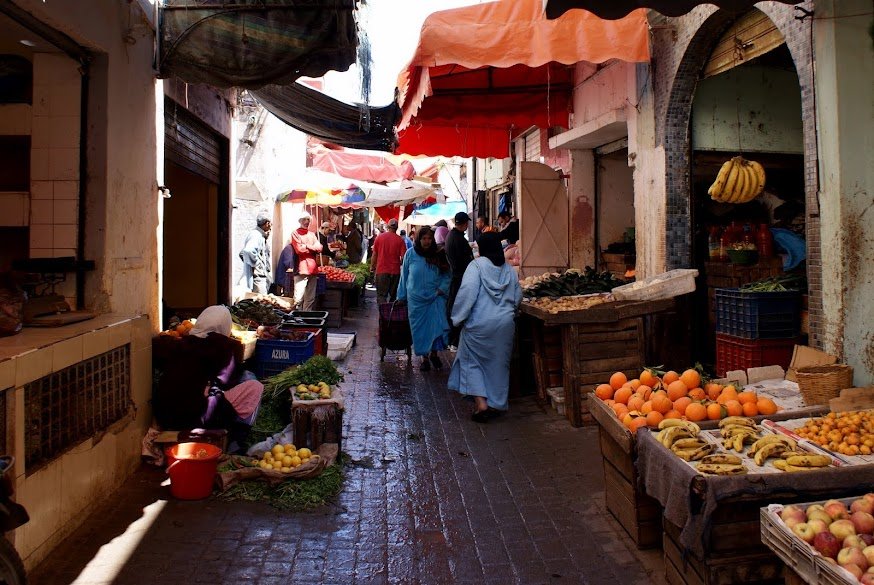
Medina, Souk. The walk from the marina to the souk in Salé takes a few minutes. A dozen or so if you allow yourself to get lost in the medina’s winding streets. Tall tenement houses create an urban labyrinth, concealing small workshops – a shoemaker, a tailor, a mangle, a small bakery whose aroma wafts throughout the neighborhood. The souk in Salé, smaller than the one in Rabat, is equally bustling and full of color, fragrant spices, juicy fruit, delicious honey crêpes, and Moroccan pastries. Walking around the area, we counted on one hand the number of other tourists who had ventured into these areas. Neither Rabat nor Salé are as popular among visitors to Morocco as Fez or Marrakesh. And although my visit to the country was limited to the first two cities, it left me wanting more.
The medina of Sala. Many of Sala’s medieval monuments have survived to this day, allowing the city—unlike the largely modern Rabat—to retain a degree of its traditional character. The main gate of the medina, Bab Mrisa, dates back to the late 13th century, during the Marinid period, but its rich decorations and Kufic inscriptions are characteristic of the later Almohad era. Beyond the gate lies the Jewish quarter (mellah), which is also accessed through another historic gate, Bab Bu Haya.
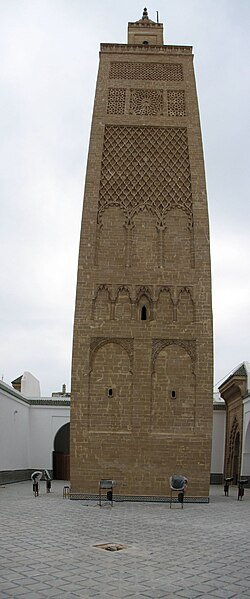
The Great Mosque and Madrasa of Bu Inania. The most important monument in the Islamic part of the medina is the Great Mosque and the madrasa opposite it. The mosque, built during the Almohad era, is among the oldest in Morocco. However, non-Muslim tourists are only allowed access to the minaret and gate, which were built in later periods. The adjacent madrasa dates back to the reign of the Marinid sultan Abu al-Hassan, rivaling the madrasas in Meknes and Fez in age. It is characterized by a wealth of architectural decorations – stucco and mosaics, as well as sculptures and geometric and floral ornamentation typical of the Almohad period. The madrasa has an inner courtyard, around which the upper floor houses the students’ living quarters. The building’s roof offers views of Salah and Rabat, with the Hassan Tower visible across the river.
Muslim pilgrimages. The medina also includes the zawiyas of Sidi Ahmad al-Tijani and Sidi Abdullah ibn Hassan. Every year, on the eve of Muhammad’s birthday, pilgrimages gather at these zawiyas, and a lantern-lit procession passes through the city streets. The local cemetery is another pilgrimage site for Moroccan Muslims. It is the kubba of Sidi ibn Ashir al-Talib, a 14th-century Andalusian ascetic. According to local beliefs, this tomb has the power to heal blindness, paralysis, and demonic possession.