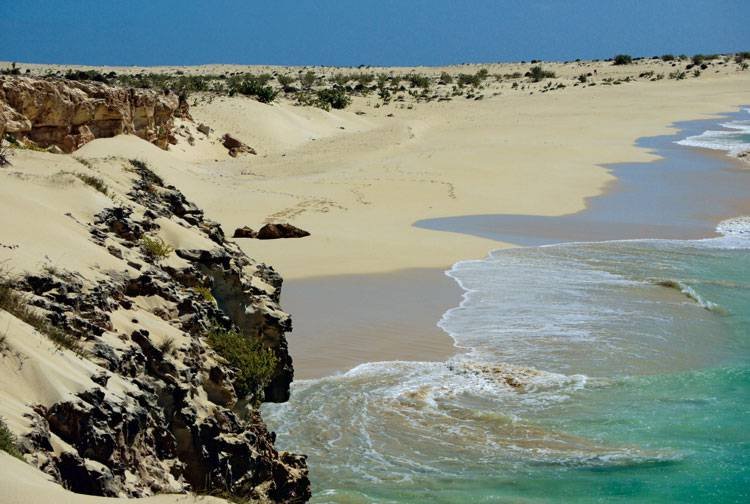
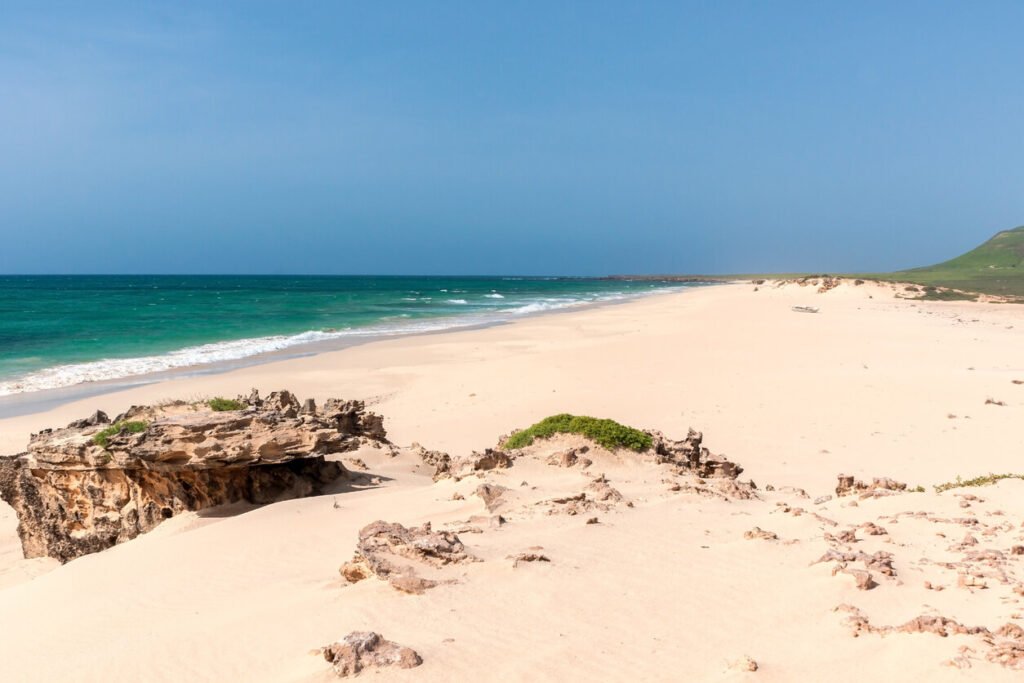
Boa Vista is an island belonging to the Leeward Islands archipelago, which is part of the Cape Verde Islands. The island is known for its sea turtles and traditional music, as well as its ultramarathons and sand dunes and beaches.
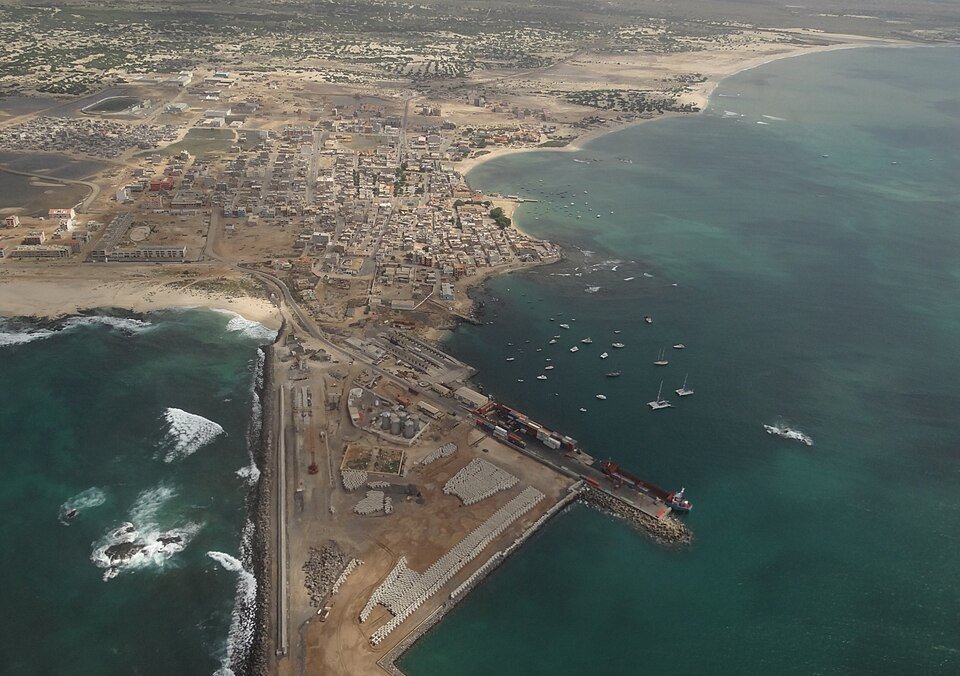
History. The island was likely discovered by António Noli in 1458 and originally named São Cristovão, after the patron saint of Genoese sailors. Venetian citizen Alvise Da Mosto, in a 1464 account, claims that he and Antoniotto Usodimare had discovered the island as early as 1454. In 1498, during his third voyage, Christopher Columbus stopped on the island. Salt mining flourished in the 17th century, when the town of Sal Rei, the main center of salt production, was founded. African slaves were brought in to establish and exploit the mines. After pirates attacked and razed Sal Rei in 1818, a fort armed with cannons was built on the neighboring island of Ilhéu de Sal Rei. In the early 19th century, mining entrepreneur Manoel Martins built the first railway line in the Portuguese possessions to transport salt from the mines to the port of Sal Rei. Due to pirate attacks and the decline of salt mining, the island soon lost its economic importance. In 1843, an Anglo-Portuguese commission for the abolition of slavery began operating; as a result, slavery was abolished on the island in 1878. In the 19th century, the island was known for the export of donkey skins. Until recently, it retained its agricultural character. Currently, the tourist infrastructure is undergoing increasingly intensive development.
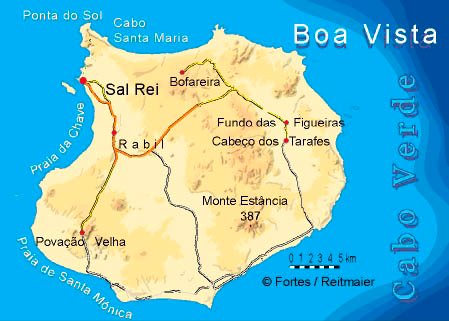
Geography. With an area of 620 km², it is the third largest island after Santiago (991 km²) and Santo Antão (779 km²). It lies 455 km west of the coast of Africa. Most of the island is flat. The island’s highest point, Monte Estância, is 387 m above sea level. Other higher mountains include Pico Santo António (379 m), Tope Vermelho (369 m), and Rocha Estância (354 m). The main town is Sal Rei, a port on the northwest side of the island. Boa Vista, along with the islands of Sal and Maio, is classified as a “desert island.” It is also the sandiest of them all. It is famous for its white sands and is therefore often called the “Sahara of Cape Verde.” These sands are partly blown onto the island from the Sahara, but mostly come from local volcanic rocks and fragmented coral reefs. The island is home to the Viana Desert. Surrounding islands include Ilhéu de Sal Rei in the west, which boasts a lighthouse, and Ilhéu do Baluate, the easternmost point of the Cape Verde Islands. Promontories include Ponta Antónia in the north.
Population: The island has the smallest population of all the inhabited Cape Verde Islands and the lowest population density in the archipelago. Of its approximately 4,200 inhabitants, nearly half live in Sal Rei (2,000). Other larger towns include Rabil (800) and Povoação Velha (300).
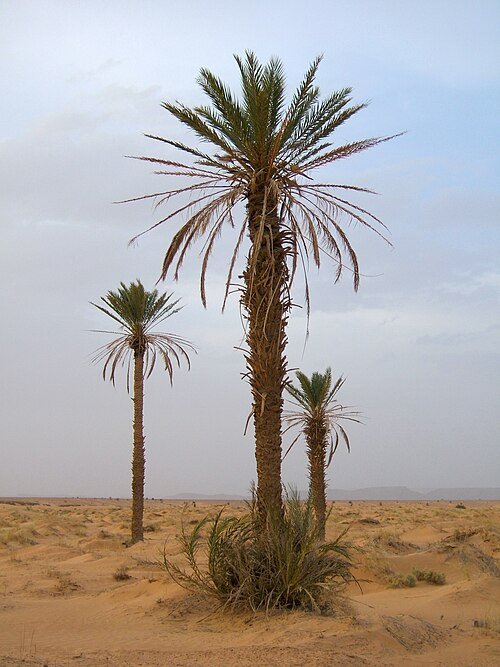
Economy: Initially, the island’s economy was based on agriculture, but desertification led to salt harvesting becoming more important. Currently, the main industries are date palm cultivation, fishing, and tourism.
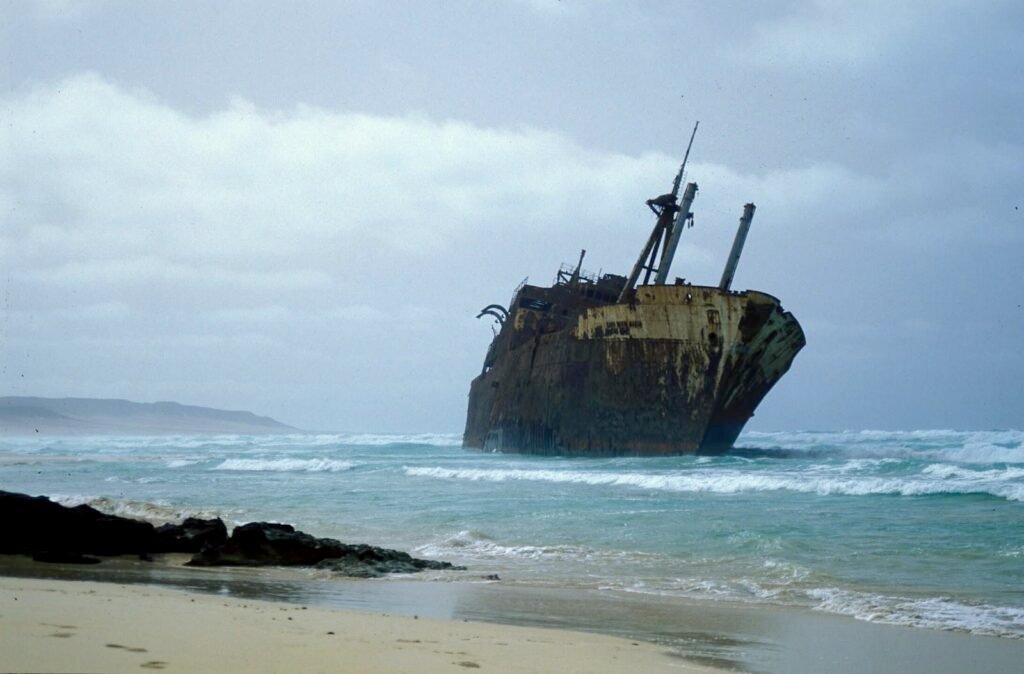
The Cabo de Santa Maria shipwreck on the island of Boa Vista (Cape Verde) is one of the most iconic and photogenic symbols of the entire archipelago. This rusting shell of a Spanish cargo ship rests just off the shores of the wild beach of Praia da Atalanta (often called Cabo Santa Maria Beach) on the island’s northern coast.
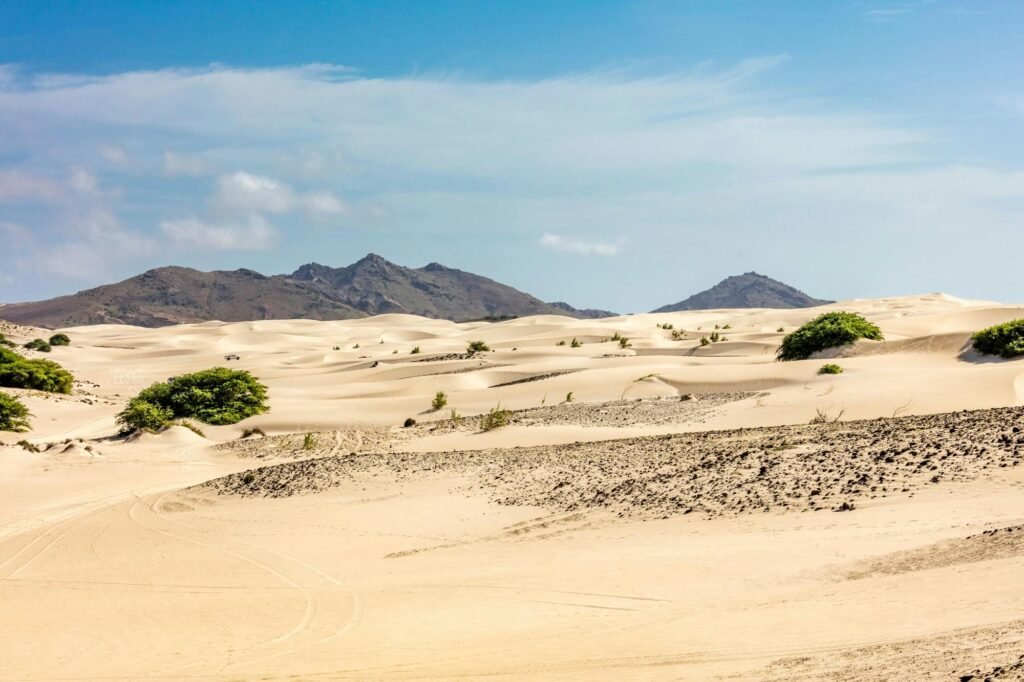
The Viana Desert is one of the most important and spectacular natural attractions on the island of Boa Vista, part of the Cape Verde archipelago. Considered one of the country’s seven natural wonders, it captivates with its unique, lunar landscape and majestic sand dunes.
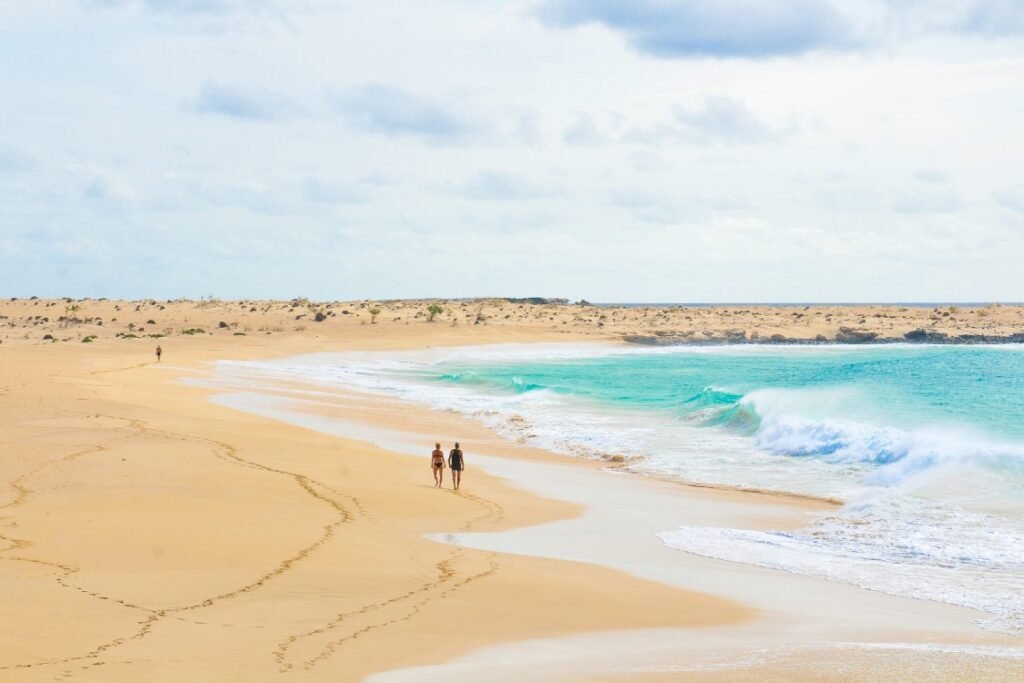
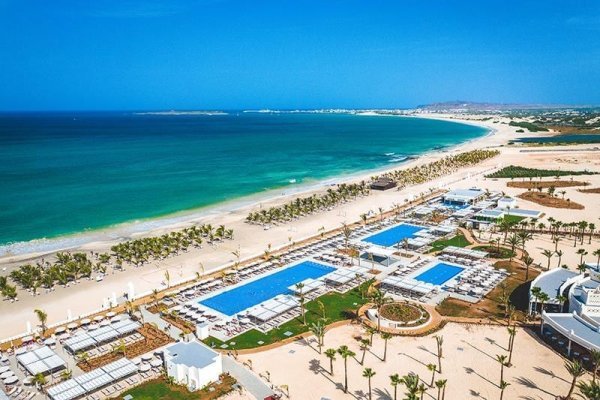
Santa Mónica Beach on Boa Vista Island is considered the most beautiful and longest beach in Cape Verde. It stretches for 18 to 22 kilometers in the southwest of the island. It is one of the country’s 7 natural wonders. It is characterized by a completely untamed landscape, powdery white sand, and the crystalline turquoise waters of the Atlantic Ocean.
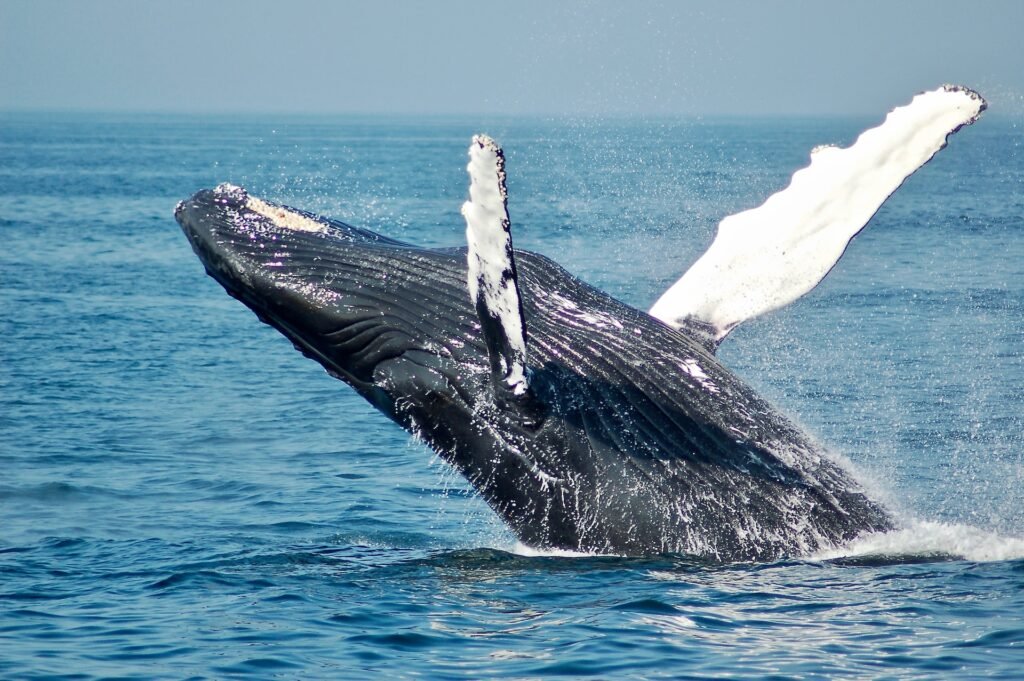
Wildlife Observation. Boa Vista in Cape Verde is one of the world’s premier wildlife-watching destinations. The archipelago’s isolation and the clear Atlantic waters create ideal habitats for unique marine and bird species. When visiting the island, you can plan seasonal excursions to target specific animal groups.
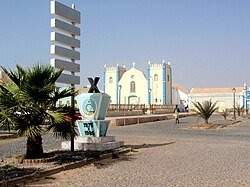
Sal Rei is the quiet, charming capital and largest town of Boa Vista Island in the Cape Verde archipelago. Home to several thousand people, the town is renowned for its relaxed pace of life, in keeping with the local “no-stress” philosophy, colorful houses, colonial architecture, and sandy beaches sheltered from strong ocean currents.
Practical information for travelers. Weather and when to go: The tourist season lasts year-round, with sunshine for approximately 360 days. The best time to visit is from December to April, when temperatures range between 24 and 30°C (75 and 86°F) and winds are favorable for kitesurfing. Documents and entry: Polish tourists can stay on the island without a visa for up to 30 days. A passport valid for at least 6 months from the return date is required. You must also register online before traveling and pay the tourist tax (approximately €2.50 per day) on-site. Beach safety: The ocean can be very rough. Due to strong countercurrents, always pay attention to the color of the flag on the beach and avoid swimming near a red flag. Currency and language: The official currency is the escudo (CVE), but euros are accepted in many tourist areas. The official language is Portuguese, and the local language is Creole (Kriolu).