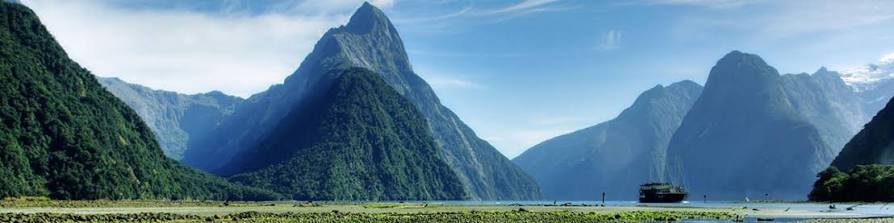
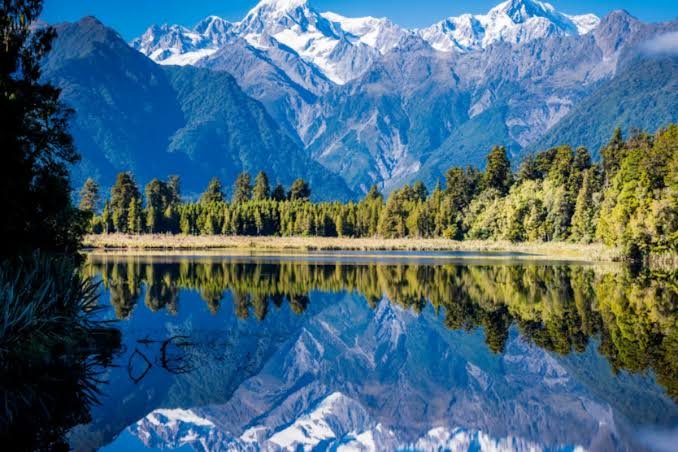
New Zealand is an archipelago in the Pacific Ocean, located approximately 1,600 km southeast of the Australian coast. It comprises two large islands—the North Island and the South Island—along with a number of smaller surrounding islands, the largest of which is Stewart Island. The entire archipelago is part of the nation of New Zealand. As an island country situated in the southwestern Pacific, southeast of Australia, New Zealand is renowned for its pristine landscapes, unique flora and fauna, and a rich culture that blends British and Māori traditions. Thanks to its spectacular, rugged scenery, New Zealand has served as a filming location for productions such as *The Lord of the Rings* and *The Hobbit* trilogies.
Basic Information
• Capital: Wellington (Auckland is the largest city)
• Political system: Parliamentary monarchy (King Charles III is the head of state, and the government is led by Prime Minister Christopher Luxon)
• Population: Approximately 5.3 million inhabitants
• Official languages: English, Māori (te reo Māori), and New Zealand Sign Language
• Currency: New Zealand Dollar (NZD)
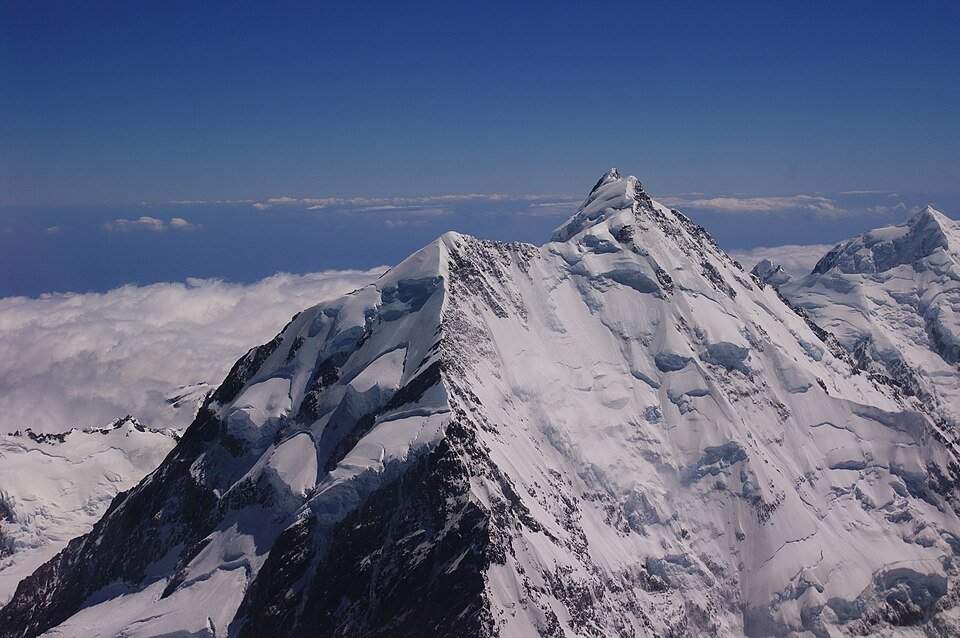
Terrain. The geological development of the islands determines their present-day landforms. The interior is mountainous, with the highest reaches of the mountains exhibiting an alpine character and elevation. The highest peak is Mount Cook. The South Island is dominated by glacial landforms, while the North Island is characterized by volcanic features. Mountainous areas are surrounded by uplands, with lowlands confined to a narrow coastal strip. Fjords are found along the southwestern coast of the South Island.
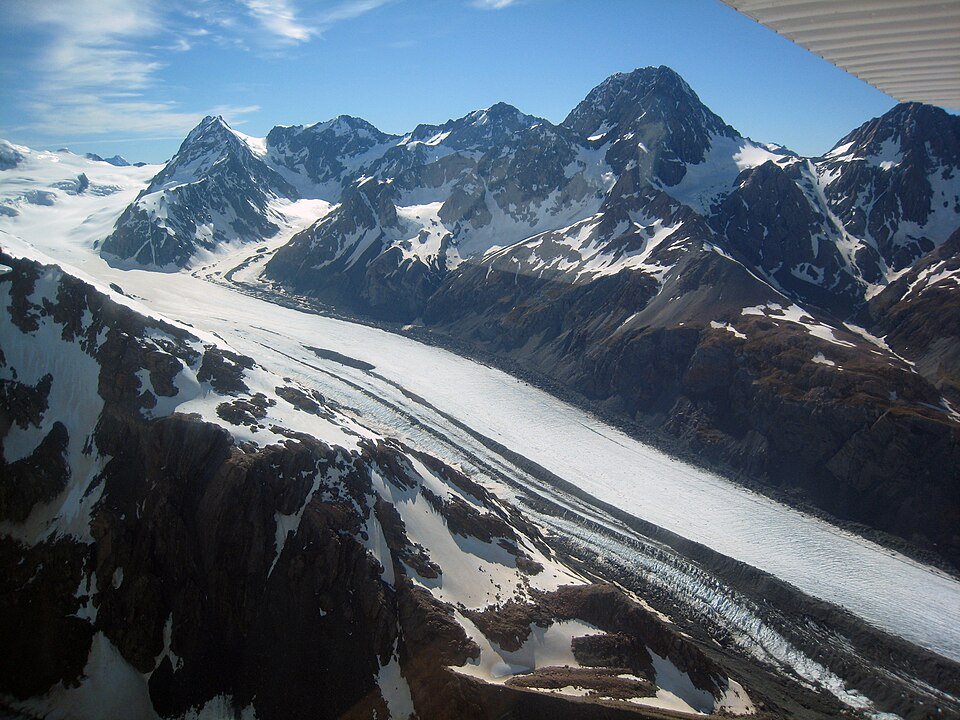
New Zealand’s climate is oceanic—subtropical in some areas and warm-temperate in others. The average temperature in July ranges from 3–5°C in the south to 12°C in the north. In January, the average temperature reaches 14°C in the south and 19°C in the north. Annual precipitation on the North Island ranges from 800–1000 mm, reaching up to 2650 mm at higher altitudes. Most precipitation occurs during the winter months. Precipitation levels on the South Island are more varied, and snowfall occurs there during the winter. A permanent snow cover exists only in the mountains, with the permanent snow line situated at an altitude of approximately 2200 meters above sea level. Glaciers are found in the mountains; the largest among them are the Tasman and Murchison glaciers.
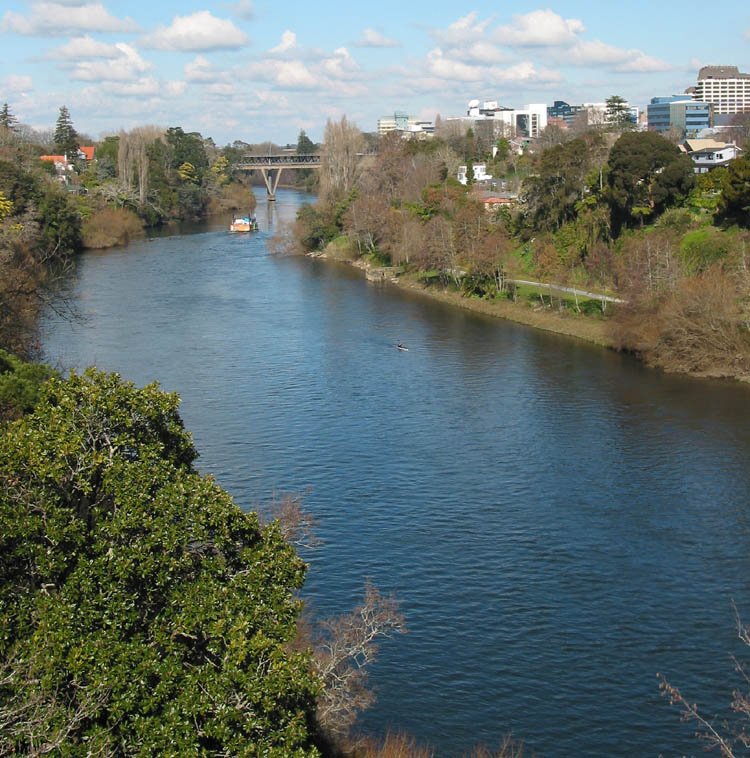
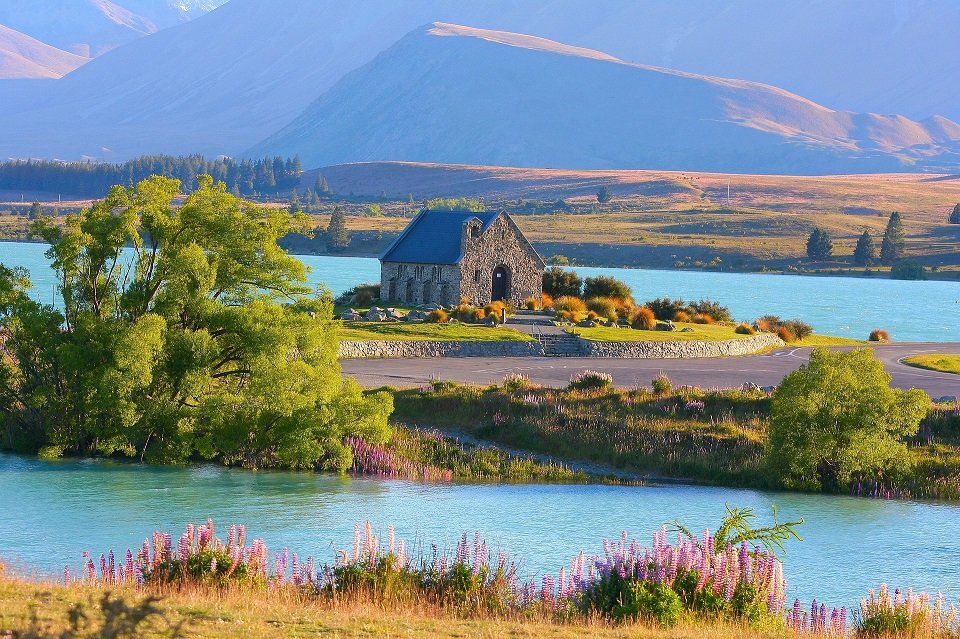
Surface waters. New Zealand has a very dense river network. The rivers are short and swift-flowing. The longest among them are the Waikato, Clutha, Whanganui, and Taieri. They are characterized by high water levels throughout the year and frequent flooding during the spring. There are numerous lakes across the New Zealand islands. On the South Island, the lakes are predominantly of tectonic-glacial origin and are very deep, while those on the North Island are primarily tectonic or volcanic. The largest lake is Lake Taupō, covering 616 km² on the North Island; other major lakes include Te Anau, Wakatipu, and Wanaka—all located on the South Island. The South Island is also home to New Zealand’s deepest lakes, many of which are cryptodepressions—including the deepest of all, Lake Hauroko.
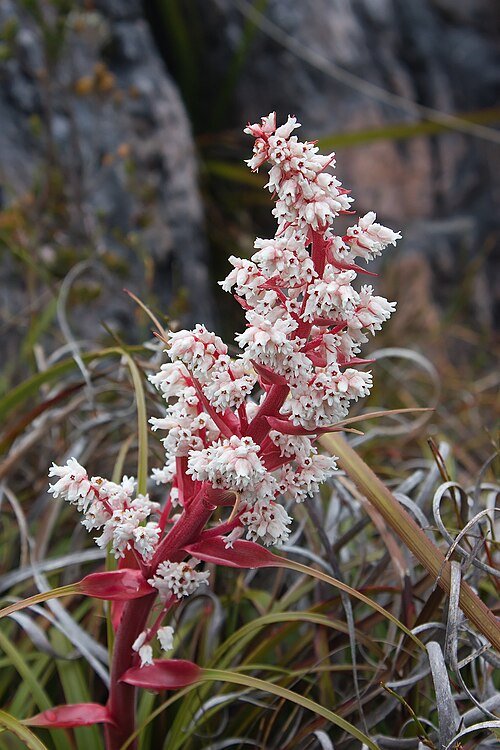
Flora. Due to millions of years of isolation, approximately 80% of New Zealand’s flora consists of endemic species—plants found nowhere else. However, natural ecosystems composed of native species now cover only 10–15% of the islands’ land area. In total, New Zealand’s flora comprises 1,843 species of vascular plants. The rate of endemism is particularly high among gymnosperms; among angiosperms, numerous endemic species are found within genera such as *Ranunculus*, *Gaultheria*, *Dracophyllum*, *Myrsine*, *Pimelea*, *Acaena*, *Carmichaelia*, *Metrosideros*, *Hebe*, *Celmisia*, *Olearia*, and *Raoulia*, among others. Approximately 40% of pteridophyte (fern and fern-ally) species are endemic. There are 45 endemic genera (for example, *Phormium*, *Loxsoma*, *Pseudowintera*, *Carmichaelia*, and *Haastia*). In 2012, eight plant taxa (seven species and one hybrid) were classified as extinct. Of the 2,580 taxa analyzed, 1,428 were considered not threatened, meaning that 44% of New Zealand’s flora faces some degree of threat.
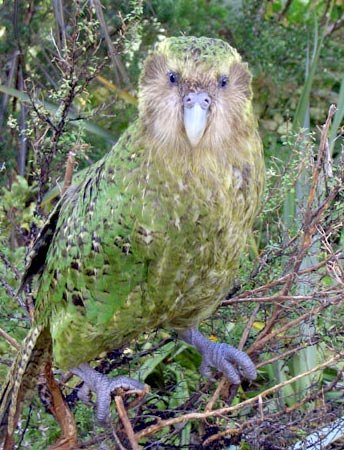
Fauna. In terms of its fauna, New Zealand constitutes a distinct biogeographic region. A notable characteristic is the absence of endemic land mammals (in contrast to its birds and reptiles). Interesting animal species include three native bat species, as well as birds such as the kiwi (a national symbol of New Zealand), the kea and kākāpō parrots, and the takahē. Reptiles include the tuatara—the sole surviving member of the order Sphenodontia—along with approximately 30 other species. Large insects belonging to the order Orthoptera, known as wētā, are found exclusively in New Zealand. Species introduced by settlers since the 17th century—such as cats, dogs, rats, mice, brushtail possums, stoats, and rabbits—pose a major threat to these endemic species. Many species are already considered extinct, including 40 species of birds, 3 species of frogs and lizards, 1 species of bat, and numerous insect species.
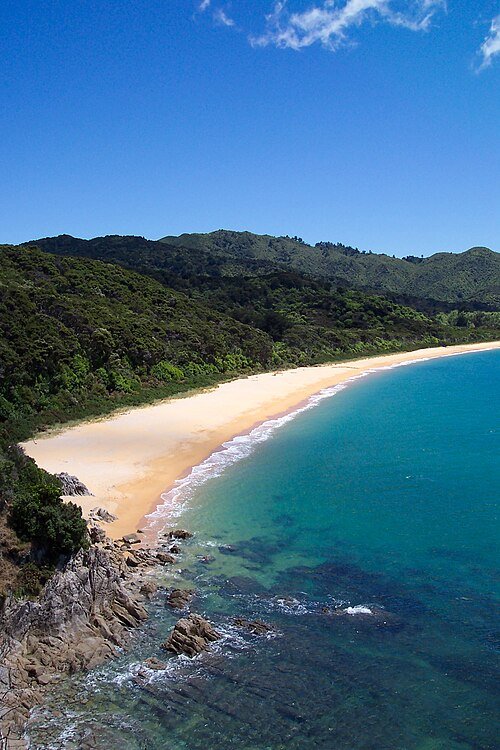
National Parks in New Zealand. There are 14 national parks in New Zealand, all of which are managed by the Department of Conservation. Together, these national parks cover an area of over 30,000 km², accounting for approximately 10% of the country’s total land area. The first national park to be established in the country was Tongariro National Park in 1887; furthermore, five of the current national parks are inscribed on the UNESCO World Heritage List.
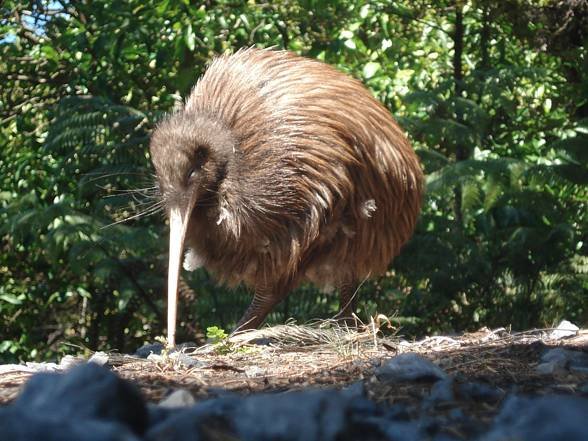
The kiwi is a flightless bird. Among New Zealand’s fauna, birds exhibit the greatest species diversity. While most people know what a kiwi looks like, not everyone is aware that it is the national bird of New Zealand. Furthermore, as an endemic species, it exists in the wild exclusively in this country. There are five recognized species of this flightless bird: the great spotted kiwi, the little spotted kiwi, the rowi (Okarito brown kiwi), the North Island brown kiwi, and the southern brown kiwi (Tokoeka). Kiwis are exceptionally faithful partners, forming monogamous bonds that can last as long as 20 years. They are also long-lived birds, capable of reaching up to 50 years of age in the wild. For those wishing to see them in a near-natural habitat, it is possible to visit Westland National Park (Te Wahipounamu), located in the southwest of the South Island.
Rotorua is the capital of geothermal phenomena. The city and its surrounding area form one vast, sulfurous spa. You can find everything from free public thermal foot baths to paid geothermal attractions, including pools of therapeutic bubbling mud, geysers, and volcanic features. Hot springs even run between residential properties, leading locals to use them for cooking in their own backyards. A few years ago, a photograph of the British royal couple visiting this remarkable region made headlines worldwide; the pair was pictured in a local resident’s garden, right next to a hot spring. Admission to the park costs approximately 35 New Zealand dollars.
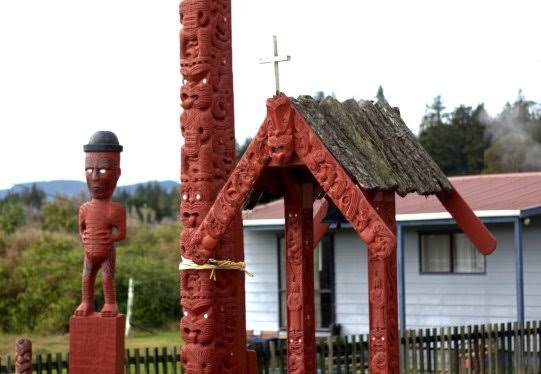
The Māori and their village. The Māori arrived in New Zealand from Polynesia. Today, they make up about 10% of the country’s population. Elements of this culture can be found at every turn. On the outskirts of the city of Rotorua lies an authentic Māori village—Ohinemutu. Visitors are immediately struck by the abundance of traditional Māori-style carvings, depicting warriors with eyes inlaid with seashells. Nearby, there is an Anglican church that blends colonial and Māori architectural styles, as well as a cemetery for Māori soldiers.
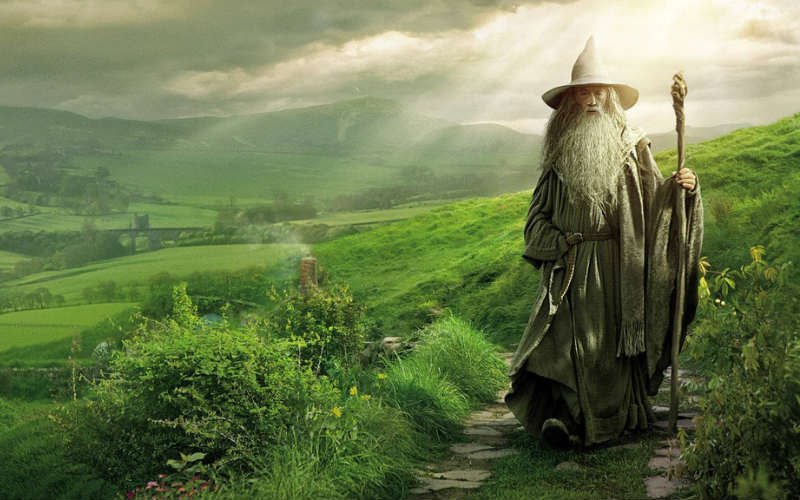
An encounter with the Hobbits. Director Peter Jackson became so fond of New Zealand’s landscapes that, in 1998, he decided to film one of his series—*The Lord of the Rings*, followed by *The Hobbit*—in the country. The films feature a vast array of scenery from this picturesque nation. One of the major attractions is the remains of the film set: Hobbiton. The construction of the set even involved the government and the military. Today, a 12-acre site featuring 44 hobbit holes is open to tourists. To add to the charm, visitors can spot details like laundry hung out by the little folk or abandoned wheelbarrows. It is also well worth stopping by The Green Dragon Inn—located within Hobbiton—to enjoy a glass of cider. This cinematic destination can be reached from two locations: Matamata or Rotorua. The tour lasts approximately two hours.
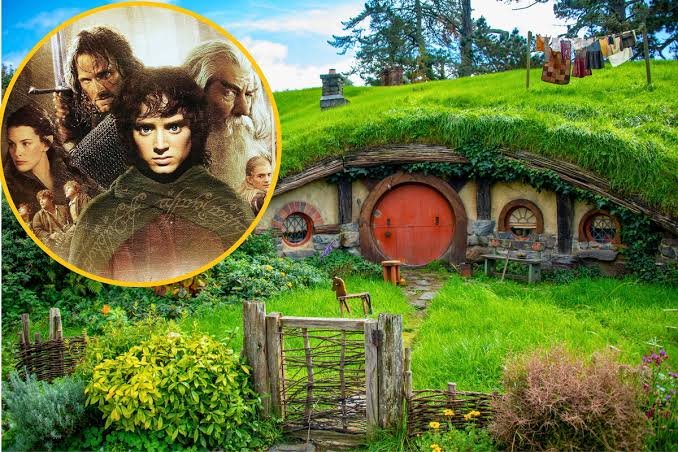
The impact of *The Lord of the Rings* on the economy: the film adaptation of Tolkien’s work proved beneficial not only to the filmmakers but also to New Zealand itself. The total economic benefit was so significant that the government appointed a dedicated minister responsible for promoting the national brand abroad. One manifestation of this initiative was the painting of *The Lord of the Rings* characters on Air New Zealand aircraft.
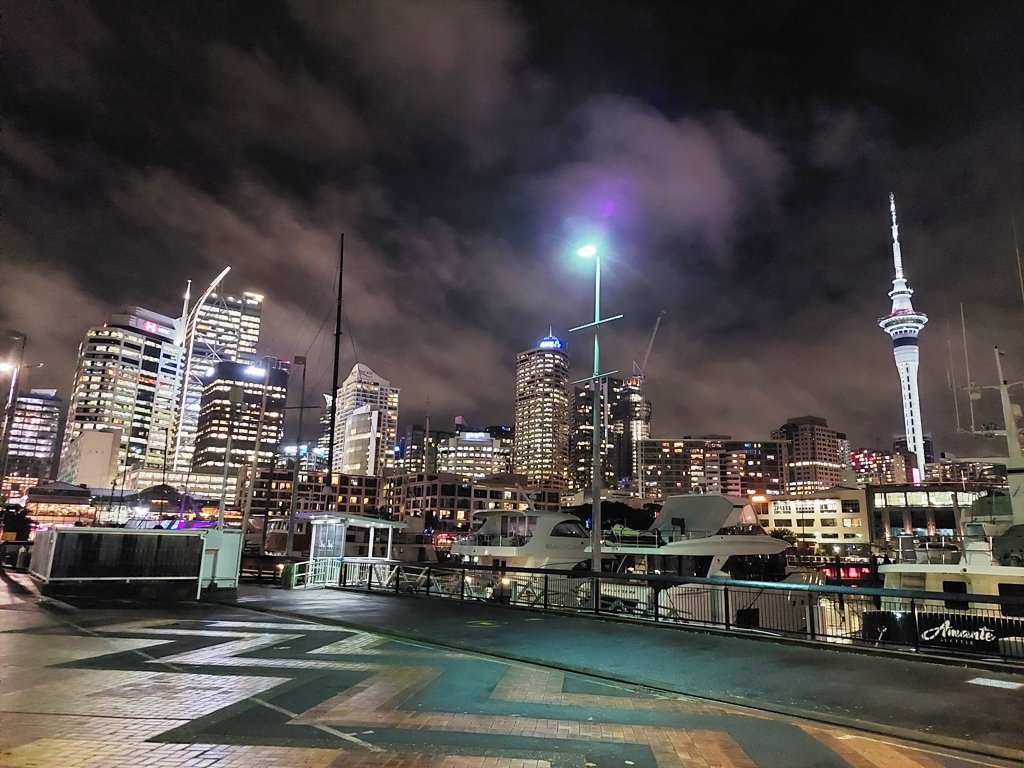
Auckland – the capital of New Zealand. The best place to take in the view of the city illuminated by the morning sun is from the Sky Tower observation deck. It would be hard to find a more unique spot to enjoy a coffee than this observation terrace, located 186 meters up, which offers a panoramic view of the entire city. Another interesting place to visit in Auckland is the museum of Māori art, which showcases artifacts from these remarkable people. Nearby lies Piha Beach, which served as a filming location for the movie *The Piano*, directed by Jane Campion.
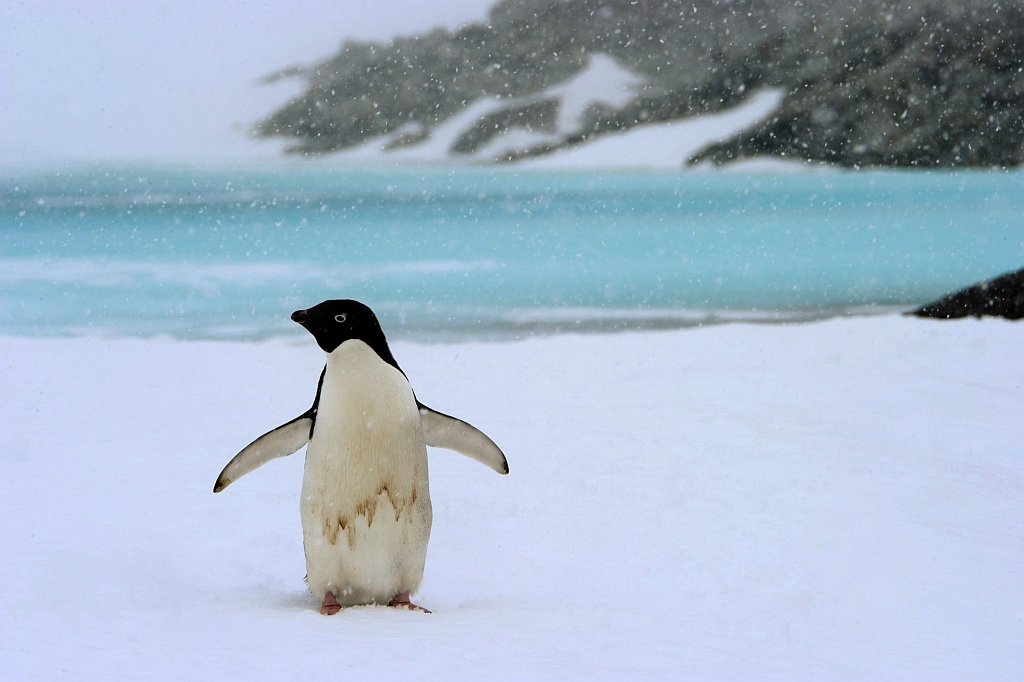
New Zealand’s penguins. New Zealand is home to the greatest number of penguin species—9 out of the 16 species that exist worldwide are found here. Ornithologists have also discovered that four other species occasionally appear off the country’s coasts.
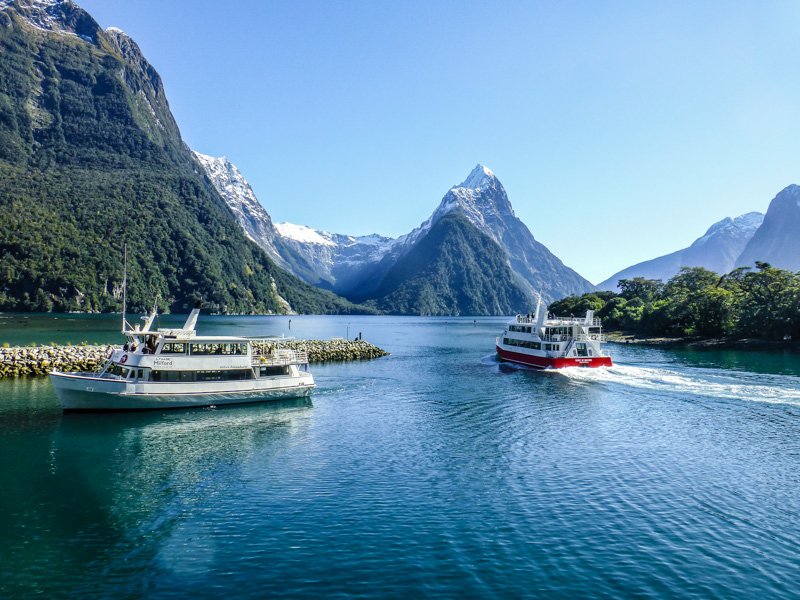
New Zealand’s fjords. Fjords aren’t found only in Norway; as it turns out, they also exist in New Zealand. The route to Milford Sound runs through Fiordland National Park. With its breathtaking landscapes, picturesque mountains, and waterfalls, it’s a place you’ll never want to leave. The fjords occupy the edge of the South Island and stretch for 19 kilometers. Tourists who fall in love with this spot aren’t even bothered by the fact that it rains here almost every day. There are three ways to reach this destination: by boat, by kayak, or by plane.