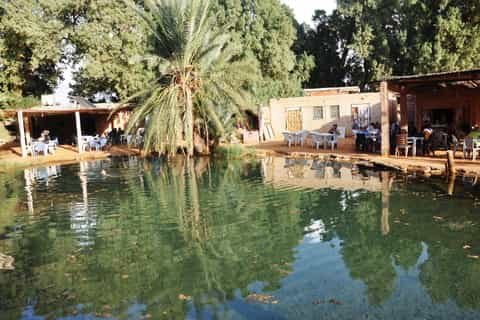
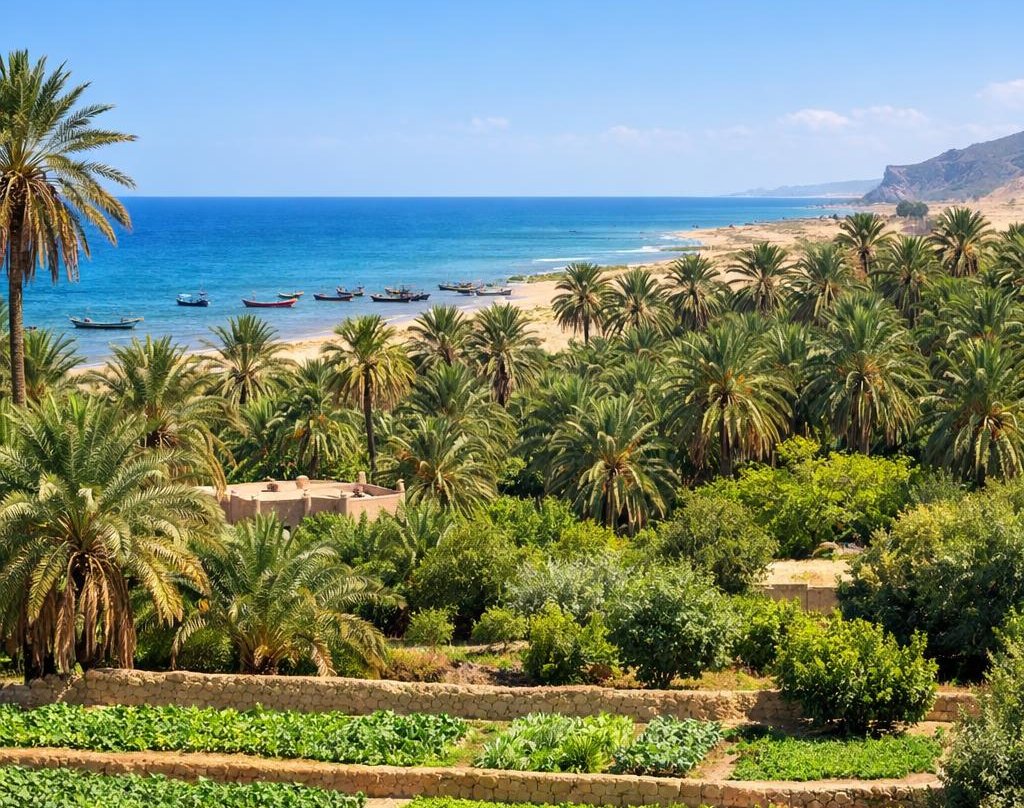
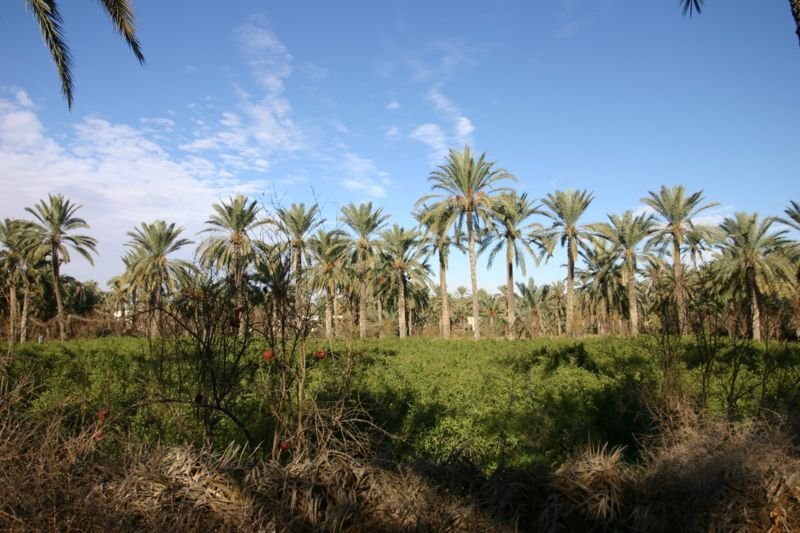
Gabès, a city on the shores of the Gulf of Little Sirte, is situated in an oasis. It is a tourist center in the Saharan part of Tunisia and the capital of the Gabès Governorate. The oasis is covered with a large number of date palms (200,000), orange, lemon, apricot, and pomegranate trees.
Important Information
It’s worth knowing that this town has been variously called Gabès, Qābis, Cabès, Cabes, Kabes, Gabbs, and Gaps, and in ancient times was called Tacape. The city is located on the coast of the Gulf of Gabès, also known as Little Sirte. It is the sixth largest city in Tunisia. The history of Gabès dates back to the 5th century BC. Gabès is connected by railway to Ras Ajdir, the border town between Tunisia and Libya. Due to the unstable political situation in the region, it is advisable to contact the embassy or the Tunisian Tourist Office for the latest information before traveling there.
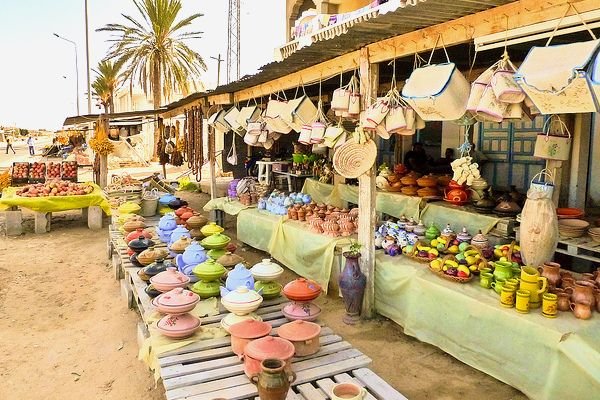
What is Kabis famous for? The city is known primarily for its traditional souks, or markets, and beautiful beaches. Many stalls display impressive cones of green powder. This is the famous Kabis henna. It is made from the dried leaves of the evergreen Laussonia inermis tree. This henna has a dark brick-red hue. Tunisian women, especially Berber women, decorate their hands and feet with openwork henna patterns. Henna is also used as a hair conditioner. This treatment not only improves hair condition but also gives it shine and a more intense color.
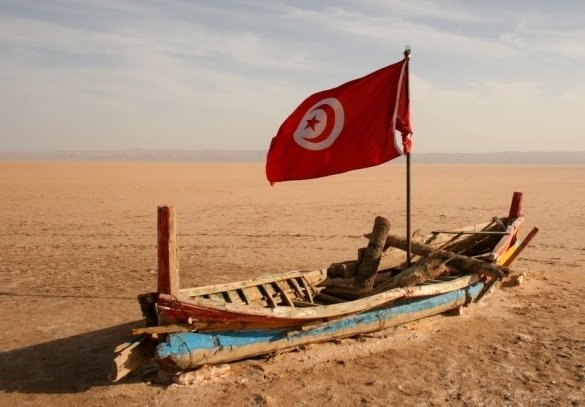
Beaches. The best beaches are located in the south of Gabes. Lemawa Beach, also sometimes called Lemaya, is considered the most beautiful. As the city is now focusing on tourism, a hotel zone is expected to be developed in the near future, and the city is planned to be connected to the capital by a highway.
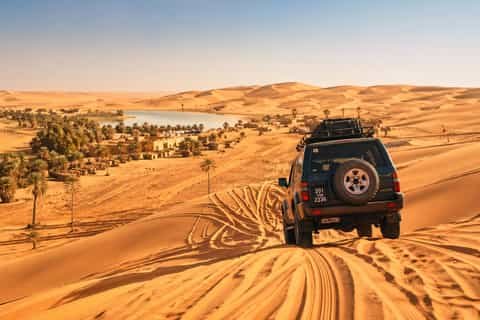
Landscapes. Qa’ebis is renowned for its unique landscape. It’s arguably the only city in the world where mountains, sea, desert, and oasis coexist. It also boasts beautiful gardens and parks. One of these is Habib Thameur, which covers almost 900 square meters.
The Sidi Driss Mosque (often written as Sidi Idriss) is a historic 11th-century mosque located in the oasis and port town of Gabès in southeastern Tunisia. It is one of the most important and oldest religious and historical landmarks in the region. Key Information: History: The mosque dates back to the 11th century. For centuries, it served as an important spiritual center for the local Arab and Berber communities. Architecture: It represents the classic, austere style of traditional southern Tunisian religious architecture. Today, the mosque continues to serve local residents as an active place of prayer. Location: Located in the historic part of Gabès, near the former Grand Jara market.
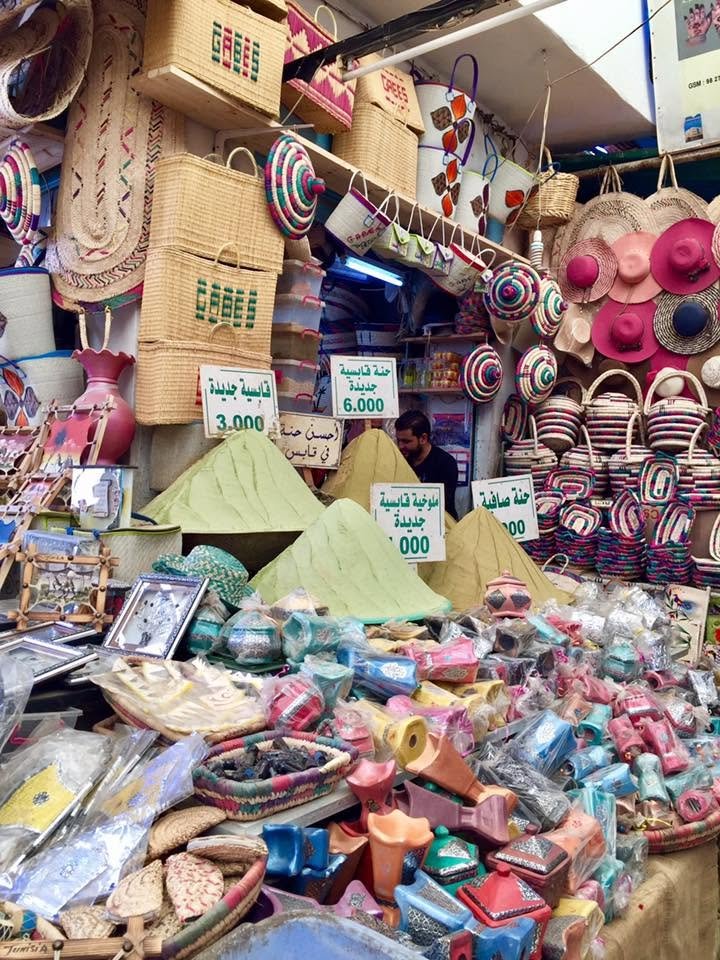
The Old Souk Jara (also known as Souk Jara) is the historic heart and main tourist attraction of the coastal town of Gabès, Tunisia. This bustling traditional bazaar is renowned for its unique atmosphere, aromas, and products found nowhere else in the country. What’s worth knowing about the El Jara market? Famous henna and spices: Gabès is a palm oasis renowned for cultivating the highest quality henna. At the Jara market, you can buy natural henna powder, traditional cosmetics, and unique spice blends, including the local mloukhiya. Palm leaf handicrafts: The bazaar is renowned for its wickerwork. Vendors offer beautiful, hand-woven baskets, bags, and hats made from date palm leaves. A dark history: In the distant past, Grand Jara was one of the main slave trade centers in this part of Africa. Traditional Architecture: The market has retained its traditional layout, with narrow alleys, covered passages, and stalls that allow for an authentic experience of the Tunisian south. Location and Surroundings: The market is located in the center of Gabès, a city that serves as a gateway to the Saharan part of Tunisia. A short distance from the market, the historic 11th-century Sidi Driss Mosque is worth seeing. Gabès is also a great base for exploring nearby Matmata, known for its troglodyte dwellings and the film sets for Star Wars.
The Gabès Museum of Popular Arts and Traditions is one of the most important cultural institutions in the southeastern region of Tunisia. Below is some information about this facility: Architecture and history of the building. Historic location: The museum is housed in a former madrasa (Quranic school) built in 1692 during the reign of the Muradian dynasty. Religious complex: The building consists of former lecture halls, a mosque, and small rooms that once served as student dormitories. The building is distinguished by its elegant, austere architecture and central courtyard. Neighborhood: The museum is located right next to the famous mausoleum of the city’s patron saint, Sidi Boulbab al-Ansari.
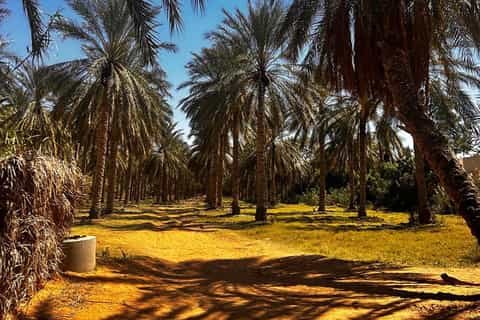
Gabès Oasis. The cultural, aesthetic, and natural values of this coastal oasis are so extraordinary that it was added to the UNESCO World Heritage List in 2008. The local vegetation has become home to a vast array of animal and bird species. The oasis covers 2,500 hectares and includes date palms, apricots, grapes, lemons, olives, tomatoes, carrots, peppers, melons, onions, pumpkins, and more. Tunisians are reluctant to visit Gabès, believing it to be the most polluted city in Tunisia. Despite this negative reputation, it’s worth a stop, even if only for a short while, primarily for its beauty.
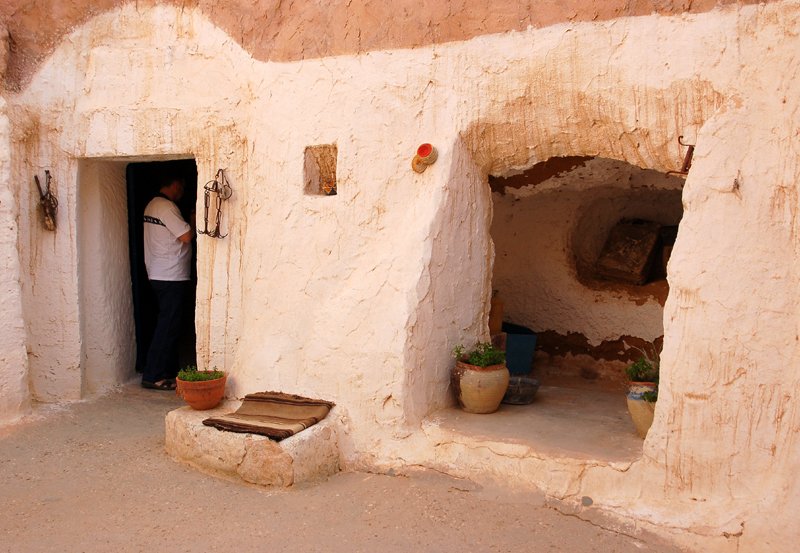
A star village. Moreover, just 45 km southeast of the city of Gabès lies the fascinating Berber village of Matmata. Centuries ago, the local population moved their homes underground to escape the scorching sun. Thanks to its lunar landscape, this place served as the backdrop for several scenes in the film Star Wars. Matmata was depicted as Luke Skywalker’s home planet.
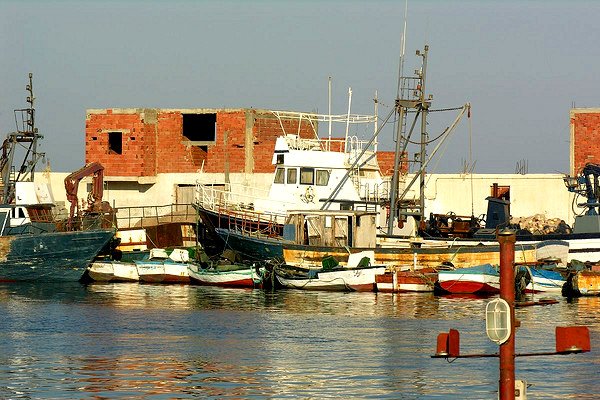
The fishing port of Gabèse is one of the key ports in southeastern Tunisia, located on the Gulf of Little Sirte. It forms an integral part of the local port complex (alongside the much larger industrial and commercial port) and reflects the region’s deep maritime traditions. The port’s characteristics and specificity: Traditional crafts: The best time to visit the port of Gabèse is early in the morning. This is when cutters and boats bring in the night’s catch, and fish are sorted and nets are mended on the quayside. The richness of the bay: The Gulf of Gabès is one of the most important and unique marine ecosystems in Tunisia. This region is famous for fishing for tuna, shrimp, octopus, and sponges, among other things. Authentic atmosphere: Unlike resorts in the north of the country or nearby Djerba, Gabès is not dominated by mass tourism. The port retains the austere, everyday character of a workplace for the local community. Current ecological and economic challenges. In recent years, the port and its fishermen have faced serious crises: Industrial pollution: Gabès is a major phosphate processing center. Industrial waste (phosphogypsum) discharged into the bay has drastically impacted environmental degradation and the decline of coastal fish populations. Illegal fishing: Kiss trawling (illegal, destructive bottom trawling close to the shore) is a major problem. It destroys underwater seagrass beds (Posidonia oceanica), forcing traditional fishermen to abandon their profession or travel much further out to sea.