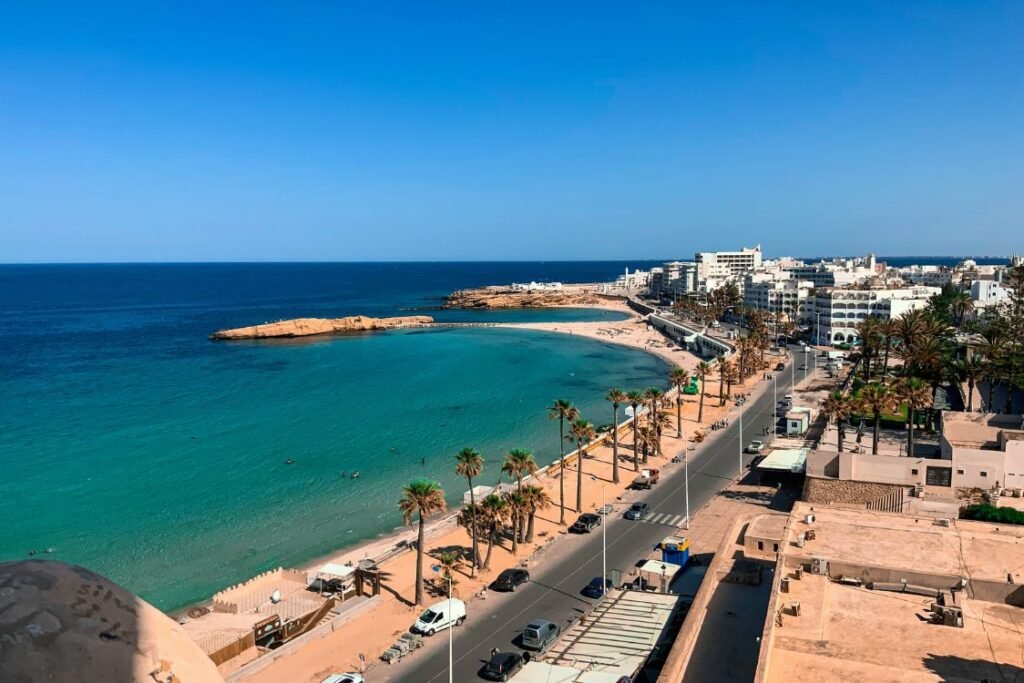
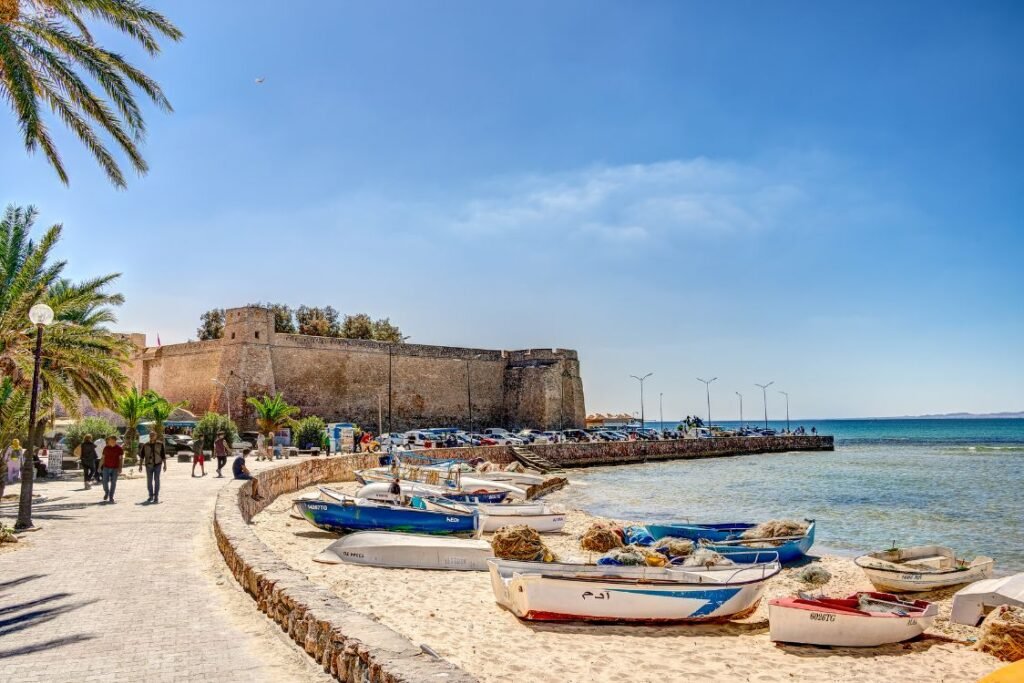
Hammamet is a city in Tunisia, located on the Mediterranean Sea in the southwest of the Al-Watan al-Qibli (Cap Bon) peninsula. Its beaches make it one of the region’s main tourist resorts. The old town is rich in historical monuments. Hammamet boasts a very old medina. The city is characterized by relatively high temperatures year-round, a beautiful beach, and the turquoise waters of the Mediterranean Sea. It is located near three airports: in Tunis, the capital of Tunisia, in Monastir, and in Enfidha.
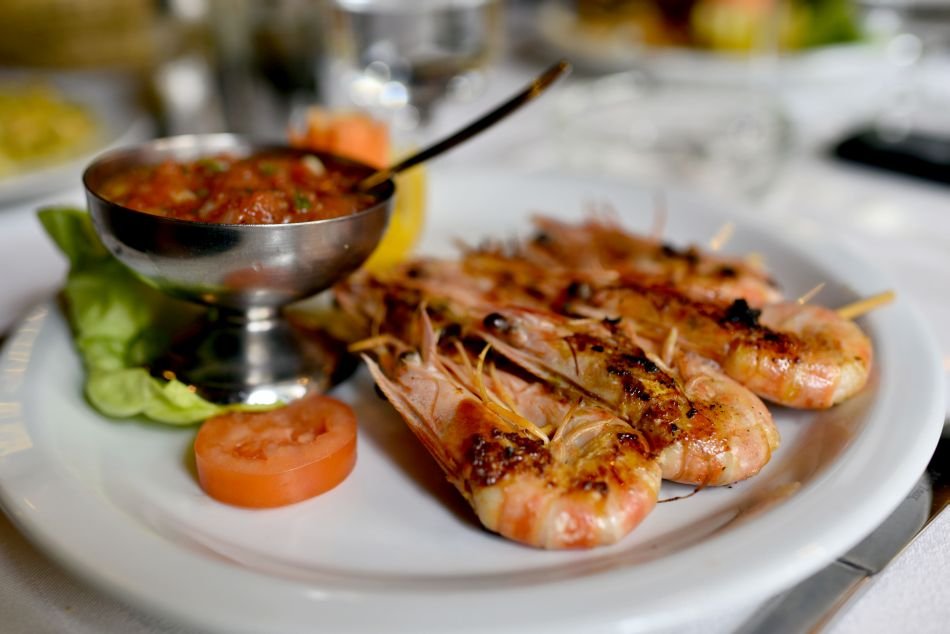
Hammamet’s local cuisine is a blend of Mediterranean, Arabic, and Berber influences. Dishes are based on fresh vegetables, seafood, olive oil, and aromatic spices like harissa and cumin. Couscous, crispy briks with egg, grilled fish, and spicy stews are the dominant dishes. What to order in restaurants?
Lablabi: a traditional chickpea-based soup, often served for breakfast.
Couscous: steamed barley with lamb, vegetables, and harissa.
Brik: crispy filo pastry filled with egg, tuna, or meat, fried until golden.
Seafood: fresh squid and shrimp straight from the sea, often grilled. Makroud: crispy pastries stuffed with date paste, coated in sesame seeds and drizzled with honey, served with mint tea.
Lella Fatma is a popular spot, offering delicious Tunisian cuisine. It’s primarily known for its seafood and couscous dishes. Its location overlooking the sea and fort makes dining a pleasant experience. Le Barberousse also has excellent reviews, serving exquisite cuisine and excellent wines from its extensive cellar. An additional advantage is the stunning view of the bay. It’s the perfect spot for a romantic dinner in a historic building by a palm tree garden.
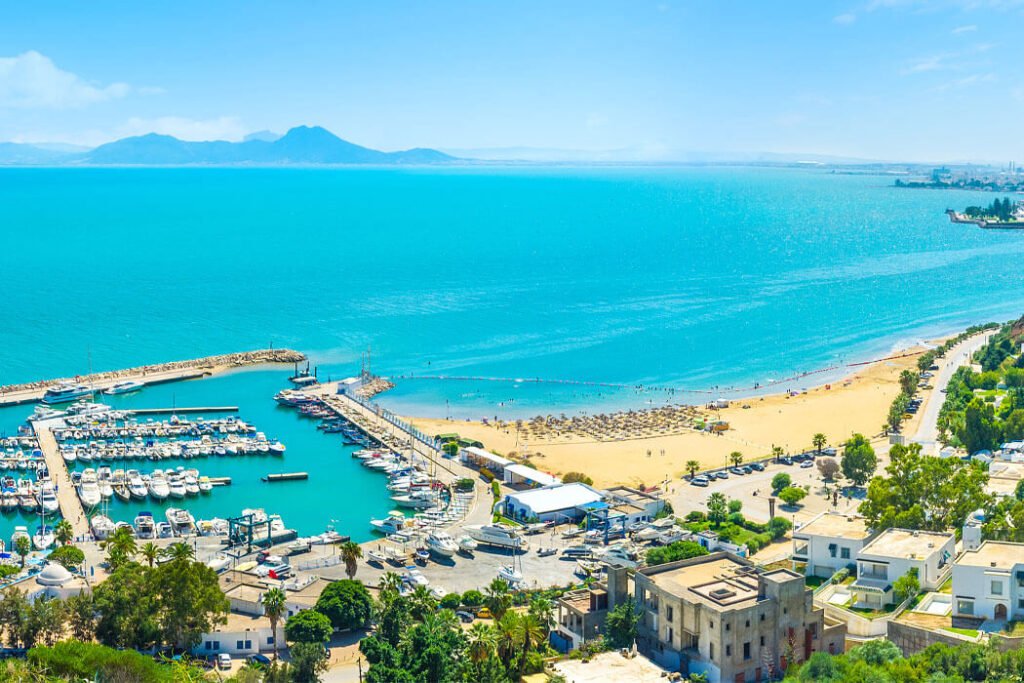
Weather. Hammamet has a Mediterranean climate – warm and dry summers and mild, rainy winters. The sea warms to around 25-27°C during the peak season, providing ideal conditions for swimming. The best times to visit are from May to June and from September to October. These periods offer pleasant warmth (around 24-29°C), fewer tourists, and lower prices. During the summer season (July to August), you can expect up to 11-12 hours of sunshine per day, but be careful of the heat. Winter, on the other hand, is the perfect time for sightseeing without the beach.
January to March: The beginning of the year is slightly cooler, with temperatures around 15-20°C, and the weather can be changeable with occasional rainfall and moderate winds. This is a good time to explore the medina, stroll along the coast, and discover the historical sites without the crowds.
April–June: Spring brings plenty of sunshine and warmth (around 20–28°C), gradually warming the sea. During this period, sunbathing, swimming, and active sightseeing are possible.
July–August: Summer is hot and dry, with temperatures often exceeding 30–35°C. The peak tourist season is the best time for swimming, water sports, and enjoying the charms of seaside resorts.
September–October: Autumn is still warm (around 20–30°C), and the sea remains warm for a long time. Conditions are ideal for a quiet holiday, sightseeing, and relaxing on the beach.
November–December: At the beginning of winter, temperatures drop to around 15–20°C, and days become rainier and windier. Nevertheless, for most of the time, the weather is conducive to visiting historical sites and discovering the city’s charms in a more intimate atmosphere.
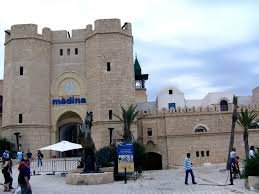
Hammamet is urban and dynamic, with easy access to flights (Enfidha and Monastir airports). The climate in Hammamet is warm but slightly humid, with the best period being from April to November (20-31°C). Hammamet’s beaches are wide, sandy strips with amber sand, hotel sections, and water sports. Hammamet has an urban character with a vibrant nightlife, as well as the attractions of the Yasmine Marina and the medina. Hammamet is accessible in approximately 30-60 minutes from its three airports.
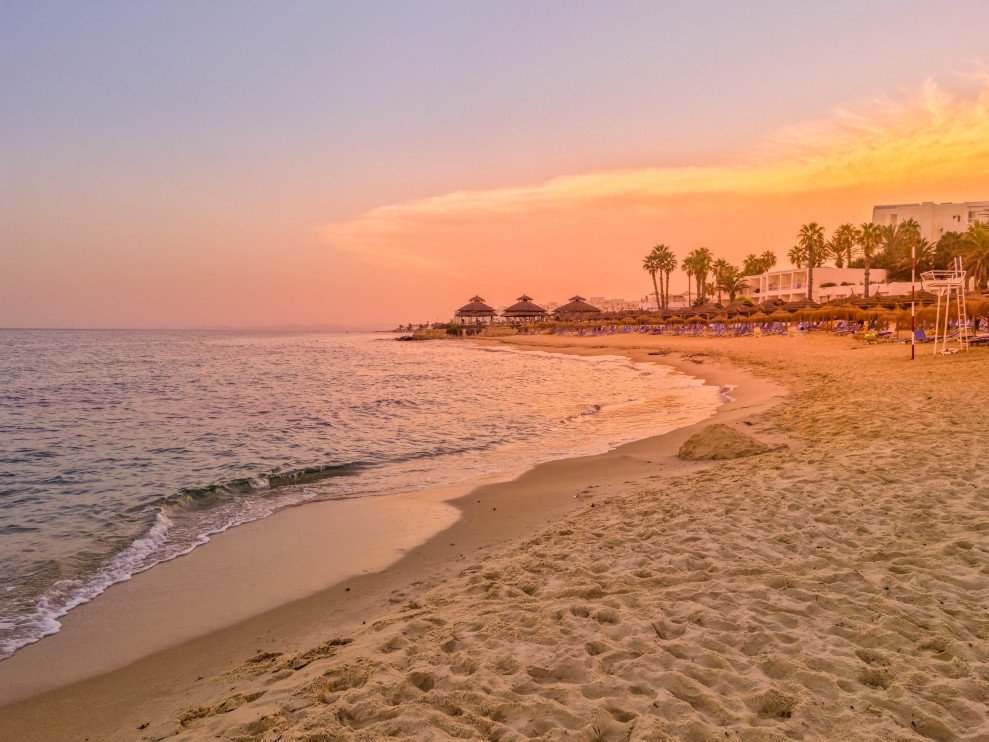
Beaches. Hammamet is famous for its wide, sandy beaches, up to 14 km long, ideal for relaxation and water sports.
Hammamet’s main beach – wide, with fine amber sand; sunbeds and umbrellas available for rent; windsurfing and water skiing.
Yasmin Hammamet – crystal clear waters, water sports (including banana boats and scooters); hotels with amenities nearby.
Nozha Beach – a well-known beach 10 km from the center; soft sand, palm trees, bars, and a gentle slope into the sea.
Maamoura – quiet, with cliffs, less crowded, ideal for relaxation.
El Mrezgua – a public beach, popular with locals; a wide expanse without crowds.
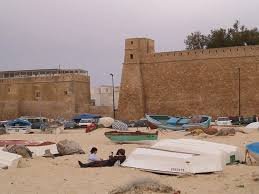
Hammamet Fort (also known as the Kasbah of Hammamet) is a 15th-century historic fortress located directly on the Mediterranean Sea, in the heart of Hammamet’s old medina. It is one of the city’s most important historical attractions, offering visitors a unique blend of Islamic military architecture and stunning panoramic views. Unforgettable views: The main reason to visit this site is to climb its towering ramparts (defensive walls). From here, you can enjoy a spectacular panorama of the Bay of Hammamet, sandy beaches, the port, and the blue-and-white rooftops of the old medina. Military Architecture: The fortification is characterized by thick stone walls, watchtowers, and an inner courtyard that once served as a rallying point for soldiers repelling attacks by pirates and invaders. Atmospheric Café: On the ramparts, there is a small café where you can relax and enjoy a traditional Tunisian mint tea. Small Museum: Inside the complex, there is a small museum space displaying historical artifacts and information boards (mainly in French).
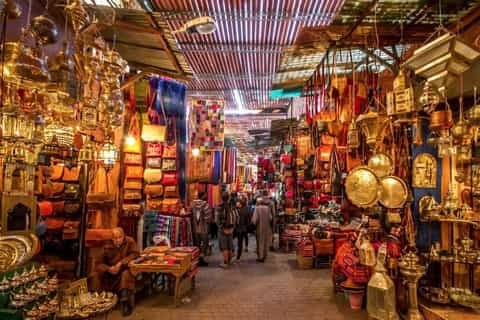
The bazaar and local shops. Shopping in Hammamet is concentrated in two main areas: the Old Medina (traditional bazaars and souks) and the tourist district of Yasmine Hammamet (fixed-price shops and shopping malls). Here’s a complete guide to local markets, shops, and the art of haggling. Traditional bazaars and medinasThe Old Medina of Hammamet – a 15th-century labyrinth of narrow, white-washed streets right by the sea. Inside, you’ll find hundreds of small stalls and the traditional Medina Shop. Here you’ll find spices, pottery, carpets, clothing, and souvenirs. The vendors here can be very pushy and loud.The New Medina of Yasmine Hammamet – a modern complex styled after a traditional Arabic city. The atmosphere here is somewhat more relaxed, and the souks have been adapted to accommodate mass tourism. Friday’s Great Nabeul Market (Camel Market) – a huge regional market in the neighboring town of Nabeul (about 15 km from Hammamet, easily accessible by taxi or bus). Once a camel trader, today it is one of the largest markets in North Africa, selling ceramics, handicrafts, and spices.
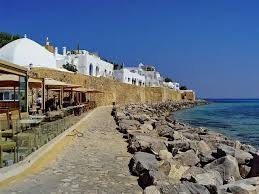
Why is it worth visiting?
Hammamet is a popular tourist resort in northeastern Tunisia, located on the Mediterranean Sea, on the Cap Bon peninsula. It is located approximately 60 km southeast of Tunis, in the Nabeul region. It is popular for its beautiful beaches, historic center, and pleasant Mediterranean climate. The city has a typical seaside atmosphere. Tourists are drawn to its wide, sandy beaches with amber sand and the historic center with its medina, citadel, and 13th-century Great Mosque. The best way to reach Hammamet is by plane, to the airports of Enfidha-Hammamet (approx. 48-52 km, 27-36 min transfer), Monastir (approx. 65 km), or Tunis-Carthage (approx. 60-99 km). Direct charter flights to Enfidha or Monastir are popular, with taxi or bus transfers available.
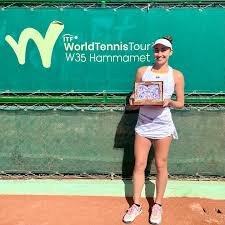
The Hammamet Open in Tunisia is a fixture on the ITF World Tennis Tour calendar (for both men and women) and the ITF Junior Tour. Matches are played in the tourist resort of Hammamet on a traditional clay surface. Key information about the tournaments in Hammamet: Level of competition: These are primarily tournaments for professionals just starting their careers – M25 (men) and W35 (women), with a prize pool typically of $25,000. Junior tournaments: Prestigious, high-level youth tournaments, such as the J200 Hammamet, are also regularly held.
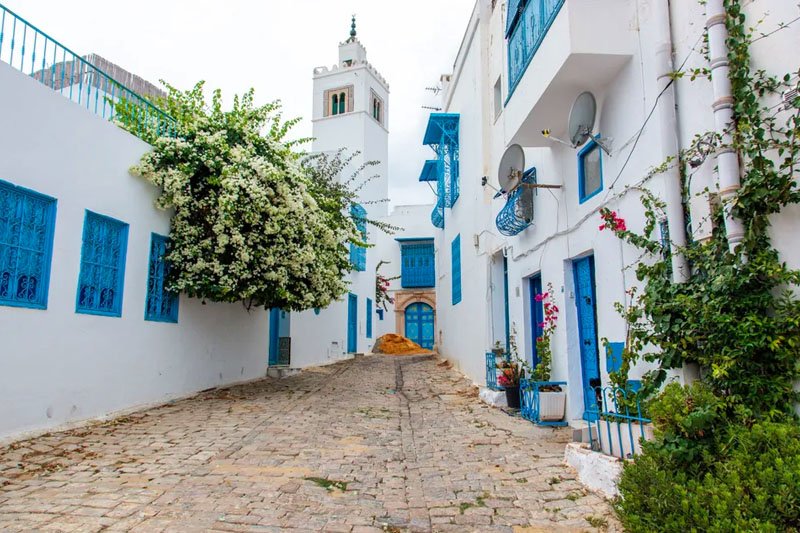
The poetic nickname “City of Jasmine” comes from the pervasive scent of blooming jasmine bushes and the Yasmine Hammamet tourist area. Street vendors selling small, intricately woven jasmine bouquets (machmoum) are a tradition in this region, symbolizing Tunisian hospitality. The main areas of the city: Traditional Hammamet: The historic center with its white Arabic architecture, historic Medina, and traditional lifestyle. Yasmine Hammamet: A modern, luxurious tourist district located approximately 5-12 km south of the historic center. It is famous for its wide, sandy beach, elegant marina, numerous all-inclusive hotels, and Carthageland amusement park.