
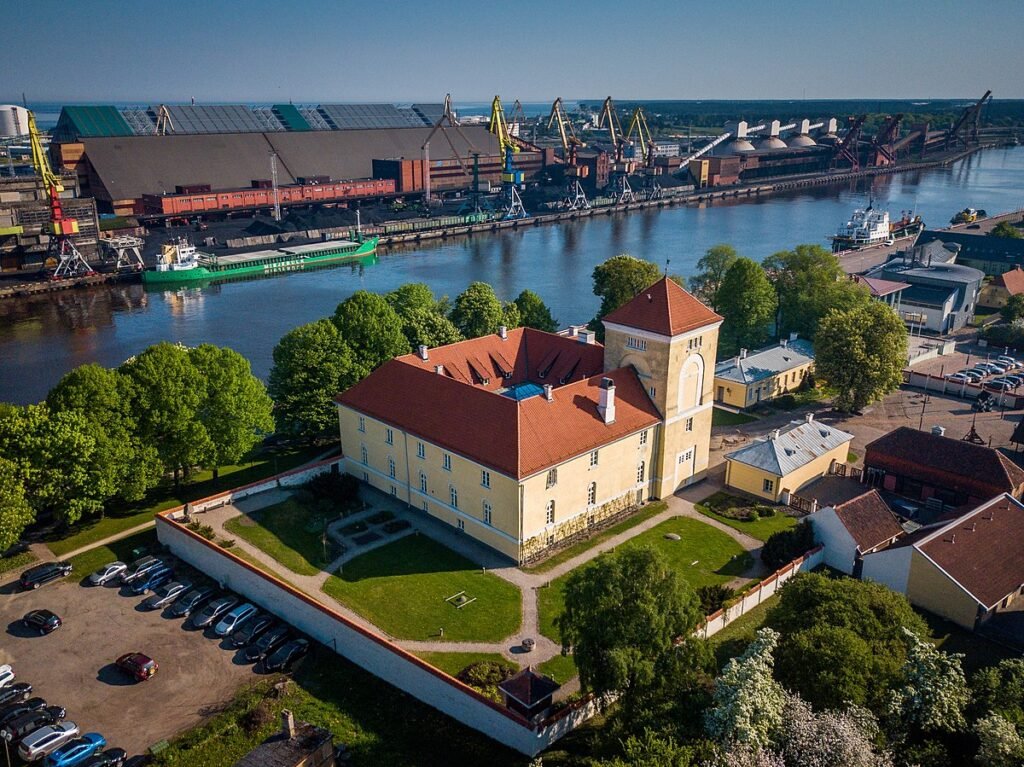
Ventspils is a city in Latvia, a separate city, located on the Baltic Sea, at the mouth of the Ventspils River (Venty), in the western part of Courland, a large non-frosting transshipment port (mainly fuels and mineral resources from Russia) and passenger port (connections with Lübeck, Rostock, Karlshamn, Nynäshamn and the island of Saaremaa), has an airport, an academic, tourist and sports center (the Latvian Olympic Center, the FK Ventspils football club and the BK Ventspils basketball club).
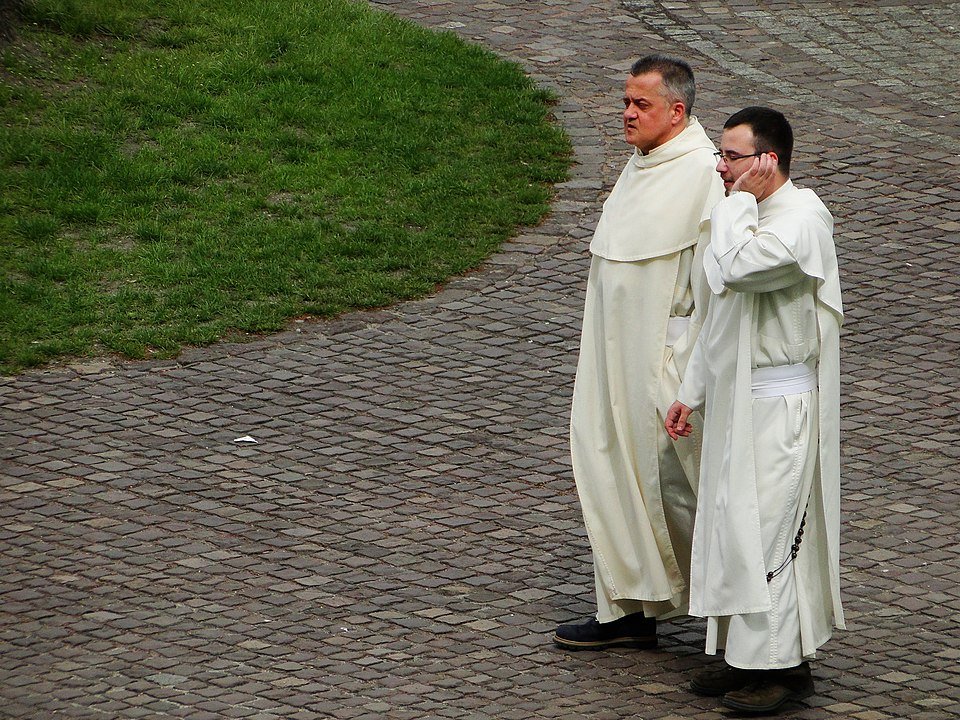
*A bit of history. The city was first mentioned in chronicles in 1290. Ventspils was founded by the Livonian branch of the Teutonic Order, which ruled the lands of present-day Latvia in the 14th century. The monks built a castle at the mouth of the Ventspils River, around which a trading settlement developed. In 1378, it received city rights and was also a member of the Hanseatic League. Already at that time, an important port was established. From 1561, Ventspils belonged to the Duchy of Courland and Semigallia, a fief of the Polish-Lithuanian Commonwealth. In 1659, it was conquered by the Swedes under Douglas. In 1795, it was incorporated into the Russian Empire. Since the 19th century, it has been a significant center of Latvian culture. Until 1914, it was a major export center for grain, flax, and timber. In 1905, during the revolution that also spread across Latvia, workers’ protests erupted in Ventspils, and the revolutionaries temporarily took de facto control of the city. During the Nazi occupation, in July 1941, the Germans established a ghetto for Jewish residents. It housed approximately 1,000 people. In August 1941, the Germans finally liquidated the ghetto, and the Jews were murdered in a forest on the road to Kuldiga. The perpetrators were Latvians from Riga from the so-called Arajsa Kommando and a local “self-defense” company. Until the renewed Soviet occupation in 1945, the city was a center for mass exodus of Latvians across the Baltic Sea to Sweden. Currently, it has the highest GDP per capita in the country and the lowest unemployment rate. In 1989, a branch of the Union of Poles in Latvia was established in Ventspils. In 2004, the Pauline Fathers came to Ventspils, took over the Roman Catholic parish of the Exaltation of the Cross and began building a monastery and sanctuary of Our Lady.

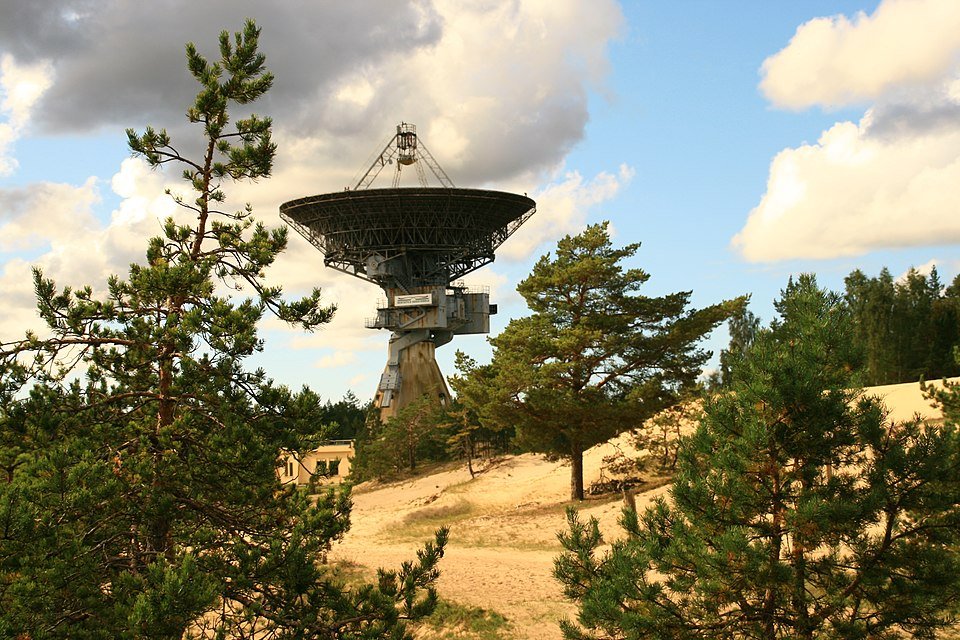
*Sightseeing and tourism. Ventspils boasts a preserved Teutonic castle from the late 13th century, with priceless murals. It houses a city history museum. The old town is characterized by low-rise buildings, mostly wooden. Tirgus Street has a typically urban character. Jūrmala Park houses an open-air anchor museum and a narrow-gauge railway. On Jūras iela (Morska Street) stands the classicist Catholic Church of the Holy Cross with its historic interior. On Tirgus laukums (Market Square) stands the classicist Lutheran Church of St. Nicholas. Also worth seeing are the Ostgals promenade and the open-air museum. Ventspils Beach has held the Blue Flag since 1999. The southern pier at the entrance to the port is open to visitors. Less than 30 km northeast of the city center is the Ventspils International Radio Astronomy Center (VIRAC), established during the Soviet era. Until 1994, the existence of these facilities was kept strictly secret.
*Teodors Grīnbergs (born April 1870 in Dundaga, Courland; died June 1962 in Esslingen, West Germany), Latvian Lutheran priest, teacher, and member of the Riga Seimas. After graduating from high school in Mitau, he studied at the Faculty of Theology in Dorpat, graduating in 1896. He also studied philosophy and history. After graduation, he took a job as a home tutor and assistant pastor in Pope, Courland. In 1899, he became a vicar in Lutrini, after which he served as pastor in Ventspils from 1907 to 1934. He also served as director of the local Latvian gymnasium from 1919 to 1932. He was also involved in the country’s political life, serving as a member of the Latvian Seimas from 1922 to 1923 on the National Christian Union ticket. In 1932, he was elevated to the rank of Lutheran Archbishop of Latvia. In addition to his religious ministry and political work, he taught theology at the University of Latvia in Riga (until 1940). In 1943, he was among the signatories of a letter from the Latvian intelligentsia demanding that the occupying German forces respect the fundamental rights of the Latvian nation. After 1945, he lived in exile, where he headed the Latvian Lutheran Church in exile until his death.
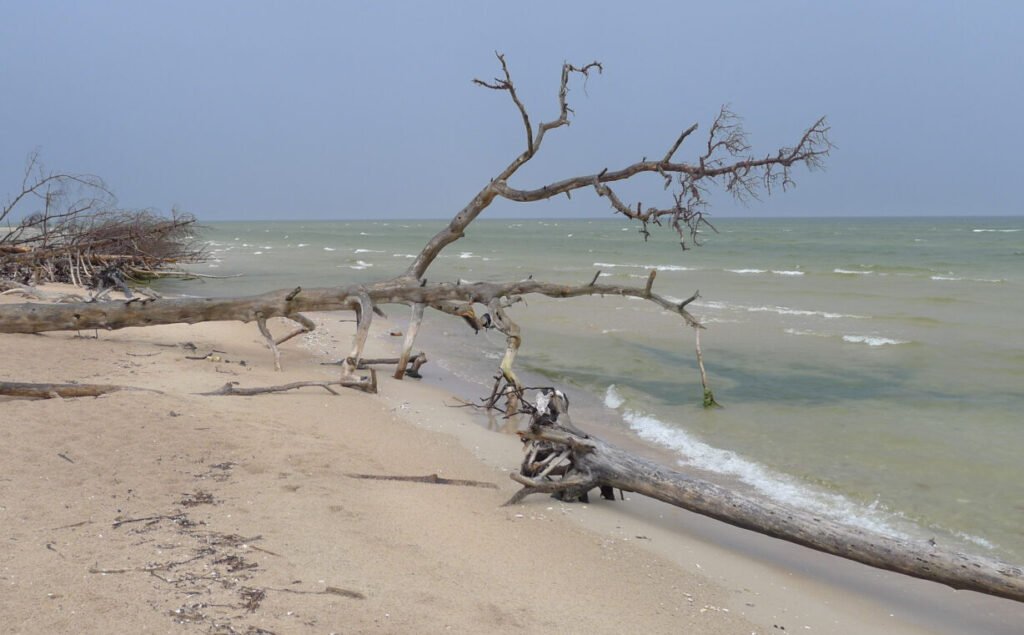
*A charming amber beach, Ventspils is famous for its wide beaches where you can find unique amber washed up on the Baltic Sea.

*A unique sand sculpture festival, every summer the city hosts a spectacular event where artists from around the world create impressive sand sculptures.
*City cuisine. Ventspils is famous for its dishes inspired by the sea and local traditions. Be sure to try:
- Sklandrausis – a traditional carrot and potato tart,
- Smoked fish – available at local markets,
- Šproty – Latvian sprats in oil,
- Try these dishes at the “Ostas Skati” restaurant or at the fishing market.

*The weather in Ventspils varies greatly and depends on the season. In summer, from June to August, temperatures hover around 20-25°C, perfect for sunbathing and strolling along the Baltic Sea. In winter, especially in January and February, temperatures drop to around -5°C, transforming the city into a charming winter wonderland, perfect for leisurely sightseeing. If you’re traveling in spring or autumn, you can expect a mild climate with temperatures around 10-15°C. This is an excellent time to visit local attractions, such as the Ventspils Port or city parks. It’s worth remembering that regardless of the month, the weather can be unpredictable, so it’s always worth packing warmer clothes and a raincoat.
*Transportation. The best way to get around Ventspils is by using city buses; they are convenient and inexpensive. Alternatively, bicycles are available for rent at several locations around the city. Transportation apps. Apps such as Bolt and Yandex Taxi are available in Ventspils. They are a convenient and affordable solution when public transportation is less available. Car rental. Renting a car is convenient for those planning to explore the surrounding area. The roads are of good quality, and traffic flows on the right-hand side, similar to Poland. Parking in the city center can be difficult during peak season, so it’s worth looking for dedicated parking lots.