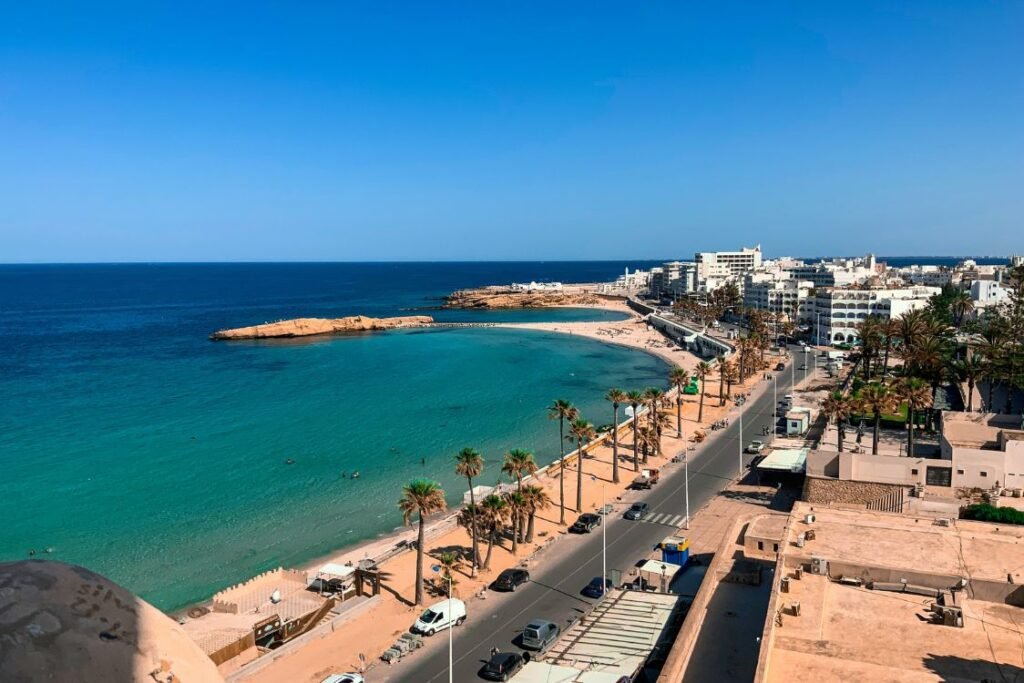
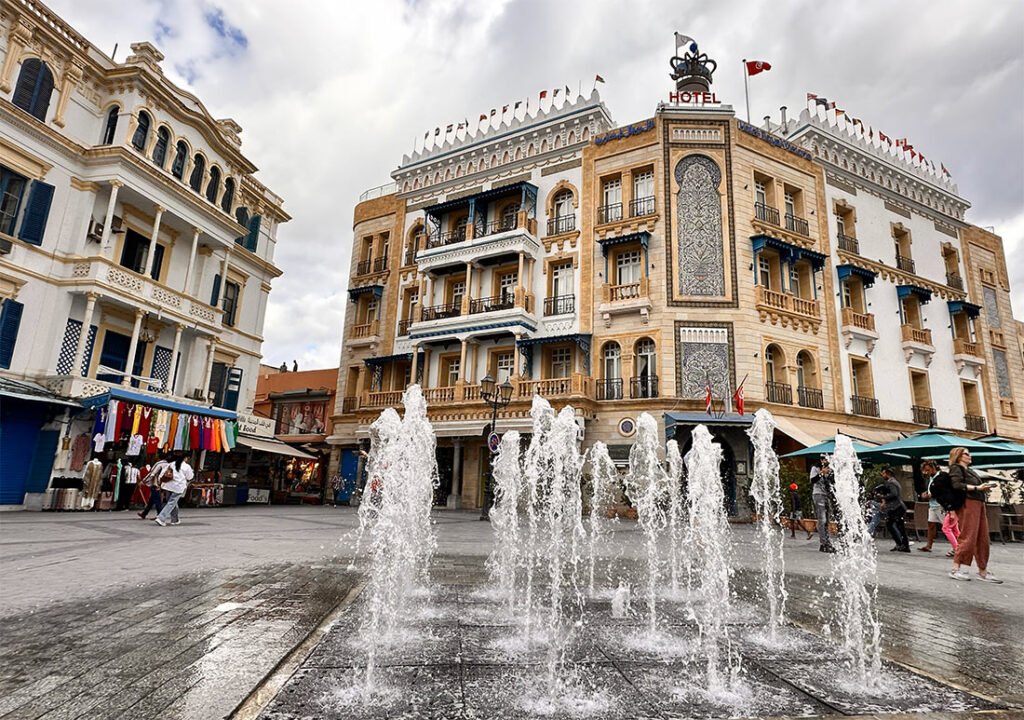
Tunis, the capital of Tunisia, is located approximately 10 km from the Gulf of Tunis in the Mediterranean Sea, on the western shore of Lake Tunis. The city is approximately 17 km southwest of the ancient city of Carthage. Tunis is the largest cultural and economic center of Tunisia. It houses important seaports, airports, and road and rail junctions. It is one of the most important tourist destinations in Tunisia.
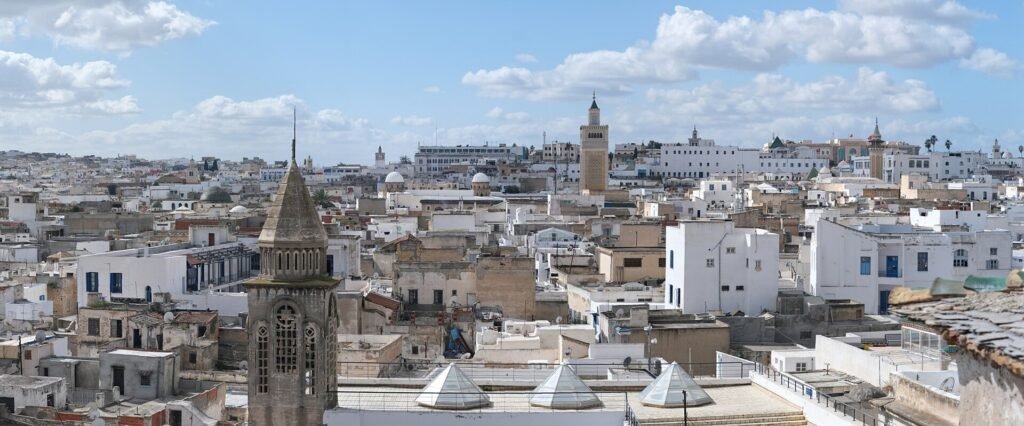
The history of the city. Tunis dates back to antiquity, when it was founded as a Phoenician trading settlement called Tunes. From around the 7th century BC, it was under Carthaginian rule. During the Third Punic War, it was destroyed by Roman forces in 146 BC. Later, it was rebuilt by Emperor Octavian Augustus. After the weakening of the Western Roman Empire, the city became the domain of the so-called “barbarians from beyond the limes.” It was conquered by the Vandals-Silingas, who migrated from the Sudetes and Beskids through Baetica (now Andalusia). In the 7th century, the area was under Berber rule under their queen, Dihya. The queen lost the war to the invading army of the Umayyad Caliphate, composed primarily of Arabs. The conquest of the surrounding area spurred the city’s rapid development; from 698 onward, a local medina emerged, laying the foundation for Tunis’s prosperity. In the 12th century, Tunis became the country’s capital and a center of piracy in the Mediterranean. From the 16th century, the city fell under Ottoman rule. The French occupied Tunis in 1881. Since 1956, Tunis has been the capital of independent Tunisia. In 1985, quarters near Tunis (where Yasser Arafat had taken refuge after Israel’s invasion of Lebanon) were bombed by Israeli F-15 aircraft, killing approximately 80 civilians.
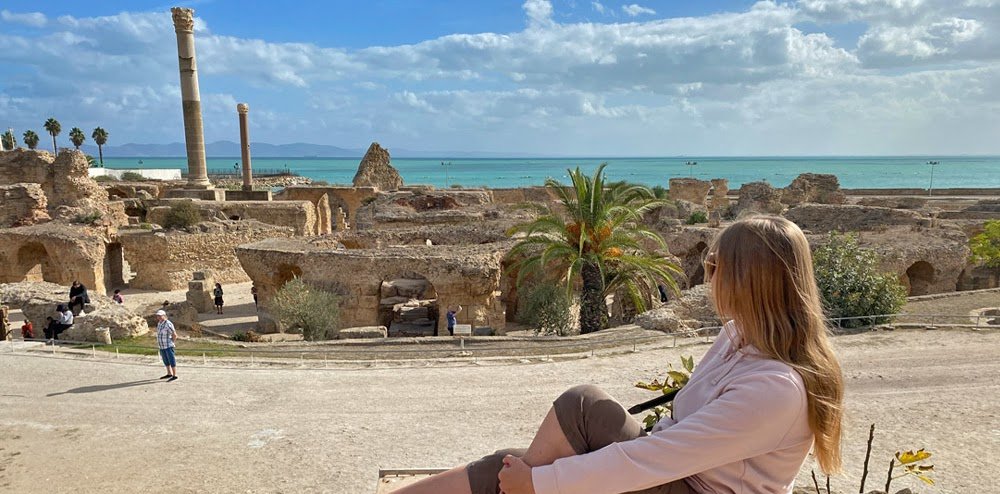
What to see in Tunis: There are many interesting places to visit, such as:
Medina – The old town with narrow streets, bazaars, and traditional shops.
Ruins of Carthage – A historic site that attracts tourists with its architecture and history.
Bardo Museum – Its collection of Roman mosaics is one of the most important in the world.
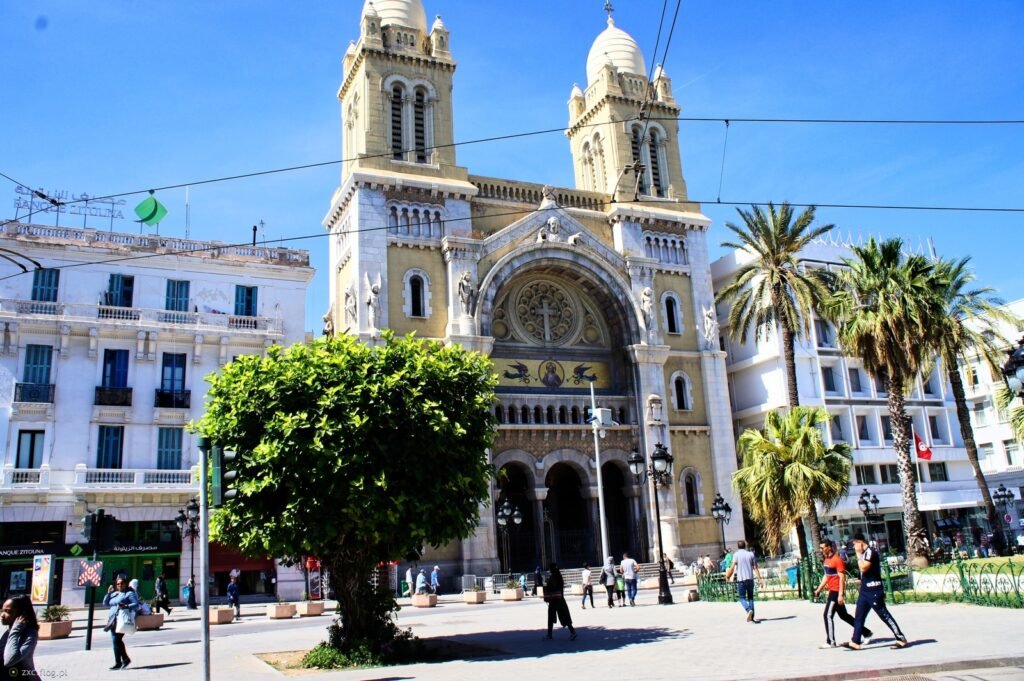
When to go on vacation? The optimal times for a vacation in Tunis are spring and autumn. The weather is pleasant compared to the scorching summer months, and you can avoid the crowds. Best months: May, September, and October. Regardless of your travel dates, it’s worth checking the weather forecast before departure to best plan your vacation.
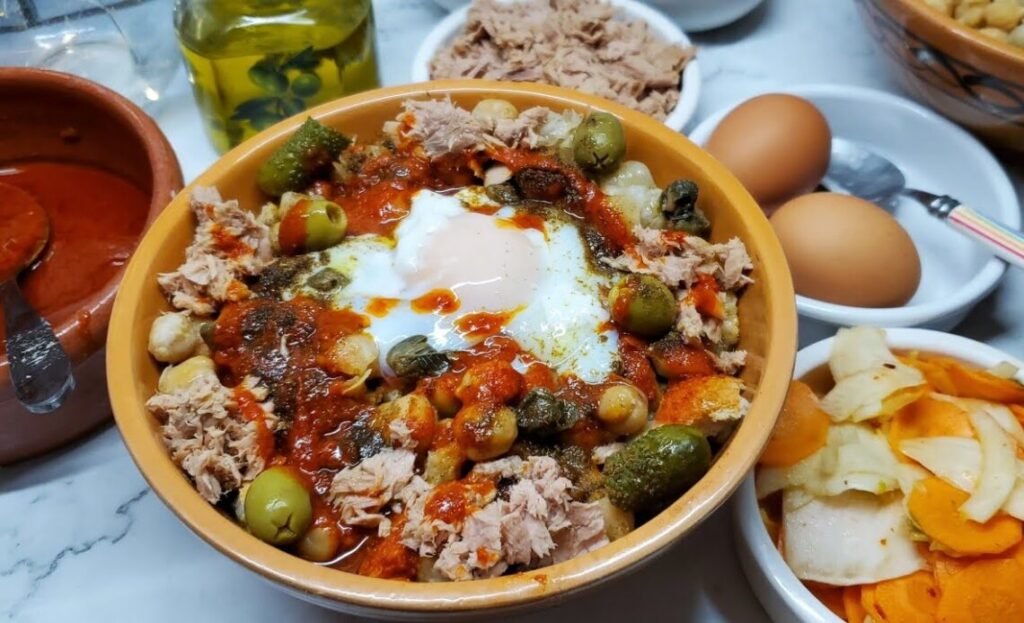
Tunisian cuisine is a fusion of different cultures that have coexisted in the country for centuries. Thanks to Arabic, Berber, French, and Mediterranean influences, the dishes are diverse and incredibly delicious. It’s worth noting that this cuisine is dominated by spices, fresh ingredients, and cooking techniques rooted in folk traditions.
Key Ingredients
Bulgur wheat is often used as a side dish.
Rice is a popular ingredient in many dishes.
Pasta – especially in the form of couscous, served with various sauces.
Meat – most commonly lamb, chicken, and beef.
Seafood is popular in the coastal regions of the country.
Vegetables – especially peppers, eggplant, tomatoes, and onions.
Spices – including cumin, saffron, cinnamon, and chili.
Typical Dishes
Couscous – a dish made with steamed semolina, often served with stewed meat and vegetables. Brik – a thin pastry filled with various fillings, most often egg and tuna, fried until golden brown.
Chakchouka – a dish consisting of tomatoes, peppers, onions, and spices, usually served with eggs.
Harissa – a spicy paste made of chili, olive oil, and spices, used as a side dish.
Sfihas – Tunisian dumplings stuffed with meat.
Desserts in Tunisian cuisine often use nuts, honey, and fruits. The most popular include:
Baklava – layers of filo pastry with nuts, drizzled with honey.
Makroud – a semolina pastry filled with dates or nuts.
Passion fruit ice cream – a refreshing dessert perfect for hot days.
Drinks in Tunisia. Beverages are also an important element of the culture:
Mint tea – a traditional drink served both every day and on special occasions.
Cider – an apple-flavored drink that is gaining popularity among tourists.
Tunisian cuisine is a culinary journey that is sure to delight many a gourmet.
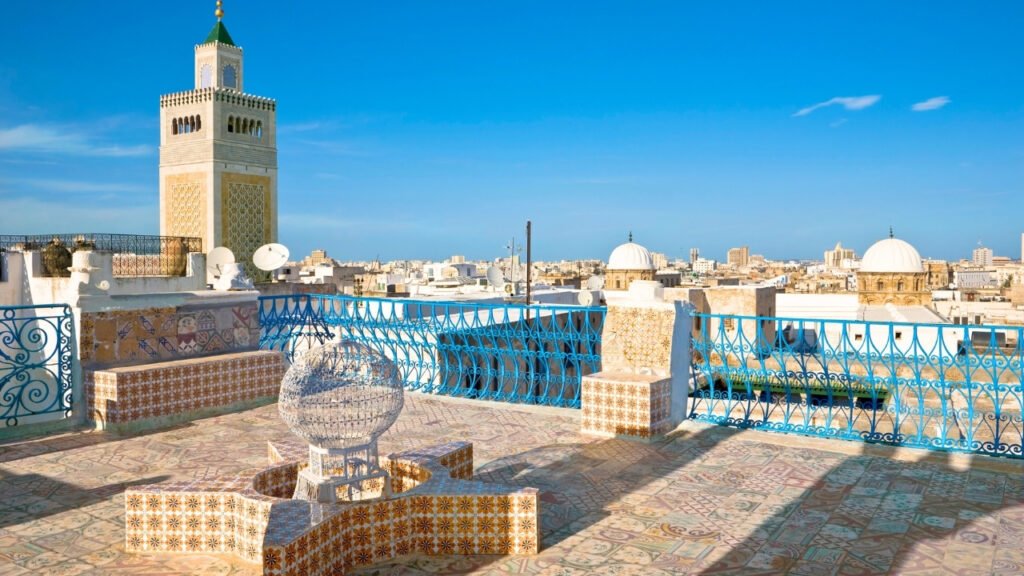
The Medina of Tunis. The Medina is the capital’s historic district, a UNESCO World Heritage Site. Here you’ll find narrow streets, traditional houses, and numerous artisan shops. Worth seeing:
Porte de France – an impressive gate that welcomes visitors.
Great Mosque of Zaytuna – one of the oldest mosques in Africa, with beautiful architecture.
Souq Al-Attarin – a spice market sure to stimulate your senses.
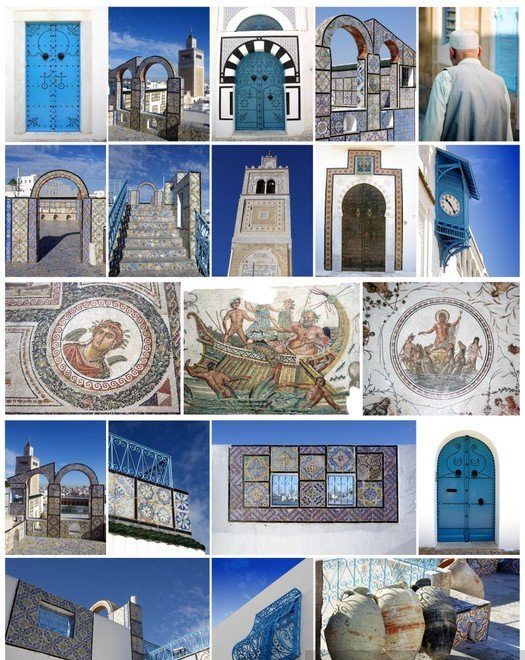
Tunis – Tourist Attractions. Tunis, the capital of Tunisia, is a place that combines rich history with a modern lifestyle. In the heart of the city, you’ll find many interesting tourist attractions. Here are some places worth visiting during your visit to Tunis.
1. Sidi Bou Said
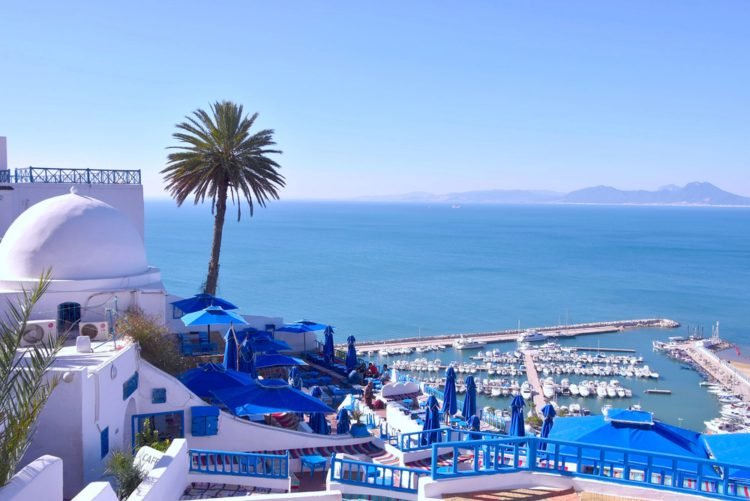
Sidi Bou Said is a picturesque village perched on a hill overlooking the sea. It’s characterized by white buildings with blue shutters. Stroll along the charming streets and:
Visit the Les Délices café to sample traditional Tunisian sweets.
Admire the sunset from the viewpoint.
2. Visit Belvedere Park
Belvedere Park is the perfect place to escape the hustle and bustle of the city. It’s a green space with paths, fountains, and a beautiful pond. Here, you can relax among the trees and admire the views of Tunis.
3. Souk El Attarine. Souk El Attarine is one of the most famous markets in the medina. Here you can buy local handicrafts, perfumes, spices, and other traditional products. Strolling through the souk will give you a real feel for local life.
4. Dar Hussein Palace
Dar Hussein is a 19th-century palace featuring traditional Tunisian architecture and beautiful decorations. It frequently hosts art exhibitions and cultural events.
5. Museum of Fine Arts
This museum houses a rich collection of Tunisian art, including sculptures, paintings, and photographs. It is an excellent place for art lovers who want to explore Tunisian culture.
Practical Information: Tunis is the capital of Tunisia, located in the northern part of the country on the Mediterranean coast. This vibrant city is a blend of modernity and tradition, with a history dating back to Phoenician times. The official language in Tunisia is Arabic, but many people, especially in tourist cities, also speak French. It’s worth knowing a few basic phrases in these languages, which can facilitate communication with locals. Before traveling to Tunis, make sure you have a valid passport. Citizens of various countries may require a visa, but some are exempt for short stays. Always check the latest travel regulations before departure. Tunis has a well-developed public transport network. Buses, trolleybuses, and taxis are available. Public transport prices are relatively low. Renting a car is also worth considering, although city traffic can be quite heavy. Health and safety. Before traveling to Tunis, it’s a good idea to get vaccinated, such as against hepatitis A and B, and ensure you have valid health insurance. It’s best to drink only bottled water to avoid stomach problems. When it comes to safety, it’s recommended to avoid dangerous neighborhoods and exercise caution in crowded places. It’s always a good idea to carry a copy of your ID.