
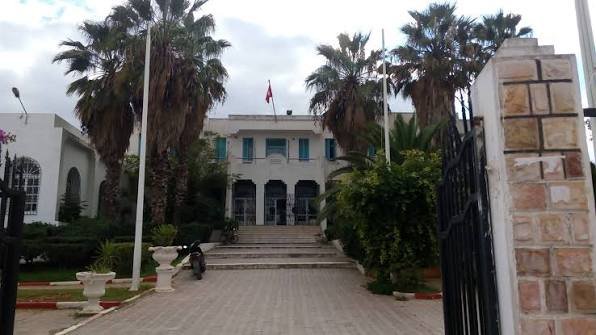
Tadamoun is a city in Tunisia, in the Tunis metropolitan area (Aryanah Governorate). In 2014, it had a population of approximately 143,000 (ranked 4th in the country).

Key Facts and Characteristics: Location: The city lies in the Ariana Governorate. It is a densely populated suburb of the capital. Population: According to the 2014 official census, the town had a population of approximately 143,000. Administrative Division: Formerly, the town operated as a single administrative unit, Tadamoun-Al-Munajhila. In May 2016, a division was made, resulting in the neighboring Al-Munajhila becoming a separate municipality. Socio-Political Significance: As a working-class district of the Tunis metropolitan area, Tadamoun has historically been a major center of demonstrations, social unrest, and economically motivated protests.
Transportation and Access. The city is well connected to key points in the Tunis metropolitan area by public transportation: Getting to the airport: The route from Tadamoun to Tunis-Carthage Airport (TUN) is car-free using metro line 5 (light rail) and bus lines 20 and 635. Getting to the city center and other districts: A network of trams (Metro) and buses provides direct access to key points in the capital. If you’re planning a trip or looking for specific information, whether you’re interested in safety, access to a specific location, or the social history of the region, it’s worth researching this topic.

Al-Tadamun, cuisine. In the Tunisian city of At-Tadamun (Ettadhamen), a densely populated suburb of the capital, Tunis, authentic, spicy, and incredibly affordable street food reigns supreme. Local cuisine is based on bold spices, dominated by harissa (a paste made from hot peppers), olive oil, and tuna. Here are the most popular dishes and snacks you’ll find on the streets of At-Tadamun: Tunisian Street Food and Quick Snacks Fricassee: Deep-fried, savory mini doughnuts filled with harissa, tuna, boiled egg, potatoes, and olives. Brik: Paper-thin malsouka dough, rolled into a triangle or envelope. Inside, it contains a runny egg yolk, tuna, parsley, and capers. The whole thing is fried until crispy. Kafteji: A popular worker’s dish. It’s finely chopped, fried vegetables (zucchini, squash, bell peppers, tomatoes) mixed with a fried egg and served in bread with fries. Casse-croûte tunisien: A classic, filling sandwich on a crispy baguette. Spread generously with harissa, with salad, tuna, and olives. Warming Stews and Soups: Lablabi: A very inexpensive, thick soup made with chickpeas, garlic, and cumin. It’s poured into bowls filled with pieces of stale bread and garnished with tuna, egg, and harissa. Ojja (from Merguez): A spicy one-pot dish made with tomatoes, bell peppers, and garlic, with eggs cracked into it (similar to shakshuka). It’s best served with the regional, spicy Merguez lamb sausages. Traditional Classics: Couscous: The national dish of Tunisia. In the capital region, it is served spicy, most often with vegetables and braised lamb, chicken, or fish. Tajine Tunisien: Completely different from its Moroccan counterpart. It resembles a fluffy, baked omelet or casserole made with eggs, cheese, potatoes, meat, and herbs.
Al-Tadamun, Climate. The city of At-Tadamun (also known as Ettadhamen), part of the metropolitan area of the capital Tunis, has a Mediterranean climate (Köppen classification: Csa). It is characterized by hot, dry summers and mild, wet winters. Average Temperatures and Weather Conditions: Summer (June–September): Daytime temperatures regularly range between 30°C and 34°C, dropping to around 19°C and 22°C at night. Rain is virtually non-existent during this period. Heatwaves caused by the Saharan sirocco wind do occur, raising temperatures above 40°C. Winter (December–February): The weather becomes mild, with average daytime temperatures of 15°C and 16°C and cooler nights (around 7°C and 8°C). This is the main rainy season in this region. Spring and autumn: The transitional periods are very warm and sunny. In April and May, temperatures exceed 22°C, and in October, they hover around 25°C. Precipitation and sunshine: Annual rainfall is around 440–450 mm. The region enjoys very high sunshine, reaching up to 12–13 hours of clear sunshine per day in summer. If you’re planning a trip to this region, considering the month you’d like to visit, and whether you’re interested in sightseeing or relaxation, it’s worth choosing the optimal date in advance.

Al-Tadamun monuments, sightseeing. Al-Tadamun is a densely populated residential and urban area on the outskirts of Tunis. It lacks traditional monuments or typical tourist infrastructure, having developed in the second half of the 20th century as a result of rural migration to the capital. However, its geographical location is a major advantage – it lies right next to the most important historical and cultural treasures of northern Tunisia. Considering Al-Tadamun as a starting point, the most important monuments and attractions are within a short drive. Major monuments and museums in the vicinity (up to 15 minutes’ drive): National Bardo Museum: Located right next to Al-Tadamun (approximately a 9-minute drive), it is one of the most important museums in the Mediterranean basin, famous for the world’s largest collection of Roman mosaics and artifacts from ancient Carthage. Tunis: UNESCO-listed historic center of the capital. A maze of narrow streets lined with 13th-century architecture, traditional souks (markets), the Al-Zaytouna Mosque, and Ottoman-era palaces. Manouba Military Museum: Located in the neighboring Manouba district, housed in the 19th-century Ksar El Rosa palace, it showcases the country’s military history from ancient times to the present.

