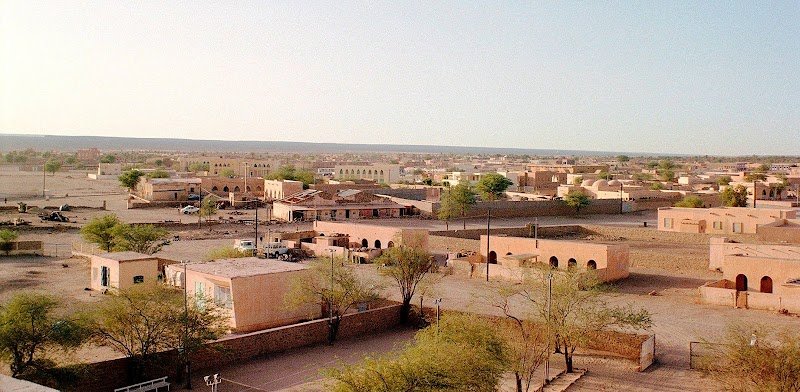
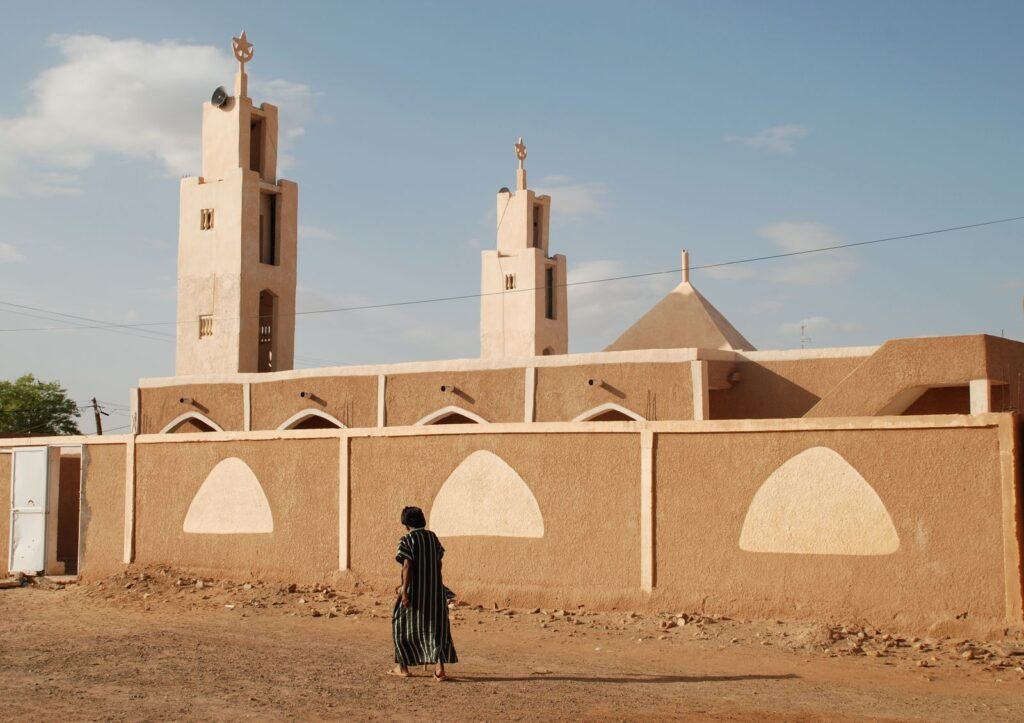
Atar, a city in western Mauritania, nestled in an oasis on the edge of the Sahara, is the administrative center of the Atar District and the Adrar administrative region. It has a population of approximately 33,000. Although for centuries Atar’s importance as a political and religious center remained limited in the region, with nearby Shinkit predominating in these areas, it is now the center of trade and the seat of government. Atar is also frequently visited by tourists due to its proximity to the UNESCO World Heritage Sites of Shinkit and Wadan. It is also a key stop on the annual Paris-Dakar Rally. The city is connected to Nouakchott by a paved road. An international airport operates here, serving flights to Paris, Nouakchott, and Zouérat.
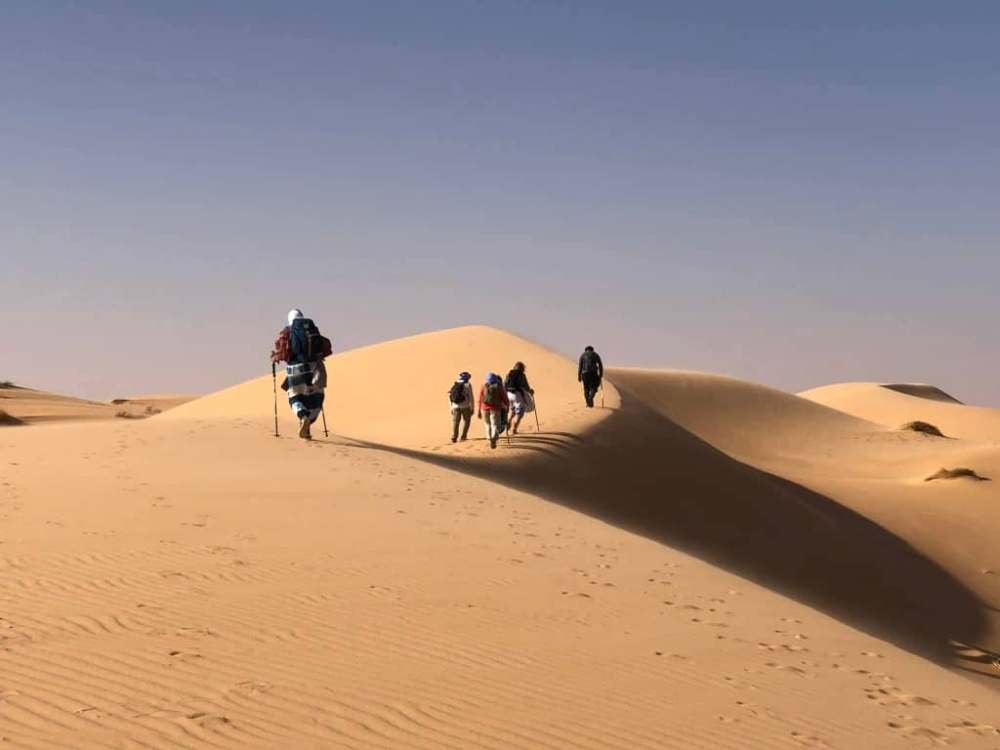
Atar is a city in western Mauritania, serving as a desert oasis and the capital of the Adrar region. It is characterized by a harsh desert climate, traditional Saharan architecture, and its role as an important center for local nomads and a base for tourists.
Features and Atmosphere of the City:
Geographic Location: It lies on the edge of the Sahara, surrounded by the rugged landscapes and dunes of the Adrar Plateau.
Climate and Appearance: It has a languid, peaceful character, with low-rise, traditional buildings nestled in the sandy landscape.
Social Role: It serves as a trading and cultural center for shepherds and former nomads.
Tourist Significance: It is the main gateway to the region’s ancient attractions, such as the historic mosque and the nearby UNESCO-listed town of Wadane.
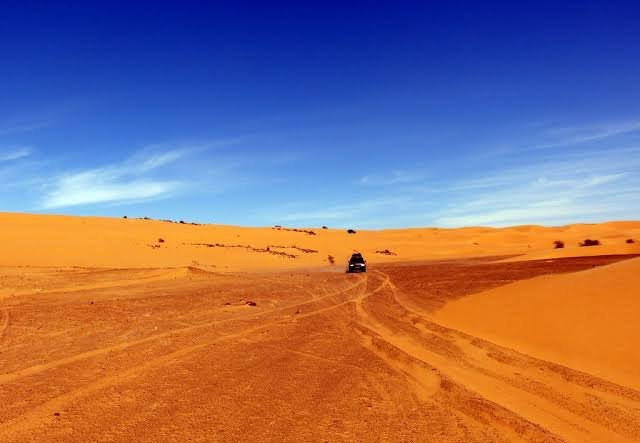
Climate. Atar in Mauritania has an extremely hot desert climate (type BWh), characterized by very high daytime temperatures, minimal rainfall year-round, and a large diurnal temperature range.
Temperatures.
Summer (June to September): Extreme heat, with daytime temperatures regularly exceeding 40°C–45°C, occasionally reaching as high as 46°C.
Winter (December to February): Milder and very comfortable days with average temperatures ranging from 24°C–30°C.
Nights: The desert nature causes temperatures to drop significantly after sunset – winter nights can be cool (10°C–15°C), while summer nights hover around 30°C.
Precipitation and Humidity.
Lack of Rain: For most months of the year, there is virtually no rainfall, and the sky is cloudless.
Humidity: The air is very dry, with relative humidity often dropping below 15%–20%.
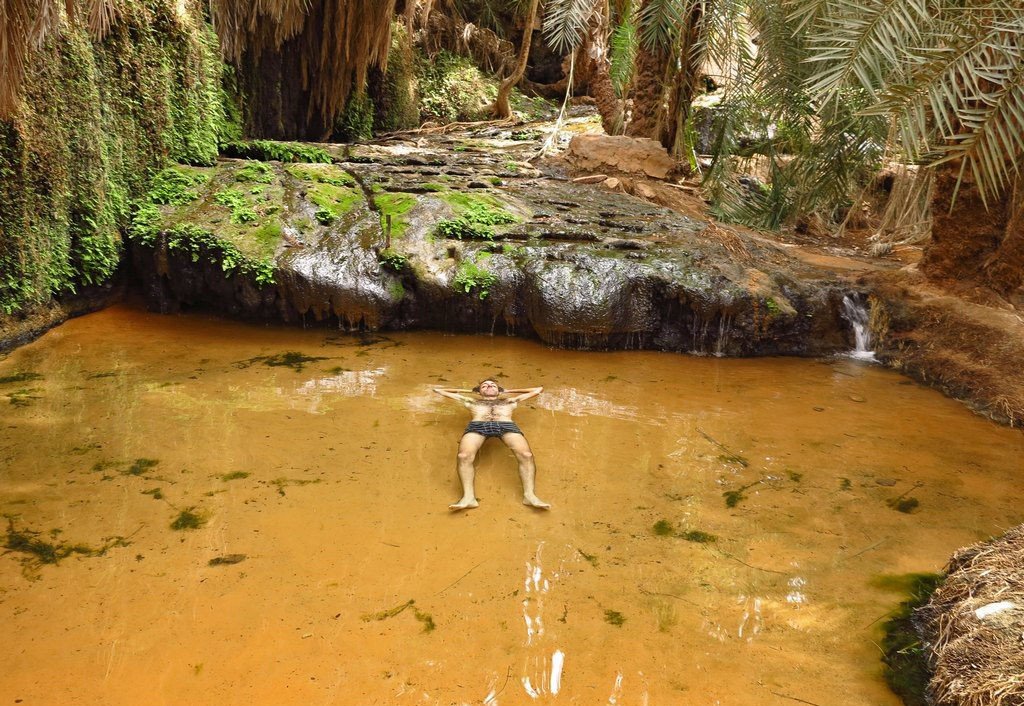
Atar in Mauritania is the main gateway to the Sahara and an ideal base for trips to places like the Terjit Oasis, Shingit (Chinguetti), and Wadan (Ouadane).
Top attractions around Atar:
Terjit Oasis: A green paradise hidden among the rocks about 45 km from Atar, with natural springs and palm trees.
Shingit (Chinguetti): A historic stone city, a UNESCO World Heritage Site, famous for its medieval Islamic libraries and the surrounding high sand dunes.
Wadan (Ouadane): Another ancient caravan city with unique architectural ruins on the edge of the Adrar plateau.
Azoughi: A historic settlement with cave paintings and a palm grove.
Atar Local Market: A place where you can buy traditional Moorish crafts, leather goods, and dates.
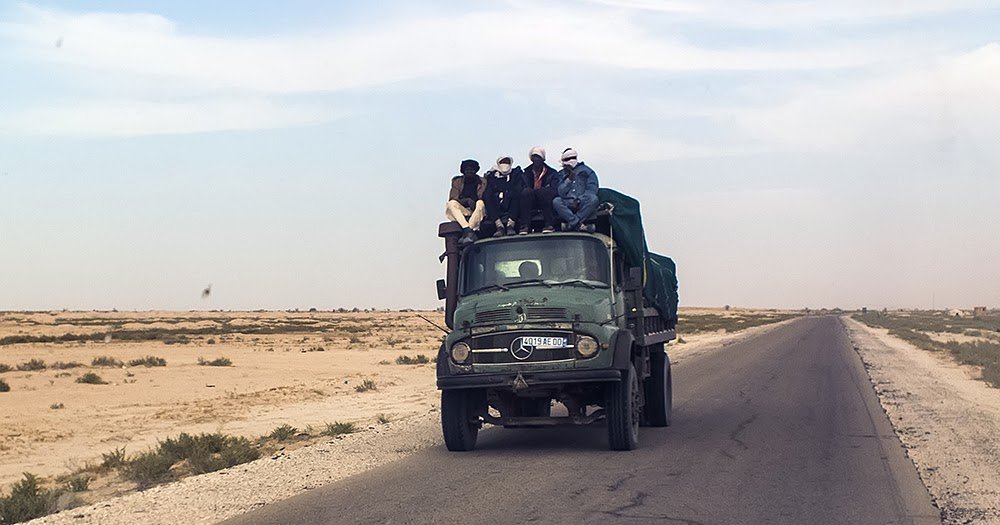
Atar, Mauritania. How to get to Atar? Travel conditions. Atar – the main transport hub in the Adrar desert region of Mauritania – is easiest to reach by road from the capital, Nouakchott, using local transport. However, travel requires flexibility and preparation for the harsh Saharan realities.
How to get to Atar? The distance from the capital to Atar is approximately 440 km. The national road (N1) is fully paved and in good condition, and the journey usually takes 6 to 9 hours.
You have three main transport options:
Private minibuses: This is the most convenient and popular budget option. In Nouakchott, go to a bus station (e.g., Teissir Voyage or Gare de Atar) in the morning (around 7:00–8:00 AM). Buses depart only when all the seats are full. A ticket costs around 500–1000 MRU (Moorish ouguiya).
Shared taxis (Bush Taxis / Sept-place): They depart from the city’s Gare Routière (Gare Routière). They are slightly faster than buses, but can be quite crowded.
4×4 rental with driver: If you plan to travel further from Atar into the desert (e.g., to the historic towns of Chinguetti, Ouadane, or the Terjit oasis), renting an off-road vehicle is essential, as the roads turn into sandy trails.
SNIM (Iron Ore Train): If you’re traveling from the north (from Nouadhibou), you can experience an iconic experience riding the world’s longest freight train on an iron ore platform. The train stops in the village of Choum, where local pickups take passengers to Atar, approximately 70 km away.
Travel conditions: Traveling in Mauritania involves specific formal and climatic requirements.