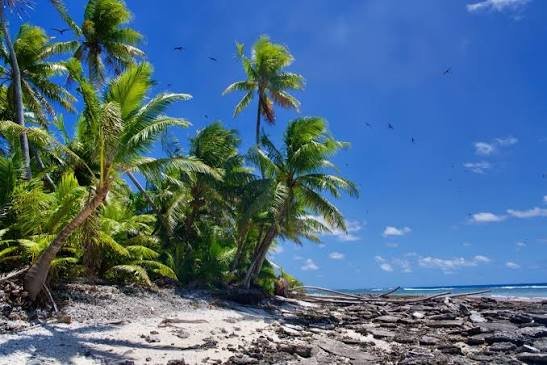
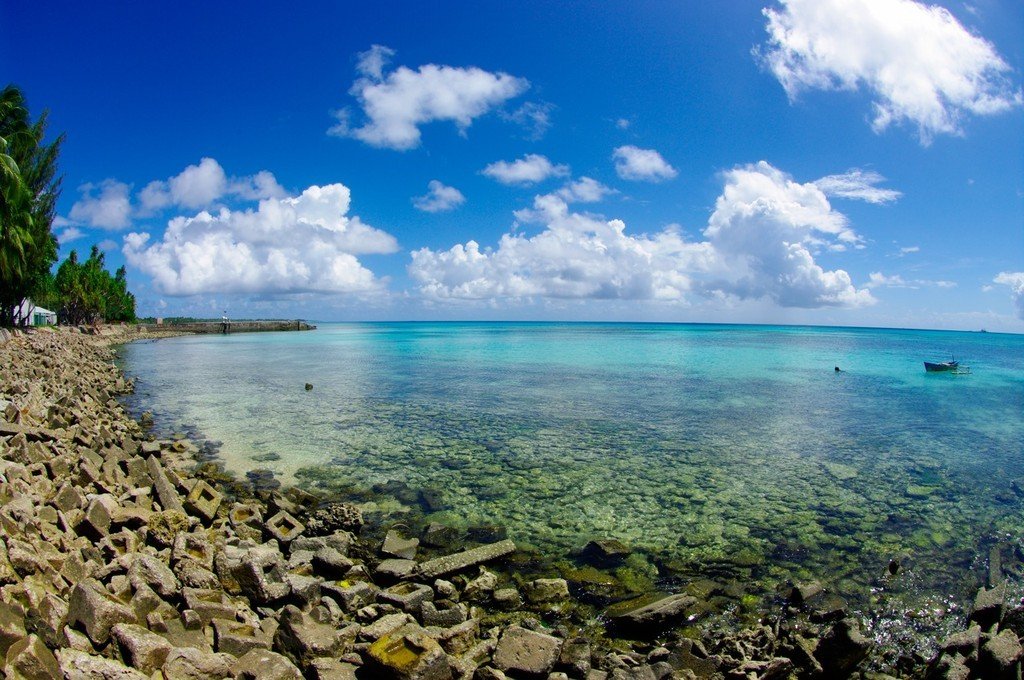
Tuvalu is a nation located in the Pacific Ocean, in western Polynesia (north of Fiji). It consists of an archipelago known in English as the Tuvalu Islands (formerly referred to as the Lagoon Islands or the Ellice Islands). As one of the smallest and most isolated countries in the world, Tuvalu is situated in the western part of Polynesia in the Pacific Ocean. This remarkable archipelago comprises nine low-lying coral atolls and islands, with its highest point rising only about 4.5 meters above sea level. Due to global warming, Tuvalu has become a symbol of the fight against climate change and faces the very real risk of being submerged.
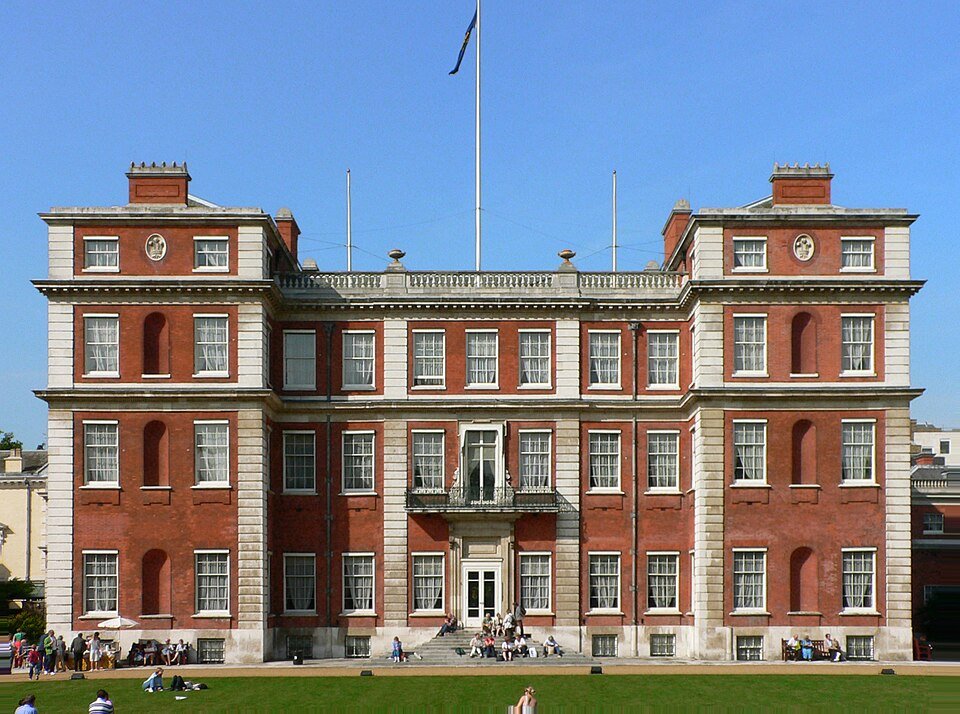
History of Tuvalu. The Ellice Islands were settled in the 5th century AD. They were first discovered by Europeans in 1568 (by the Spaniard Álvaro de Mendaña de Neira) and rediscovered in 1764 by the Briton John Byron. From 1877, they were under the administration of the British Western Pacific High Commission. Beginning in 1892, they were part of a protectorate, and from 1916, they became part of a colony known as the Gilbert and Ellice Islands. The islands were occupied by Japan between 1942 and 1943, after which they were taken over by U.S. forces. In 1975, following a 1974 referendum, the Ellice Islands were separated as an independent colony; three years later, on October 1, 1978, they declared independence from Great Britain and changed their name to Tuvalu. Tuvalu became a member of the Commonwealth of Nations. It has been a member of the United Nations since 2000, and in 2008, it participated in the Olympic Games for the first time.
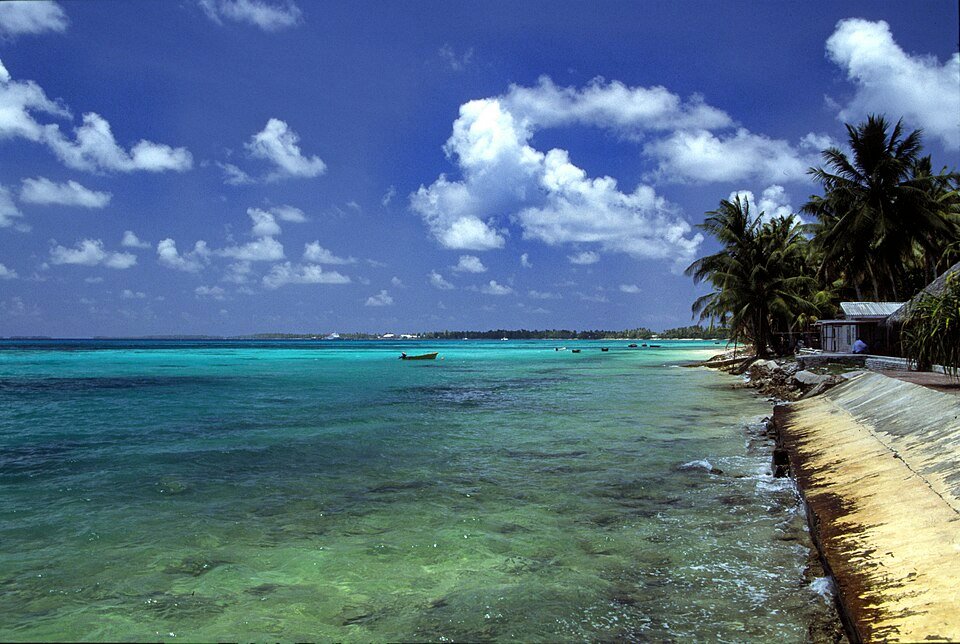
Geography. Tuvalu comprises 6 atolls and 3 islands, forming the archipelago known as the Ellice Islands (or the Lagoon Islands). Geographically, it belongs to Polynesia. The atolls—Vaitupu (5.60 km²), Nanumea (3.87 km²), Nukufetau (2.99 km²), Nui (2.83 km²), Funafuti (2.79 km²), and Nukulaelae (1.82 km²)—feature lagoons connected to the ocean; the islands of Nanumanga (2.78 km²) and Niutao (2.53 km²) have lagoons that are not connected to the ocean, while Niulakita (0.42 km²) has no lagoon at all. The total land area is 25.63 km², with Vaitupu (4.9 km²) being the largest island. The archipelago stretches for 600 km from the northwest to the southeast. Tuvalu’s exclusive economic zone covers an area of 900,000 km². The islands are flat—none exceed an elevation of 5 meters above sea level. This is partly due to the activities of the Americans, who established an airbase here during World War II; for this purpose, they leveled vast tracts of land, completely destroying the only natural elevations on the islands. As a result of climate warming and the associated rise in sea levels—which have increased by nearly 20 cm over the last century—a significant portion of Tuvalu could end up underwater. According to UN studies, this is expected to happen by 2050. To prevent this, a reforestation initiative has been launched, involving the planting of fast-growing trees and shrubs intended to stabilize the coastlines. Under the terms of a treaty, should the water begin to inundate the islands, the Royal New Zealand Navy is tasked with evacuating all inhabitants. The government is also considering relocating the population to the island of Kioa—currently part of Fiji—or purchasing land from Australia. The threat of Tuvalu’s islands being submerged was the subject of a 2004 documentary produced by the television channel Planète. The climate is tropical, owing to the islands’ location just south of the equator (5–11° S). The average annual temperature ranges from +27°C to +30°C, with annual precipitation varying from 2,500 mm in the south to 3,600 mm in the north (averaging 2,991 mm in 2005). Tropical cyclones occur frequently between November and April; while usually mild, a catastrophic cyclone devastated the islands in 1997. There are no rivers, and drinking water must be collected from rainfall and stored in tanks. Forests cover 43% of the islands.
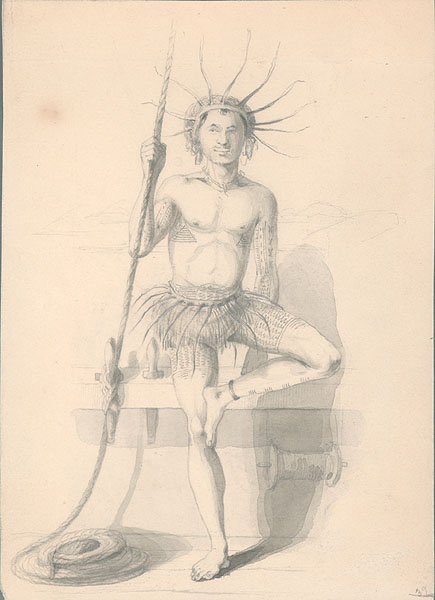
Demographics. According to the 2012 census, the islands had a population of 10,782 (in 1950, the atolls were home to 4,676 people). Among independent nations, only Vatican City has a smaller population. The largest number of inhabitants—nearly half—reside on the capital atoll, Funafuti. Eight of the nine atolls are inhabited (Niulakita is considered uninhabited, although approximately 40 people live there). The population is relatively young, with only 5% of residents over the age of 65. The first inhabitants of Tuvalu were Polynesians (arriving in the 5th century AD), who now make up 96% of the population; 3% are Micronesians (primarily on the atoll of Nui), and the remaining 1% consists of Europeans and others. The official languages are Tuvaluan and English, though Samoan and Gilbertese (on the atoll of Nui) are also spoken. Censuses are conducted fairly regularly; the most recent one, in 2012, recorded a population of 10,782. Some residents originated from Nauru (598)—a result of population movement linked to phosphate mining—while 554 people came from Kiribati and 585 from Fiji. For comparison, the population of Tuvalu was 9,561 in 2002, 9,041 in 1991, 7,349 in 1979, and 5,887 in 1973. In 2012, 57.1% of the population lived in the capital. According to data from 2005, life expectancy was 70 years for women and 66 for men. CIA estimates from 2015 placed life expectancy at 64.01 years for men and 68.41 years for women. In 2007, the average age at first childbirth was 23.5 years. The islands have one hospital (in Vaiaku) and local clinics providing basic medical care. The only hospital, Princess Margaret Hospital, was built in 2003 with a grant from the Japanese government. In 2008, reforms were implemented in the health sector, following the arrival of new graduates from medical schools—primarily the Fiji School of Medicine.
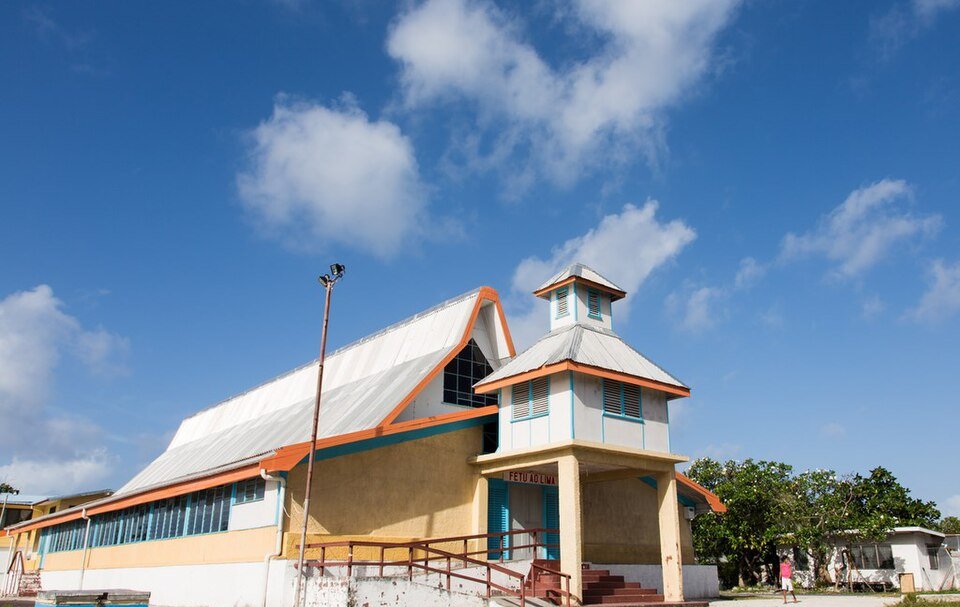
Religion. Religious composition of the country according to the 2017 census of population and housing:
Church of Tuvalu (state church): 85.9% (Congregationalists)
Anabaptists: 2.8%
Seventh-day Adventists: 2.5%
Baháʼí Faith: 1.5%
Assemblies of God: 1.5%
Jehovah’s Witnesses: 1.5%
Mormons: 0.9%
Catholic Church: 0.5%
Other denominations: 2.6%
No religion: 0.2%
Politics. The British monarch—currently King Charles III—is the formal head of state, represented in the islands by a Governor-General. The capital is Vaiaku, located on the island of Fongafale in the Funafuti atoll. The actual governing authority is a unicameral, 15-member parliament known as the *Fale i Fono*. There are no political parties; members of parliament run as independent candidates, though they may form informal groups within the legislature. Two representatives are elected from each atoll—with the exception of Nukulaelae, which elects one—while the island of Niulakita is uninhabited. The Prime Minister is elected by the members of parliament from among themselves. The Prime Minister then selects members of the government (no more than five) from the ranks of the parliamentarians; these individuals oversee seven ministerial portfolios. A Speaker of Parliament is also elected. Elections are held every four years; the most recent took place on September 9, 2019. The judiciary consists of a High Court and eight Island Courts. The national holiday is Independence Day, observed on October 1st. The country is governed under a constitution adopted in 1978. Tuvalu maintains a permanent mission to the United Nations, and its only embassies are located in Belgium (Brussels) and Taiwan. Diplomatic missions are also maintained in Fiji (Suva) and New Zealand (Wellington), while honorary consuls serve in Australia, Belgium, Germany, Japan, South Korea, Singapore, Switzerland, Taiwan, and the United Kingdom. Tuvalu is a member of the Pacific Islands Forum (PIF), the Council of Regional Organisations in the Pacific (CROP), and the Alliance of Small Island States (AOSIS). In 2000, Tuvalu was admitted to the Commonwealth of Nations and subsequently became a member of the United Nations. In 1981, Tuvalu joined the South Pacific Regional Trade and Economic Cooperation Agreement (SPARTECA). The country also became a party to the Melanesian Spearhead Group (MSG) preferential trade agreement. In August 2001, Tuvalu was one of the signatories to the Pacific Agreement on Closer Economic Relations (PACER). That same year, the Pacific Island Countries Trade Agreement (PICTA) was signed. The objective of these latter agreements is to establish a free trade area within the South Pacific region.
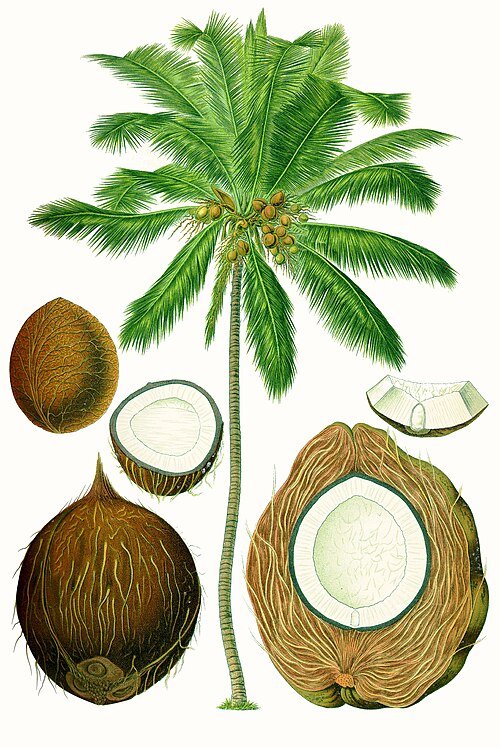
Economy. Tuvalu possesses almost no natural resources. Its economy is based on agriculture and fishing. According to the FAO, Tuvalu’s annual production includes: 140 tonnes of sweet potatoes and yams, 1,600 tonnes of coconuts, 500 tonnes of vegetables, 300 tonnes of bananas, 500 tonnes of tropical fruits, and 1,500 tonnes of fish. Additionally, the country engages in pig and poultry farming, as well as beekeeping. The small industrial sector is primarily focused on food processing. There is a lack of raw materials, and the service sector is poorly developed. Tourism is also underdeveloped; in 2010, Tuvalu received 1,684 visitors, most of whom arrived for business purposes—only 360 (approximately 20%) were tourists, while 11% were expatriates returning to visit family. The GDP per capita (as of 2002) is 1,600 US dollars. There are two power plants—one oil-fired and one solar-powered—located on the atolls of Funafuti and Vaitupu. In 2011, the unemployment rate stood at 31.2%. The country’s exports consist mainly of copra (86%), fish, and handicrafts. Total exports amounted to 1 million USD (in 2004), with 61% going to Germany, 20% to Italy, and 7% to Fiji (as of 2005). Virtually everything is imported—food (30%), fuels, raw materials, industrial products, machinery, etc.—totaling $9.2 million (as of 2004). These imports come primarily from Fiji (46%), Japan (19%), and China (18%). In 2004, the budget was nearly balanced, with both expenditures and revenues reaching approximately 21 million Australian dollars. The budget relies on foreign aid, most notably from a trust fund (established in 1987)—financed by the United Kingdom, Australia, New Zealand, Japan, and South Korea—which serves as a source of funding for investments. While trust funds are common throughout Oceania, the Asian Development Bank considers this particular fund to be the best-managed one. Other significant components of the budget include revenue from the lease of the “.tv” internet domain (approximately 2 million US dollars annually, under an agreement with Verisign running until 2016), remittances from citizens working abroad, fishing licenses for the exclusive economic zone (accounting for 40% of the country’s GDP), and proceeds from the issuance of postage stamps. Of the approximately 7,000 people of working age, half are employed. The government is the largest employer. Overall, 78% of the workforce is employed in agriculture and fishing, 9% in industry and construction, and 13% in the service sector. The currency is the Tuvaluan dollar, which is pegged to the Australian dollar at a 1:1 ratio. Australian dollars are widely used in Tuvalu. Tuvaluan dollars are issued by the National Bank of Tuvalu.
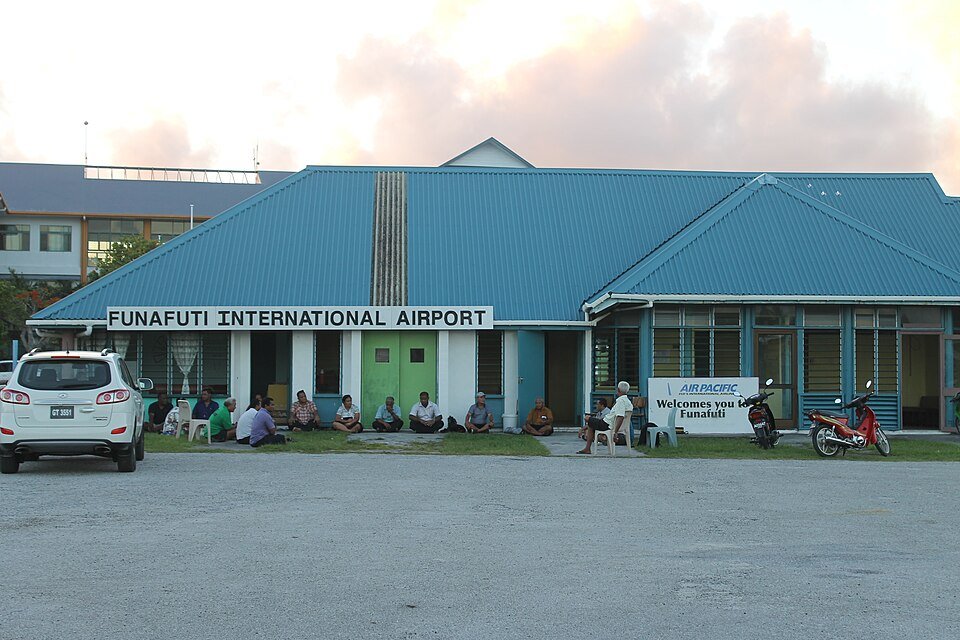
Transport and communications. Tuvalu has 22 km of paved roads. Residents primarily use bicycles and mopeds. Inter-island travel is conducted by ship. The capital features an airport with two paved runways (1,530 by 30 meters). There are 52 vessels with a gross tonnage (GT) exceeding 1,000 sailing under the Tuvaluan flag (only 9 of which are owned by Tuvaluan shipowners). Communication between the islands takes place via radio, while international calls are routed exclusively through satellite. Approximately 15% of the population uses the internet. There is one radio station in operation. According to 2012 data, there were 1,300 mobile phone subscribers in Tuvalu, a figure that included holders of inactive SIM cards. Precise data from that time were unavailable; it was estimated that 25% of the population had access to telephony and the internet.
Education. Primary education (for children aged 6–13) is free and compulsory. In addition, Tuvalu has preschools—referred to as Early Childhood Care and Education (ECCE)—for children aged 3–5, where fees are voluntary, as well as secondary schools (for youth aged 14–18), which charge a tuition fee of 50 Australian dollars per semester (as of 2014). On the Funafuti atoll, there is one secondary school, two primary schools, eight preschools, and one special education school. A second secondary school in Tuvalu is located on the island of Vaitupu, which also has one primary school and two preschools. Nanumea likewise has one primary school and two preschools. Meanwhile, Nukulaelae, Niulakita, Nukufetau, Nui, and Niutao each have one primary school and one preschool. Nanumanga has only one school—a primary school (data as of 2014). Since the late 1980s, a branch campus of the University of the South Pacific has operated in Tuvalu. Students primarily pursue their studies via e-learning over the Internet, communicating with the Laucala campus in Suva (Fiji).
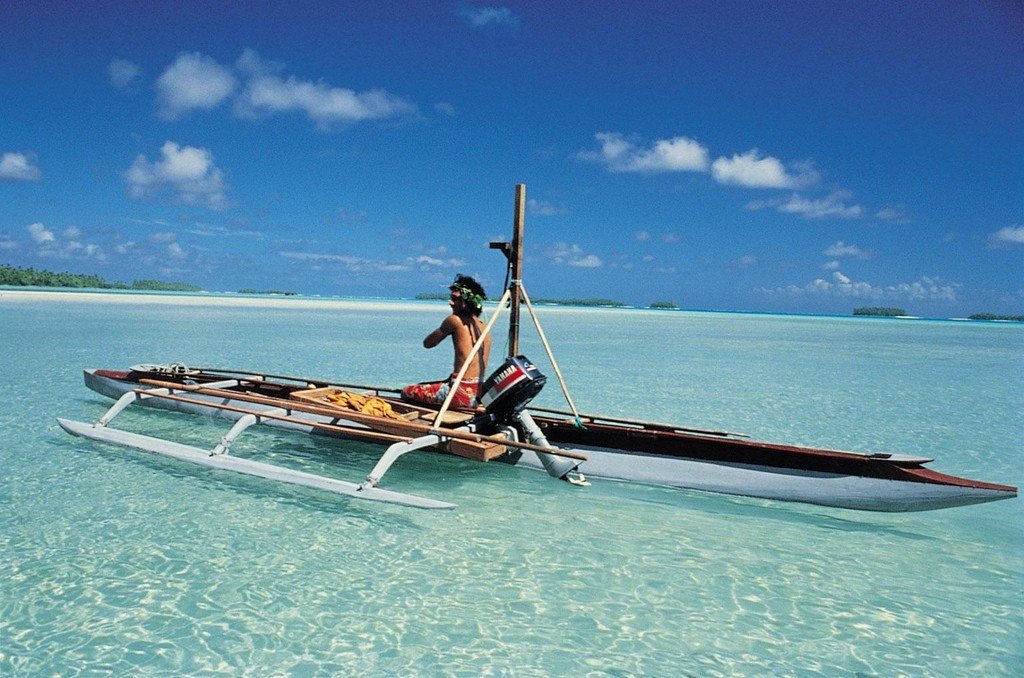
Information about Tuvalu.
• Capital: Funafuti (home to the country’s only airport).
• Area: Only about 26 km² (making it the fourth-smallest country in the world).
• Population: Approximately 11,000 inhabitants.
• Official languages: Tuvaluan and English.
• Political status: An independent constitutional monarchy within the Commonwealth of Nations (the head of state is King Charles III).
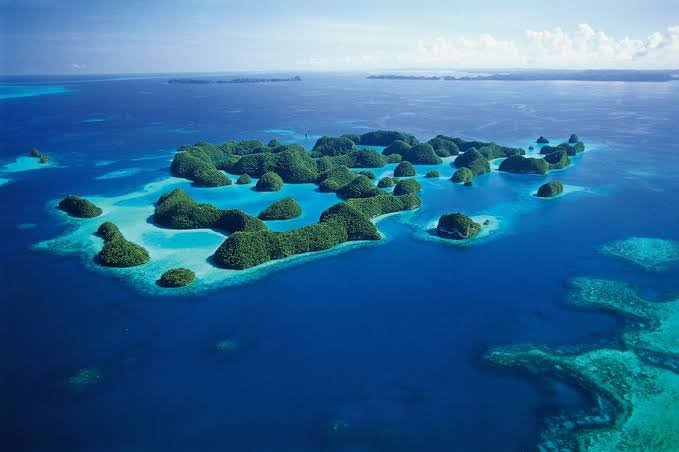
A digital lifeline against sinking.
NASA projections indicate that by 2050, a significant portion of the country could become uninhabitable due to rising sea levels and the salinization of groundwater. In response to this threat, the government of Tuvalu has taken unprecedented steps:
• Digital twin: The nation plans to move into the metaverse by creating a digital replica of its islands, aiming to preserve its culture, history, and sovereignty—even if the physical land disappears underwater.
• New constitution: In 2023, the country’s constitution was updated to include a provision stating that Tuvalu’s statehood and maritime zones shall remain permanent and enduring, even in the event of the total loss of its land territory.
• Asylum in Australia: Under the Falepili Union agreement, Australia has guaranteed citizens of Tuvalu a special migration pathway, allowing them to gradually settle, work, and study in Australia.
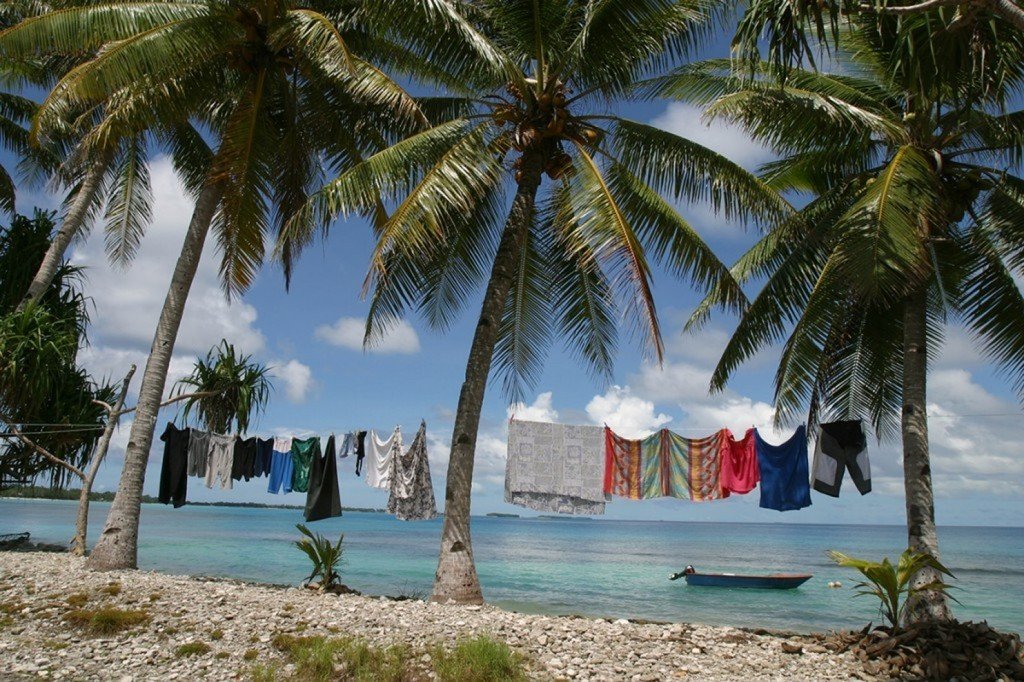
An economic curiosity: the .tv domain. Tuvalu has very limited natural resources and relies primarily on fishing; however, its national internet domain, .tv, has proven to be a massive cash injection for the state budget. The country regularly earns millions of dollars by leasing this domain to technology companies and streaming platforms from all over the world.