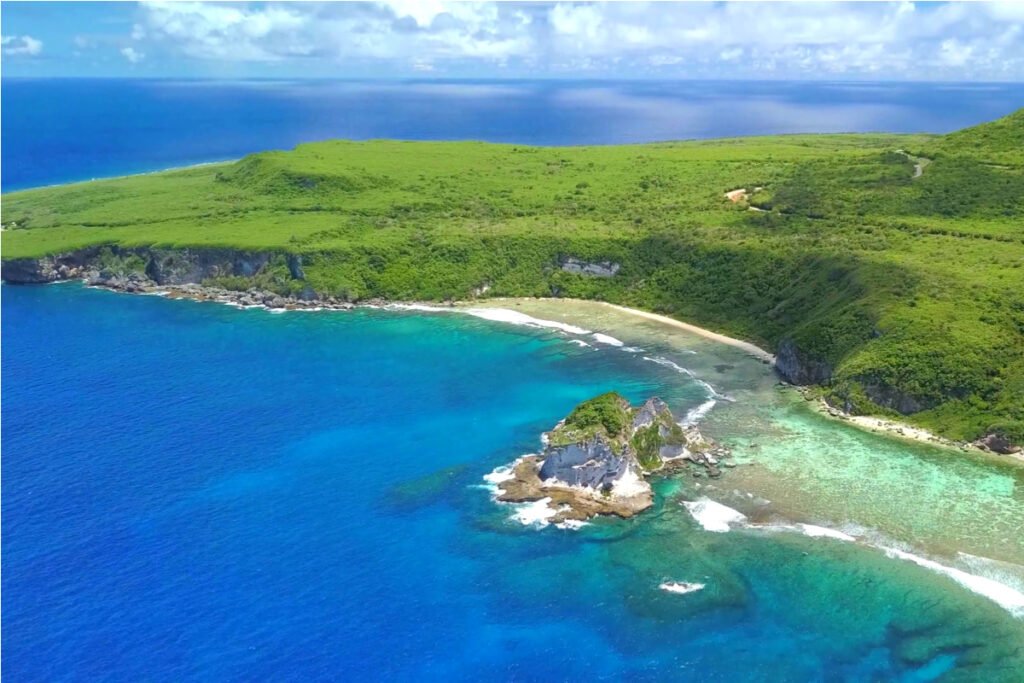
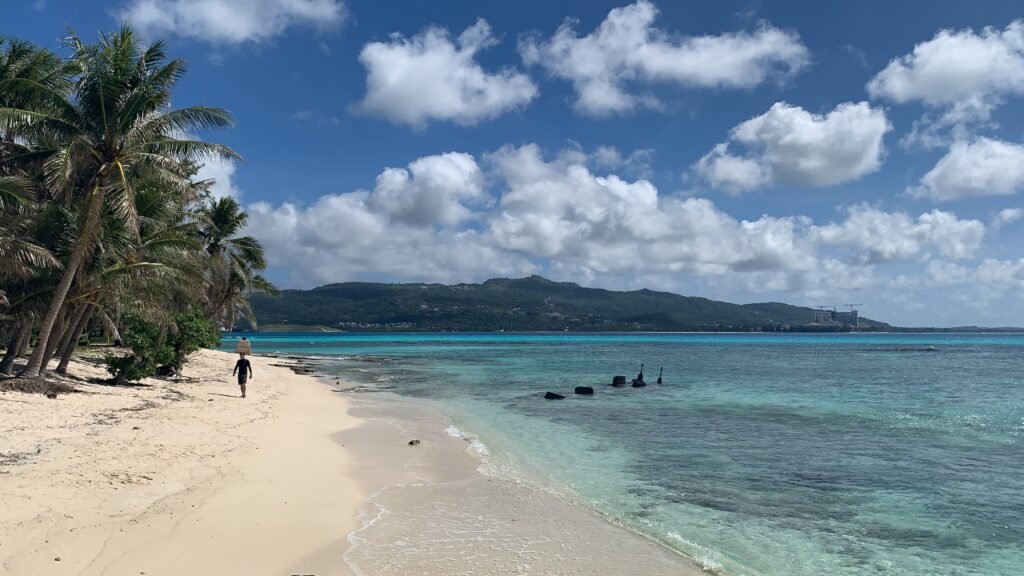
The Northern Mariana Islands (Commonwealth of the Northern Mariana Islands) are a United States territory located in Micronesia, in the western part of the Pacific Ocean. This picturesque archipelago consists of 14 islands, the most significant and populous of which are Saipan, Tinian, and Rota. The climate of the islands is humid, and they are frequently struck by typhoons. The islands are covered in lush tropical vegetation.

History of the islands. The islands were discovered in 1521 by Magellan. From 1565 to 1898, they were a Spanish colony. The Jesuit missionary Diego Luis de San Vitores named the islands in honor of Queen Mariana of Habsburg. In 1898, the southernmost island, Guam, came under the possession of the United States, while the remainder (the Northern Mariana Islands) was purchased by Germany. Following World War I, like other German colonial possessions, the islands were placed under international administration as a mandated territory. From 1920, Japan held a League of Nations mandate over the islands. In the summer of 1944, the islands were captured by American forces; on August 6, 1945, the Boeing B-29 Superfortress *Enola Gay* took off from the island of Tinian with the mission of dropping an atomic bomb on Hiroshima. Three days later, a bomber took off from the same island to drop an atomic bomb on Nagasaki. From 1947 to 1977, the islands were part of the Trust Territory of the Pacific Islands, administered by the United States. Since 1978, they have held internal autonomy and the status of a commonwealth in political union with the United States. Today, the entire Mariana archipelago belongs to the United States: most of the islands constitute the Commonwealth of the Northern Mariana Islands—an unincorporated, organized territory—while the largest and southernmost island of the archipelago is a separate unincorporated, organized territory known as Guam. Located here are major U.S. Air Force and U.S. Navy bases, as well as the largest civilian university in the Pacific region, the University of Guam.
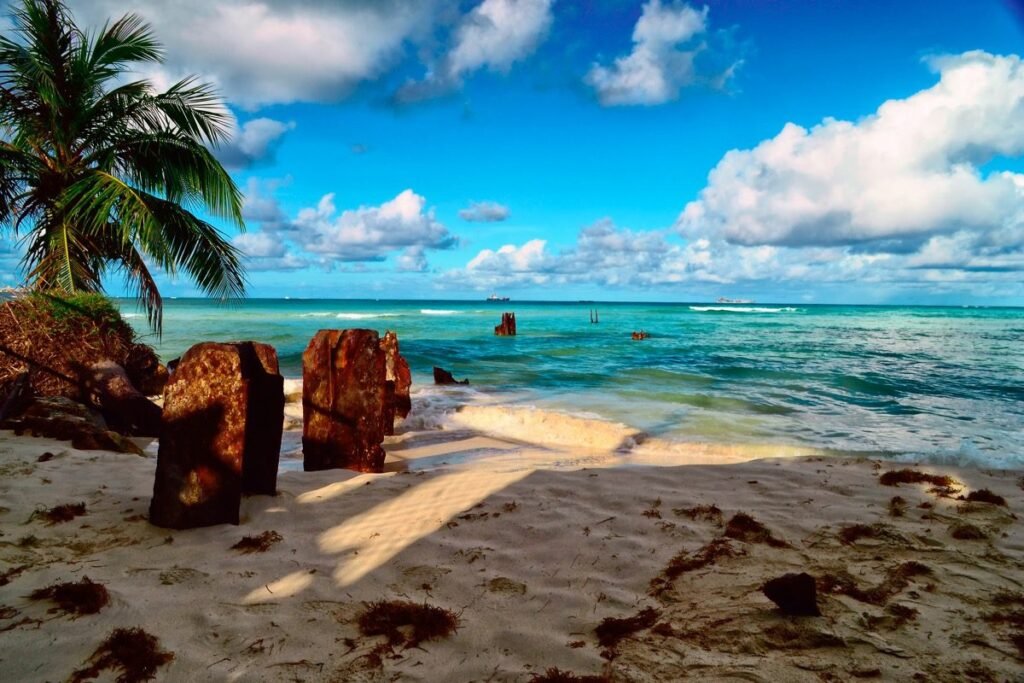
Important information. Relationship with the USA: Since 1986, the Northern Mariana Islands have been officially integrated with the United States. Their residents hold U.S. citizenship, the official currency is the U.S. dollar (USD), and the head of state is the President of the United States, represented locally by a governor. Population: The population is just over 50,000. The indigenous people are the Chamorro and the Carolinians. The predominant religion is Catholicism.
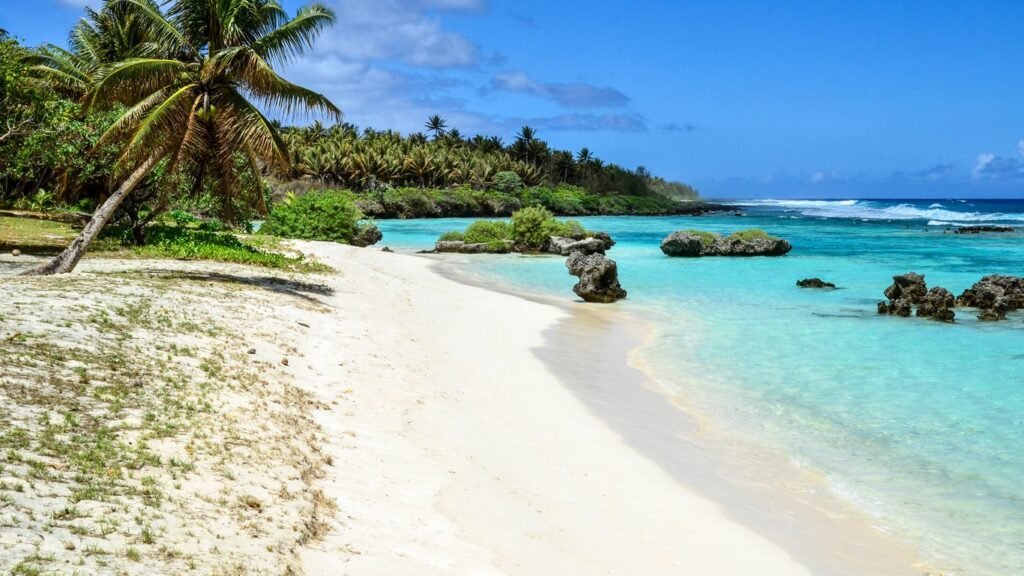
Travel information: This is a U.S. territory; a visa may be required, so please check this before your departure. The main airport is the international airport on the island of Saipan. Connections are possible via Asia or the island of Guam.
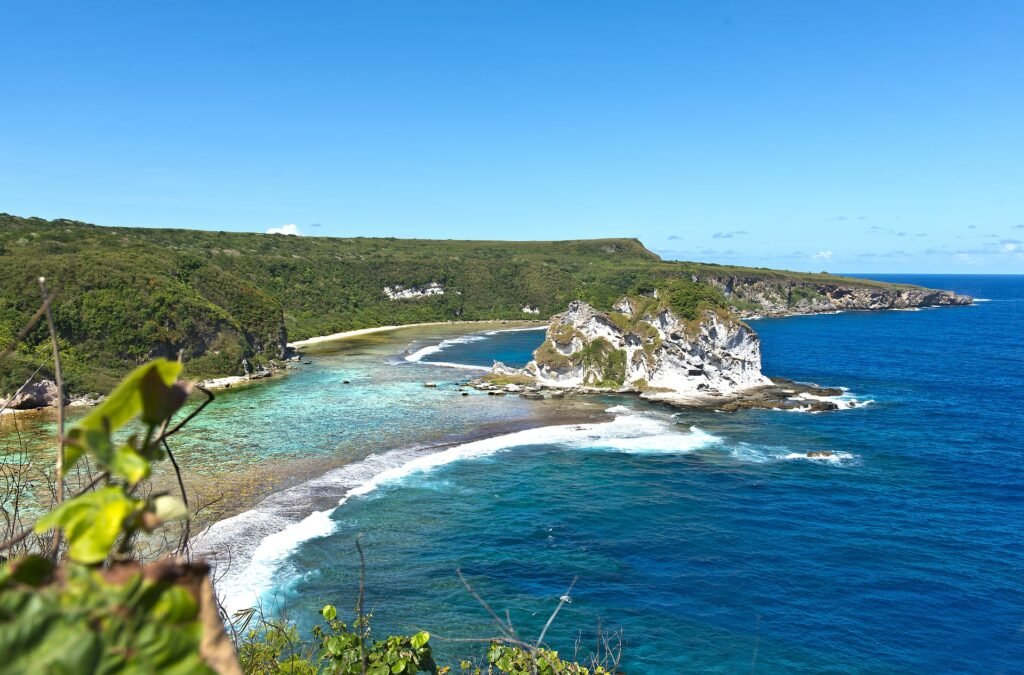
Attractions and important islands.
Saipan is the largest island and the capital of the Northern Mariana Islands, an unincorporated territory of the United States located in the western Pacific Ocean. Situated within the Mariana Islands archipelago, about 200 km north of Guam, the island serves as the administrative, tourism, and commercial hub for the entire territory. Topography: The western coast of the island features sandy beaches and a wide, calm lagoon sheltered by a coral reef, while the eastern coast is characterized by rocky terrain and cliffs. Highest point: The central part of the island is occupied by Mount Tapochau, which rises to an elevation of 474 meters above sea level and offers a panoramic view of the entire island.
Tinian is one of the main islands that make up the Commonwealth of the Northern Mariana Islands—a territory in the Pacific Ocean (Micronesia) in political union with the United States. Location: It lies south of the island of Saipan (the territory’s capital) and north of Guam. Together with the neighboring, uninhabited island of Aguiguan, it forms one of the four administrative districts (municipalities) of the Northern Mariana Islands. Main town: San Jose is the largest locality and settlement on the island.
Rota (known locally as Luta) is the southernmost inhabited island in the Northern Mariana Islands—a United States territory in the Pacific Ocean. It has earned the nickname “The World’s Friendliest Island” due to the extraordinary hospitality of its residents. The island offers pristine nature, crystal-clear waters—referred to as “Rota Blue”—and an escape from mass tourism. Its main town (and the district capital) is Songsong, located on the southwestern tip, while Sinapalo serves as the second major settlement.
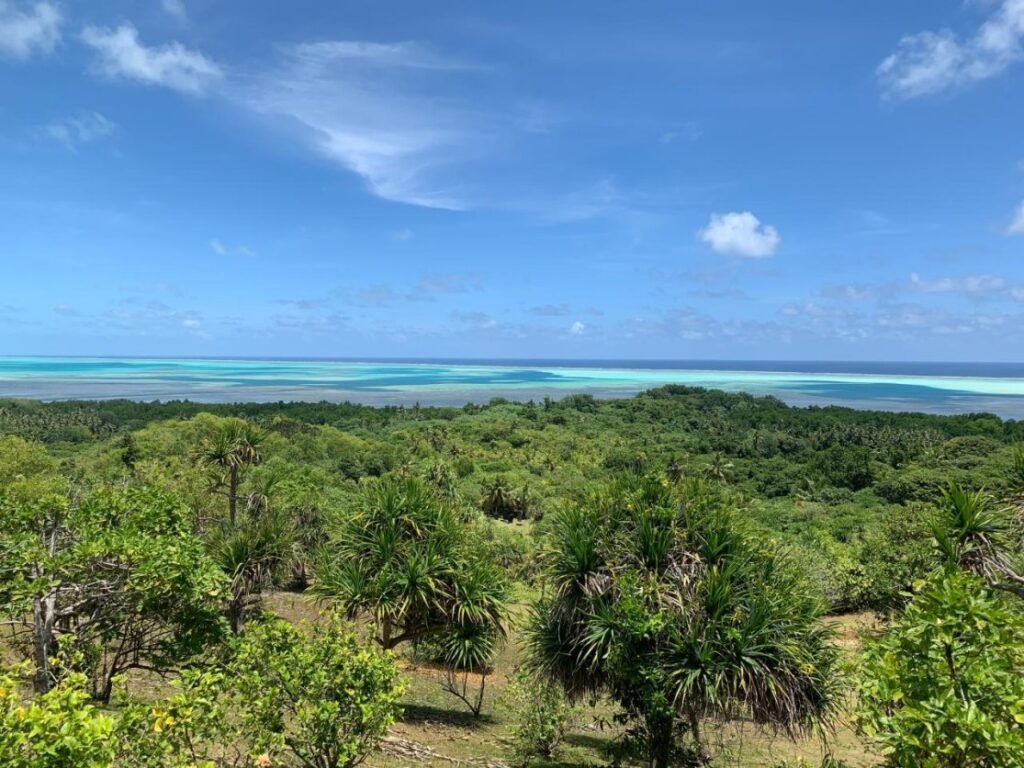
Tourism. For travelers, the Northern Mariana Islands offer a classic Micronesian paradise—turquoise waters, sandy beaches, excellent diving conditions (including the famous Grotto cave on Saipan), and tropical nature. The main tourist hub, featuring a well-developed network of hotels, is the town of Garapan on Saipan.