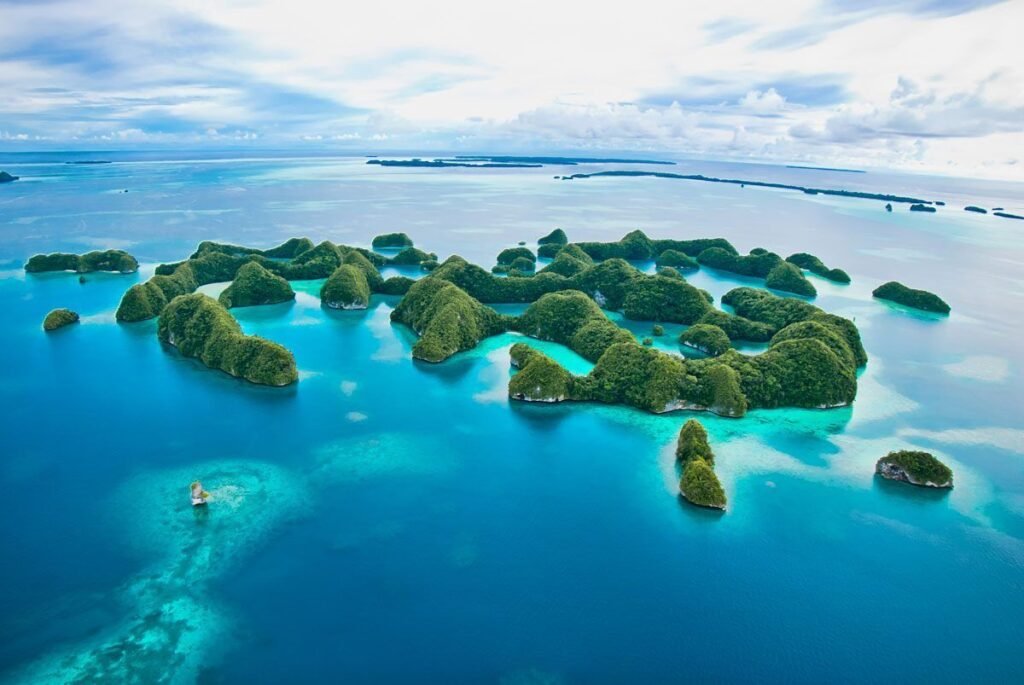
Palau (the Republic of Palau) is a self-governing island nation in free association with the United States, located in the Pacific Ocean—specifically within the regions of Oceania and Micronesia—approximately 1,160 km south of Guam, 800 km east of the Philippines, and 3,200 km south of Tokyo. It comprises the western part of the Caroline Islands archipelago, four isolated coral islands (Sonsorol, Merir, Pulo Anna, and Tobi), and Helen Reef (totaling over 250 islands).
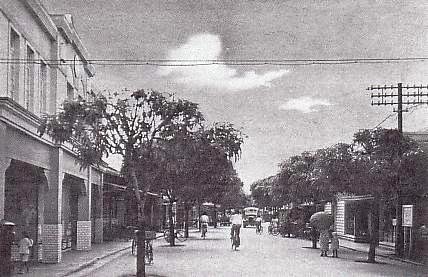
History. The islands were discovered in 1543 by Ruy López de Villalobos. From the late 17th century until 1899, they were a Spanish possession as part of the Caroline Islands; they were subsequently sold to Germany, which began extracting bauxite (aluminum ore) and other resources there. In 1914, the islands were taken over by Japan. Six years later, a Japanese administration was established under the auspices of the League of Nations. During World War II, in 1944, the islands were occupied by the United States following the Battle of Peleliu. After the war, from 1947 to 1994, the territory was a UN Trust Territory under US administration (until 1990 as part of the Trust Territory of the Pacific Islands). In 1978, Palau became a separate entity and adopted the name Belau (following the US administrative division of the Pacific islands). In 1979, the residents of Palau rejected a proposal to join the Federated States of Micronesia. In 1981, the country adopted the Constitution of Palau, and internal self-government was established that same year. In 1982, the government concluded a Compact of Free Association with the United States; it was ratified in 1993. On October 1, 1994, Palau gained independence as a state in free association with the US. The country maintains economic ties with the US, Japan, and Taiwan (including financial aid). On December 15, 1994, it became a member of the UN and several other international organizations.
Political system. Palau is a republic. The Constitution was adopted in 1980 and entered into force on January 1, 1981. Foreign policy and defense are the responsibility of the USA. The President, elected by popular vote for a four-year term, serves as both head of state and head of government. Legislative power is vested in the bicameral National Congress (House of Delegates and Senate), elected by popular vote. Executive power is vested in the government, which is appointed by the President.
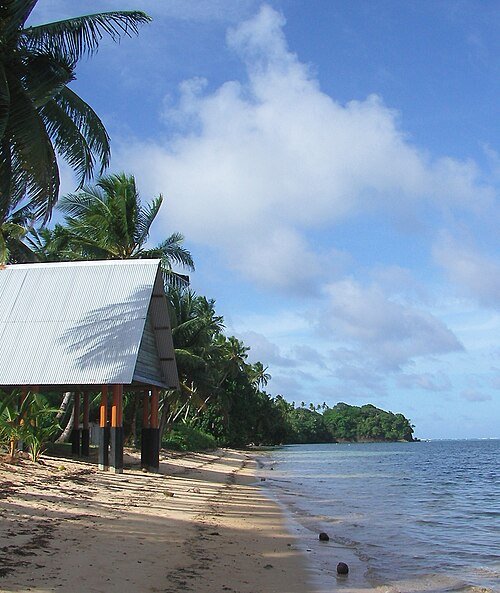
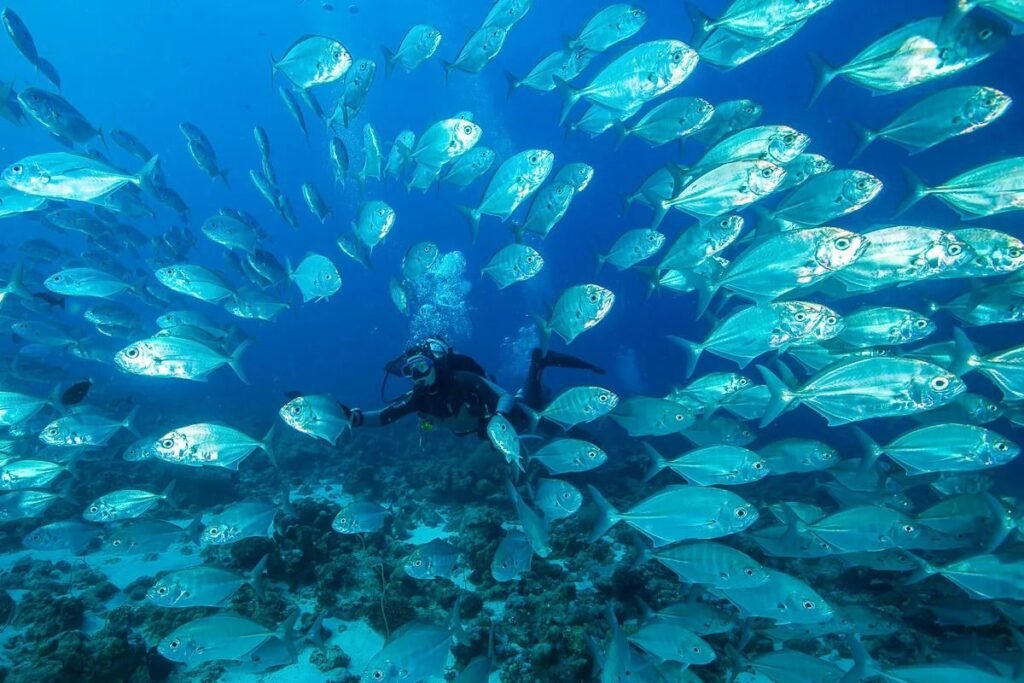
Geography. Palau comprises over 250 islands (the largest being Babeldaob and Koror) in the western part of the Caroline Islands archipelago, surrounded by an extensive reef. Karst lakes containing seawater and caves are found there. The highest point is Ngerchelchauus, at 242 meters above sea level. The islands have a highly humid equatorial climate (monsoon type): the average monthly temperature remains around 28°C throughout the year, and annual precipitation is 3,800 mm. There is lush vegetation, including ironwood trees, pandanus, and coconut palm groves. Palau boasts rich fauna, with over 1,400 species of fish and 700 types of coral; saltwater crocodiles also inhabit the area.
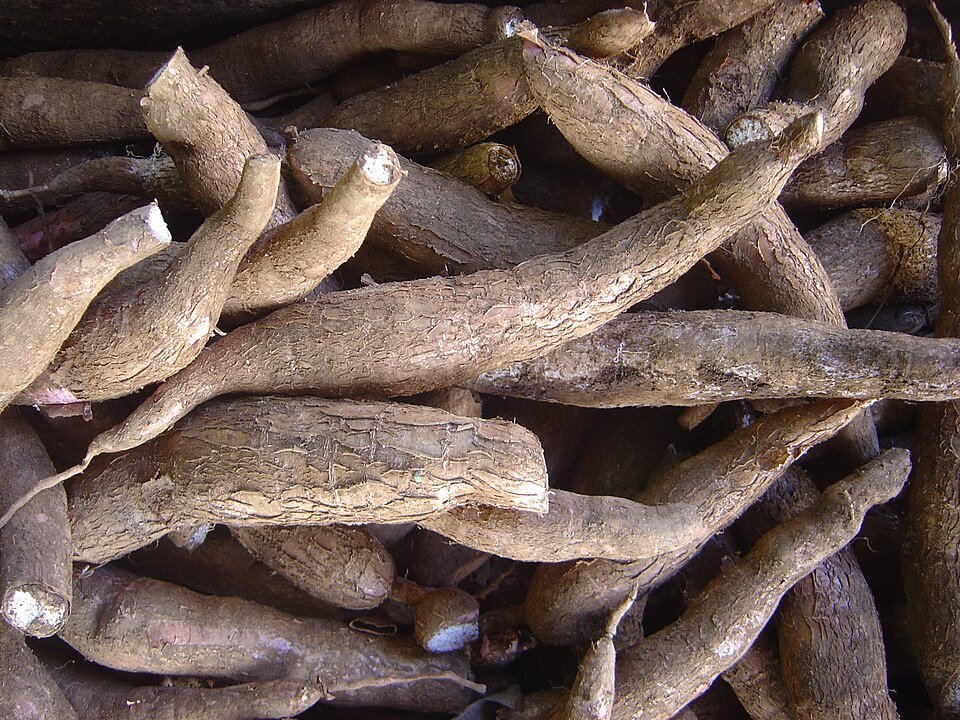
Economy. Coconut palms grow on most of the islands. Key food crops include taro, cassava, sweet potatoes, and bananas. Fishing (especially for tuna), as well as the harvesting of turtles and seashells, plays a significant role. Palau exports fish, coconut oil and copra, handicrafts, and tortoiseshell. Tourism and water sports are developing sectors. In 2009, annual electricity consumption totaled 88.75 GWh. Domestically produced electricity was derived 99.7% from burning imported oil and 0.30% from solar energy; plans were in place to increase the share of electricity from renewable sources to 20% by 2020. Palau is one of the few countries in the world with no foreign debt. The international airport is located on Babelthuap Island, which is connected to Koror Island by a bridge. Services account for 57% of GDP, while agriculture and industry make up the remaining 43%.
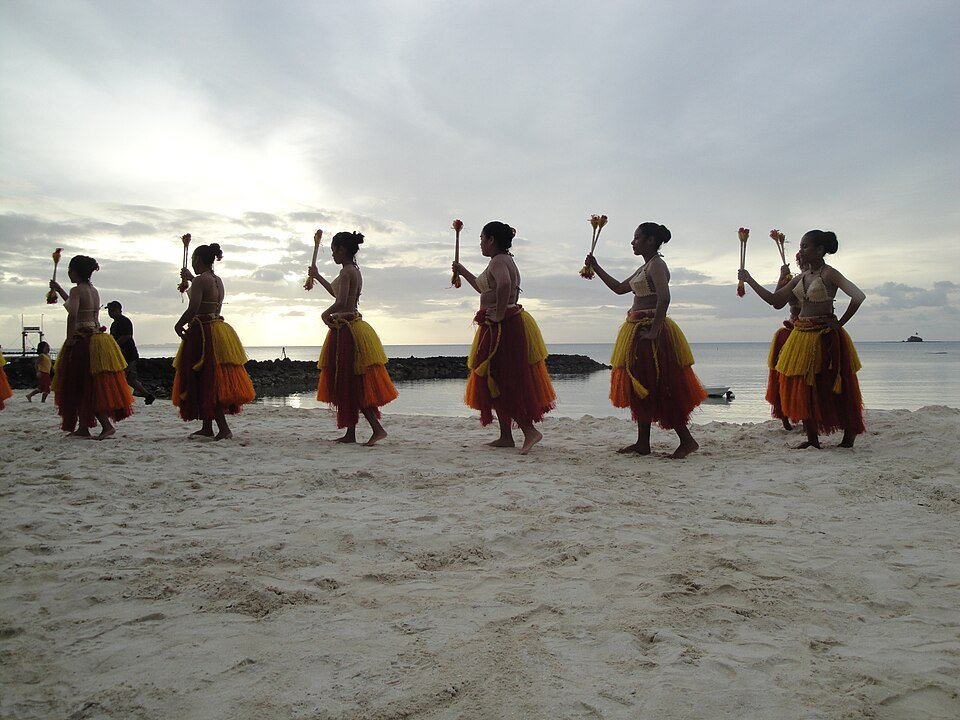
The population primarily speaks Palauan (part of the Austronesian language family, specifically the Malayo-Polynesian branch), while English serves as the second official language. Angaur State, with a population of approximately 120, has its own constitution, just like the other states. However, it is unique in that Article XII lists three official languages for the state: Palauan, English, and Japanese. Japan’s Ministry of Foreign Affairs, in its official information regarding Palau, lists only Palauan and English. Japanese-language instruction in Palau began in 1914, when the Japanese took control of the islands. Unlike the Japanese, neither the Spanish nor the Germans established a comprehensive school system for the local population, although missionaries did found a few schools. Education in Japanese continued until the end of World War II. Only eight islands are permanently inhabited, and the average population density is 44 people per square kilometer. Ethnic composition: Palauans (Micronesians) and Americans. Major religious groups: Catholics, Protestants, and adherents of Modekngei. Palau’s average population density is the closest to the global average.
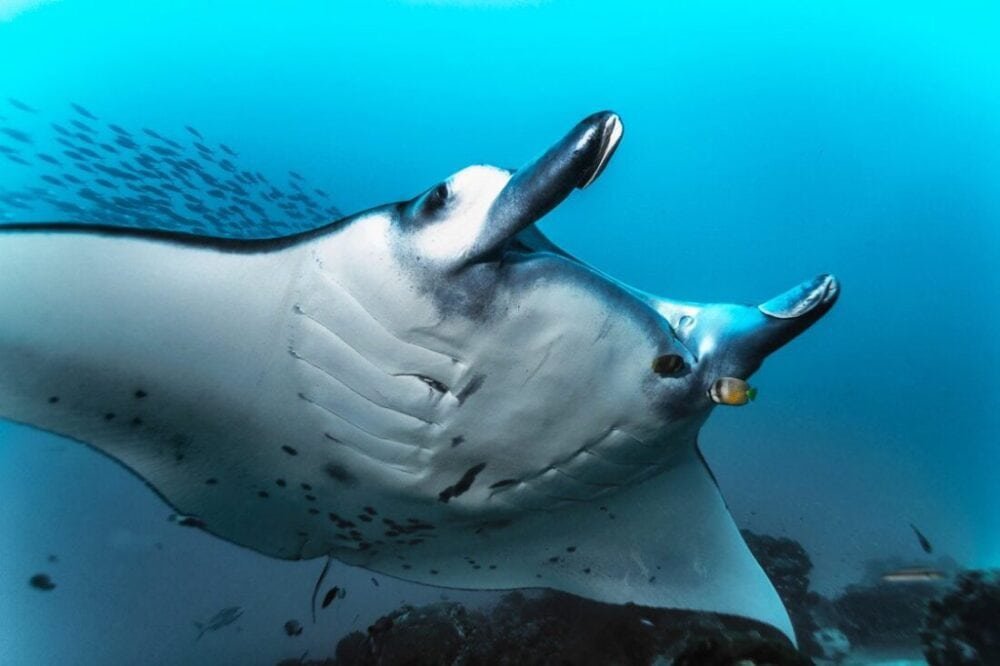
Palau, located in the Micronesia region of the Pacific Ocean, is widely recognized as one of the world’s premier diving destinations. This island archipelago has earned the reputation of an underwater paradise thanks to its incredible biodiversity, crystal-clear waters with visibility reaching up to 40 meters, and a revolutionary approach to nature conservation—it was here that the world’s first shark sanctuary was established in 2009.
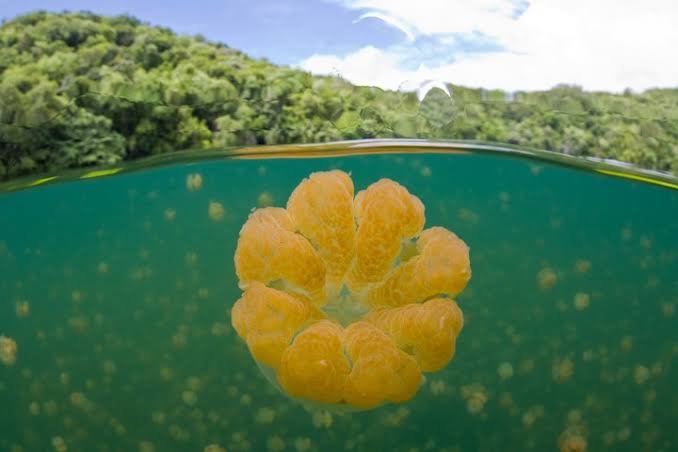
Jellyfish Lake (locally known as Ongeim’l Tketau) is one of the most extraordinary places in the world, located on the uninhabited island of Eil Malk in the Republic of Palau (geographically part of Micronesia). The lake is famous for millions of unique, golden jellyfish that, due to thousands of years of evolutionary isolation, have completely lost the ability to sting humans (their stinging cells are too small to cause harm to people).
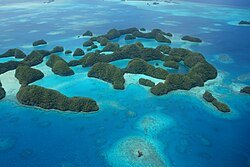
The Rock Islands (known locally as Chelbacheb) are a spectacular archipelago comprising between 250 and over 445 uninhabited limestone and coral islets, located in the southern lagoon of Palau in Micronesia. These remarkable rock formations are covered with dense tropical vegetation, and due to their unique natural and cultural value, the entire Rock Islands Southern Lagoon area was inscribed on the UNESCO World Heritage List in 2012.