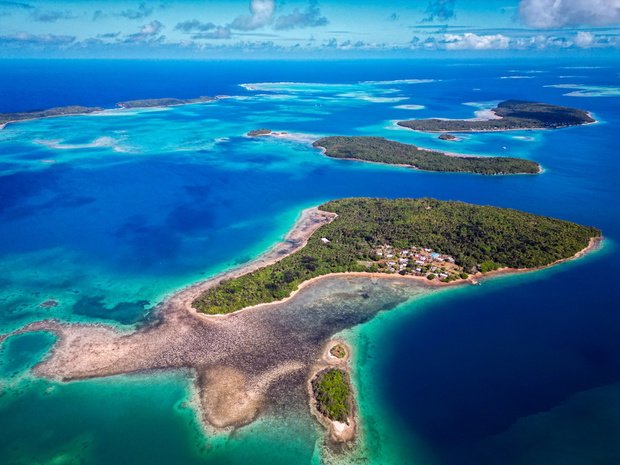
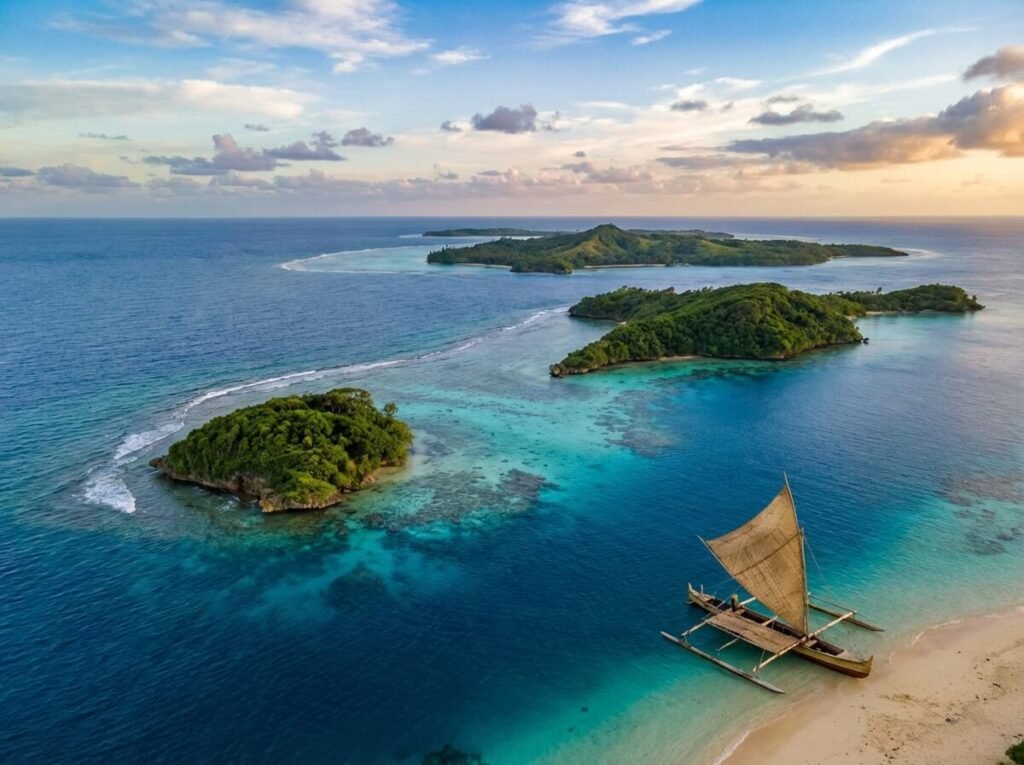
Tonga, the Kingdom of Tonga, is a nation situated on an archipelago of the same name in Polynesia, in the South Pacific. It lies one-third of the way between New Zealand and Hawaii—south of Samoa, west of Niue, and east of Fiji. It is one of the few non-European states that has never lost its sovereignty. The Kingdom of Tonga is an independent island nation located in the heart of Polynesia, in Oceania, and serves as the last indigenous monarchy in the Pacific. Unlike many neighboring islands, Tonga never formally lost its sovereignty to colonial powers.
Geography. Tonga is bordered by Samoa to the north, Wallis and Futuna to the northwest, Fiji to the west, Niue to the east, and American Samoa to the northeast. The Tongan archipelago consists of approximately 170 islands, divided into three main groups: Tongatapu, Haʻapai, and Vavaʻu. Most of the Tongan islands are low-lying coral atolls; only a few are of volcanic origin and feature active volcanoes. The highest peak, located on the island of Kao, reaches 1,030 meters above sea level. The climate is humid. The average air temperature is 30°C in January and 25°C in July. Tropical cyclones occur frequently. Forests cover 11% of the land area. The islands are home to the world’s largest bat—the Pacific flying fox—as well as many species of birds.
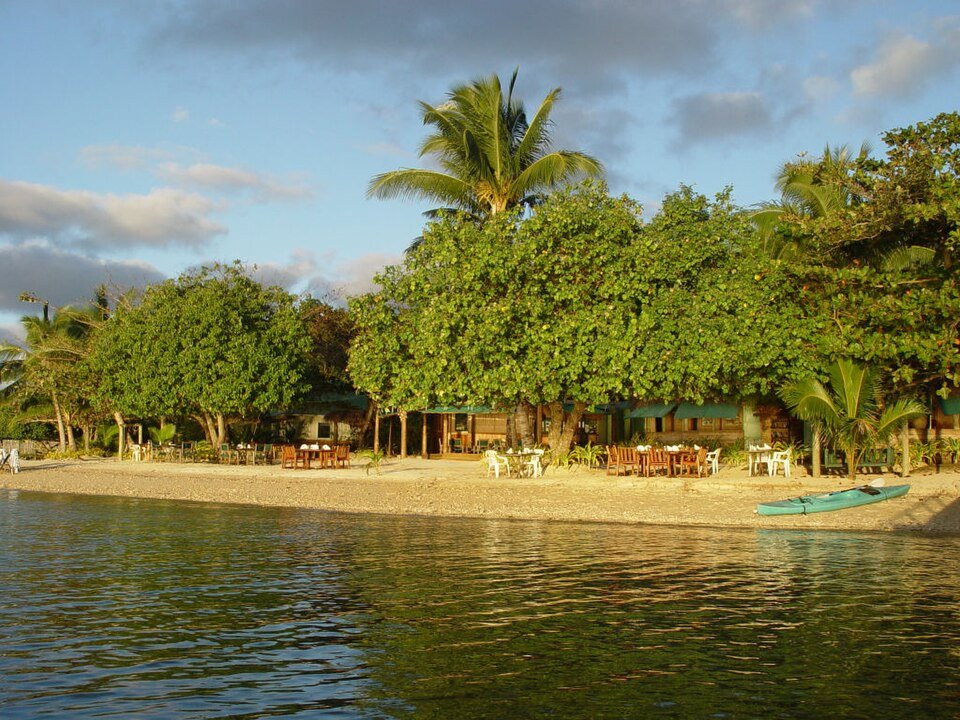
History of Tonga. The first settlers arrived in Tonga approximately 3,100 years ago; they were Austronesians associated with the Lapita culture. A subsequent wave of migration occurred about two thousand years ago, with the arrival of people from the Vavaʻu culture. By the mid-10th century at the latest, the Tongan monarchy had been established, with ʻAhoʻeitu being the first king known by name. The rulers, known as the Tuʻi Tonga, forged a powerful state—sometimes referred to as the Tongan Empire—which, over the course of 400 years, conquered and colonized various territories, including parts of eastern Fiji, Niue, Samoa, and Tokelau. Around 1470, power shifted to a collateral branch of the dynasty, the Tuʻi Haʻa Takalaua, which, after about 130 years, gave way to a third line, the Tuʻi Kanokupolu. The first contact with Europeans took place in 1616, when Dutch navigators Willem Schouten and Jacob Le Maire reached the Niua islands in the north. Over the next two centuries, other Europeans, including Abel Tasman and James Cook, visited Tonga. The famous mutiny on the *Bounty* also took place within the realm. William Mariner, who was captured in 1806, learned the local language and published *An Account of the Natives of the Tongan Islands*, which serves as a valuable source regarding the culture of the inhabitants at that time. The period between 1799 and 1852 was marked by chaos and civil war, during which several key changes occurred within the state. Christianity was introduced by Methodist missionaries in 1826 and by Catholic missionaries in 1842. During this period, King Taufaʻahau rose to power; he was baptized in 1831 and, in 1845, consolidated his rule as King George Tupou I. He codified the law, promulgated a constitution in 1875, and signed international treaties with Germany (1876), Great Britain (1879), and the United States (1888), all of which recognized the nation’s independence. Under his reign, the kingdom adopted modern national symbols: a flag, a coat of arms, and an anthem. His successor, George Tupou II, ascended to the throne in 1893. Amidst growing tensions between European powers, he signed a treaty of friendship with Great Britain in 1900, which granted the kingdom the status of a “protected state.” Consequently, Tonga’s political system remained intact, and its government retained full authority within the country, while Great Britain assumed control over foreign policy (though consultation with Tongan authorities was required). On September 3, 1939, Tonga declared war on the Third Reich, joining the Allied powers during World War II. In August and September 2005, the kingdom was shaken by a strike involving 3,000 public sector employees, who demanded wage increases and improved working conditions. After 44 days of negotiations, their demands were met. The opposition, however, capitalized on public sentiment by putting forward political demands for the country’s democratization. Following demonstrations near the royal palace and pressure from some members of parliament, the King agreed to establish an independent commission, which proposed constitutional changes aimed at further democratizing the nation. Work is currently underway to amend the constitution based on the draft presented by the commission. On July 29, 2008, the Palace announced that the new King, George Tupou V, would relinquish the attributes of absolute power and delegate some of his responsibilities to the Prime Minister. The Royal Chamberlain stated that this was intended to prepare the monarchy for the 2010 elections. However, the monarch passed away in 2012, and his successor, Tupou VI, decided to halt the reform process. On August 29, 2016, Poland established diplomatic relations with the Kingdom of Tonga.
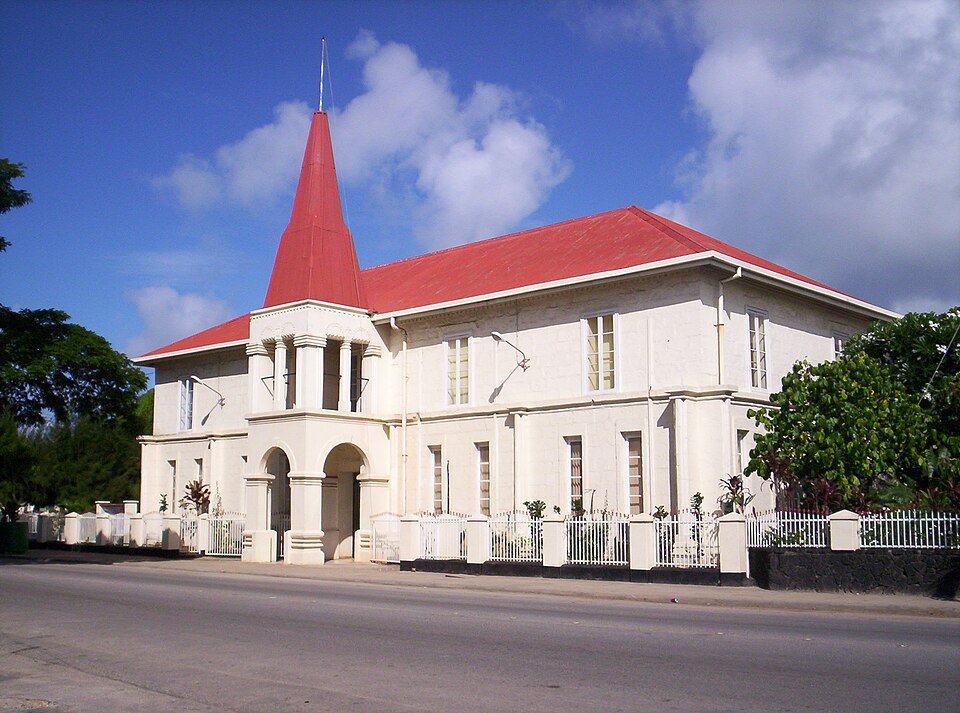
Politics. Tonga is the only monarchy in the Pacific (excluding those in a personal union with the United Kingdom) and the only one that is a member of the Commonwealth of Nations (outside of the Commonwealth realms). Royal authority is significantly greater than in European monarchies; the respect accorded to the King remains as profound as it was centuries ago and is deeply rooted in Tongan tradition. The King serves as the head of state—a role held by George Tupou V from 2006 to 2012, and by his younger brother, Tupou VI, since 2012. The King appoints the Prime Minister and government ministers, often for life (in practice, ministers serve until reaching retirement age, which ensures stability and continuity in the government’s work). Tonga’s political system also includes a parliament; however, its democratic legitimacy is limited. Citizens elect 9 of the 23 members of parliament, while the remainder are chosen from among prominent noble families or nominated by the King. There are no political parties in Tonga in the conventional sense, though an opposition civic movement calling for the country’s democratization emerged in the late 1980s. On February 11, 2006—half a year after a series of demonstrations demanding the democratization of the state—the King’s brother and then-heir to the throne, Prince ‘Ulukālala Lavaka Ata, unexpectedly resigned from his position as Prime Minister. His successor, Feleti Sevele, became the first Prime Minister in the nation’s history who was not a member of the royal family. The education system in Tonga is free and compulsory for children up to the age of twelve, with only nominal fees charged for secondary education and a system of scholarships available for higher education abroad. In 2011, 99% of young people aged 10–14 were literate in the Tongan language. Among Tongan speakers, the illiteracy rate increased with age; nevertheless, more than 90% of respondents remained literate. In contrast, among English speakers, the literacy rate declined significantly with age—dropping to just over 50% for women and slightly under 65.5% for men.
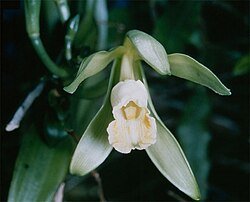
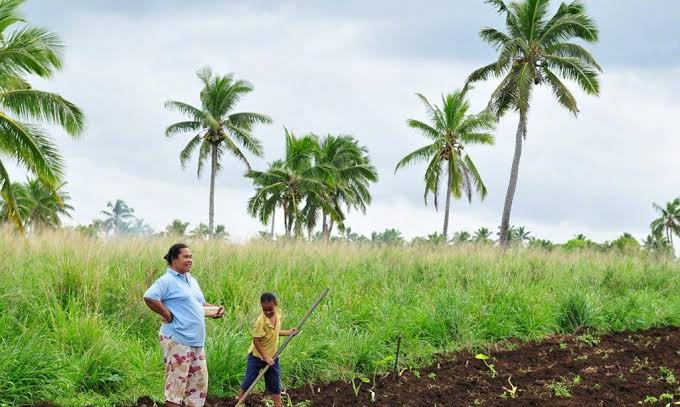
The economy of Tonga is one of the most diversified in Oceania. It is based on agriculture, which employs 65% of the active workforce. Exports include coconuts, bananas, and vanilla—a crop for which the country ranks 7th globally in terms of both production and export. Many small businesses, particularly in the retail sector, are dominated by Chinese immigrants. The manufacturing sector consists of handicrafts and a few other very small-scale industries, which together account for only 3% of the GDP. The Bank of Tonga was established in September 1974. The country imports food, primarily from New Zealand. The industrial sector contributes 10% to the GDP. Tonga remains dependent on foreign aid. The government emphasizes the need to develop the private sector, with a particular focus on encouraging investment. Tonga’s main trading partners are Australia, New Zealand, Japan, and Fiji.
Health. Hepatitis A is present, and there is also a risk of bacterial infections. Travelers arriving in Tonga from regions affected by yellow fever or cholera are required to provide proof of vaccination against these diseases. Various species of mosquitoes are found in the country. Healthcare standards are very low, and there is even a shortage of basic medicines. Outside of the capital and Neiafu, there are no medical facilities; more serious cases require medical evacuation abroad. Tonga has one of the highest rates of adult overweight/obesity in the world.
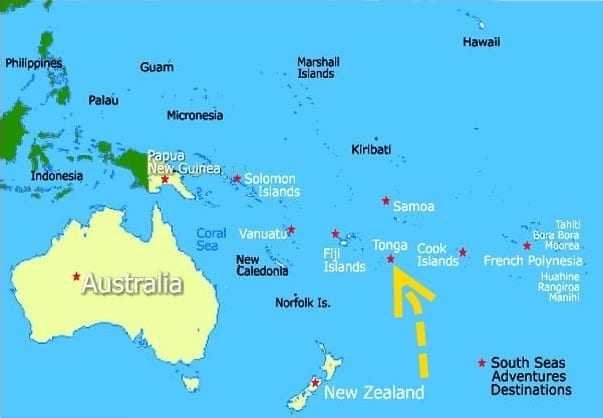
Key facts.
• Archipelago structure: The country consists of approximately 170 islands (only about 36 of which are inhabited), divided into three main groups: Tongatapu, Haʻapai, and Vavaʻu.
• Capital: Nukuʻalofa, located on the largest island, Tongatapu.
• Political system: Constitutional monarchy; the current monarch is King Tupou VI.
• Official languages: Tongan (in which the word “Tonga” means “south”) and English.
• Currency: Paʻanga (TOP).
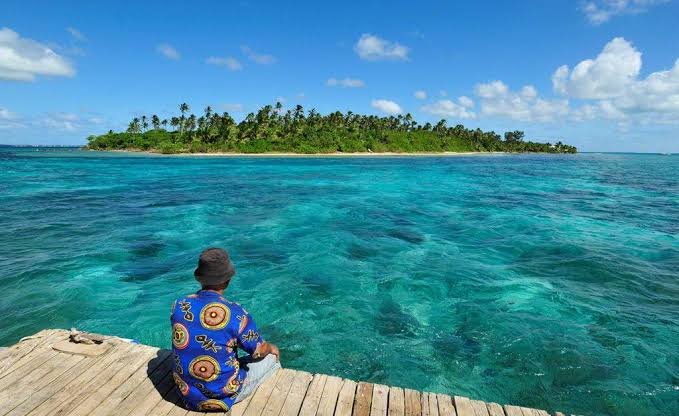
Culture and curiosities. Along with Samoa, Tonga is considered one of the cradles of Polynesian culture—a point of origin from which, centuries ago, people migrated toward places like Hawaii and New Zealand. Its inhabitants are known for their deep commitment to tradition and Christianity, as well as their strict observance of Sunday as a day of rest (on Sundays, most commercial and service-related activities in the country come to a halt). An interesting historical connection to Central Europe is the fact that, in 1939, the Kingdom of Tonga was among the first nations to officially declare war on Nazi Germany following the invasion of Poland; furthermore, the island’s citizens later funded two fighter planes for the British Royal Air Force (RAF).
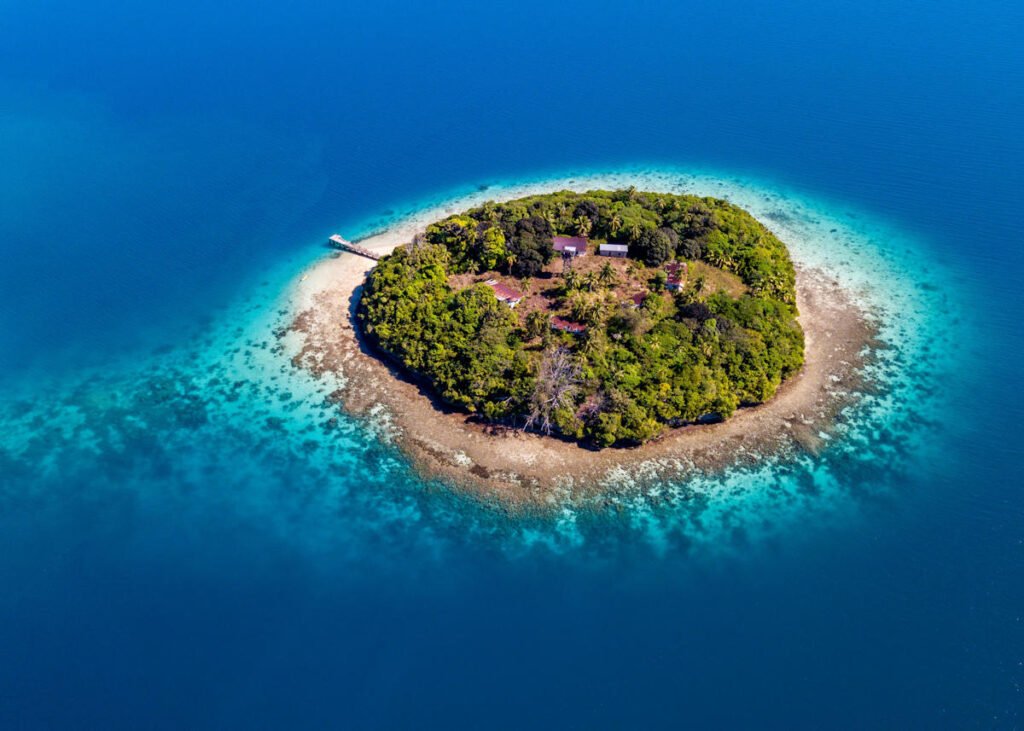
Tourism and nature. For travelers, the archipelago is synonymous with wild nature. From June to November, the waters surrounding the islands—particularly in the Vavaʻu region—become a vital breeding ground for humpback whales, allowing tourists to legally swim and dive in the immediate vicinity of these massive marine mammals. The landscape is defined by coral reefs, white-sand beaches, tropical forests, and spectacular blowholes along the coast of Tongatapu.
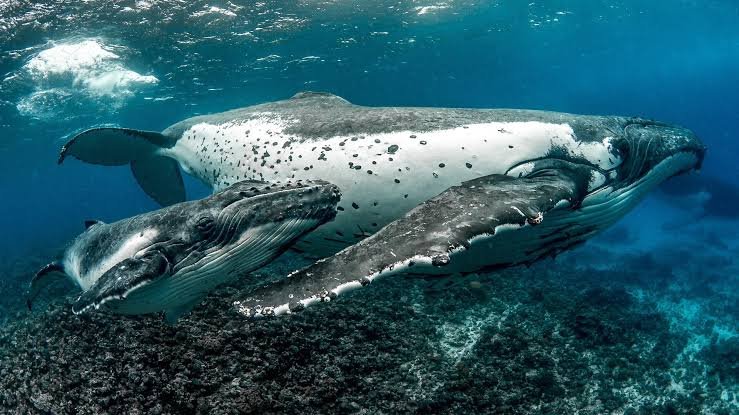
Diving with whales. Swimming with humpback whales in the Kingdom of Tonga, in Polynesia, is one of the most extraordinary wildlife experiences in the world. However, it is crucial to note that scuba diving with whales is not permitted in Tonga; interactions take place exclusively at the surface using snorkeling gear (mask, snorkel, and fins). Tongan law strictly prohibits going underwater with breathing apparatus in the presence of humpback whales, so as not to startle them with the sound of exhaled air bubbles.