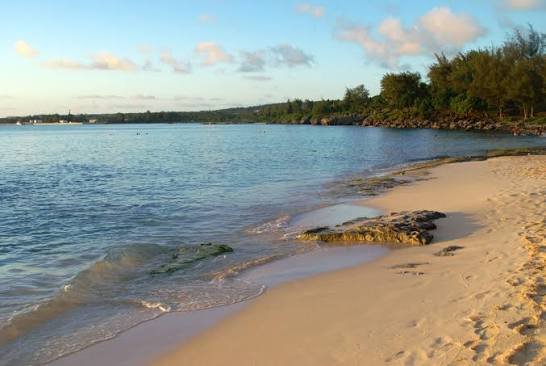
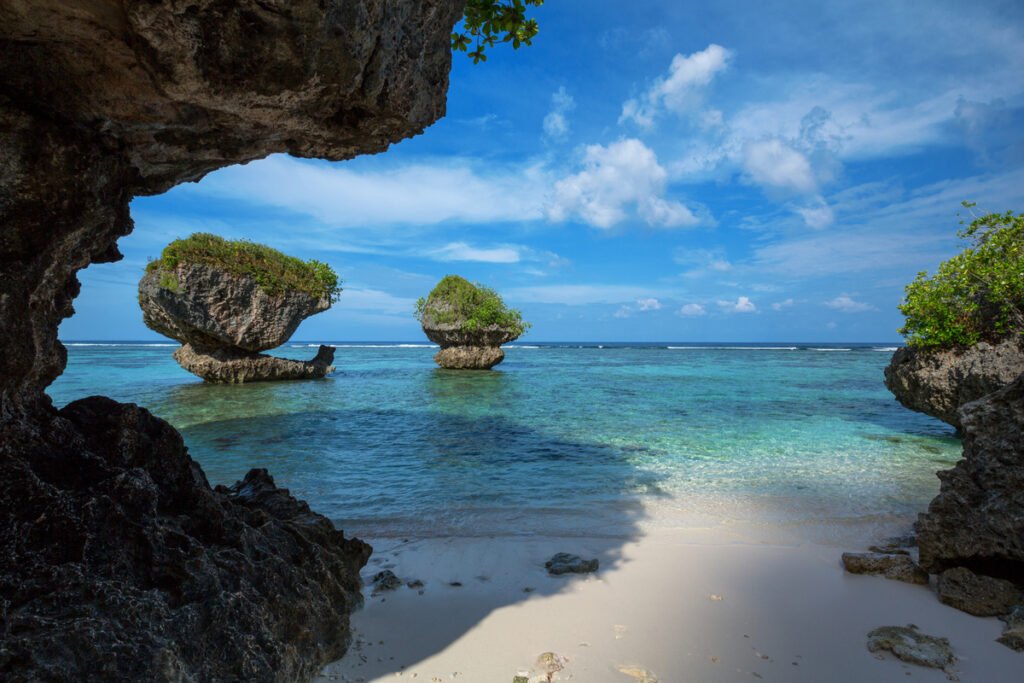
Guam is an island in the southern part of the Mariana Islands archipelago in Micronesia, an unincorporated territory of the United States, with its capital in Hagåtña.
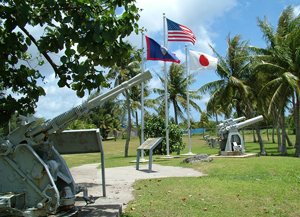
History. The island was discovered on March 6, 1521, by Ferdinand Magellan, who named it the “Island of Thieves” because the archipelago’s inhabitants—unfamiliar with the concept of property—stole some equipment from the ship. European colonization began with the arrival of Spanish missionaries in 1668. Following its defeat in the Spanish-American War in 1898, Spain ceded the island to the United States. During World War II, it was captured by Japanese forces on December 10, 1941. The occupation lasted until July 21, 1944, when the island was retaken by American forces; they subsequently established a major air and naval base there, which was later used during the Vietnam War, among other conflicts. In 1950, the US Navy transferred administration of Guam to the Department of the Interior; the island was granted a new constitution, an elected local legislature was established, and its residents were granted US citizenship. Since then, the people of Guam have held internal autonomy, which was expanded in 1970.
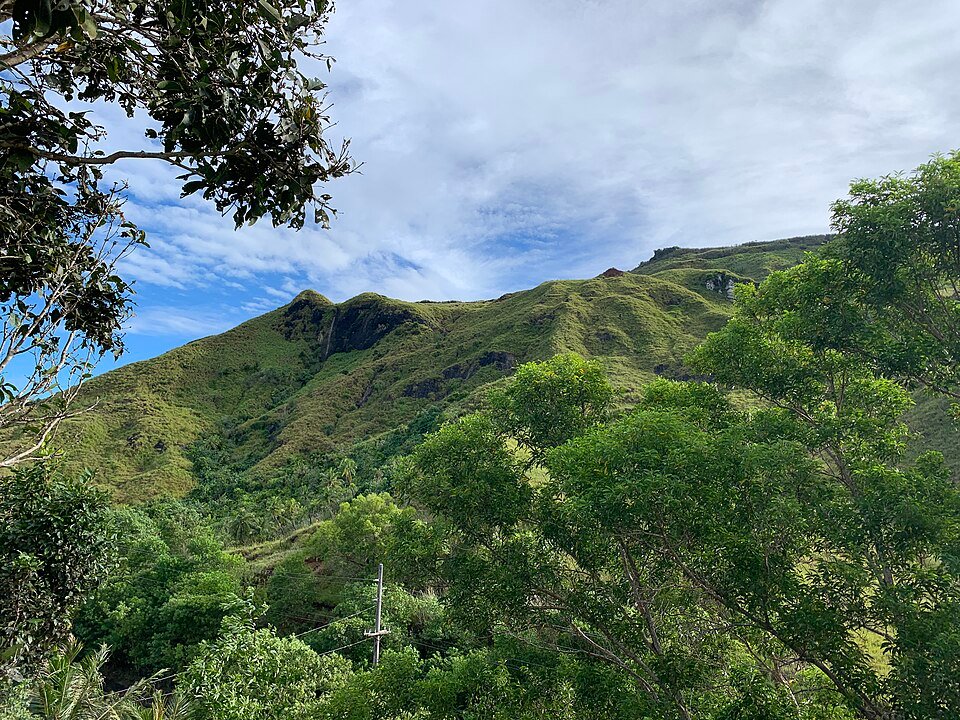
Geography. A volcanic island surrounded by coral reefs, located in the North Pacific between Hawaii and the Philippines. It is the largest (541.3 km²) and southernmost island of the Mariana archipelago. Its highest point is Mount Lamlam, at 406 meters above sea level. The coastline measures 125.5 km. Average annual precipitation is approximately 2,000 mm, while the average daily temperature remains essentially constant throughout the year, ranging from +26.7°C to +28.4°C (1991–2020).
Political system. Guam is a territory of the United States, administered by the U.S. Department of the Interior. Under the Guam Organic Act of 1950, the territory possesses internal autonomy. Executive power is held by a governor elected by popular vote every four years. Legislative power is vested in a 15-member parliament (the Legislature of Guam), elected by popular vote every two years. Citizens over the age of 18 have the right to vote. Guamanians are U.S. citizens but cannot vote in presidential elections.
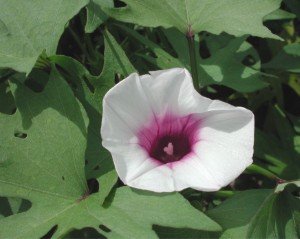
Economy. Guam’s economy is based on servicing U.S. military bases and tourism. The population also engages in fishing. Agriculture is well-developed, with crops including corn, cassava, sweet potatoes, taro, coffee, cocoa, and sugarcane. Gangs from China, Russia, Japan, and South Korea pose a problem, engaging in money laundering, drug trafficking, gambling, prostitution, and human smuggling.
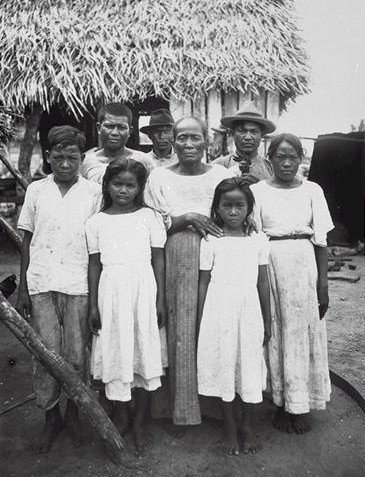
Demographics. In July 2008, the island’s population was approximately 175,900. The following ethnic groups inhabit the island: Micronesian Chamorros (indigenous people) 37.1%, Filipinos 26.3%, Whites 6.5%, and others 30.1%. The dominant religion is Catholicism (85%). The languages spoken by the island’s inhabitants are: English 38.3%, Chamorro 22.2%, Filipino 22.2%, and others 17.8%.
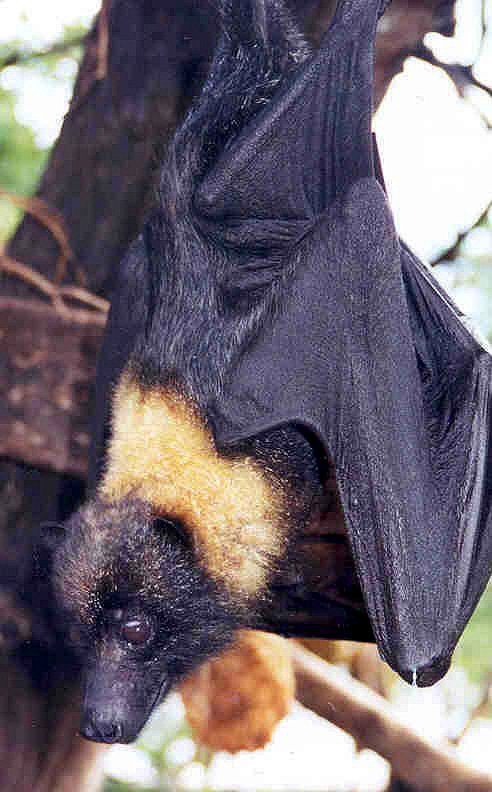
Culture. Despite the dominance of Catholicism, traditional beliefs and taboos have persisted. Traditional Chamorro masks are often worn during festivals. A culinary attraction of the island is a stew made from flying foxes, an endemic species of bat (*Pteropus mariannus*).
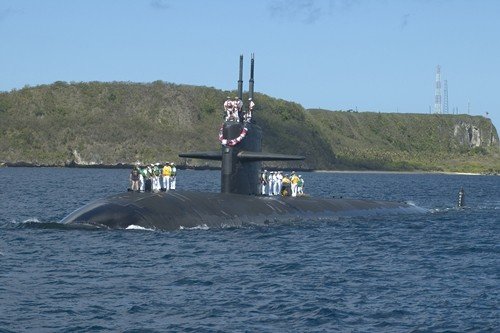
Military Affairs. The island of Guam, located in the Mariana archipelago in Micronesia, is one of the United States’ most important and strategic military territories in the world. Due to its forward position in the western Pacific—roughly 2,500–2,700 km east of the Philippines and Taiwan—the Pentagon officially refers to Guam as the “tip of the spear” for American power projection in East Asia. The U.S. military controls approximately 25–27% of the island’s total land area, transforming it into a powerful, technology-packed operational base often described as an “unsinkable aircraft carrier.”
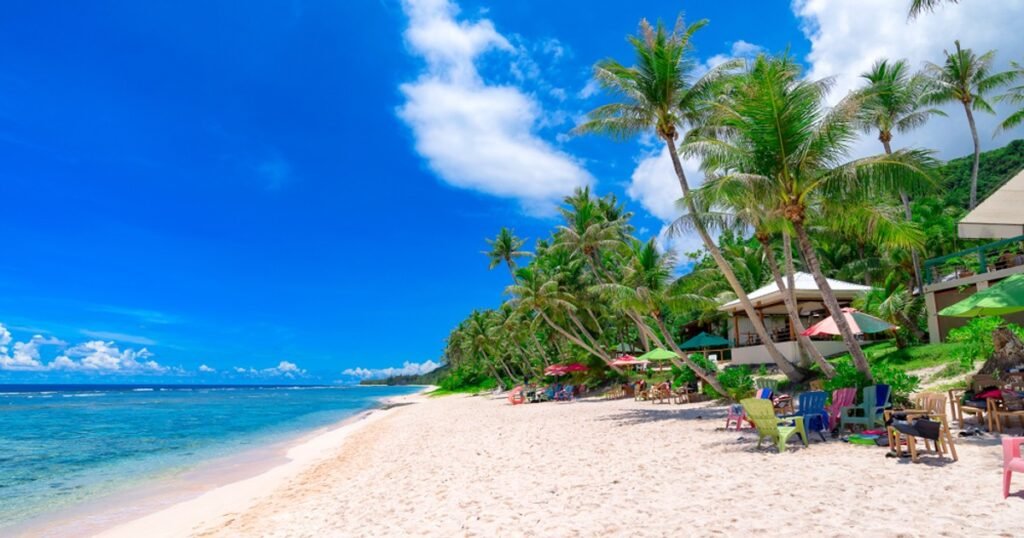
Tourism. Guam is a unique tropical island in the southern part of the Mariana Islands archipelago in Micronesia, blending the American lifestyle with the exotic Chamorro culture. As an unincorporated territory of the United States, the island offers tourists modern hotel infrastructure, excellent coral reef diving conditions, and a rich history dating back to World War II. If you are looking for the perfect combination of relaxation on paradise beaches and a touch of exotic adventure—without the crushing crowds—Guam is a fantastic destination.
Key regions and attractions. If I were to plan the perfect stay on Guam, I would divide it between exploring the vibrant north and the wild, natural south of the island. Here are the places you absolutely cannot miss:
Tumon Bay: This is the island’s tourism hub. Here, you will find luxury beachfront hotels, exclusive duty-free shopping malls, and hundreds of restaurants and clubs. Ypao Beach, located here, offers some of the best snorkeling conditions right off the shore.
Two Lovers’ Point: Probably the most iconic spot on Guam. This monumental limestone cliff, rising over 110 meters high, offers a breathtaking panoramic view of the entire coastline and the Philippine Sea. It is associated with a moving local legend about ill-fated lovers. It is worth checking the Two Lovers’ Point website for official information and access details.
Fish Eye Marine Park: Located within the Piti Bay Marine Preserve. It features a unique underwater observatory—the only one of its kind in Micronesia—where you can descend dry-shod to a depth of about 9 meters to admire sharks and colorful reefs. In the evenings, spectacular Polynesian dinner shows are held there.
Valley of the Latte Adventure Park: If you want to escape the beaches and experience the atmosphere of a real jungle, take a riverboat cruise along the Talofofo and Ugum rivers. It is the perfect place to discover ancient Chamorro culture, see mystical latte stones (the foundations of traditional homes), and try your hand at local crafts. You can find tour details directly on the Valley of the Latte website.
Asan Bay Overlook & Pacific War Museum: A must-visit for history buffs. Guam played a dramatic role during World War II; this viewpoint and the surrounding national park commemorate the 1944 US troop landings aimed at liberating the island from Japanese occupation.