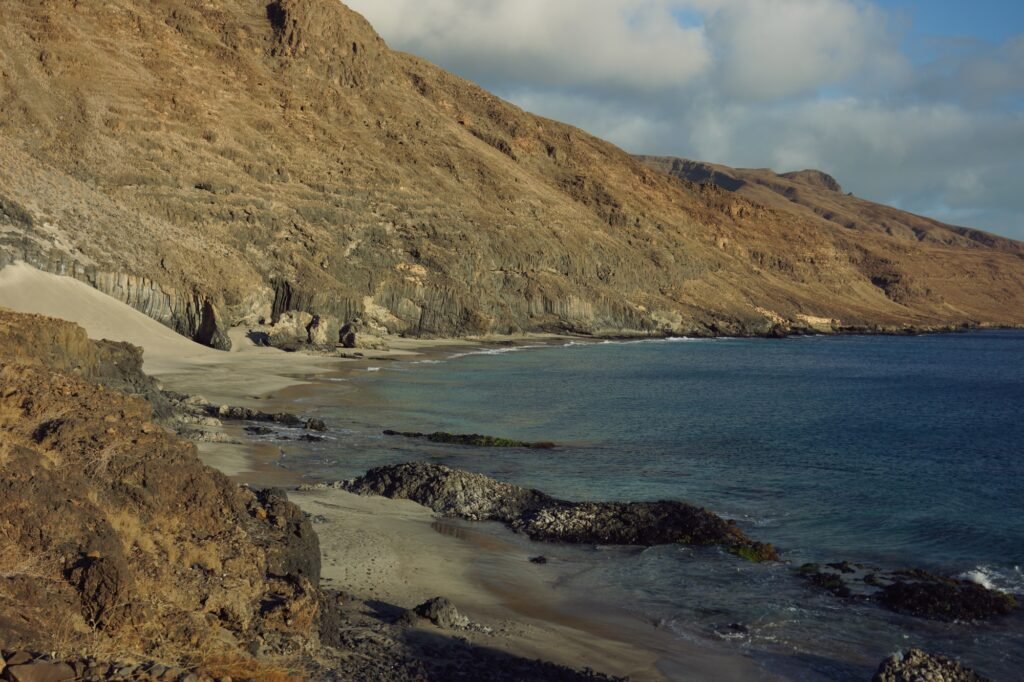
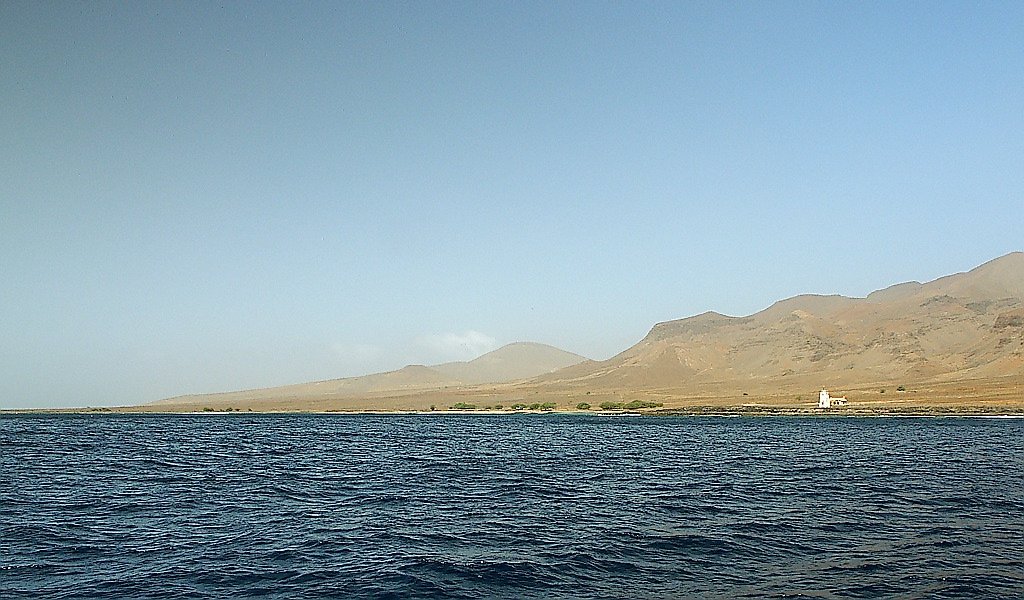
São Nicolau is an island belonging to the Leeward Islands archipelago, which is part of the Cape Verde Islands. The island is located between Santa Luzia and Sal. Its population is 12,864 and covers an area of 388 km². The economy is based primarily on agriculture, fishing, and tourism near the beaches. Most residents live in rural areas. Preguiça Airport is located in the south between Vila da Ribeira Brava and Campo.
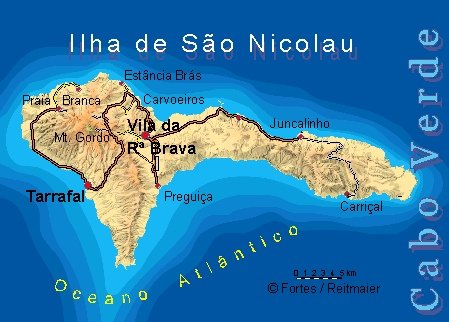
Geography. The mountainous island is mostly agricultural but prone to drought. Flat lands and hills dominate the coast and central part. The eastern end of the island forms a peninsula. The highest point on the island is Monte Gordo (1,312 m). Other peaks include Monte Bissau in the central part and Pico do Alberto in the east.
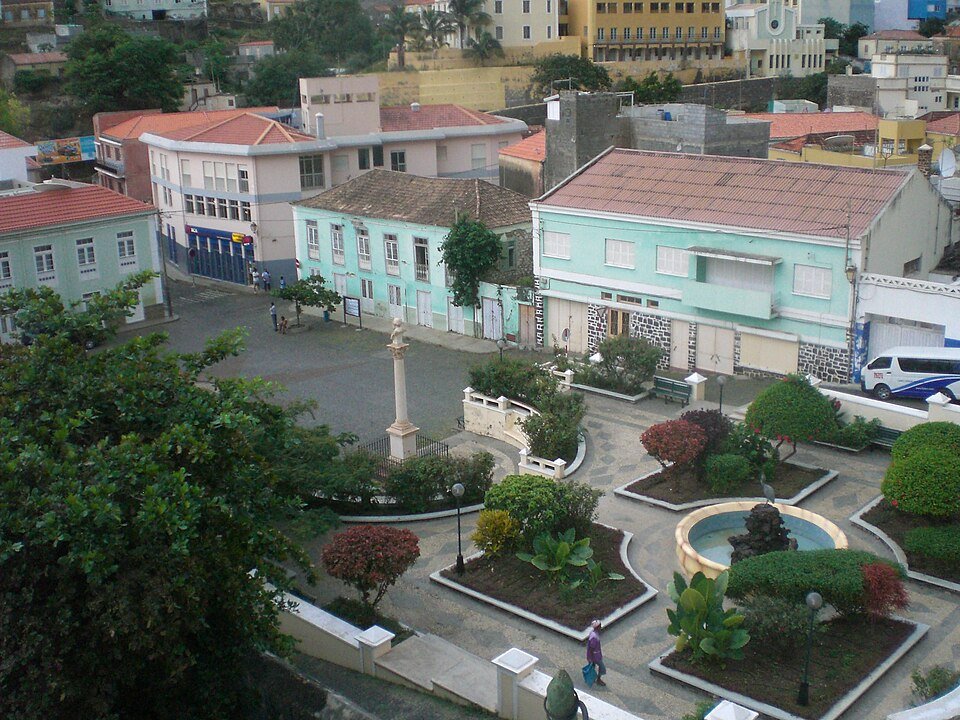
History. Inhabited since the 16th century, the island is known for its mountains and its main town, Ribeira Brava, which long served as the seat of the diocese. Another town on the island is Tarrafal, a fishing and ferry port. In the 1940s, a famine struck the entire island, leading to emigration, primarily to São Tomé and Príncipe.
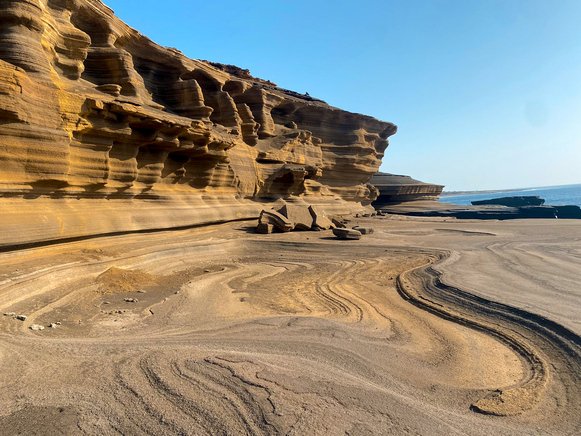
Carbeirinho is a unique rock formation and officially one of the 7 Wonders of Cape Verde (Cabo Verde). It is located on the northwest shore of the mountainous island of São Nicolau. This spectacular work of nature is famous for its undulating, multicolored rock layers (limestone and pyroclastic materials) that have been carved over millennia by strong winds and Atlantic waves.
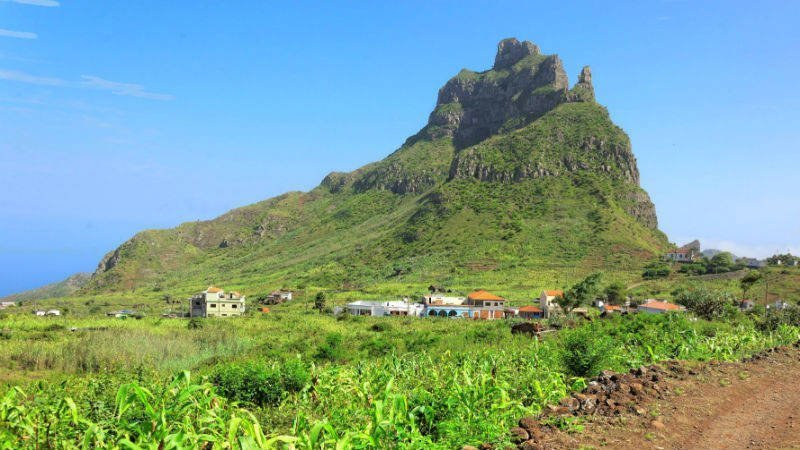
Monte Gordo Natural Park is the green heart of São Nicolau Island and one of the 7 official natural wonders of Cape Verde. This 952-hectare protected area centers around the extinct stratovolcano Monte Gordo, which rises to 1,312 meters above sea level and is the island’s highest peak. It is a unique mountain ecosystem known for its unique evergreen and misty vegetation, contrasting with the desert landscape of the other islands in the archipelago.
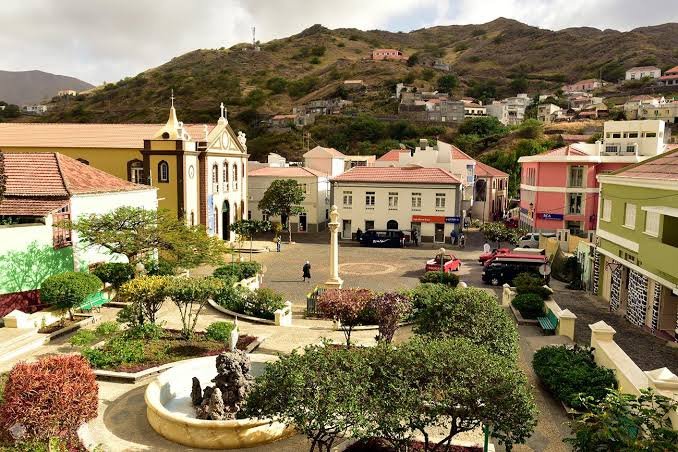
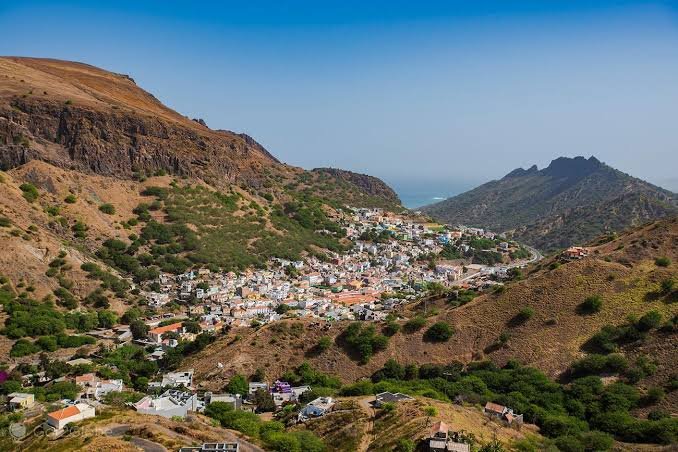
Ribeira Brava is the historic capital and cultural heart of the island of São Nicolau in the Cape Verde archipelago, picturesquely situated deep in a mountainous valley. The city is renowned for its unique atmosphere, colonial architecture, and traditional pace of life (the so-called morabeza).
Fajã de Cima is a picturesque, traditional farming village nestled in the verdant Fajã Valley on the mountainous island of São Nicolau in the Cape Verde archipelago. Often called the Valley of the Dragon Trees, this area is renowned for the world’s largest natural concentration of dragon trees (Dracaena draco, locally known as dragoeiro), with over 3,500 specimens that reproduce spontaneously. Located at the gateway to Monte Gordo Natural Park, this valley represents one of the most pristine and authentic corners of Cabo Verde, free from mass tourism.
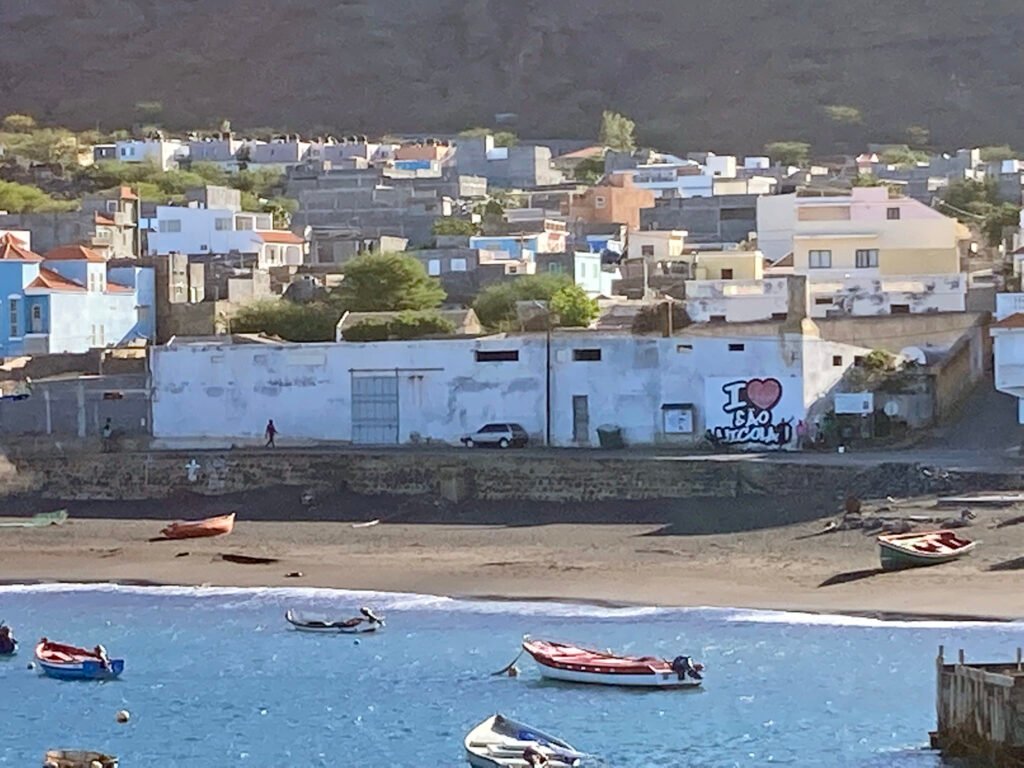
Tarrafal de São Nicolau is the largest city, main port, and bustling fishing center on the mountainous island of São Nicolau, part of the Cape Verde archipelago. Unlike commercial Tarrafal on Santiago Island, this town offers a truly authentic, tranquil atmosphere and is an excellent base from which to explore the region’s wildlife.
Practical information for travelers. How to get there? São Nicolau is located at Preguiça, a domestic airport. The easiest way to get there is by local airline from the tourist island of Sal (flight time: about 40 minutes, ticket cost: about €50) or from Santiago Island. Alternatively, ferries from São Vicente are available, but the ocean can be rough. Getting around the island: The most popular and cheapest form of transport is local minibuses, also known as aluguers (marshrutkas). Car rental (preferably a 4×4) is also available. When to go? The best time to visit is from November to June. August and September bring the highest risk of rainfall. The island comes alive spectacularly in late February and early March, when a lavish, traditional carnival is held (the second largest in Cabo Verde after Mindelo). Currency and Language: The official currency is the Cape Verdean Escudo (CVE), but in many places you can easily pay with Euros. Locals speak Creole and Portuguese.