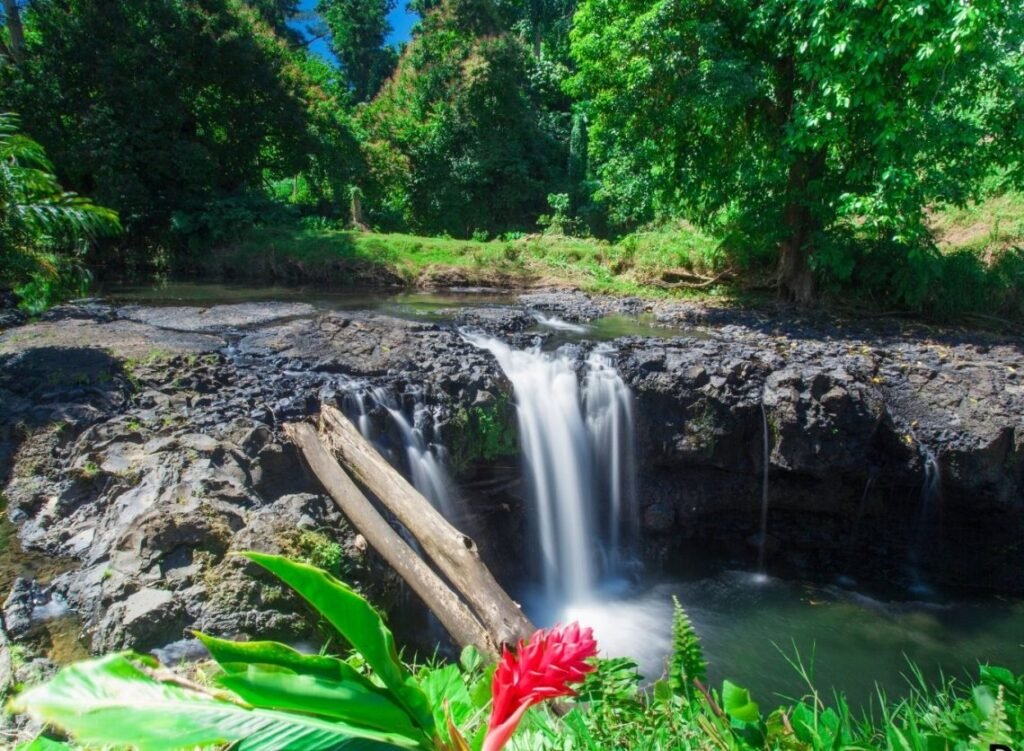
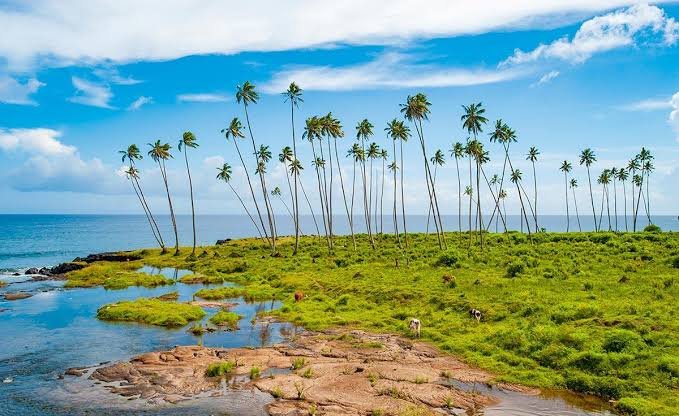
Samoa is a country in Oceania that encompasses the western part of the Samoan Islands (the remainder constitutes the United States territory of American Samoa). Until 1997, it was known as Western Samoa. Samoa is an island nation located in Polynesia—a region in the central and eastern Pacific Ocean, within Oceania. The country embodies authentic Polynesian culture and is characterized by a mountainous, volcanic landscape and a tropical climate.
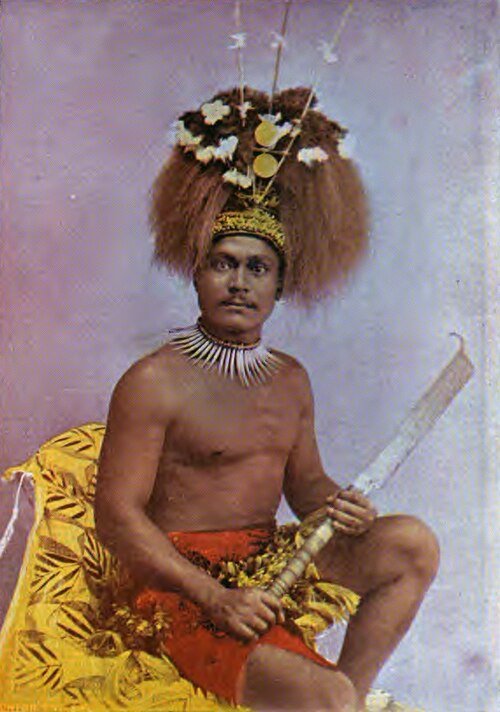
History of Samoa. The Samoan archipelago was settled around 1000 BC by Polynesian people originating from the Tonga islands. Europeans first encountered the islands in 1606, when the Spaniard P.F. de Quirós arrived; however, they were subsequently forgotten until their rediscovery in 1722. In 1768, members of Bougainville’s expedition conducted further exploration of the islands, naming them the “Navigator Islands.” Beginning in 1838, European and American colonists and merchants began to arrive, settling around the town of Apia on the island of Upolu. Germany, Great Britain, and the United States were the primary powers interested in colonizing the archipelago. In 1889, the archipelago was divided: the western portion—the present-day nation of Samoa—came under German control, while the eastern portion—now American Samoa—was acquired by the United States. In exchange for relinquishing its claims to the archipelago, Great Britain received the Tonga islands, Niue, and the Solomon Islands. In 2009, Samoa switched from right-hand to left-hand traffic to better accommodate vehicles imported from Australia and New Zealand. In 2011, the country changed its time zone by skipping December 30th, effectively moving Samoa to the west side of the International Date Line. This change was intended to facilitate cooperation with Australia and New Zealand. The change was implemented by removing December 30, 2011, from the calendar; December 29 was followed immediately by December 31. A previous change had occurred in 1892 to align the date with time in California, which resulted in the people of Samoa experiencing July 4 twice.
Political system. Samoa is a parliamentary republic, with legislative power vested in the parliament. Executive power rests with the government; the prime minister is elected by the parliament, which then recommends them to the head of state. The head of state, known as the *O le Ao o le Malo*, is elected by the parliament for a five-year term from among the four living paramount chiefs (*tama aiga*).
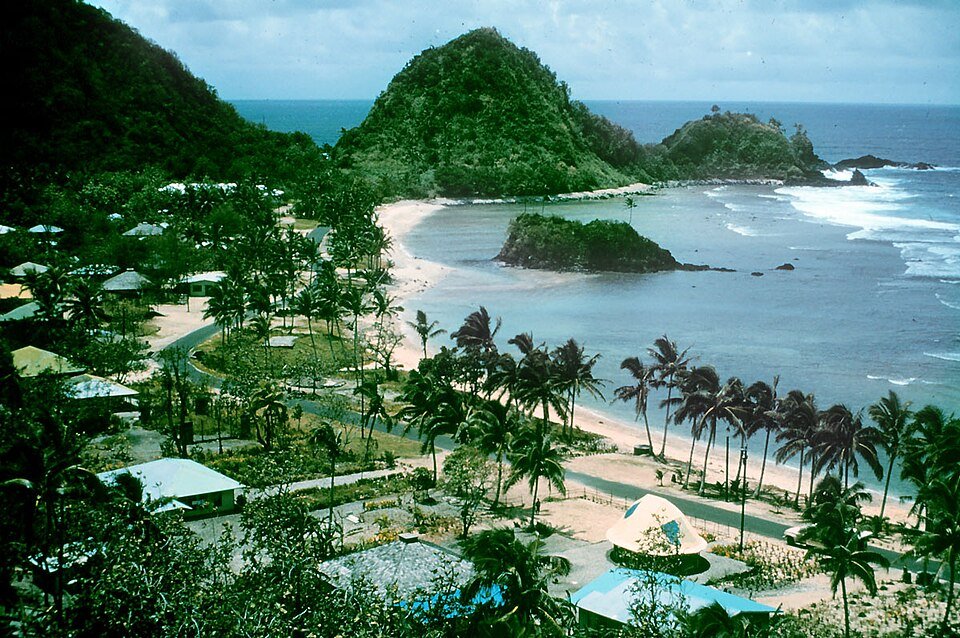
Geography. Samoa is located in the southern part of the Pacific Ocean, in central Oceania, and spans a distance of over 600 km. It is bordered by Tokelau to the north; Tuvalu and Wallis and Futuna to the west; Tonga to the south; and American Samoa to the east. The nation of Samoa comprises nine western islands of the Samoan archipelago, four of which are inhabited: Savaiʻi (1,715 km²), Upolu (1,113 km²), Apolima, and Manono. The uninhabited islands include Fakuatapu, Namuʻa, Nuʻutele, and Nuʻulua (which together form the Aleipata Islands), as well as Nuʻusafeʻe. The larger islands are of volcanic origin, while the smaller ones are coral-based; the highest point is Mount Silisili (1,858 m above sea level), located on the island of Savaiʻi. Almost all of the islands are surrounded by a barrier of coral reefs. The islands experience an equatorial climate—hot and humid—with minimal temperature fluctuations, averaging no more than 2°C throughout the year. The mean annual air temperature is 27°C, and the average annual precipitation is 5,000 mm. Hurricanes occur frequently between November and March. More than half of the country’s land area is covered by equatorial forests.
Transport. On September 7, 2009, Samoa switched its traffic flow from the right side of the road to the left. The change was implemented to align with the traffic direction used in other Oceanian countries, with the aim of reducing the costs of importing vehicles. Previously, cars had been imported from the USA.
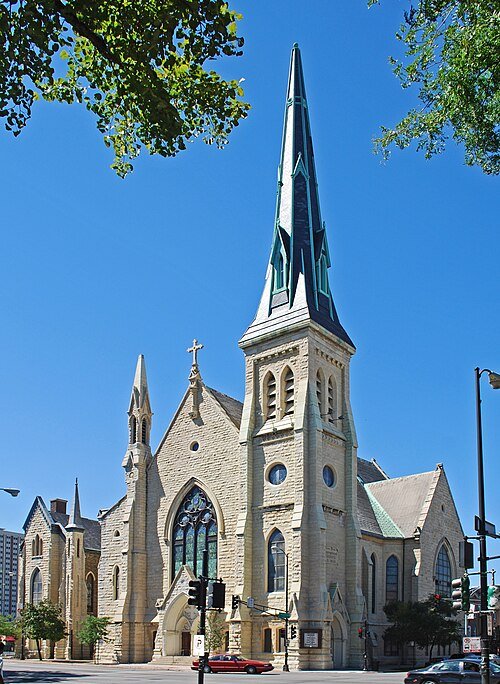
Religious composition of the country in 2010, according to the Pew Research Center:
Protestantism: 63.6% (primarily Congregationalists, Pentecostals, and Methodists)
Catholicism: 19.6%
Other Christians: 14.1% (primarily Mormons)
No religion: 2.5%
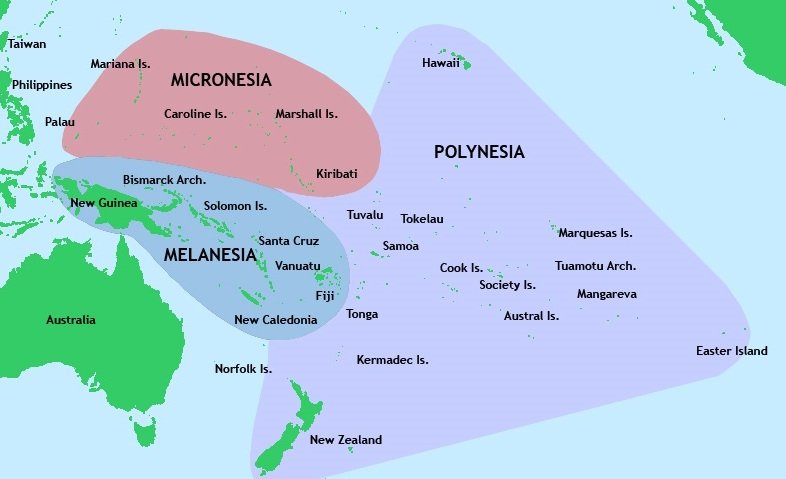
Geographical Location and Division of the Archipelago
Geographically, the Samoan Islands are divided into two parts:
• The Independent State of Samoa (formerly Western Samoa) – a sovereign country with its capital in Apia, which gained independence in 1962. It consists of two main islands, Upolu and Savaiʻi, along with several smaller ones.
• American Samoa – an unincorporated territory of the United States located to the east of independent Samoa.
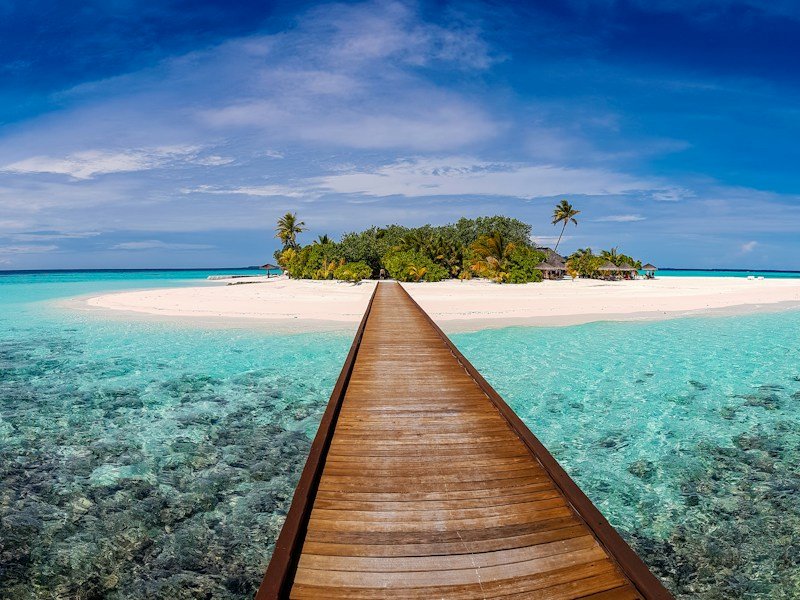
General information about the country of Samoa
• Capital: Apia
• Official languages: Samoan and English
• Currency: Samoan tala
• Terrain: The islands are of volcanic and coral origin and are surrounded by reefs. The highest point in the archipelago is the volcano Silisili (1,858 m above sea level) on the island of Savaiʻi.
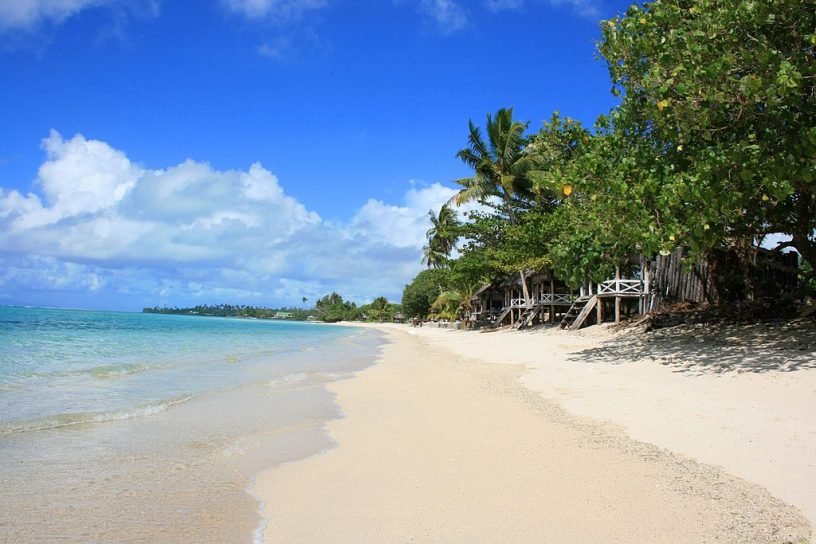
Culture and Curiosities
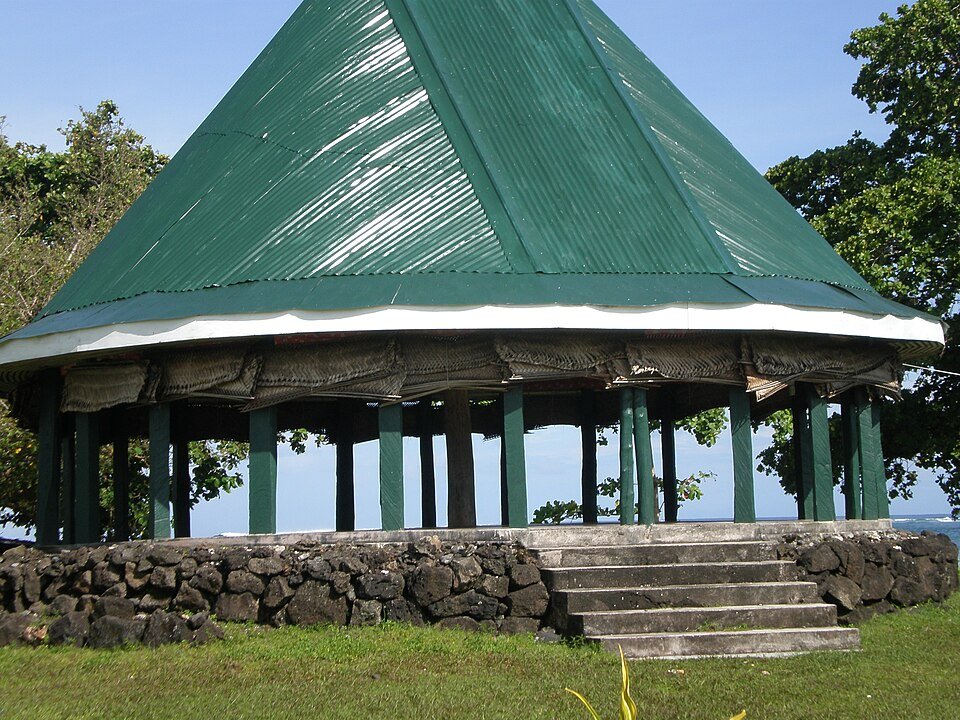
Tradition plays a key role in the lives of the local people. Common throughout the islands are traditional, wall-less houses known as *fale*, designed to allow for natural ventilation in the hot, equatorial climate. In daily life, men wear *lava-lava* (sarongs), and the art of traditional tattooing (*pe’a*) serves as an important element of cultural identity.
Interestingly, at the end of 2011, Samoa changed its time zone, moving to the west of the International Date Line (IDL). This shift was intended to facilitate business dealings with the country’s primary trading partners—Australia and New Zealand. As a result, the people of Samoa skipped December 30, 2011, entirely.
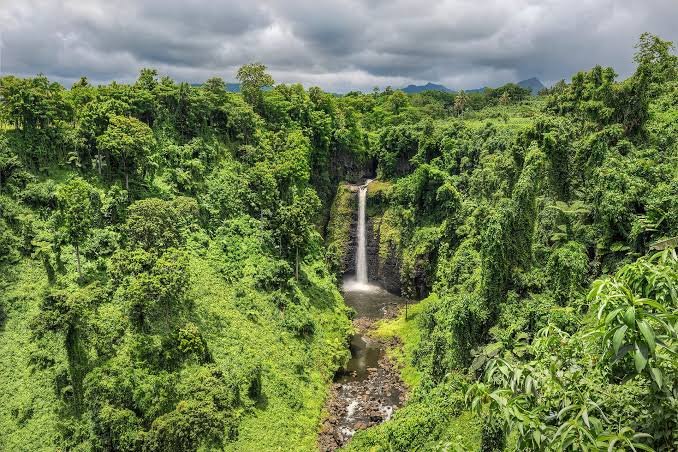
Tourist attractions. Located in the heart of Polynesia in Oceania, Samoa is a true island paradise, offering incredible natural wonders—from iconic volcanic sinkholes to spectacular waterfalls, pristine beaches, and a vibrant culture. The archipelago’s tourist attractions are concentrated on two main islands: Upolu (home to the capital, Apia) and the larger, exceptionally tranquil island of Savai’i.