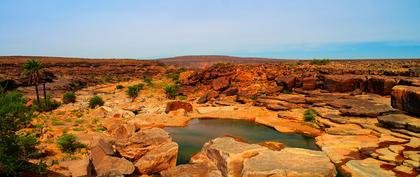
Fassala, Fassale, Fessale, or Vassale is a town and commune in the Hodh Ech Chargui region in southeastern Mauritania, on the border with Mali. Fassala (also known as Fassale or Fessale) is a town and commune in eastern Mauritania, located directly on the border with Mali. Administratively, it belongs to the Hodh Ech Chargui region. According to 2025 statistics, it is one of the largest cities in the country by population, with over 105,000 inhabitants.
Fassala (often known as Fassala Néré) is a key border post and municipal town in southeastern Mauritania, located directly on the border with Mali. Located in the Hodh Ech Chargui region, it is one of the most important and strategic border crossings in this part of the Sahel. Key information about the Fassala border post: Cross-border connection: On the Mauritanian side, the checkpoint is Fassala, while on the Malian side, the route leads towards Léré and then on to Timbuktu. Modern infrastructure: In 2016, a modern border post opened here, built by the International Organization for Migration (IOM) with financial support from Japan, aimed at improving border management and combating terrorism. Humanitarian crisis and refugees: Fassala is the main reception point for tens of thousands of refugees from Mali fleeing internal conflicts. Just nearby (about 18 km west, deep into Mauritania) is the massive, official Mbera refugee camp. Important safety warning: Traveling to this area is highly dangerous.
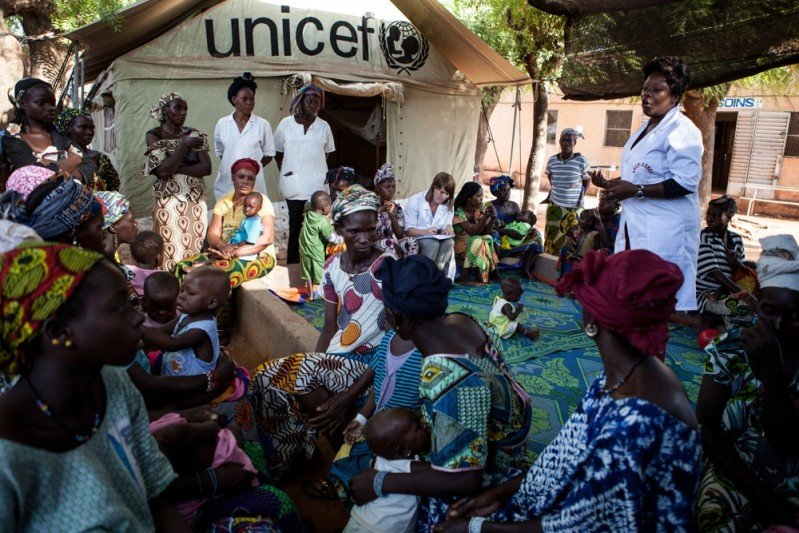
Refugee crisis. The border town of Fassala (in the Hodh Ech Chargui region) is the main reception point for Malian refugees fleeing the war. The scale of the humanitarian crisis in the region has escalated rapidly, with Mauritania currently hosting over 300,000 Malian refugees, tens of thousands of whom are housed directly in the Fassala commune and in the nearby, overcrowded Mbera camp. Causes and dynamics of the crisis. Escalation of violence in Mali: The massive influx of people is triggered by fierce fighting between the Malian army (supported by Russian mercenaries from the Wagner Group) and jihadists from the JNIM group and rebels. Refugees are fleeing massacres, drone strikes, and city blockades. Fassala’s role: The town serves as the first stopping point after crossing the border. From there, refugees are registered and partially relocated to the official camp. Major humanitarian challenges. Overcrowding: The Mbera camp, originally designed for 70,000-80,000 people, already houses over 120,000 refugees. More than 170,000 refugees live outside the camp, directly in local communities like Fassala. Lack of resources and conflicts over grazing land: The Hodh Ech Chargui region is poor and drought-stricken. About 60% of the new arrivals are pastoralists who fled with some 1.7 million head of cattle. This creates intense competition for water and grazing land with indigenous Mauritanians. Funding cuts: The situation has been drastically worsened by a reduction in international funding, including the withdrawal of some US aid from USAID. There is a lack of basic healthcare, clean water, and food on the ground. International and EU context: The crisis in Fassala affects all of Mauritania, which has become a key partner for Europe. The European Union has signed a €210 million package with Mauritania to support migration management and seal borders, as many migrants try to cross from the Mauritanian coast to Spain’s Canary Islands.
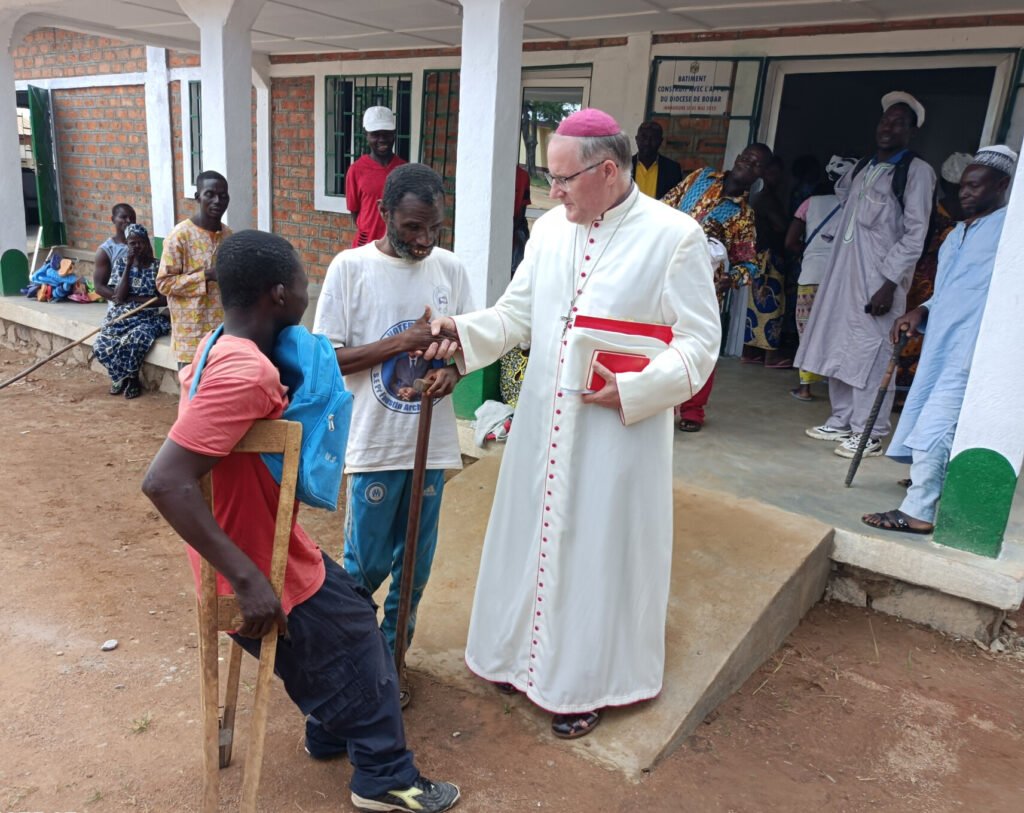
Humanitarian Support. Fassala, Mauritania (on the border with Mali), is the main reception point for refugees fleeing the civil war in Mali. They arrive here first, receiving initial humanitarian support before being relocated to the permanent Mbera camp, 50 km away. Humanitarian support in this region (primarily in the Bassikounou department, Hodh Ech Chargui province) is coordinated by UNHCR, the European Union, UNICEF, and numerous NGOs. Key areas of assistance in Fassala and Mbera: Registration and Legal Protection: Identification of persons with special needs (pregnant women, unaccompanied children) by UNHCR immediately after crossing the border into Fassala. Medical and Food Support: Combating child malnutrition, providing measles vaccinations, and providing psychological support to war-trauma victims (provided, among others, by ALIMA). Water and Sanitation (WASH): Supplying drinking water by tanker directly to the point in Fassala and building sanitation infrastructure, which prevents outbreaks of diarrhea. Shelter and Emergency Supplies: Distribution of tents, sleeping mats, kitchen sets, and mosquito nets by the Mauritanian Red Crescent. Cash Assistance: Cash transfers to refugees, allowing them to purchase basic necessities on the local market and become partially independent of supplies. The scale of the crisis in numbers (as of 2026). Over 300,000 Malian refugees are in Mauritania. Approximately 120,000 people live in the Mbera camp itself. 80% of the refugees are women and children. 170,000+ refugees live outside the camp in local villages, drastically burdening Mauritania’s poor infrastructure.
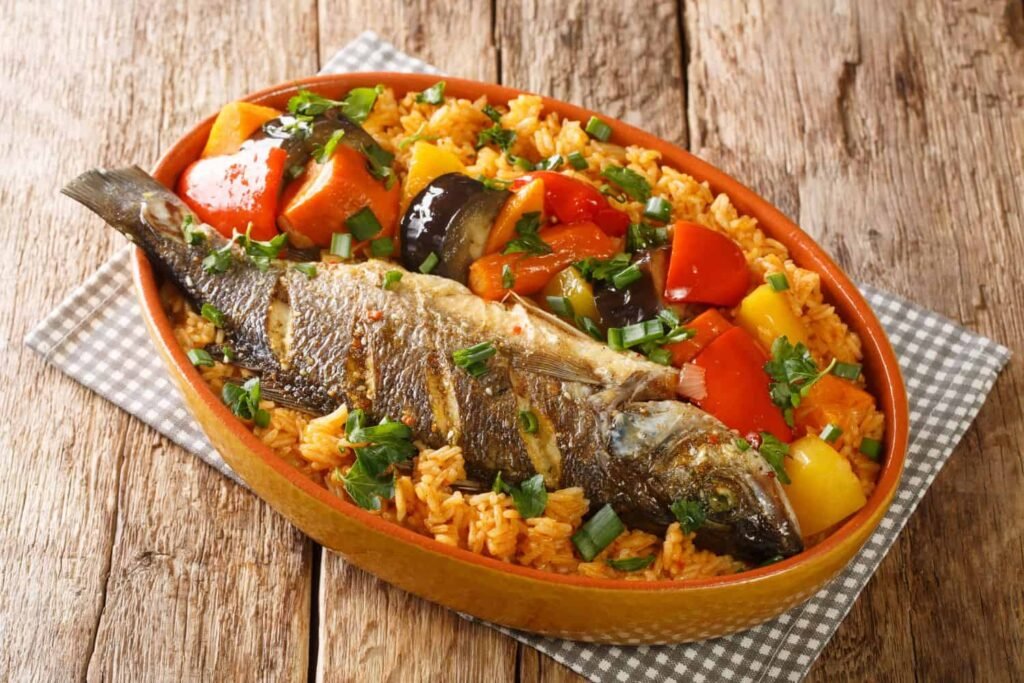
The cuisine of the border region of Fassala (Fassale) in southeastern Mauritania is a unique blend of nomadic Moorish traditions (Arab-Berber cuisine) and strong African influences from neighboring Mali. Due to the desert climate, the menu is based on simple, filling, and easy-to-store ingredients. Traditional Main Courses: Thieboudienne (Rice with Fish) – the country’s national dish, also popular in the south; rice cooked in an aromatic tomato sauce with vegetables and dried or fresh fish. Couscous and Millet – an absolute carbohydrate staples served with thick vegetable sauces or meat. Mechoui – lamb or goat meat roasted whole over a fire or in the sand, seasoned with minimal salt and local herbs. Animal products and dairy. Camel and goat meat – the primary source of protein in this arid region- is most often grilled or stewed. Camel milk – consumed fresh or as a sour, fermented drink, it perfectly quenches thirst in the heat and provides vitamins. Beverages and rituals. Moorish tea (Ataya) – an exceptionally sweet, intense green tea with mint. Its brewing is a ritual: it is poured from a great height, allowing a thick foam to form on the surface of the glass. Guests are traditionally served three glasses, each one sweeter.
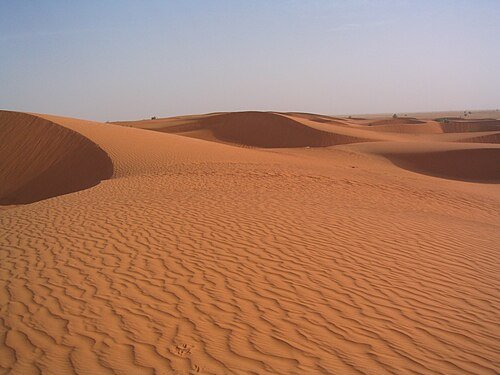
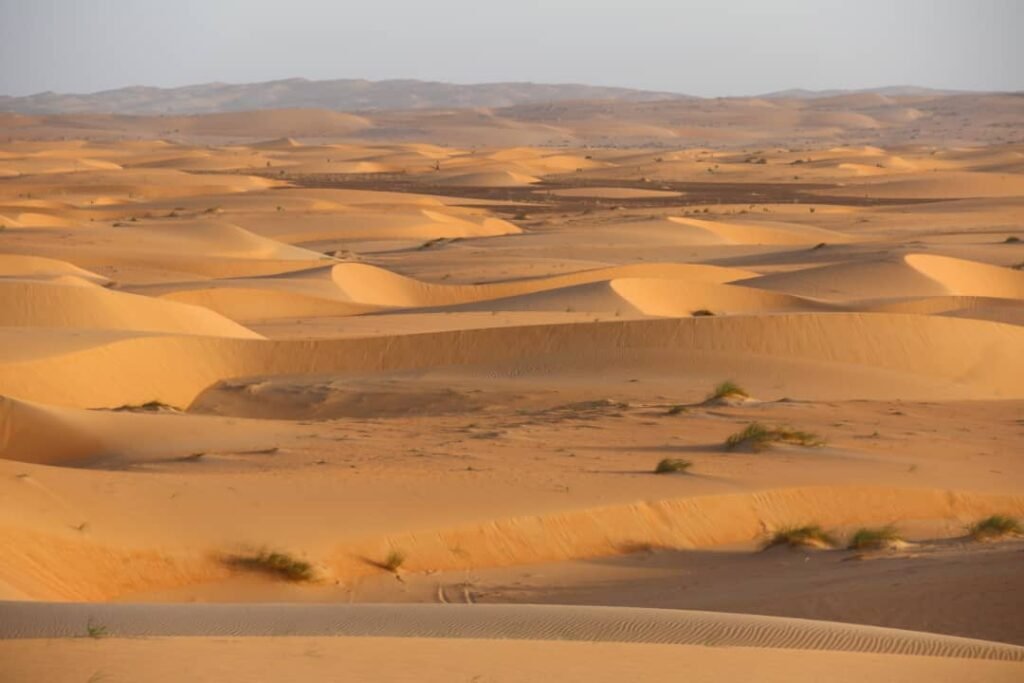
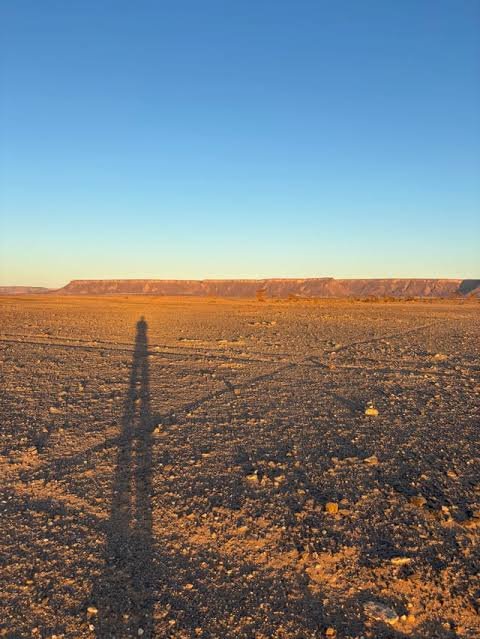
Geography and Climate. Fassala (often known as Fassala Néré) is a city in eastern Mauritania, characterized by an extremely dry, semi-arid landscape and an extremely hot climate. Due to its specific geographical location, it plays a significant role as a border crossing point. Geography and Terrain. Location: The city is located in the Hodh Ech Chargui region, at the very southeastern tip of Mauritania. It is the immediate border town with Mali. Terrain: The terrain around Fassala is mostly flat and monotonous, situated at an average altitude of approximately 300 meters above sea level. The landscape is dominated by the sandy and rocky plains of the Sahara, which merge into the Sahel zone. Ecology: This area is mainly semi-arid pastures, where vegetation is limited to dry grass tussocks and a few acacia shrubs. Climate and Temperatures. Fassala is located in a tropical, extremely dry climate zone (the border between the Saharan and Sahelian regions). The weather here is shaped by two distinct seasons: Dry Season (October–June): A time of extreme heat. Temperatures in the hottest months (April–June) regularly exceed 40°C, reaching up to 45°C during the day. In winter (December–January), days are warm (around 30°C), but nights bring a sudden drop in temperature. Rainy Season (July–September): This season brings marginal relief. The southern monsoon then generates short, heavy rains and thunderstorms. Average annual rainfall, however, rarely exceeds 200–300 mm. Climatic Feature. Characteristics of Fassala. Winds. Dominance of the Harmattan – a dry, dusty wind from the interior of the Sahara, causing sandstorms. Humidity. Very low for most of the year (falling below 20-30%), rising only in summer. Diurnal amplitudes. Very high – the temperature difference between a hot day and night can exceed 15-20°C.