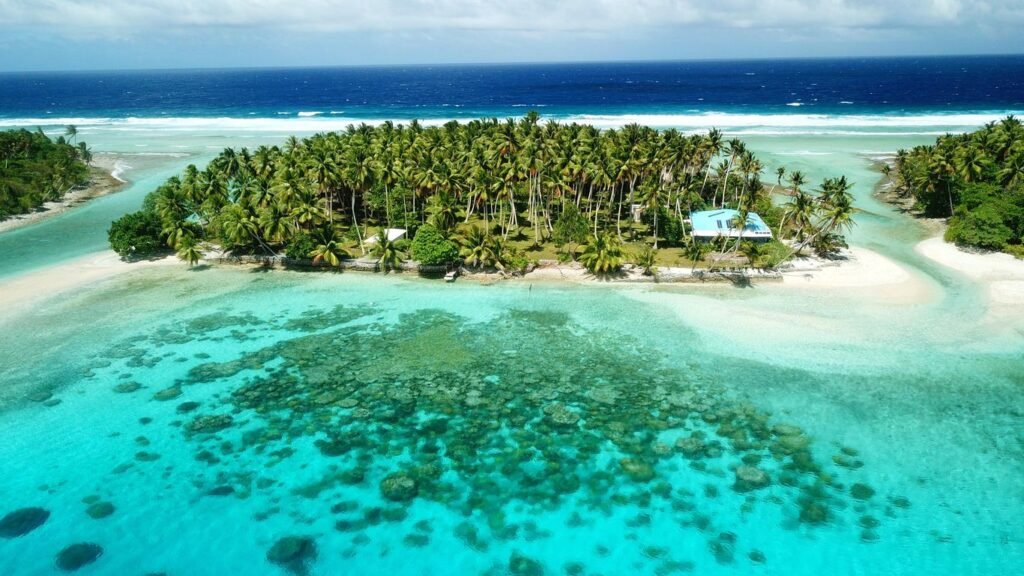
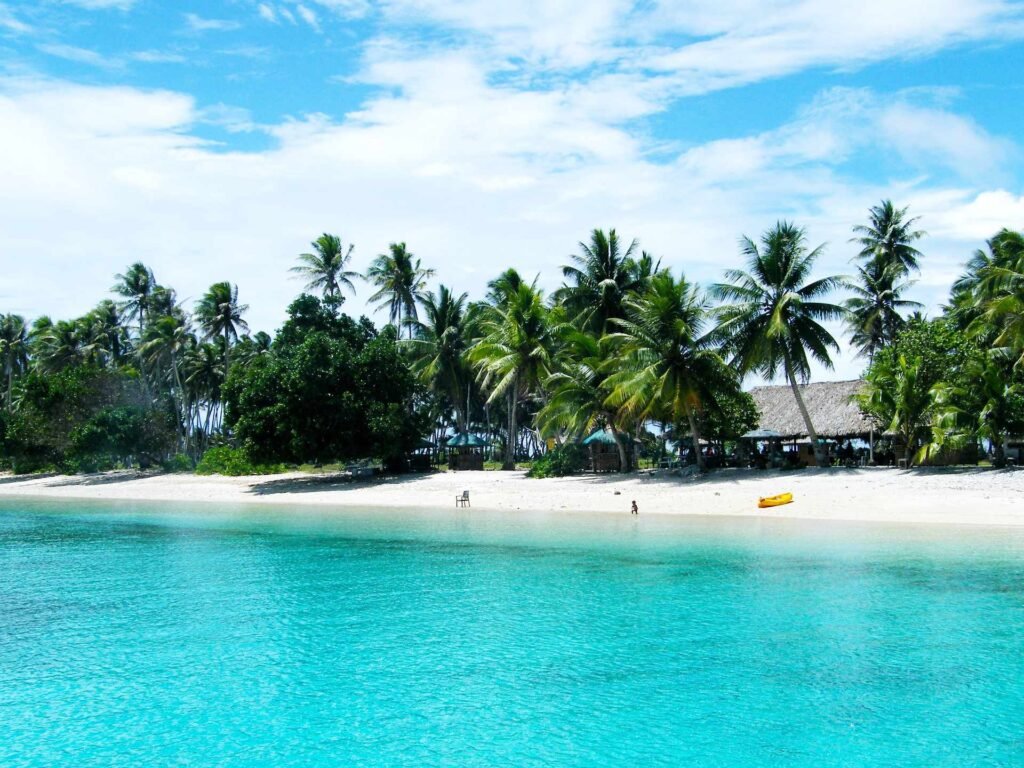
The Marshall Islands is an island nation in the Pacific Ocean, located north of Nauru and Kiribati, east of Micronesia, and south of the U.S. island of Wake.
Political system. The President of the Marshall Islands is both the head of state and the head of government. He is elected by the members of the Marshallese parliament, the Nitijeļā, from among their own ranks. Upon election, he appoints his cabinet. Elections for the parliament, which comprises 33 members, are held every four years.
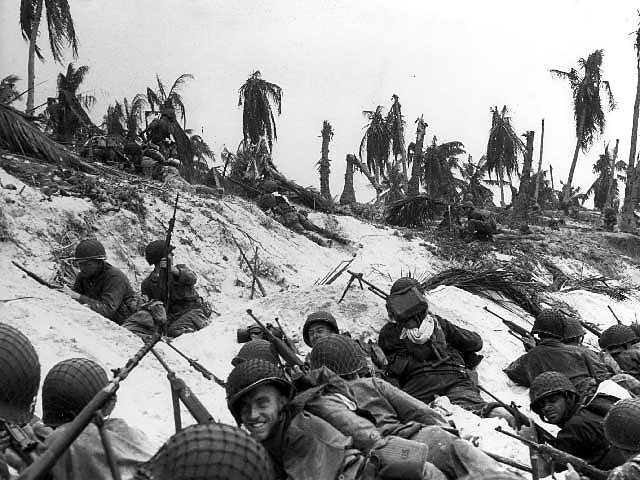
History. Although the islands of Micronesia were settled as early as the 2nd millennium BC, little is known about their early history. The first European to arrive in the Marshall Islands was the Spanish explorer Álvaro de Saavedra Cerón in 1529. Subsequently, the islands fell into obscurity for several centuries. In 1788, the English captain John Marshall landed there, and the islands were named after him. A German trading post was established on the islands in 1885, making them part of the German New Guinea protectorate. Japan occupied them during World War I and administered them as a League of Nations mandate territory. During World War II, the islands were captured by the United States in 1944 as part of Operation Flintlock (the campaign for the Marshall Islands) and incorporated into the Trust Territory of the Pacific Islands. Immediately after the war, the United States began nuclear weapons testing on the Bikini and Enewetak atolls, continuing until the 1960s. Many Marshallese people suffer from radiation-related illnesses today. The issue of compensation for damages caused by the Americans remains a subject of bilateral discussions. In 1979, the Republic of the Marshall Islands signed a Compact of Free Association with the US government, which entered into force in 1986. Since then, the Marshall Islands have been an independent state in free association with the USA. Pursuant to UN Security Council Resolution 704 of August 9, 1991, the Marshall Islands became a member of the UN, and in 2008, they participated in the Olympic Games for the first time.
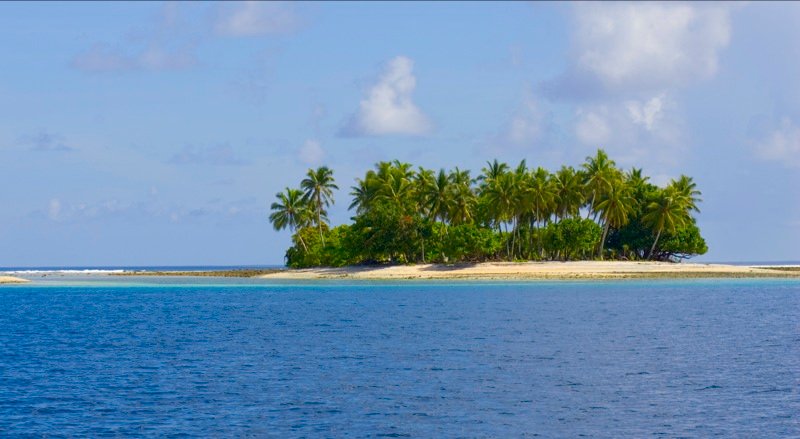
Geography. The Republic of the Marshall Islands consists of 1,225 islets scattered across the western Pacific (in Micronesia) over an area of more than a million square kilometers. The country comprises 29 atolls and 5 isolated islands, with a total land area of 181 km². The most important atolls and islands form two main groups: the Ratak Chain and the Ralik Chain, meaning “sunrise” and “sunset,” respectively. The climate is hot and humid, with a rainy season lasting from May to November. The islands are occasionally struck by typhoons.
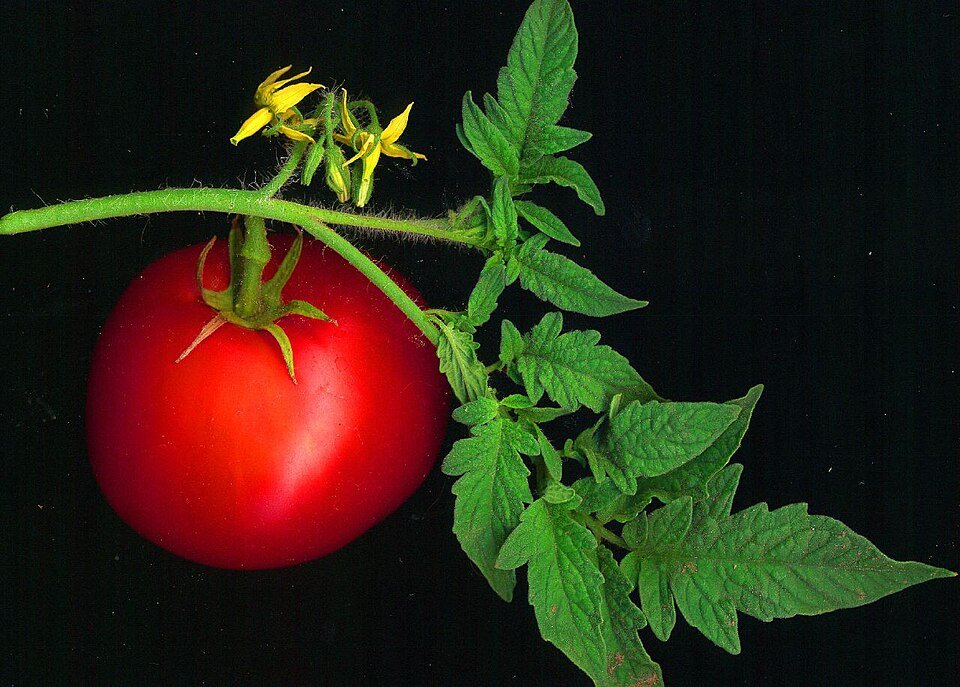
Economy. US government aid forms the backbone of this island republic’s economy. Agricultural production is concentrated on small farms; key crops include coconuts, tomatoes, melons, and breadfruit. Industry is underdeveloped, consisting primarily of handicrafts, fish processing, and copra production. Tourism, which currently employs 10% of the workforce, could become a significant economic sector in the future. The islands lack significant natural resources (with only small deposits of phosphates), resulting in imports far exceeding exports. As the Marshall Islands remain in free association with the US, the American government provides annual aid amounting to approximately $65 million. Negotiations regarding an increase in this aid took place in 1999, following a significant decline in the country’s GDP between 1996 and 1998—a drop caused in part by the Asian financial crisis.
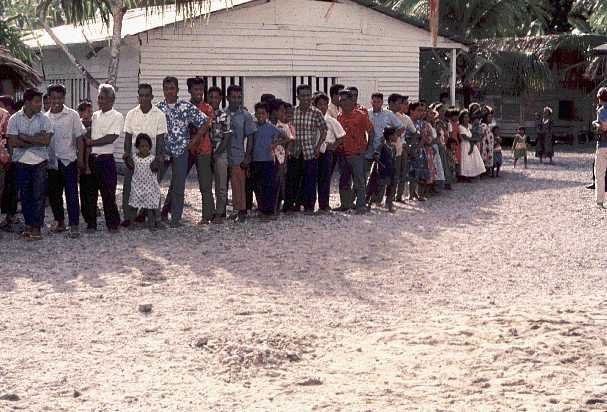
Demographics. The population consists primarily of Marshallese people (96.6%). The inhabitants of the Marshall Islands are of Micronesian descent, having arrived in this part of Oceania from Asia several thousand years ago. There is also a population of Japanese descent. English is widely used and holds official status, yet the residents, government, and parliament use Marshallese in their daily lives.
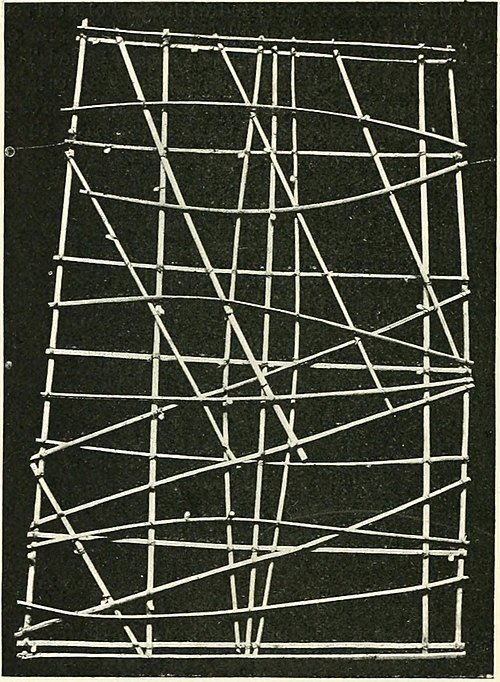
Culture. The inhabitants of the Marshall Islands were historically renowned for their boat-building craftsmanship. The art of navigation was also highly developed, though it is now falling into oblivion. Navigation was aided by *rebbelib*—charts made of wooden sticks bound together with coconut fiber, featuring cowrie shells.
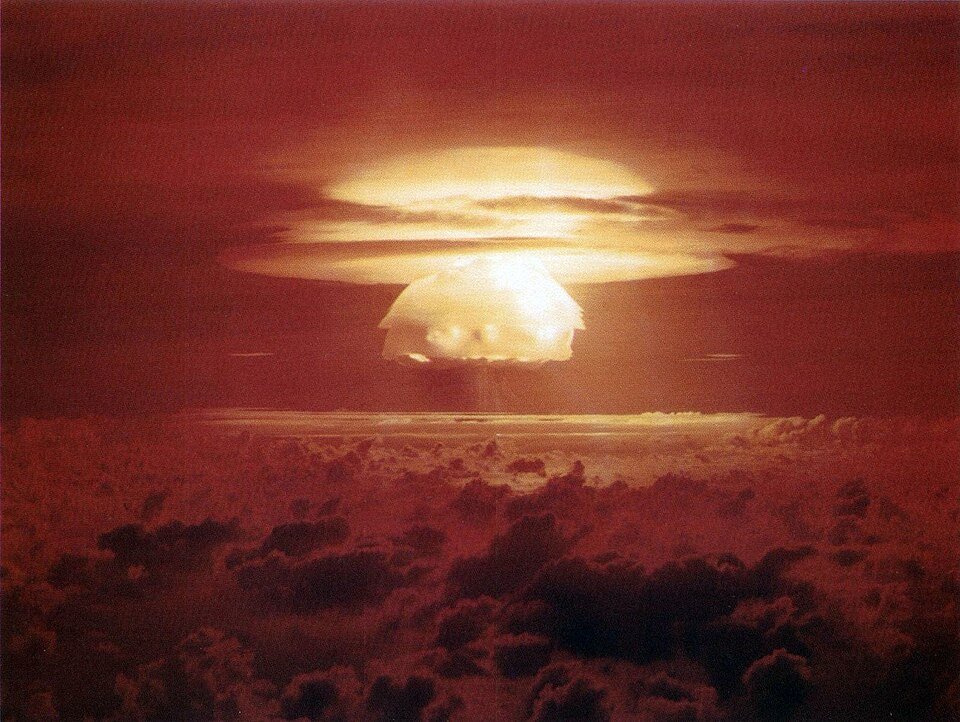
US nuclear tests. Between 1946 and 1958, the islands of the archipelago served as the site for 67 US nuclear bomb tests. The most famous of these—the “Bravo” test—took place in March 1954; a bomb a thousand times more powerful than the one dropped on Hiroshima was detonated at Bikini Atoll. These American nuclear tests left a bitter legacy in the national consciousness of the people of the Republic of the Marshall Islands, and the government continues to campaign for global nuclear disarmament. The Marshall Islands filed a symbolic lawsuit against the United Kingdom, India, and Pakistan to pressure them into dismantling their nuclear arsenals.
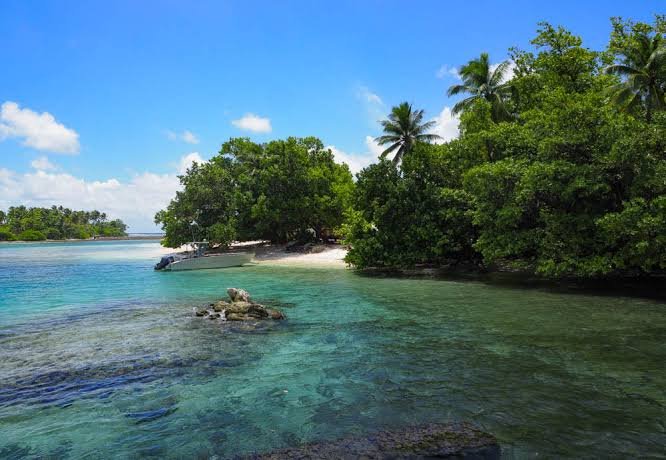
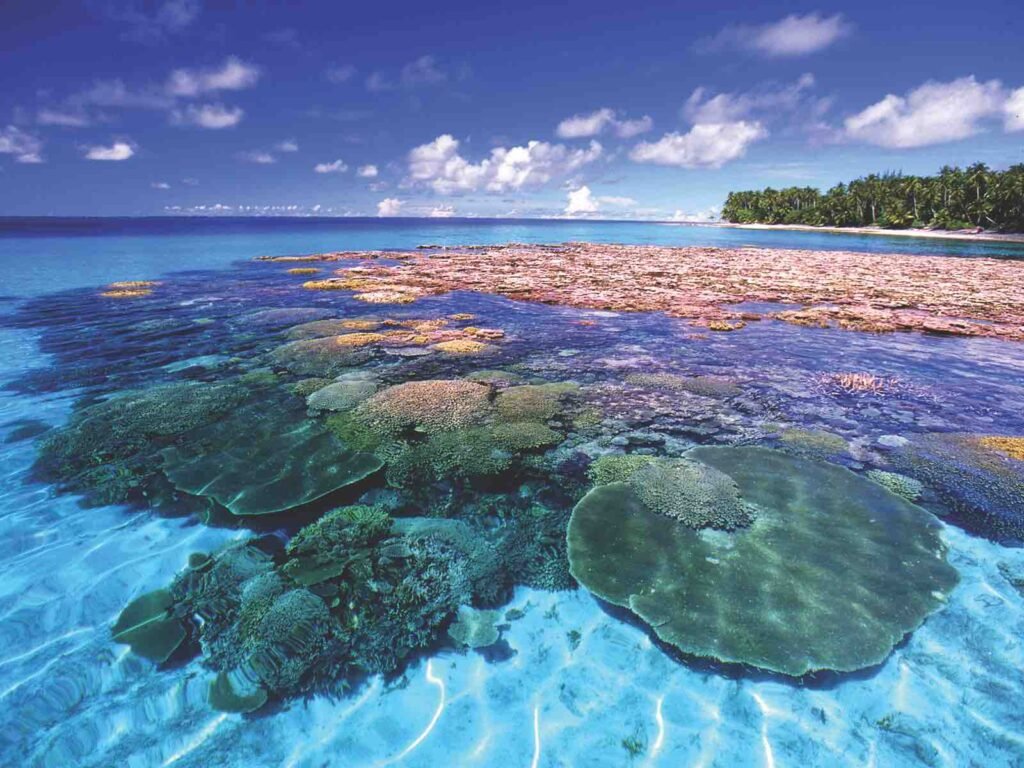
Tourism and Nature. The Marshall Islands and the Federated States of Micronesia are two fascinating nations in the Pacific’s Micronesia region that remain largely undiscovered by mass tourism. Although geographically close, the two countries offer vastly different landscapes: the Marshall Islands consist entirely of low-lying, sandy coral atolls, whereas the Federated States of Micronesia (FSM) boast towering volcanic islands covered in dense rainforest. The Marshall Islands: A world of coral atolls and wartime history. The archipelago comprises 29 coral atolls and 5 solitary islands. The nation is renowned for its pristine marine ecosystems—virtually untouched by humans—as well as for the profound traces of 20th-century history found there.
Wreck diving at Bikini Atoll: Bikini Atoll (a UNESCO World Heritage site) is the legendary location of U.S. nuclear tests conducted in the 1940s and 1950s. Today, it serves as an underwater graveyard of intact warships—including the world’s only diver-accessible aircraft carrier, the USS *Saratoga*—all now encrusted with spectacular coral reefs.
Sailing culture and Majuro Atoll: The capital, Majuro, is a narrow strip of land encircling a massive lagoon. At its western end lies the tranquil Laura Beach. A major cultural attraction is sailing in traditional, hand-built outrigger canoes.
Natural richness: Underwater life flourishes in the waters of the archipelago, which is designated in its entirety as a shark sanctuary. Numerous species of dolphins (including highly acrobatic long-snouted dolphins) and sea turtles can be found here; for the latter, remote islands (such as Jemo Island) serve as key nesting grounds.