Sal is one of the islands of the Cape Verde archipelago, classified as part of the Leeward Islands group. It is also one of the 22 administrative districts (concelho) of the Republic of Cape Verde. The island has an area of 216 km², is 30 km long and 12 km wide, and is largely desert.
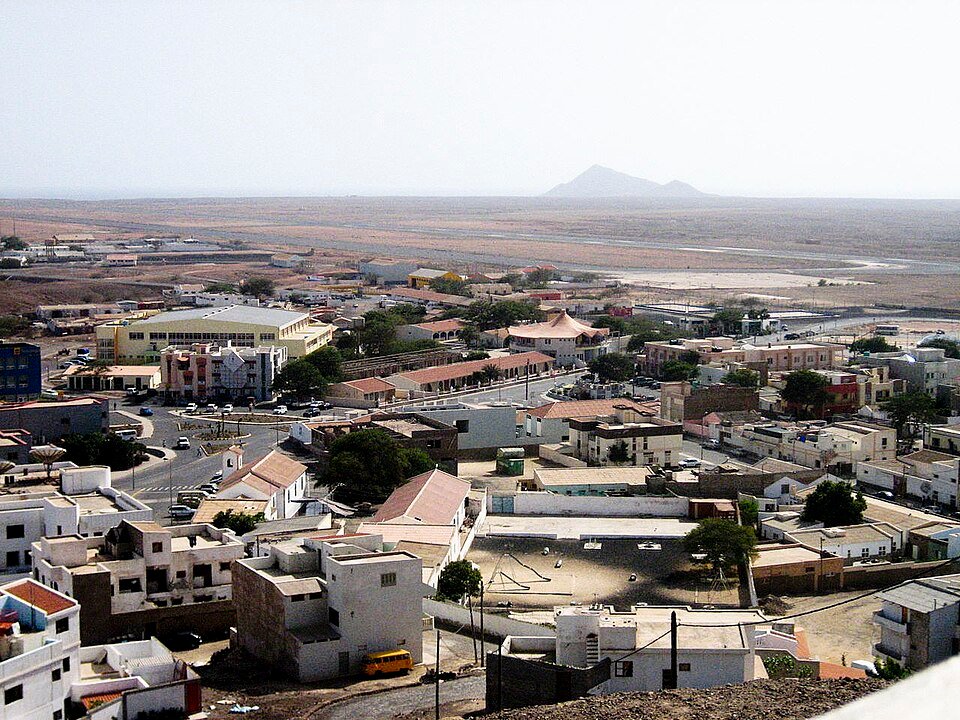
History. The island was discovered on December 3, 1460, and named Llana. It was the discovery of salt that gave it its current name (Portuguese: Sal – salt) and permanent settlement in 1830. Until the 1980s, the main sources of income for the sparse population were fishing, salt mining, and operating the country’s main airport in Espargos. The island enjoys approximately 350 days of sunshine annually, which, along with excellent conditions for water sports, has contributed to the rapid development of tourism since the late 1980s.
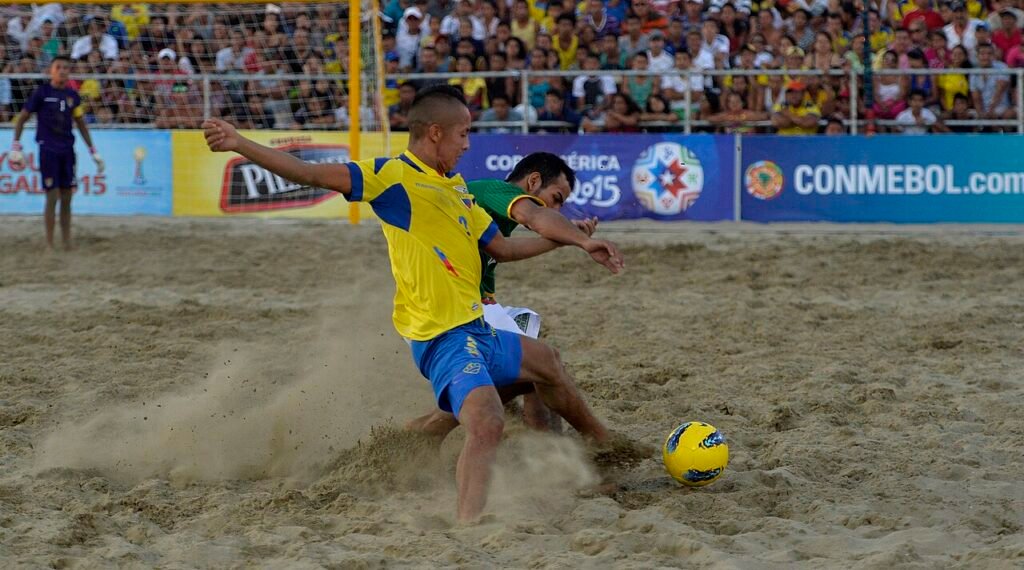
The 2019 African Beach Games – the first edition of the African Beach Games, held on the island of Sal in Cape Verde from June 14–23, 2019. Approximately 1,000 athletes from 45 African countries competed in 28 events across 11 disciplines. These included 3×3 basketball, track and field, beach handball, beach soccer, beach tennis, beach volleyball, coastal rowing, freestyle football, karate, kitesurfing, and open water swimming. Teqball was also a demonstration sport. Most of the competitions were held on Praia de Santa Maria beach. The mascot promoting the event was called “Kretcheu.” Participating countries. Forty-five of the 54 countries participated in the first African Beach Games. Chad, Comoros, Eritrea, Eswatini, Ethiopia, Gabon, São Tomé and Príncipe, Somalia and South Africa did not participate.
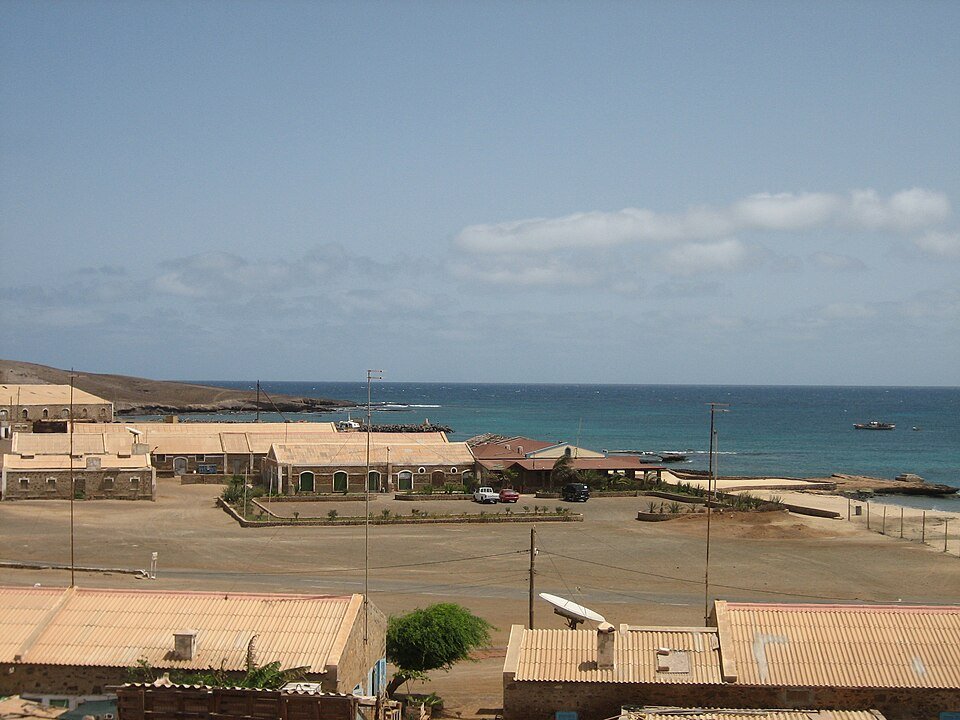
Pedra de Lume is a village located on the eastern coast of the island of Sal in Cape Verde. In 2010, it had a population of 329. It is located approximately 5 kilometers east of the island’s capital, Espargos. In the 19th century, the village developed around a salt pan located in the area, located inside a volcanic crater. Salt has been mined here since at least the turn of the 18th and 19th centuries, when Manuel António Martins invested in the industry and built the necessary infrastructure. Mining continued until the 1980s. Today, the salt pans are a major tourist attraction due to the ponds containing a high concentration of salt within the crater, which has medicinal properties. Remnants of the former industrial and port infrastructure also remain. Due to the unfavorable climate, no crops are grown nearby.
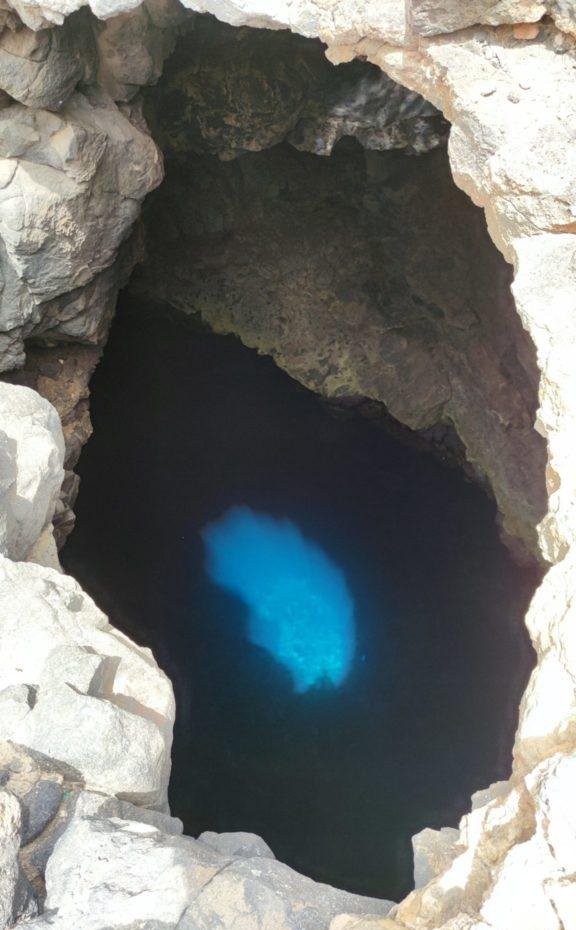
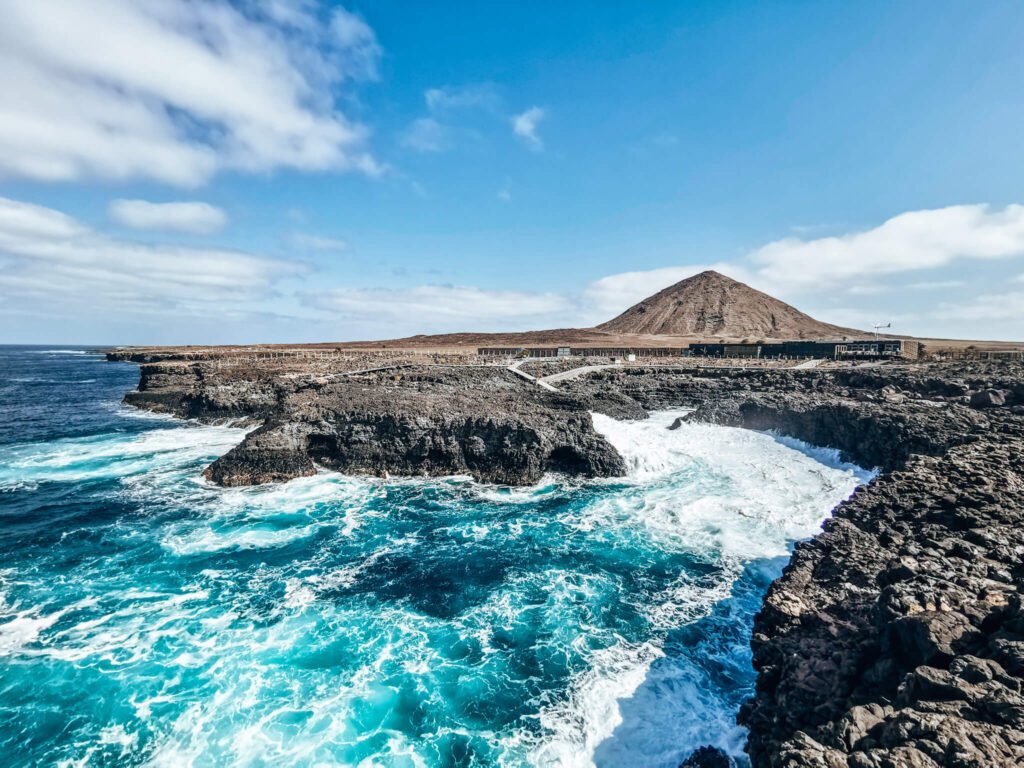
Buracona and the Blue Eye (Portuguese: Olho Azul) is one of the largest and most spectacular natural attractions on Sal Island, part of the Cape Verde Islands (Cabo Verde). This unique place attracts tourists with the magic of light and the power of volcanic nature. What is Buracona and the Blue Eye? Buracona, a Portuguese word meaning simply “big hole,” is a rocky, rugged coastline formed from black volcanic lava, where the ocean has carved natural pools and caves. The Blue Eye (Olho Azul) is a unique, deep cave fissure of volcanic origin. When viewed from above, at the right time of day, the sun shines directly into the hole, illuminating the cave floor filled with seawater. The light filters through the water, creating an incredible, luminous circle of intense blue and turquoise at the bottom, strikingly resembling a human eye.
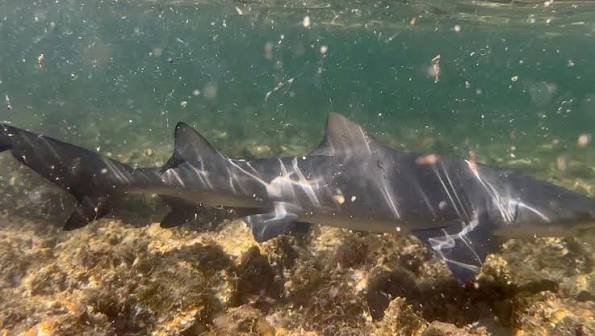
Shark Bay (Baía da Parda) on Sal Island in Cape Verde is one of the most unique places in the archipelago where you can observe lemon sharks (lemon sharks) in their natural habitat. This shallow ocean lagoon serves as a natural “nursery” for juveniles, allowing tourists to safely wade in the water right next to them. Key information about the attraction: Safety first: Lemon sharks inhabiting the bay are non-aggressive and pose no threat to humans. Small sharks (ranging from a few dozen centimeters to about a meter) swim directly between visitors’ legs in knee-deep water. Older, larger sharks (reaching up to 3 meters) stay in deeper waters several dozen meters from shore, where their dorsal fins can be clearly seen cutting through the ocean surface. Water shoes are mandatory: The bay floor is made up of sharp, volcanic lava rocks inhabited by numerous sea urchins. Entering the water without sturdy, hard-soled footwear risks injury. If you don’t have your own beach shoes, locals on shore will rent them for around €2-5 per pair. Ecology and guide approach: Some local guides lure sharks with pieces of fish to get them to swim closer to people. However, it’s worth choosing tours led by marine biologists, who prioritize natural, ecosystem-safe observation without artificial feeding.
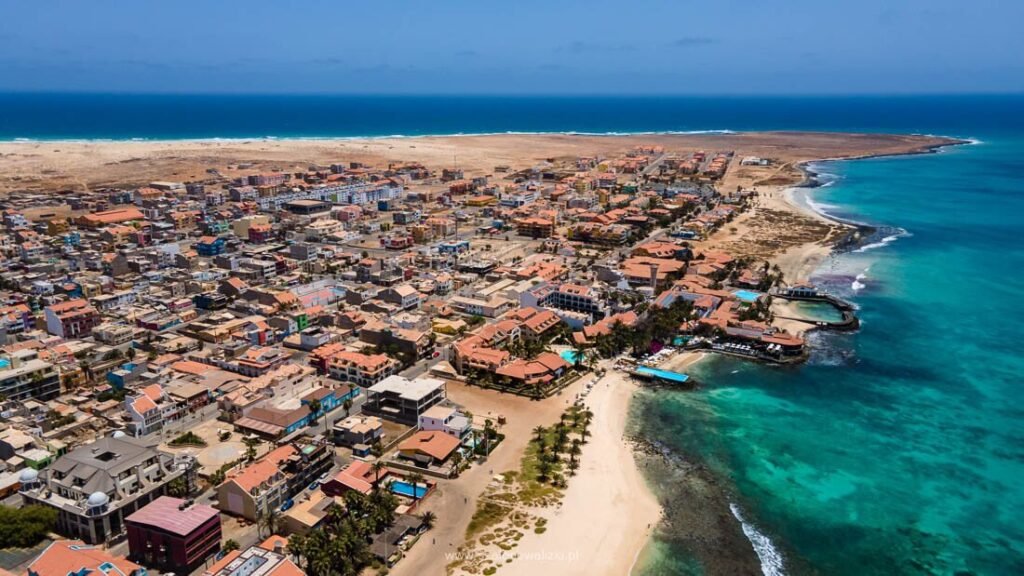
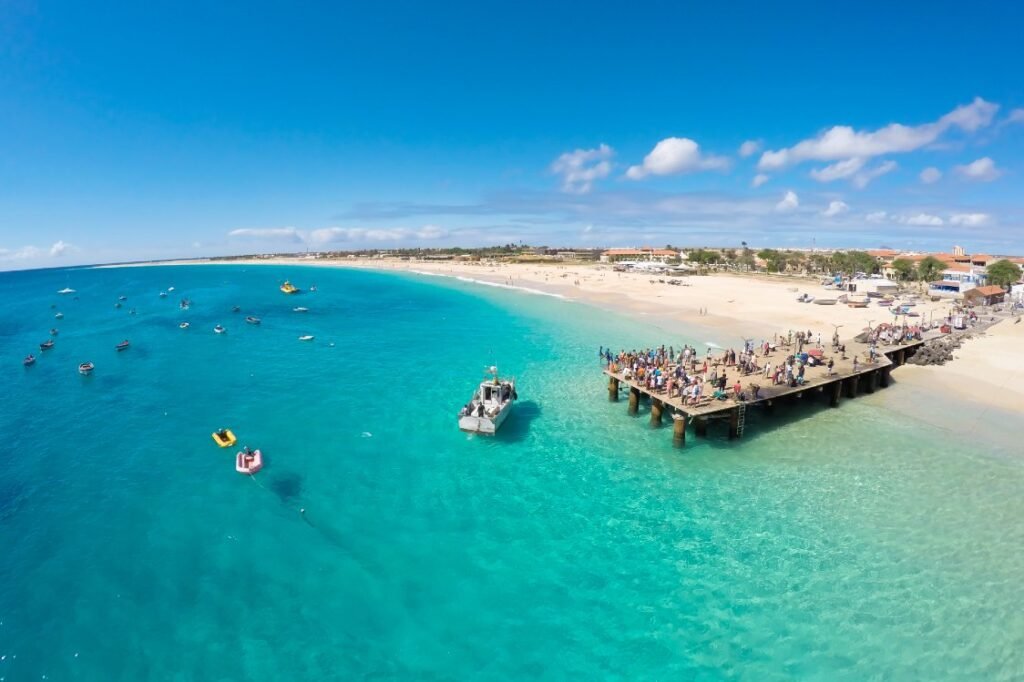
Santa Maria is the main tourist town located on the southern tip of Sal Island in Cape Verde. It’s renowned for its stunning sandy beaches, the stunning turquoise waters of the Atlantic Ocean, and ideal conditions for water sports like kitesurfing and windsurfing. It’s the vibrant heart of the island, harmoniously combining modern hotel infrastructure with a traditional African atmosphere and the local No Stress lifestyle.
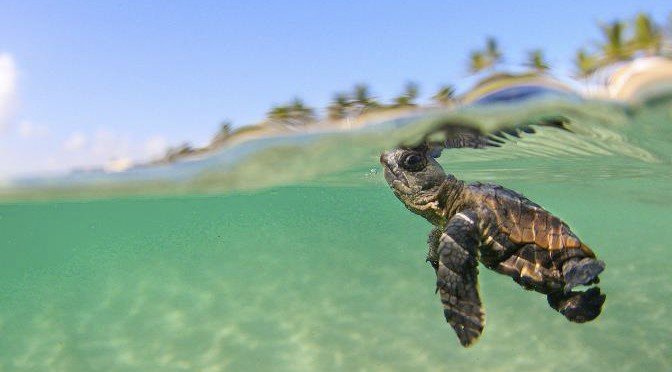
Caretta Caretta Turtle Sanctuary. Sal Island in Cape Verde is one of the most important nesting sites for loggerhead turtles (Caretta caretta) in the world. The archipelago ranks third globally in terms of the number of nests of this endangered species. On Sal Island itself, key nesting beaches are strictly protected as nature reserves. Where and when to look for turtles on Sal? Main nesting areas (reserves): The most important protected nature reserve is Serra Negra on the island’s east coast. Other key beaches where turtles nest in large numbers include Kite Beach (Costa da Fragata) and Algodoeiro. Nesting season: Females emerge to lay their eggs from mid-June to October (peak season is July, August, and September). Hatching season: Baby turtles migrate to the ocean from August to December.
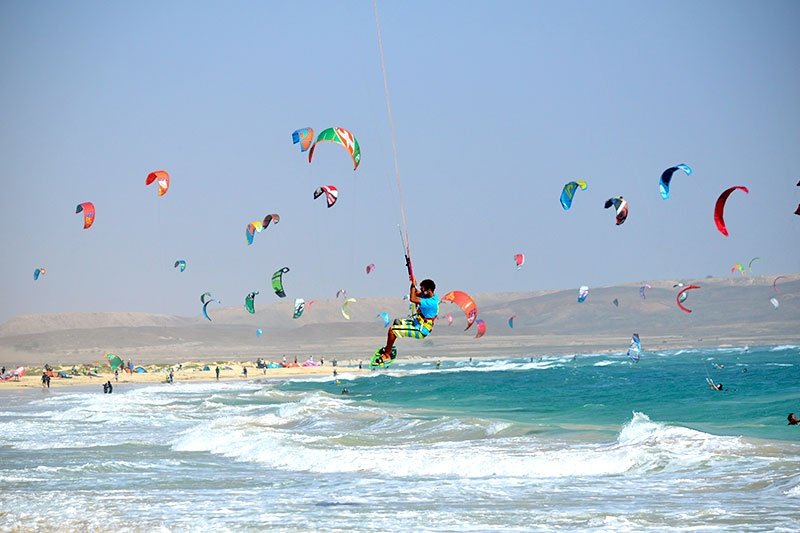
Beaches and water sports. The island is considered one of the best windsurfing and kitesurfing spots in the world thanks to the constant trade winds. Kite Beach: The kitesurfing mecca on the east coast. Ponta Preta: A famous beach with powerful waves for advanced surfers. Praia de Santa Maria: A wide, sandy, and quieter beach, ideal for traditional relaxation and safe swimming.
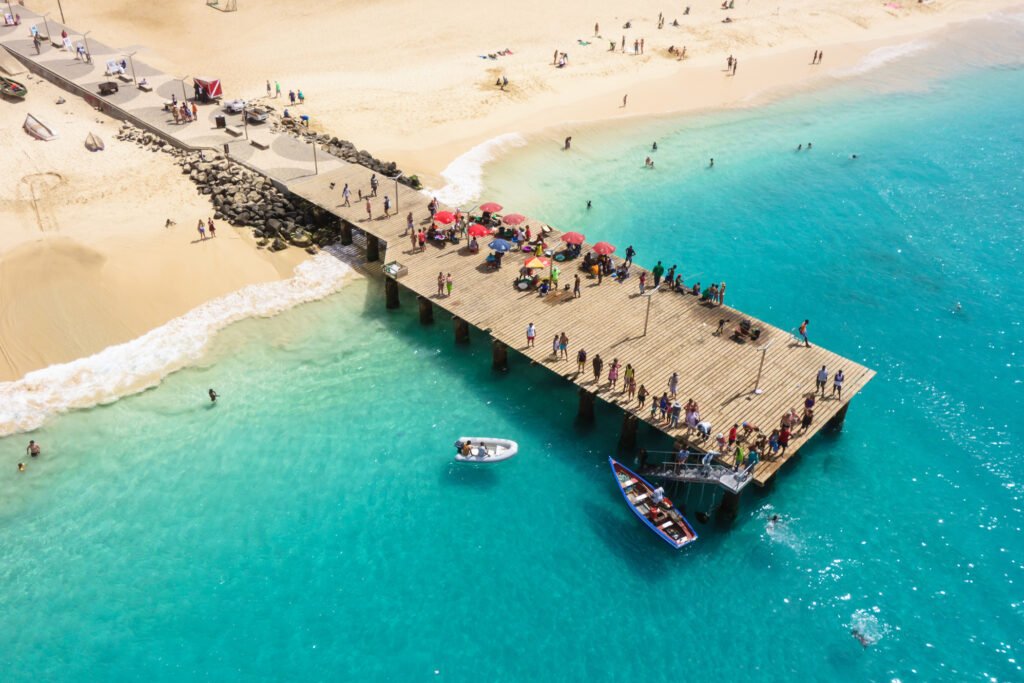
Practical information for travelers. Capital: Espargos, located in the central part of the island. Arrival: Amílcar Cabral International Airport is located on the island, making it easy to reach by charter and scheduled flights. Currency: Cape Verdean Escudo (CVE), although euros are also widely accepted in tourist areas.