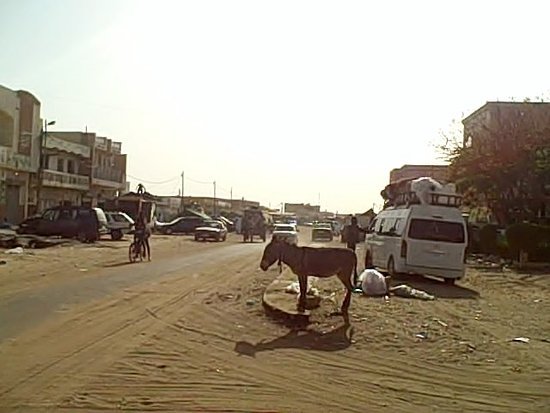
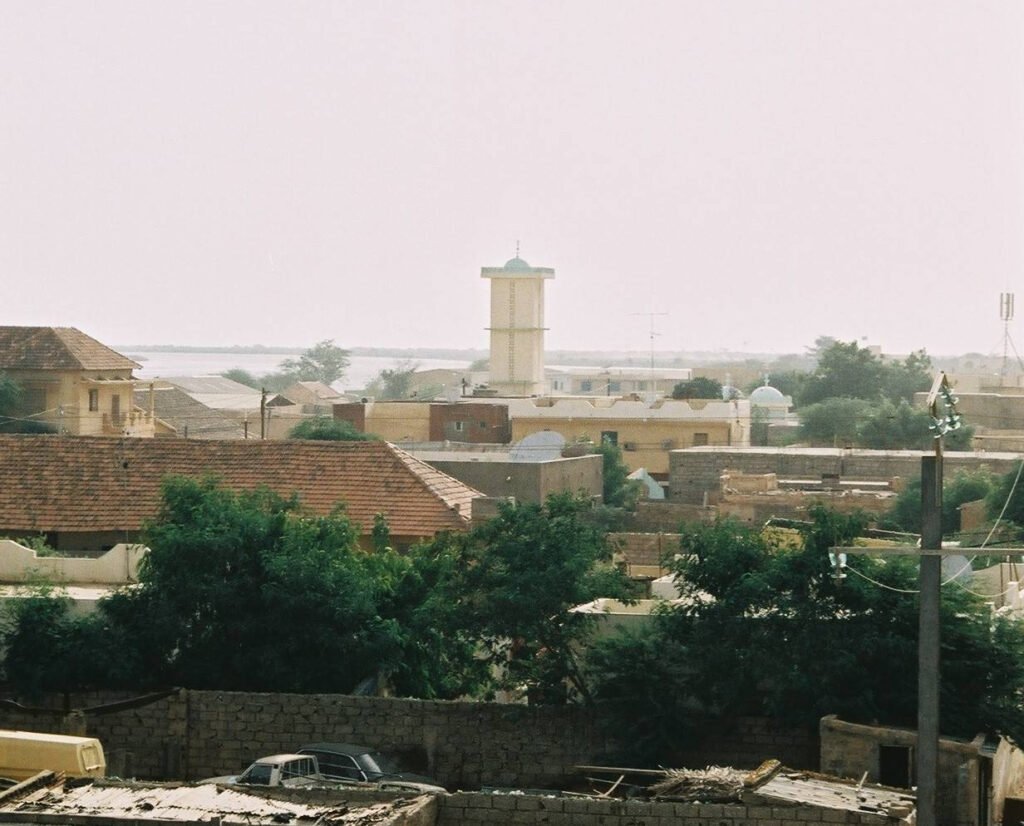
Rosso is a city in southwestern Mauritania, on the Senegal River, and the seat of the Tarariza district. In 2013, it had approximately 33,600 inhabitants. The town is a commercial and service center for the agricultural region (gum arabic production, millet, corn, beans, melons, and cattle breeding). The town has a river port, which is connected by ferry to the Senegalese town of Rosso on the opposite side of the river. Rosso is one of the most important cities in southwestern Mauritania, serving as the capital of the Tarariza region. The city lies directly on the Senegal River and is a key point on the route connecting the capital, Nouakchott, with the Senegalese city of Saint-Louis.
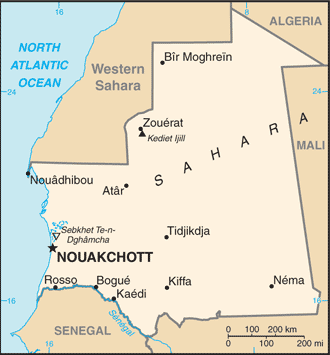
Location. Distance from the capital: The city lies approximately 204 km south of the capital, Nouakchott, and is connected by the main paved national road N2. Strategic border crossing: Rosso is the most important transport hub and border crossing between Mauritania and Senegal. Across the river lies the Senegalese town of Rosso Senegal. Traditionally, traffic between the two is handled by river ferry (bac de Rosso).
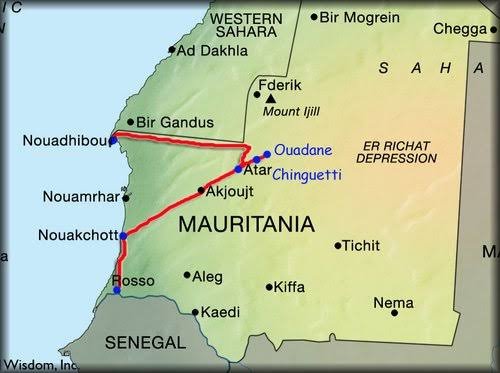
Division. Rosso is a city in West Africa, divided by the international border on the Senegal River. The northern part of the city belongs to Mauritania, while the southern part belongs to Senegal. This city constitutes the most important and well-known border point between the two countries. The Mauritanian part of Rosso is the capital of the Tarariza region (wilaya). Administrative division of Mauritania. Mauritania is structurally divided into three administrative levels: Regions (wilayas): 12 regions and 1 capital district (Nouakchott). Departments (moghataa): The upper division is further divided into 44 departments. Municipalities: The lowest level of local government.
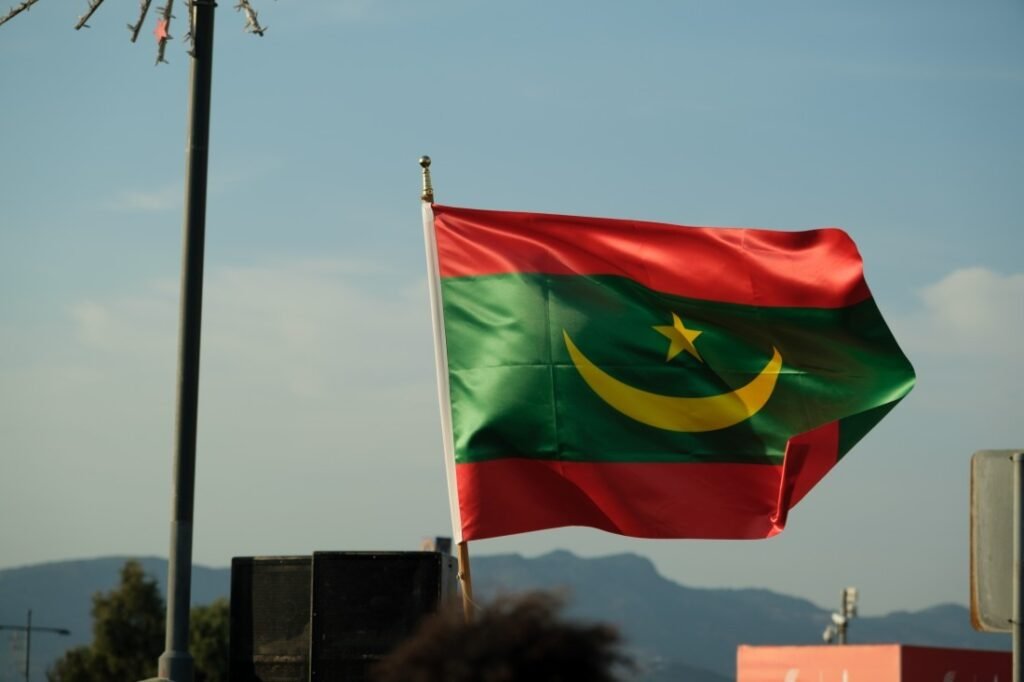
Geographic and economic significance. City division: Rosso is a city divided into two parts by the Senegal River. The northern bank belongs to Mauritania (the capital of the Tarariza region), and the southern bank belongs to Senegal. A ferry connects the two parts. Agricultural center: It is a key trading and service point for the local agriculture. Among the traded goods are gum arabic, millet, beans, and corn. Significance in travel pop culture (Notorious). Among overland travelers, rally drivers (e.g., the former Paris-Dakar rally), and tourists, the term “Rosso” evokes negative associations: Corruption: Rosso has a reputation as one of the most corrupt and cumbersome border crossings in the world. Chaos and Scams: The crossing is notorious for persistent fixers, artificial crowds, pickpockets, and officials extorting bribes for documents that should be free. Alternative: Due to Rosso’s notoriety, most experienced travelers choose the alternative, more peaceful route across the Diama dam.
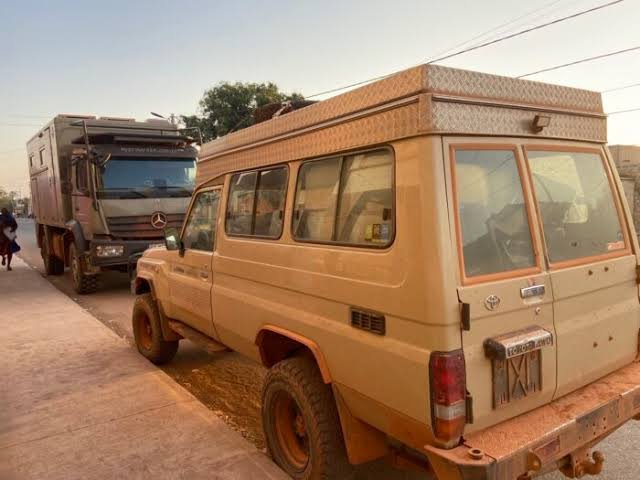
Rosso Border Crossing. For travelers, Rosso is primarily known as the main and busiest border crossing between Mauritania and Senegal. According to numerous travel blogs, it’s considered one of the most chaotic, corrupt, and demanding border crossings in the world. When choosing this route, be prepared for persistent fixers, bribe attempts, and pickpocketing. Travelers seeking a more peaceful alternative often choose to cross the border through the Diama barrier, located closer to the Atlantic coast.
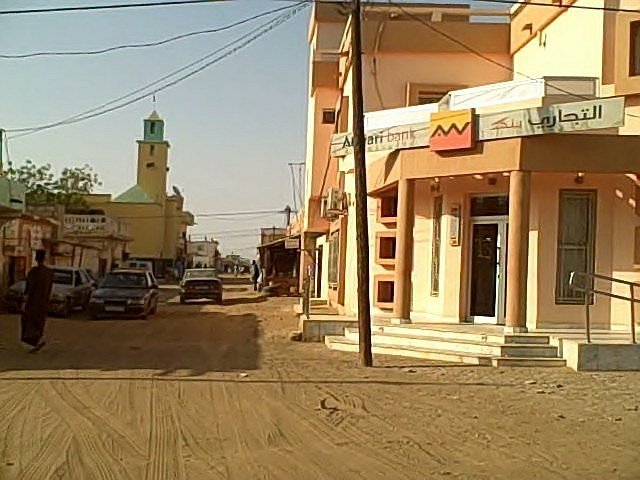
Important travel warning. When planning a visit to Rosso or transiting, please be aware of the region’s specifics: Mauritanian visas for 30 days can be obtained directly at the border. Mauritania is warned of the threat of terrorism in Mauritania and common crime (fraud, theft).